Neither a gift packaging box nor a standard packaging box is universally "better" — the right choice depends entirely on the product's end use, audience, and the commercial context. A gift packaging box excels when the unboxing experience, perceived value, and emotional impact are priorities. A standard packaging box wins when the priorities are cost efficiency, shipping durability, and logistics scalability. Choosing the wrong type for the context wastes either budget or opportunity.
What Sets a Gift Packaging Box Apart
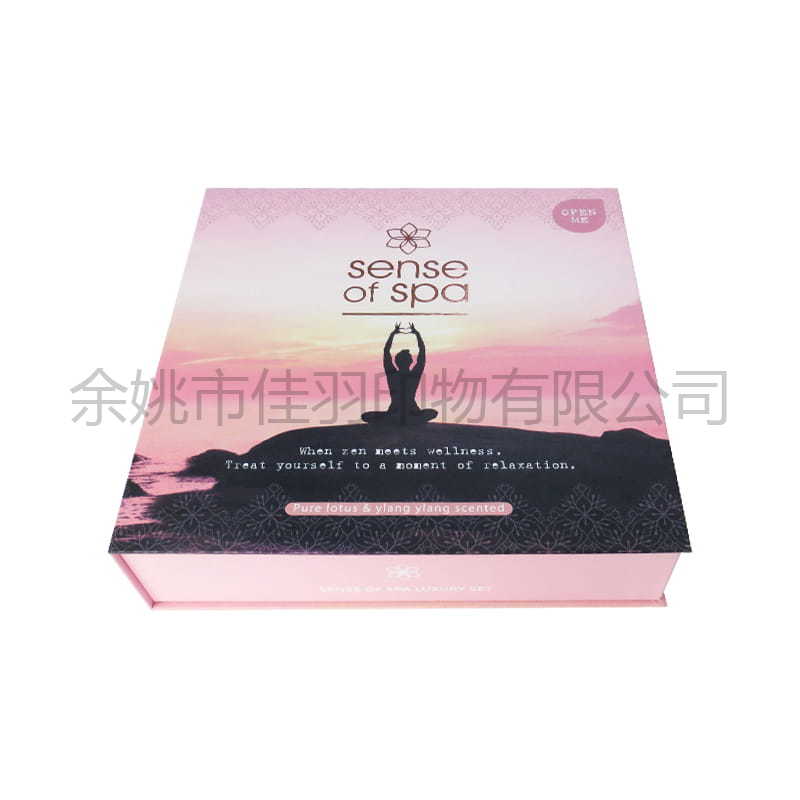
A gift packaging box is designed primarily around the presentation and emotional experience of the recipient. Its defining characteristics include:
- Premium materials: Rigid board (typically 1,500–2,000 gsm), linen, velvet, or specialty paper wrapping that signals quality before the product is even seen.
- Structural formats: Magnetic closure lids, drawer-style boxes, hinged clamshell designs, and two-piece setup boxes — formats that create a memorable reveal.
- Interior finishing: Foam inserts, fabric lining, ribbon pulls, and tissue paper to secure and frame the product inside.
- Branding customization: Hot foil stamping, embossing, debossing, UV spot varnish, and full-color printing that conveys brand identity at premium tier.
Research into consumer behavior consistently shows that packaging perceived as premium increases the estimated value of the product inside by 20–45% — even when the product itself is identical.
What a Standard Packaging Box Is Optimized For
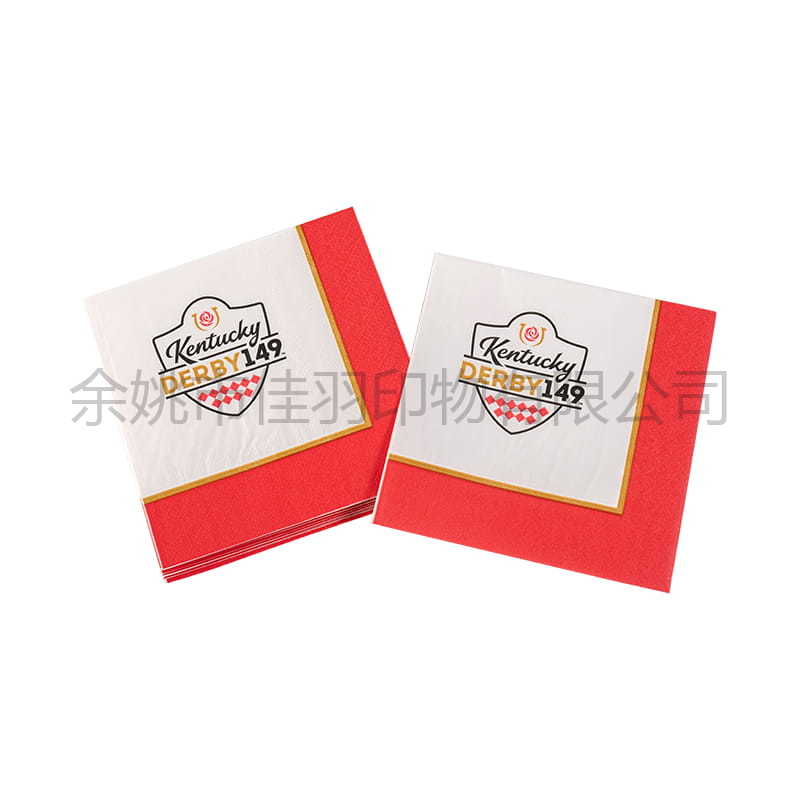
Standard packaging boxes — typically corrugated cardboard or folding carton — are engineered for protection, efficiency, and cost at scale:
- Structural durability: Corrugated B-flute or E-flute construction absorbs impact and stacking pressure during transit and warehousing.
- Production cost: Standard folding cartons can cost 5 to 15 times less per unit than comparable rigid gift boxes at equivalent quantities.
- Logistics compatibility: Flat-pack construction allows efficient storage and fast machine-packing on automated fulfillment lines.
- Sustainability: Unbleached corrugated board has a significantly lower carbon footprint and higher recyclability rate than laminated rigid board.
Side-by-Side Comparison
Gift packaging box vs. standard packaging box across key decision criteria
| Criteria |
Gift Packaging Box |
Standard Packaging Box |
| Unit cost |
Higher |
Lower |
| Perceived product value |
Significantly elevated |
Neutral |
| Unboxing experience |
Designed for delight |
Functional only |
| Transit protection |
Moderate (requires outer shipping box) |
High (corrugated) |
| Customization options |
Extensive |
Moderate |
| Recyclability |
Varies (lamination reduces recyclability) |
High |
| Minimum order quantity |
Often 500–1,000 units |
Flexible (as low as 100 units) |
When to Choose a Gift Packaging Box
- The product is positioned at premium or luxury price points where the packaging must justify the price before the product is opened.
- The item is sold as a gift or seasonal offering — cosmetics sets, jewellery, spirits, gourmet food, electronics accessories — where presentation is part of the value.
- The brand relies on social media unboxing content to drive awareness — gift box aesthetics generate significantly more shareworthy moments than standard cartons.
- The product is sold directly to consumers at retail where shelf presence and tactile first impression influence purchase decisions.
When to Choose a Standard Packaging Box
- The product is utilitarian or commodity-category where packaging has no role in the purchase decision.
- The channel is B2B or bulk distribution where packaging is discarded immediately after delivery.
- The business operates on thin margins or high volume where packaging cost per unit directly impacts profitability.
- The product requires robust transit protection through complex logistics chains — corrugated construction outperforms rigid board under repeated handling and stacking loads.
 English
 中文简体
中文简体 Español
 Deutsch
 No.71, Xiafan, Panxiang Village, Yangming Street, Yuyao City, China.
 491791889@qq.comsales@jiayuprint.com
 +86-13186866868
 +86-0574-62587484