The short answer is that 100 gsm paper equals 27 lb in bond grade, 68 lb in text grade, 37 lb in cover grade, and 45 lb in index grade. The value shifts because the American pound system weighs a ream of 500 sheets, but every paper grade uses a different base sheet size. One physical sheet of 100 gsm paper can therefore appear with four different lb labels depending on how a supplier classifies it. This guide explains each conversion, shows the math behind it, and gives you practical benchmarks for buying printing paper and food-service disposables.
What Does 100 GSM Paper Mean?
gsm stands for grams per square meter, the international standard for paper density. Cut a one-meter by one-meter sheet of paper, and if it weighs exactly 100 grams, that paper is rated at 100 gsm. Unlike the U.S. system, gsm does not depend on grade, sheet size, or ream quantity, so it means the same thing in every country.
This is why gsm dominates global trade in printing papers, packaging board, and food-service disposables. A mill in Asia, a converter in Europe, and a brand owner in North America can all say 100 gsm and refer to exactly the same material.
Why the Pound Value Depends on Paper Grade
The U.S. basis weight system answers a different question: how much does a ream, meaning 500 sheets, of a specific paper grade weigh in pounds. The catch is that each grade has a fixed base sheet size. Text paper uses a 25 x 38 inch sheet, bond paper uses 17 x 22 inches, cover paper uses 20 x 26 inches, and index paper uses 25.5 x 30.5 inches.
Because these base sizes differ, a single gsm value maps to four different lb values. That is the core reason the 100 gsm to lb conversion confuses buyers. One conversion factor is never enough; you must know the grade first.
100 GSM to Lb Quick Conversion Table
The table below summarizes the four accepted conversions for 100 gsm paper. Rounding to the nearest whole pound matches the way merchants actually quote prices.
The same 100 gsm sheet carries four different lb values depending on the paper grade and its basis sheet size.
Paper Grade
Base Sheet Size
100 gsm Converts To
Typical Use
Bond / Writing
17 x 22 inch
27 lb
Letterhead, copier paper
Text / Book
25 x 38 inch
68 lb
Brochure pages, flyers
Cover
20 x 26 inch
37 lb
Postcards, folder covers
Index
25.5 x 30.5 inch
45 lb
File dividers, tags
100 gsm Paper Converted to U.S. Pound Grades
lb values computed by dividing 100 gsm by the grade-specific factor.
Notice how the same physical sheet of paper can carry four different lb labels. Bond at 27 lb represents the classic office paper feel, while the text grade value of 68 lb looks deceptively heavy. The difference is not an error; it simply reflects four separate measuring conventions. When someone says that 100 gsm equals 68 lb, ask whether they mean text, cover, bond, or index. If they cannot answer, the conversion is incomplete and you risk ordering the wrong stock. Always confirm the grade before trusting the number.
How to Convert 100 GSM to Lb with Simple Math
Conversion is straightforward arithmetic once you know the grade. Use the grade-specific divisor and divide the gsm value. The steps below show exactly how 100 gsm becomes each pound figure.
Identify the paper grade from your supplier; text and cover are the most common in commercial printing.
For text paper, divide 100 by 1.48 to get 68 lb.
For cover paper, divide 100 by 2.708 to get 37 lb.
For bond paper, divide 100 by 3.70 to get 27 lb.
For index paper, divide 100 by 2.22 to get 45 lb.
Round to the nearest whole number, because merchants do not quote fractions of a pound.
Text Grade Conversion Curve: gsm to lb
Text grade value follows a straight line: 100 gsm always lands at 68 lb.
This line chart shows the text grade conversion across common gsm values that appear in real print jobs. Text pounds rise proportionally with gsm, which is why the 1.48 factor works at any point on the scale. A 90 gsm sheet lands at 61 lb text, 100 gsm lands at 68 lb, and 120 gsm lands at 81 lb. The linear pattern makes it easy to estimate intermediate values once you remember the 1.48 divisor. Switch to cover grade and a different line with the 2.708 divisor would sit noticeably lower. Keeping these two lines separate in your memory prevents most ordering errors.
What Does 100 GSM Paper Actually Feel Like?
Physically, 100 gsm sits directly above standard office copy paper, which is around 80 gsm. It has a firm, premium feel without becoming stiff or board-like. That is why it is a favorite for flyers, brochure interior pages, multi-page catalogs, and high-quality magazine inserts. It also takes color printing well, with minimal show-through when the piece is printed on both sides.
At the opposite end of the scale, a typical lunch napkin weighs around 18 gsm, so it folds easily and absorbs well. The weight range between napkins and cardstock is enormous, and every item in between exists for a reason.
100 gsm sits between thin tissue and rigid food-service board.
The column chart makes the weight gap between product categories obvious at a glance. Tissue products such as napkins sit at the very bottom of the scale, below 20 gsm. Everyday printing papers cluster between 70 and 120 gsm, which is exactly where 100 gsm fits. Food-service containers like paper cups and plates move into the 170 to 300 gsm band because they must hold their shape during use. This comparison matters when you purchase across categories, because a 100 gsm sheet is never appropriate for a delicate napkin or a rigid cup wall. Knowing where 100 gsm sits on this scale helps you match the right material to the right job.
Which Weight Unit Should You Specify on Your Next Order?
When you buy paper from U.S. mills, lb is still the default language, so ask for 68 lb text or 37 lb cover when you mean 100 gsm. When you buy from international mills or from food-service paper manufacturers, gsm is the common currency. The safest practice is to state both units in your order, for example, 100 gsm or 68 lb text. This removes ambiguity before production starts and protects you from paying for the wrong caliper.
Food-service disposables are a special case because gsm alone does not describe the full material. Napkins get quoted in gsm because they are thin tissues, and a standard lunch napkin sits around 18 gsm. Paper coffee cups and paper plates are usually defined by their base paper gsm plus a water-resistant coating, because the coating affects rigidity and leak protection as much as the base sheet does. A 12 oz coffee cup, for instance, uses a heavier coated board that holds hot liquid without softening.
If you are sourcing party or catering supplies, the same logic applies to plates. A molded or coated paper plate requires enough stiffness to carry food without bowing, which pushes its base material far above the 100 gsm printing range. For seasonal events and bulk catering, checking the gsm of the base paper and the coating type is more reliable than asking for a pound equivalent that may not even be used by the supplier.
Paper weight also affects sustainability choices. Lighter sheets use fewer fibers and reduce shipping weight, but heavier sheets last longer and feel more premium. For food packaging, the balance between material strength and environmental impact is a constant trade-off. Knowing the gsm value lets procurement teams compare apples to apples across suppliers, even when one quotes in lb and another in gsm.
Radar Comparison: How 100 GSM Stacks Up Against Neighboring Weights
To judge whether 100 gsm is right for your project, compare it with 80 gsm and 120 gsm across five properties that matter in printing and packaging. The radar chart below shows a qualitative profile for each weight. Stiffness, print quality, opacity, foldability, and cost efficiency are scored from 1 to 5.
Property Profile: 80 gsm vs 100 gsm vs 120 gsm
Scores are qualitative ratings for typical uncoated offset paper.
The radar chart compares 100 gsm with 80 gsm and 120 gsm across five properties that matter in print and packaging. One hundred gsm clearly outperforms 80 gsm in stiffness, print quality, and opacity while remaining easy to fold. Moving up to 120 gsm buys more rigidity and opacity but reduces foldability and raises material cost. For a double-sided flyer, 100 gsm often provides the best balance because it controls ink show-through without behaving like cardstock. For packaging inserts where folding is critical, heavier paper slows production and adds expense. Seeing the trade-offs on one diagram helps designers and procurement teams align on the right specification faster.
Practical Pitfalls to Avoid When Converting Paper Weights
Assuming one conversion factor works for every grade. Text, cover, bond, and index each have their own divisor, so check the grade before doing the math.
Ordering 100 gsm when your printer quotes in cover lb. A 37 lb cover sheet is exactly 100 gsm, but 100 lb cover is roughly 270 gsm, a completely different material.
Confusing basis weight with thickness. Two papers can share the same gsm yet differ in caliper because of fiber density, coating, and finishing processes.
Ignoring coating and lamination. A coated 100 gsm paper feels heavier and prints more sharply than an uncoated one, so surface treatment changes the practical result.
Overlooking moisture and environment. Paper absorbs humidity, so gsm weight can drift slightly between a dry warehouse and a humid pressroom.
Assuming the lb value is universal. When a supplier quotes 68 lb, confirm whether it refers to text grade, because 68 lb in another grade means a completely different sheet.
Final Thoughts on 100 GSM Paper to Lb Conversion
Paper weight conversion only confuses when the grade is missing. Once you know whether a job calls for bond, text, cover, or index, 100 gsm becomes a fixed point that is easy to translate. Global suppliers continue to standardize on gsm for printing, packaging, and food-service materials, while U.S. merchants stick with lb for historical reasons. The practical solution is to quote both units on every order, ask suppliers to confirm the grade, and verify a physical sample before committing to a large run. That habit prevents the most expensive mistakes even as paper and printing technologies continue to evolve.
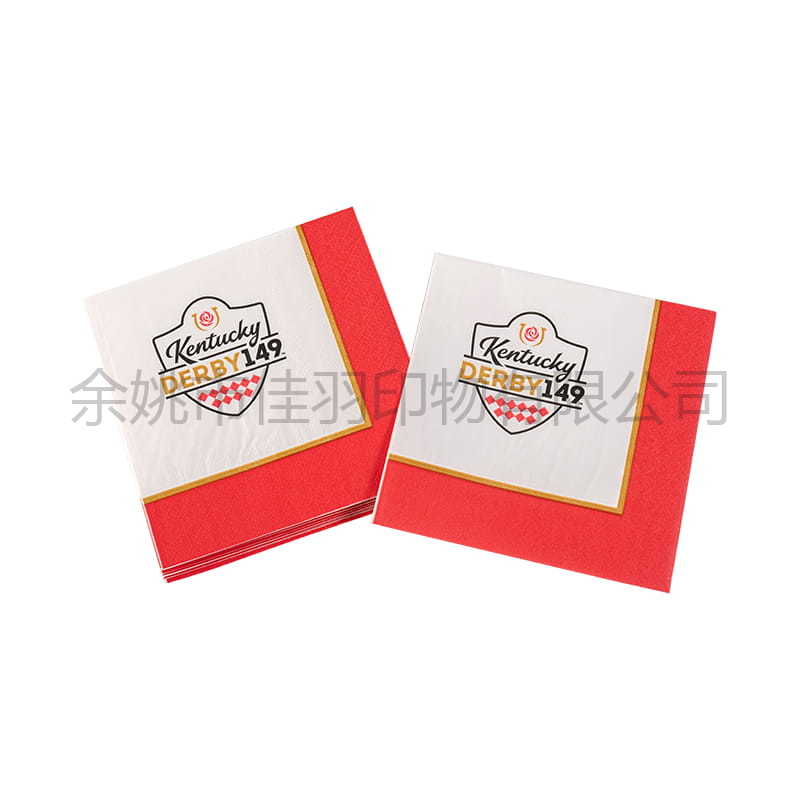
25cm KD printed paper towels have a variety of advantages, at the same time, the pattern on the napkin can be customized according to any requirements, whether it is a floral design, geometric pattern...
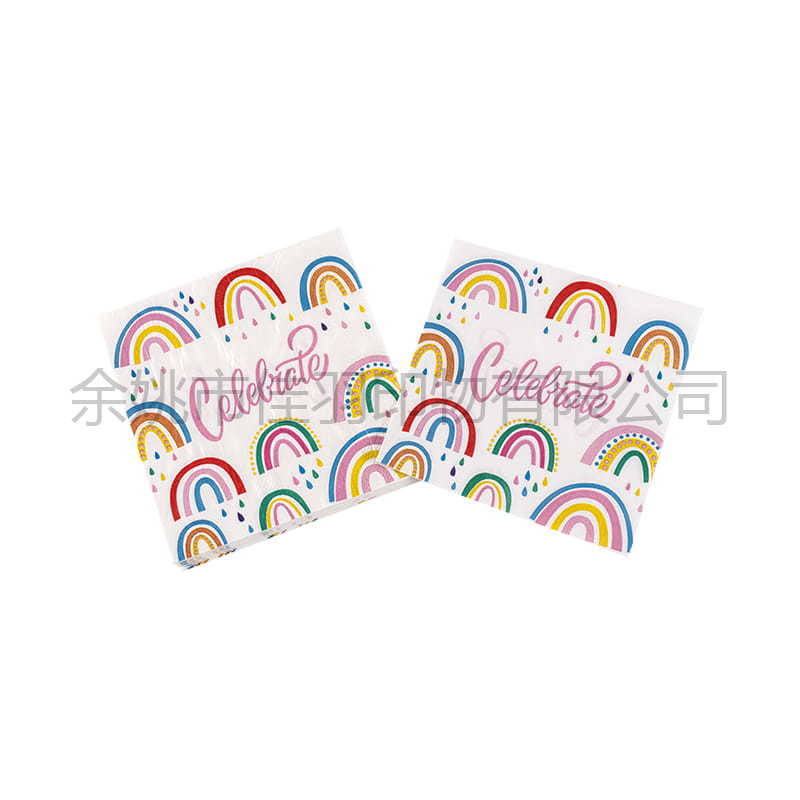
25cm Rainbow Print Napkin- This napkin is specially designed for holiday celebrations, specially designed napkins with print, rainbow print is full of joy and celebratory feelings.
The print on it ca...
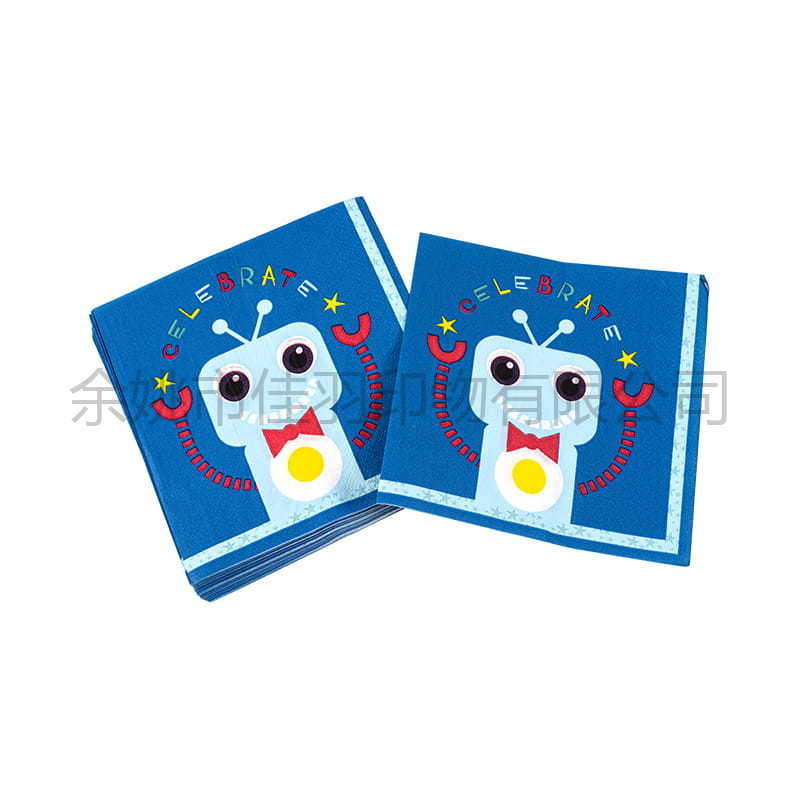
This is a 25cm*25cm napkin printed with the logo of a cute robot, this robot napkin is a must-have item on the children's table. Fun robot-themed prints add a futuristic touch to your packaging, in ad...
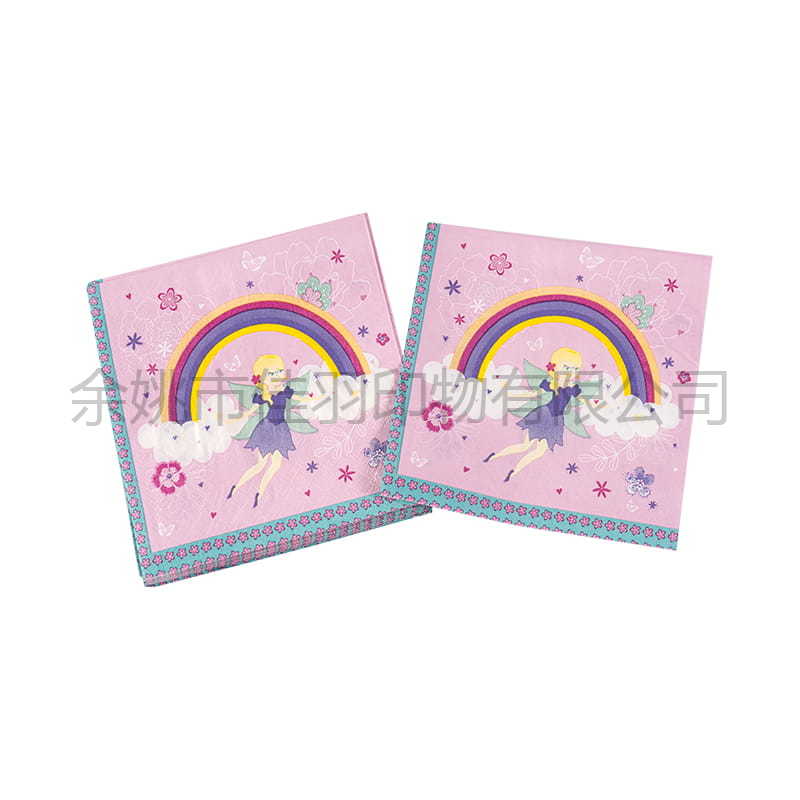
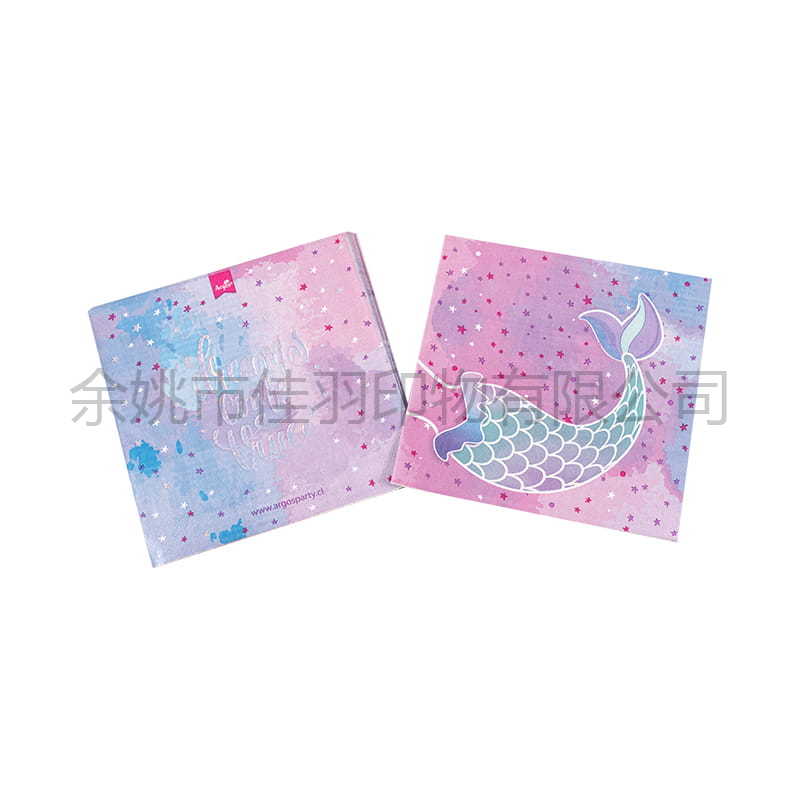
The 25cm fairy print tissue is designed to enhance the overall experience of women. The unique fairy-themed print not only gives the paper towel an eye-catching look but can also be customized to your...
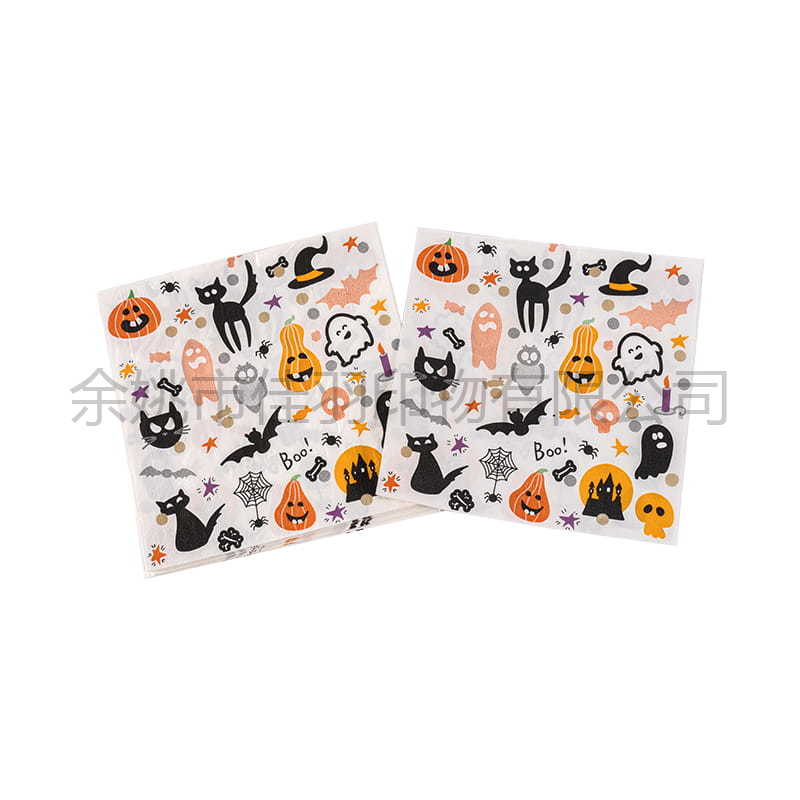
Designed for Halloween, this tissue is sized to handle a variety of packaging needs, from small Halloween gifts to grand celebrations. The design incorporates an intriguing Halloween element, making e...
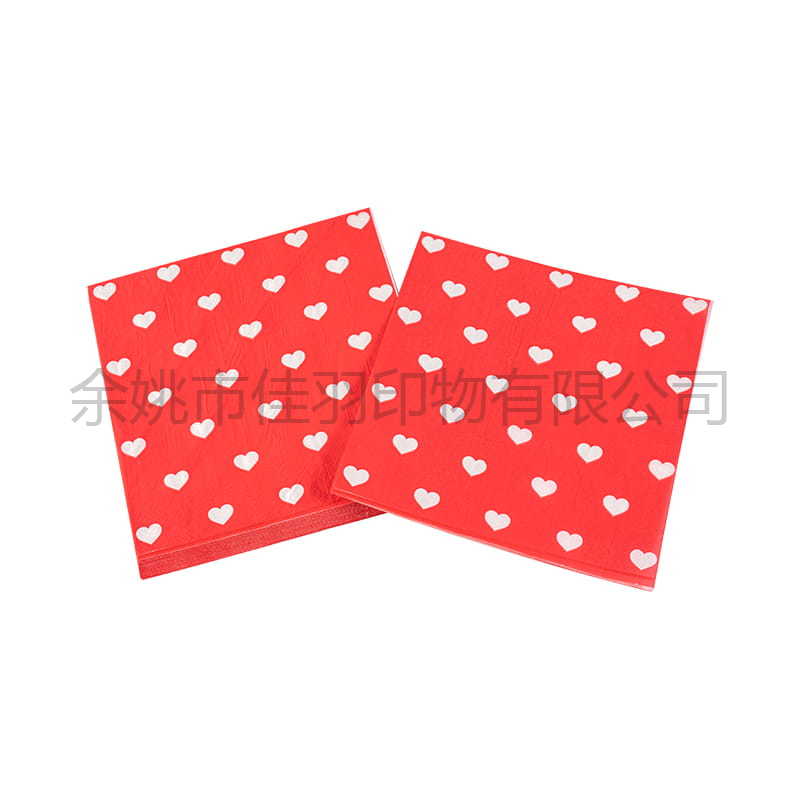
This special Valentine's Day tissue is covered with small hearts and covers the entire tissue. We designed this 33cm Valentine's Day tissue, each one has a lot of small hearts so that your gift packag...
This 33cm bronzing embossed lace paper towel incorporates a delicate embossing process, which is soft and comfortable, and has good water absorption. At the same time, the interesting colors and delic...
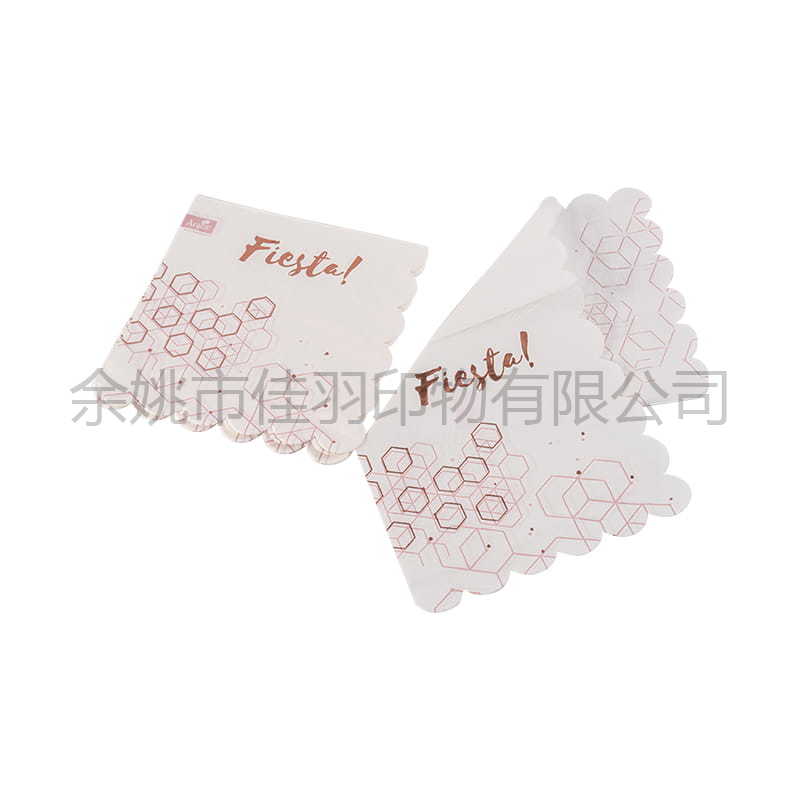
The 33cm hot rose gold paper towel comprehensively considers many factors such as material, environmental protection, practicality and appearance design. Inject a touch of artistic quality into everyd...
The 33cm hot silver paper towel adopts a unique hot silver stamping process, and its exquisite print design adds a lot of color to daily life, we are constantly paying attention to the comfort of the ...
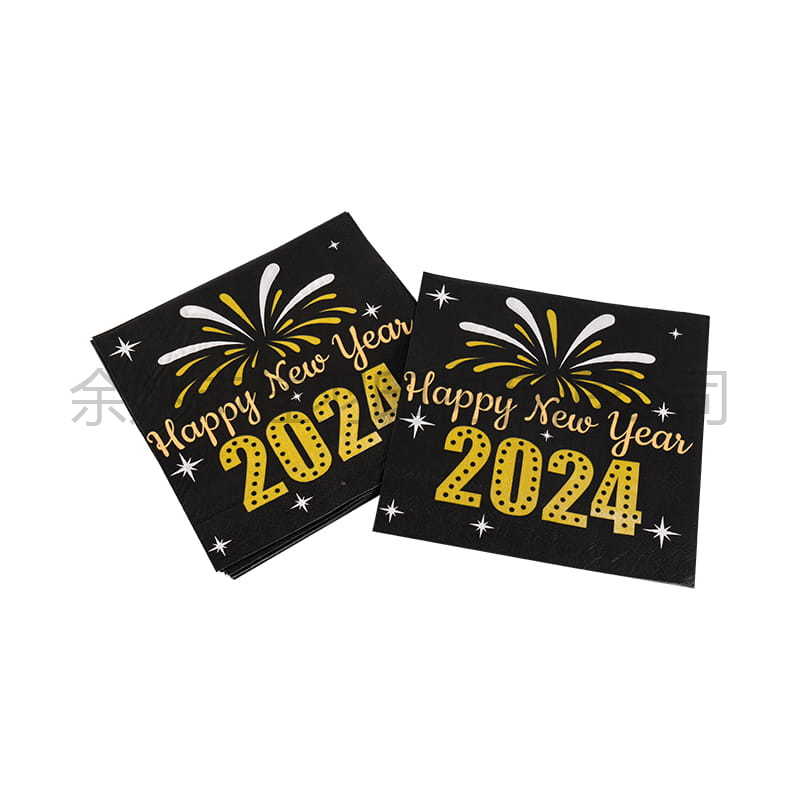
The 33cm New Year paper towel is an eco-friendly and sustainable product that is made with eco-friendly materials, providing buyers with a more eco-friendly option. Unique print patterns can be custom...
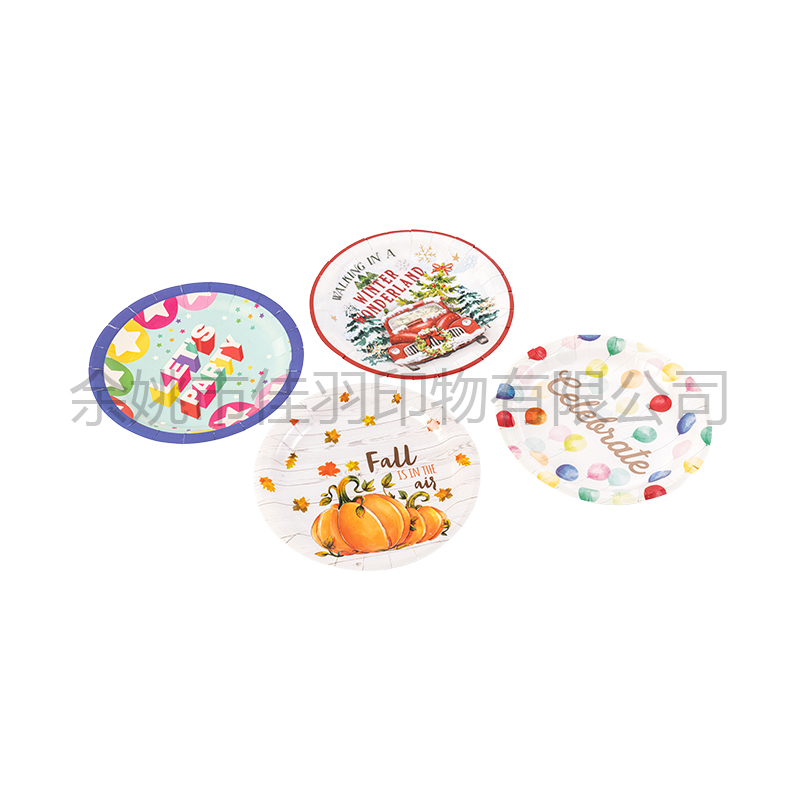
The 7-inch round paper plate, with a diameter of 17.8 cm (Φ17.8), is a common tableware and supplies, usually used for parties, parties, catering occasions, etc.
Material: The 7-inch round paper tray...
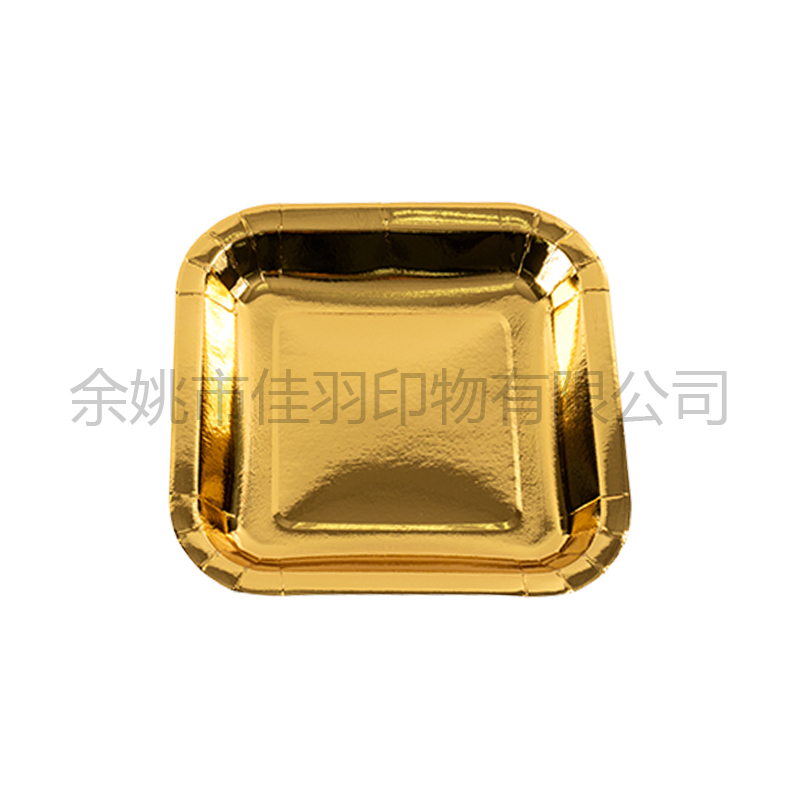
8-inch gold square paper plate to add a luxurious atmosphere to your special occasion. This clever design of this square paper plate not only provides more space for food storage but also presents a m...
 English
 中文简体
中文简体 Español
 Deutsch


 No.71, Xiafan, Panxiang Village, Yangming Street, Yuyao City, China.
 491791889@qq.comsales@jiayuprint.com
 +86-13186866868
 +86-0574-62587484