You email a packaging supplier for a quote and they ask: "do you want 68 lb text or 100 gsm?" These two labels can point to the same sheet, but only when the grade is named. The exercise becomes tricky with a number like 100 gsm: depending on the grade, the lb equivalent changes from about 27 lb bond to about 68 lb text, 37 lb cover, 55 lb index, or 61 lb tag. This guide explains why that happens, shows the conversion in a reference table, and gives you four visual charts to keep beside your purchase orders. Once you understand the logic, you can match quotes from any country without guesswork.
Why 100 gsm Has Multiple lb Equivalents
gsm is an exact metric value that means grams per square meter. A 100 gsm paper always weighs 100 grams for every square meter of its surface, no matter how you cut it. The lb system works differently because it measures the weight of 500 sheets in a standard ream, and every paper grade uses a different ream size. Bond paper is based on a 17 by 22 inch ream, text paper on a 25 by 38 inch ream, cover paper on a 20 by 26 inch ream, index paper on a 25.5 by 30.5 inch ream, and tag paper on a 24 by 36 inch ream.
These base sizes decide the conversion factor. Since a text ream covers about 2.5 times the area of a bond ream, the same 100 gsm sheet climbs from 26.6 lb bond to 67.6 lb text. Cover paper lands near 36.9 lb because its ream area sits between the two. Index arrives at 55.3 lb, and tag comes in at 61.4 lb. When you see "100 lb paper" on a quote without a grade, ask which base size was used, because the answer changes the physical material you receive.
Chart 1. 100 gsm paper in five US lb grades
The bars above compare the same 100 gsm sheet across five US grades. Text stock produces the largest number because its standard ream covers the most area. Bond and cover stay low because their base reams are smaller. A 100 gsm text sheet and a 100 gsm cover sheet can be physically identical, yet their lb labels seem very different. This is why purchasing teams always state grammage and grade together in an order.
100 gsm to lb Quick Reference Table
The table below covers the grammage values most often seen in print and packaging projects. Each number is rounded to one decimal and assumes the standard cut-size ream for that grade. If your supplier uses a different basis, ask them to state the ream dimensions on the confirmation.
Approximate lb basis weights for common gsm values. The numbers compare identical physical paper under five standard US ream sizes.
gsm
Bond lb
Text lb
Cover lb
Index lb
Tag lb
60
16.0
40.5
22.2
33.2
36.9
80
21.3
54.1
29.6
44.2
49.1
100
26.6
67.6
37.0
55.3
61.4
120
31.9
81.1
44.4
66.4
73.7
150
39.9
101.4
55.5
83.0
92.1
180
47.9
121.6
66.6
99.6
110.6
200
53.2
135.1
74.0
110.6
122.8
250
66.5
168.9
92.5
138.3
153.6
300
79.8
202.7
111.0
165.9
184.3
To read the table, find the grammage in the first column and move across to the grade you plan to order. A 100 gsm flyer stock is about 27 lb bond or 68 lb text, while a 100 gsm light cover board is about 37 lb cover. For cups, plates, and folding boxes, board weight runs much higher, usually from 200 to 350 gsm, and the lower rows of the table give you the comparable range. Always mark the grade on your drawing so the converter does not choose the column for you.
What 100 gsm Paper Feels Like
A 100 gsm sheet sits clearly above the office copy paper range of 75 to 80 gsm. It feels firmer, more opaque, and slightly crisp when you bend it, yet it still folds cleanly for booklets, brochures, menus, and inserts. Print shops often choose 100 gsm for documents that need a premium touch without the extra cost of heavy card. In packaging, 100 gsm is light, so it usually appears as liners, dust covers, inner wrapping, or an inner ply in paper cups rather than as the main structural board.
Weight also affects freight. A 100 gsm sheet weighs about 25 percent more than an 80 gsm sheet of the same size, which can change the total cost of a container. When you compare two suppliers, check the grammage of every ply in the product. A paper cup wall may be quoted as 210 gsm or 280 gsm, and the stiffer board will feel noticeably stronger in your hand.
Chart 2. Paper behavior comparison at 80, 100, and 120 gsm
The radar chart compares three common grammage levels across six practical properties. The 80 gsm line runs high on cost efficiency and recyclability but stays low on stiffness and opacity. The 120 gsm line reverses that profile, with strong stiffness and print detail but a bigger material cost. The 100 gsm line sits between the two, which makes it a balanced choice for multi-page documents and light packaging. Use this kind of profile when you discuss paper with a converter, because it focuses on how the sheet behaves rather than on one number. It also explains why some buyers order 100 gsm as a default when their application needs equal parts strength and economy.
Why This Conversion Matters When You Buy Paper Products
Most purchasing mistakes happen when one side uses gsm and the other uses lb. A North American buyer who writes "100 pound board" may actually need 100 gsm, but the supplier calculates the quote at roughly 180 gsm because of the grade factor. The order arrives denser, heavier, and more expensive, or the quote is simply wrong. This is why experienced buyers write both values on the same document.
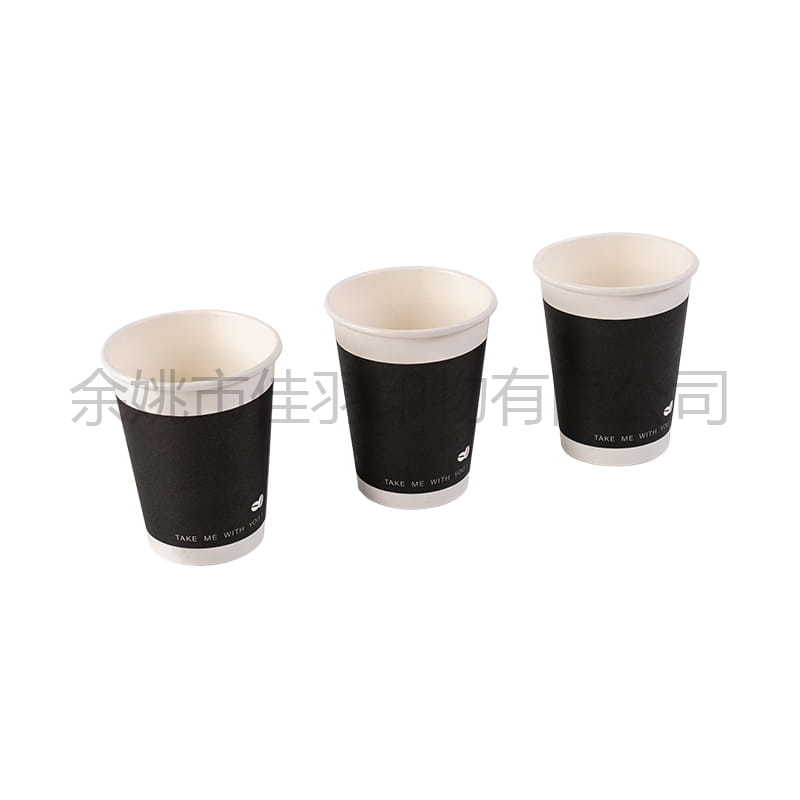
Food service packaging is a clear example. Our 9 oz coffee cups use controlled paperboard weights in the cup wall, so the cup keeps its shape from the warehouse to the last sip. If you are comparing our cups with another source, ask for the exact gsm of the wall board, not just the cup size, and read across the table above to find the lb equivalent you are used to.
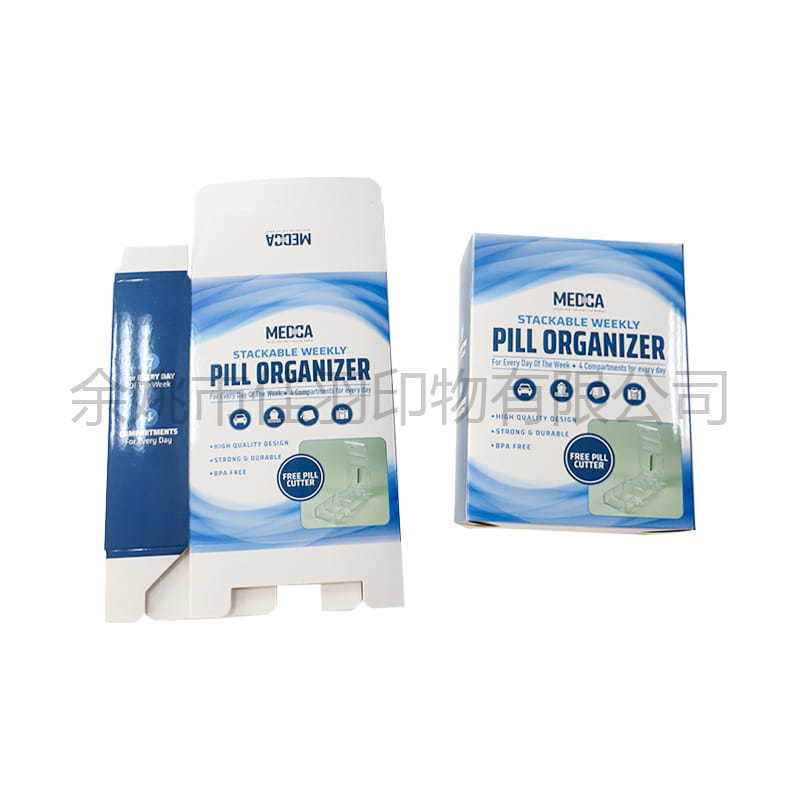
Retail boxes behave the same way. A folding carton printed on 300 gsm white card will have a sturdy feel that customers notice, while a thin 200 gsm sheet feels flimsy and collapses on display hooks. Our white card color boxes can be specified in either gsm or lb, and the production team adjusts the material to match your market standard.
When you send a request, include the paper behavior you want: foldability, stiffness, opacity, surface smoothness, and whether food contact rules apply. That information helps the supplier choose a grammage that works, instead of simply converting a number and hoping for the best.
Fast gsm to lb Conversion Formula
You do not need a converter for every quote. Pick the grade, then multiply the gsm by a fixed factor. For bond use 0.266, for text use 0.676, for cover use 0.370, for index use 0.553, and for tag use 0.614. To go the other way, divide the lb value by the same factor. If a customer asks for 74 lb cover, the grammage is about 74 divided by 0.370, which comes to roughly 200 gsm.
Chart 3. lb growth from 40 to 200 gsm for text and cover paper
Chart 3 tracks how lb values grow as grammage rises from 40 to 200 gsm. The steeper line represents text paper, and the gentler line represents cover paper. At 100 gsm the text line reaches roughly 68 lb, while the cover line stays near 37 lb. A buyer who uses one line for every grade will overpay on some orders and under-specify board on others. Keep this chart next to your calculator when you compare quotes for cups, boxes, and printed sheets. It also shows that the same jump in gsm creates a bigger lb change on text paper than on cover paper.
Common Mistakes That Ruin Paper Orders
The column chart below explains the numbers behind the five grades and is a useful reference when a supplier uses a term you do not recognize. Review it together with the list that follows before you confirm a new paper order.
Chart 4. Base ream area behind each US paper grade
The column chart displays the base ream area behind each US grade. Bond uses the smallest ream, just under 1300 square feet for 500 sheets, while text covers almost 3300 square feet. Cover, index, and tag fall in between, and these differences produce the conversion factors we used. This is exactly where conversion mistakes start when someone applies one grade to every quote. Check this chart whenever a supplier mixes gsm and lb without naming the grade. Ream area is the hidden variable that explains almost every confusing paper weight question.
Using a bond factor for every grade. A cover or index paper can be off by nearly double, which changes both cost and function.
Treating lb as the weight of a single sheet. The lb number refers to a full 500 sheet ream in that grade, not to one piece of paper.
Forgetting that gsm and lb describe weight only. Two 100 gsm sheets can have different caliper and stiffness if the fiber and coating differ.
Assuming overseas suppliers always use gsm. Many quote in both systems, and some switch grade factors silently. Reconfirm in writing.
Writing "100 lb paper" when you mean 100 gsm. Add the grade and the grammage on the purchase order, and ask the supplier to confirm the final basis weight.
How Jiayu Supports gsm and lb Specifications
Jiayu Printing has worked with paper converting, commercial printing, and food service packaging for years, so the gsm versus lb question comes up on nearly every order board. When you send a drawing or a physical sample, the R&D team converts your lb requirement into the exact grammage and confirms the board weight before production starts. This prevents surprises in stiffness, shipping weight, and unit cost.
You can check the complete paper product catalog to see how grammage is listed on our coffee cups, paper plates, paper bowls, napkins, and packaging boxes. The catalog uses gsm values on each product page, so you can apply the conversion table directly. For new projects that involve custom printed packaging, our packing experts can suggest a board weight based on the contents, the shelf display, and the freight destination. We also follow industry news about sustainable paper materials and update our material options as food-safe coatings and recycled boards evolve.
Whether your team thinks in gsm or in lb, a clear specification and a trusted converter are enough to keep every order on track.
25cm KD printed paper towels have a variety of advantages, at the same time, the pattern on the napkin can be customized according to any requirements, whether it is a floral design, geometric pattern...
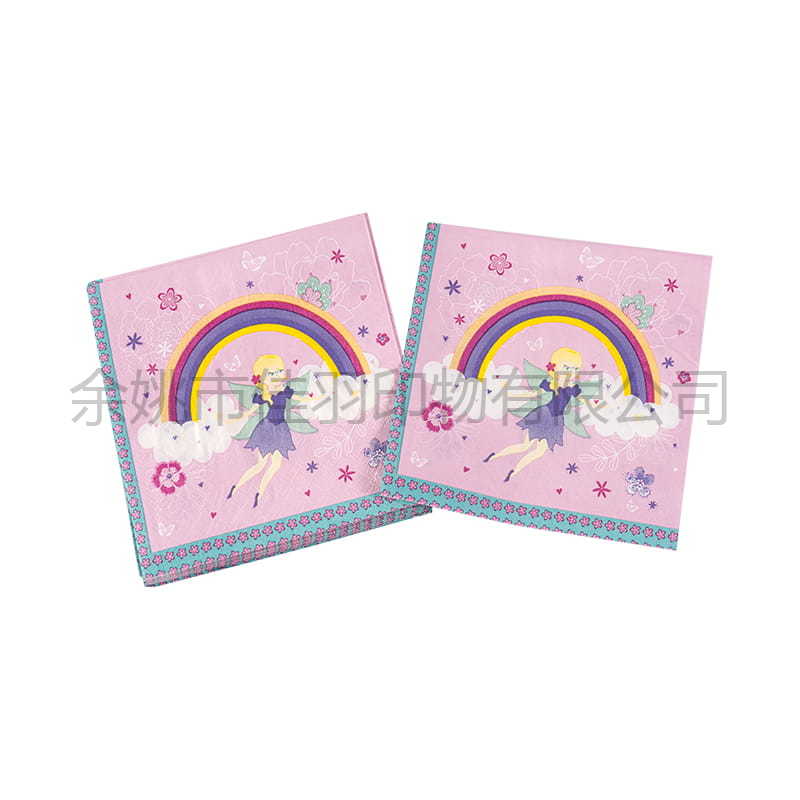
25cm Rainbow Print Napkin- This napkin is specially designed for holiday celebrations, specially designed napkins with print, rainbow print is full of joy and celebratory feelings.
The print on it ca...
This is a 25cm*25cm napkin printed with the logo of a cute robot, this robot napkin is a must-have item on the children's table. Fun robot-themed prints add a futuristic touch to your packaging, in ad...
The 25cm fairy print tissue is designed to enhance the overall experience of women. The unique fairy-themed print not only gives the paper towel an eye-catching look but can also be customized to your...
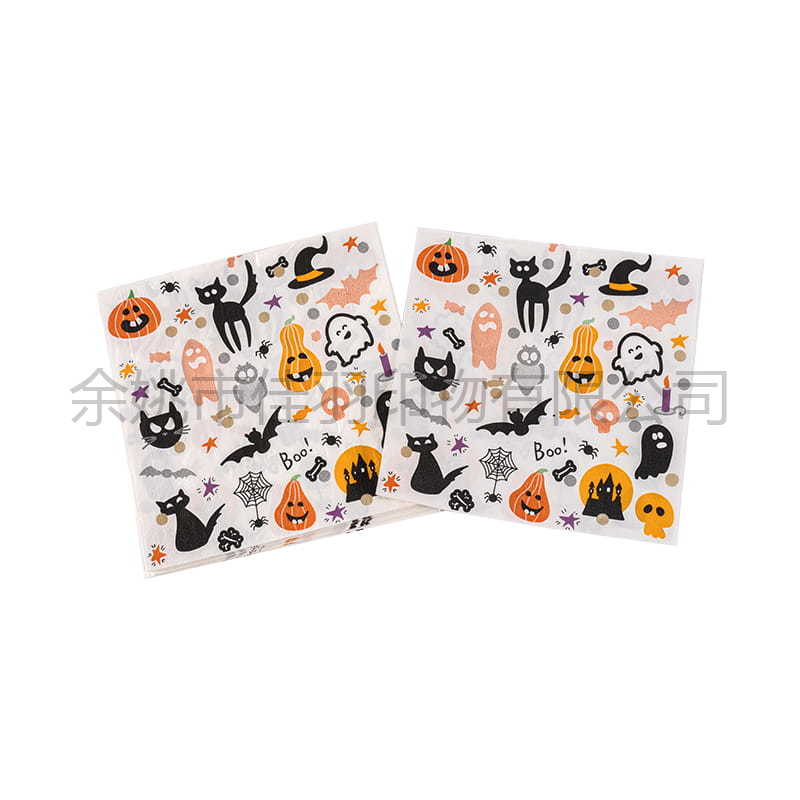
Designed for Halloween, this tissue is sized to handle a variety of packaging needs, from small Halloween gifts to grand celebrations. The design incorporates an intriguing Halloween element, making e...
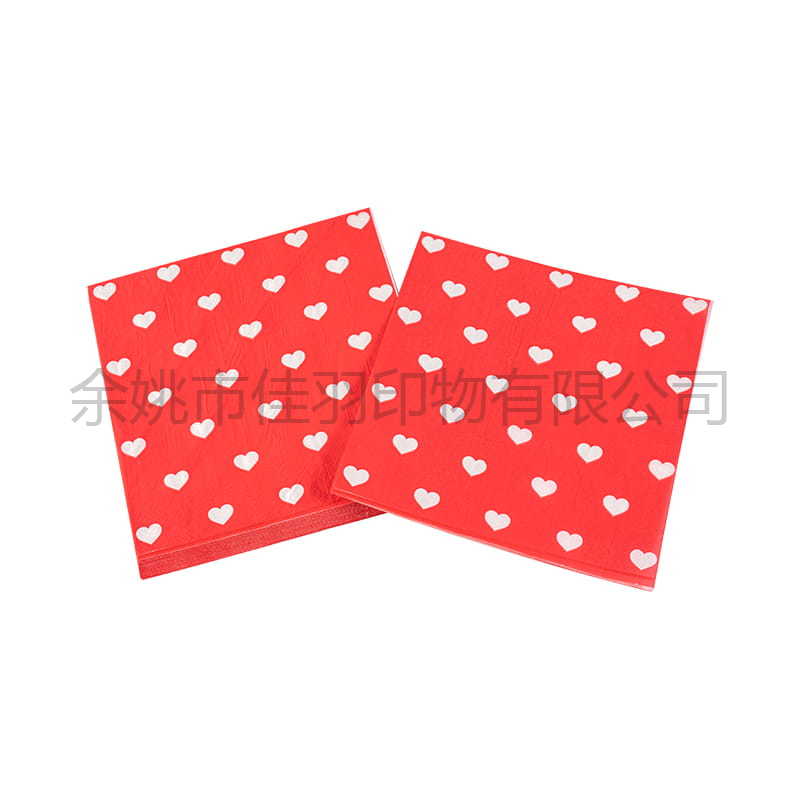
This special Valentine's Day tissue is covered with small hearts and covers the entire tissue. We designed this 33cm Valentine's Day tissue, each one has a lot of small hearts so that your gift packag...
This 33cm bronzing embossed lace paper towel incorporates a delicate embossing process, which is soft and comfortable, and has good water absorption. At the same time, the interesting colors and delic...
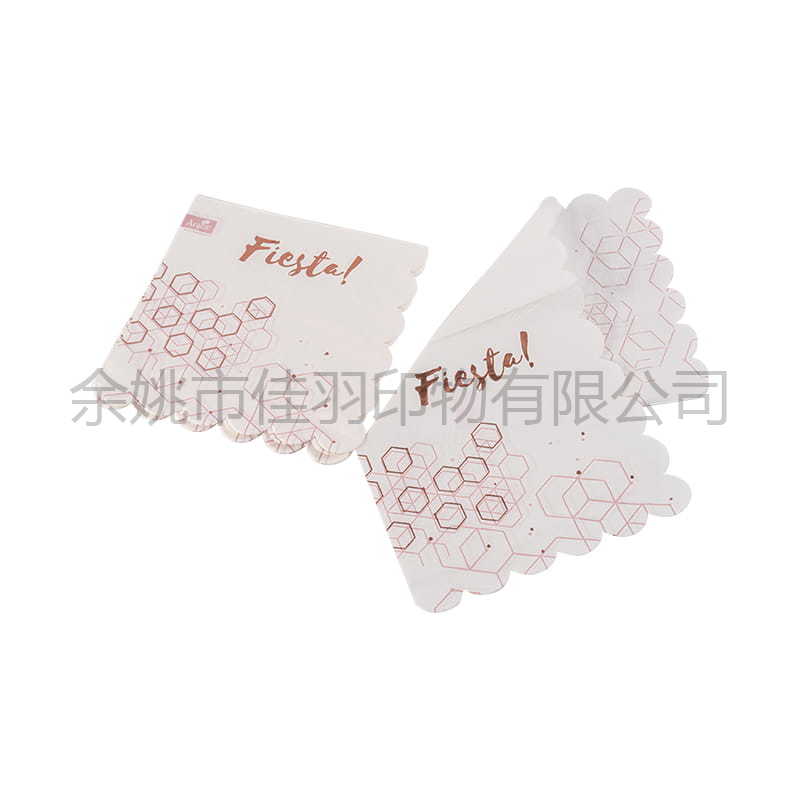
The 33cm hot rose gold paper towel comprehensively considers many factors such as material, environmental protection, practicality and appearance design. Inject a touch of artistic quality into everyd...
The 33cm hot silver paper towel adopts a unique hot silver stamping process, and its exquisite print design adds a lot of color to daily life, we are constantly paying attention to the comfort of the ...
The 33cm New Year paper towel is an eco-friendly and sustainable product that is made with eco-friendly materials, providing buyers with a more eco-friendly option. Unique print patterns can be custom...
The 7-inch round paper plate, with a diameter of 17.8 cm (Φ17.8), is a common tableware and supplies, usually used for parties, parties, catering occasions, etc.
Material: The 7-inch round paper tray...
8-inch gold square paper plate to add a luxurious atmosphere to your special occasion. This clever design of this square paper plate not only provides more space for food storage but also presents a m...
 English
 中文简体
中文简体 Español
 Deutsch
 No.71, Xiafan, Panxiang Village, Yangming Street, Yuyao City, China.
 491791889@qq.comsales@jiayuprint.com
 +86-13186866868
 +86-0574-62587484