A spec sheet says 200 gsm. The quote form asks for pounds. Both describe the same sheet, but they are not the same measurement, and the gap between them is wider than most buyers expect. 200 gsm converts to about 135 lb text, 74 lb cover, 110 lb index, or 53 lb bond, depending on which grade the pound figure refers to.
Treating those numbers as interchangeable is the most common and most expensive mistake in paper sourcing. A buyer who quotes 200 gsm card stock as 200 lb paper overstates the material several times over. A printer who reads 80 lb cover as 80 gsm underspecifies by more than half. Both errors pass through email unchallenged and usually only surface when the pallet is opened.
200 GSM in Pounds, Grade by Grade
Basis weight is the weight of 500 sheets cut to a parent size that changes from grade to grade. That single fact explains why one grammage figure produces four or five different pound values.
One 200 gsm sheet can be described as 135 lb text, 74 lb cover, 110 lb index, or 53 lb bond because each grade uses a different basis sheet size.
| Paper grade |
Basis sheet |
200 gsm equals |
Typical use |
| Text or book |
25 x 38 in |
135 lb text |
Brochures, book blocks, letterheads, inserts |
| Cover or card |
20 x 26 in |
74 lb cover |
Business cards, postcards, folding cartons |
| Index |
25.5 x 30.5 in |
110 lb index |
Index cards, dividers, tabs |
| Bond or writing |
17 x 22 in |
53 lb bond |
Letterhead, envelopes, forms |
| Bristol |
22.5 x 28.5 in |
91 lb bristol |
Covers, tags, heavy postcards |
Read the table from the grade column, not the pound column. If a supplier quotes a folding carton at 74 lb cover, that is a 200 gsm sheet. If the same supplier quotes 74 lb text, the sheet is closer to 110 gsm, noticeably lighter and softer in the hand. The number 74 tells you nothing until you know which grade it belongs to.
Why the Pound Value Changes With the Grade
Grammage is absolute. It is the mass of one square meter of paper in grams, defined under ISO 536, and it stays the same whether the sheet is cut large or small. Pound weight is relative. It records the mass of one ream of 500 sheets at whichever parent size that grade traditionally uses, and those parent sizes were fixed decades ago by the mills that first produced each grade.
The conversion is a simple ratio. Pounds equals gsm multiplied by the basis area in square inches, divided by 1406.5.
Cover stock uses a 20 x 26 inch basis sheet, or 520 square inches. Running 200 multiplied by 520 and divided by 1406.5 gives 73.9, which rounds to 74 lb cover. Text paper uses a 25 x 38 inch basis sheet, or 950 square inches, and the same arithmetic returns 135 lb text. The paper has not changed. Only the reference sheet has.
This matters commercially because paper is often priced per pound. A 135 lb text quote and a 74 lb cover quote can describe the same stock while looking like a 45 percent price gap. Convert both sides to gsm before comparing anything.
How Thick Is 200 GSM Paper?
Weight and thickness travel together, but not in lockstep. Caliper is measured in points, where one point equals one thousandth of an inch, and it depends on fiber blend, coating, and how hard the sheet was calendered at the mill. For 200 gsm stock, expect roughly:
- Coated gloss card, about 0.17 to 0.19 mm, or 6.7 to 7.5 pt
- Uncoated or matte card, about 0.19 to 0.22 mm, or 7.5 to 8.7 pt
- Bulky uncoated board, up to 0.25 mm, or about 10 pt
Two 200 gsm sheets from different mills can differ by 20 percent in caliper and both still meet the same grammage specification. When a job depends on how a carton folds, how a card sits in a display pocket, or how a printed piece feels in the hand, specify caliper or bending stiffness alongside the weight, then confirm both on a physical sample rather than a data sheet.
What 200 GSM Means on the Production Floor
200 gsm sits in the middle of the card stock range. It is heavy enough to hold a printed shape without backing and light enough to die cut, crease, and glue at production speed. Three applications come up again and again.
Folding cartons and retail packaging
Small cartons, sleeves, inner dividers, and lightweight display boxes commonly run 200 to 250 gsm coated board. Larger boxes that must survive stacking or shipping usually move up to 250 to 350 gsm, because stiffness rises faster than grammage. A 200 gsm carton that feels firm at 8 cm tall can feel flimsy at 25 cm, even though the board is identical.
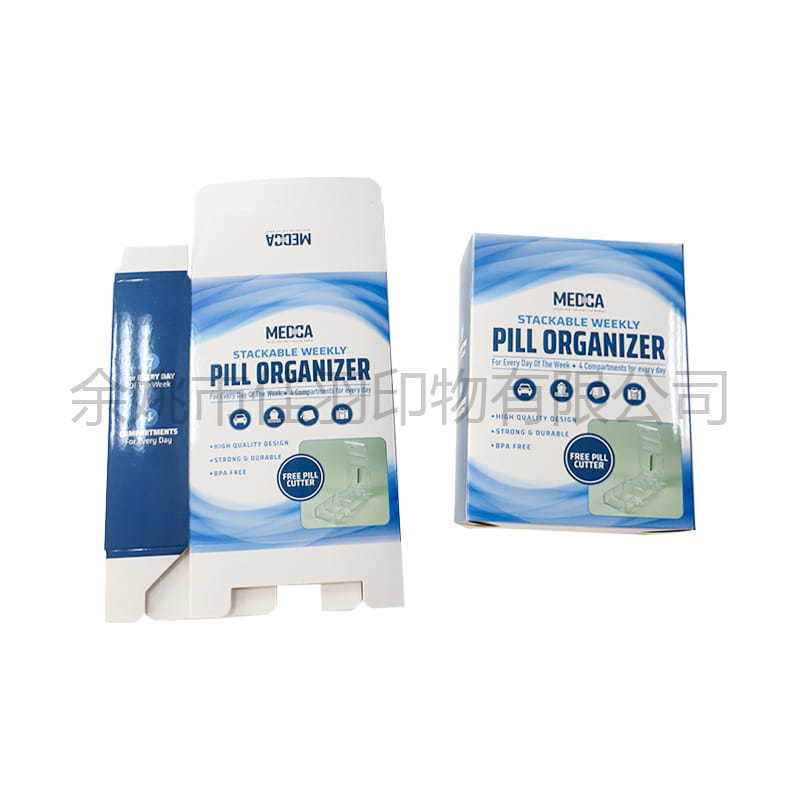 Custom White Card Color Paper Packaging BoxA customizable white cardboard box for gifts, accessories, and collectibles, offering a stable structure plus logo, text, and pattern printing options.View Product →
Cards, tags, and blister backing
Printed cards and shelf talkers usually sit between 200 and 300 gsm, with a coated face for color reproduction and an uncoated back for writing or coding. Backing cards that must hang flat on a peg without curling are normally heavier, because a light sheet under a molded plastic blister will bow over a few weeks in a warm store.
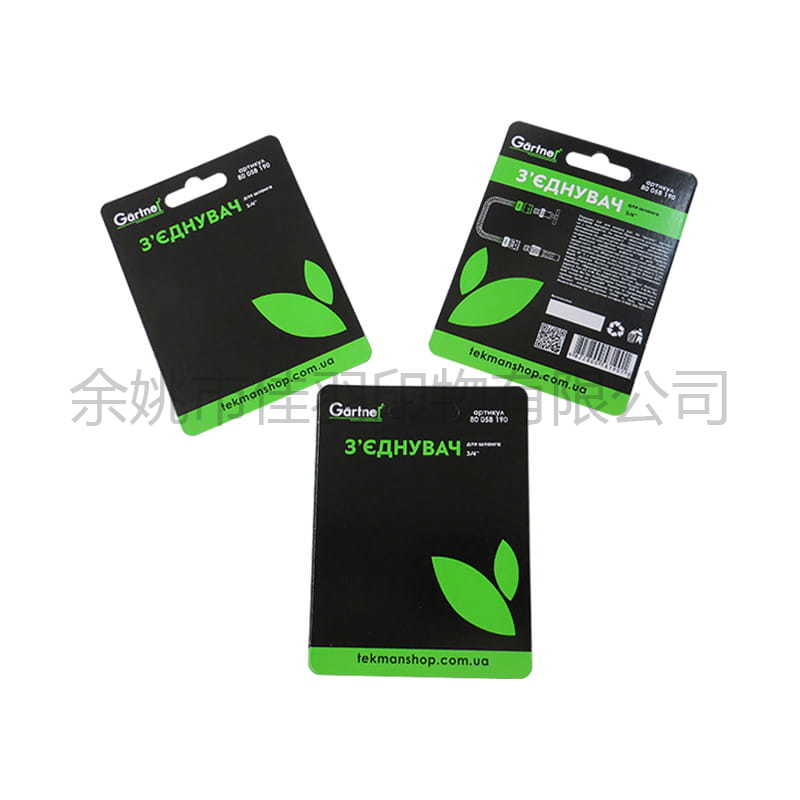 Custom White Paper Blister Card for Small ItemsA customizable white paper blister card for electronic devices, phones, and small items, with moisture, water, and dust resistance for practical retail protection.View Product →
Tableware and food service board
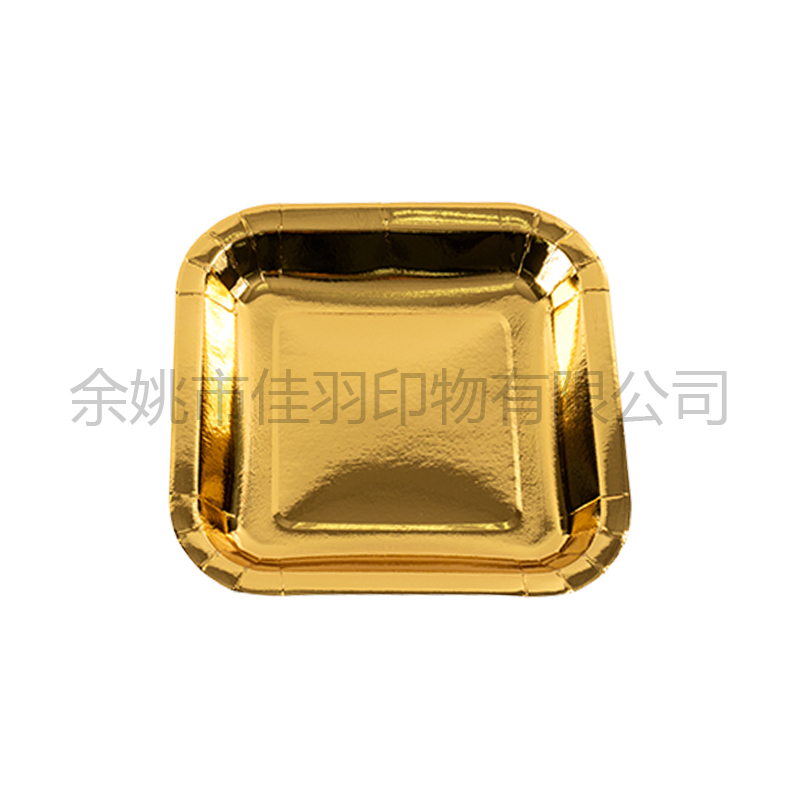
Paper plates, bowl rims, and cup walls use food grade board in the 200 to 350 gsm range. Weight matters less here than barrier performance. A 200 gsm board with a proper grease resistant coating can outperform a heavier uncoated sheet in a hot food application, and it costs less to ship. If the paper touches food, ask what the board is coated with and check how coating choices affect recyclability and food contact before deciding on weight alone.
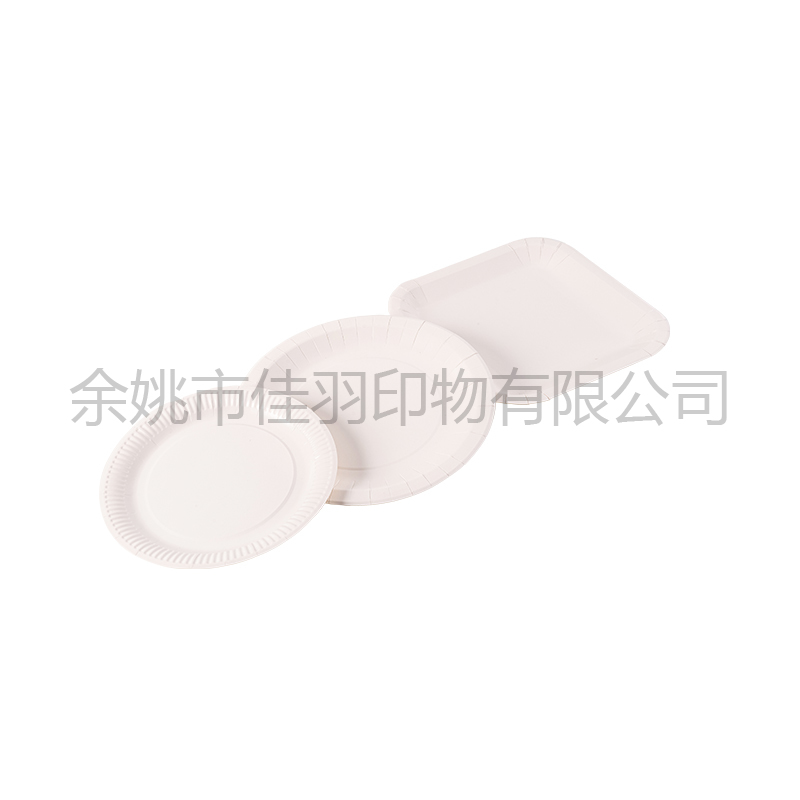 White Disposable Paper Plates in Round and Square ShapesA new series of disposable white paper plates in 9-inch round, 10-inch round, and 10-inch square options for dinners, banquets, and gatherings.View Product →
A Short Checklist for Buying by the Pound
- Identify the grade behind the pound figure: bond, text, cover, index, or bristol.
- Find the basis sheet size that belongs to that grade.
- Convert with the ratio, or look up the matching row in the table above.
- Ask for caliper or stiffness if the job depends on folding or feel.
- Request a physical swatch, not a screen image, before approving artwork on a new stock.
- Check the tolerance, since most mills allow plus or minus 5 percent on grammage, which is 10 gsm either way at 200 gsm.
Common Mistakes and What They Cost
- Assuming 200 gsm equals 80 lb cover. It does not. 80 lb cover is about 216 gsm, roughly 8 percent heavier per sheet.
- Reading lb text and lb cover as the same material. An 80 lb text sheet is about 118 gsm, less than two thirds the weight of 80 lb cover.
- Buying on weight when stiffness is the real requirement, which leads to crushed cartons and curling cards.
- Comparing coated and uncoated stock at the same grammage. Coating adds weight and closes the surface, so print results and fold behavior differ.
- Ignoring moisture. Paper is hygroscopic, and a 200 gsm sheet measured at 50 percent relative humidity will not measure the same after a week in a dry warehouse.
Frequently Asked Questions
Is 200 gsm the same as 80 lb cover?
No. 200 gsm is about 74 lb cover. The nearest common US grade is 80 lb cover at roughly 216 gsm, which is slightly heavier and noticeably stiffer.
How many points is 200 gsm paper?
Usually 7.5 to 9 pt for uncoated card and 6.7 to 7.5 pt for coated gloss. Points measure thickness rather than weight, so the range reflects differences in bulk between mills and finishes.
Is 200 gsm thick enough for business cards?
It works for a light, flexible card, but most business cards are printed on 250 to 350 gsm stock because the extra stiffness reads as quality in the hand. 200 gsm fits postcards, inserts, tags, and small cartons better.
Can 200 gsm board be used for packaging boxes?
Yes, for small cartons, sleeves, and inner trays. Anything that has to stack or ship without crushing usually needs 250 gsm or heavier, or a corrugated construction instead.
200 gsm is a useful mid range sheet, and in pounds it reads as 135 lb text, 74 lb cover, 110 lb index, or 53 lb bond. The number you quote depends on the grade the other side of the table is using, and getting that part right costs nothing but saves a reprint. Work with a printing and paper products supplier that quotes in both systems and always states the grade next to the pound figure, so the specification stays unambiguous from purchase order to delivery.

 English
 中文简体
中文简体 Español
 Deutsch

 No.71, Xiafan, Panxiang Village, Yangming Street, Yuyao City, China.
 491791889@qq.comsales@jiayuprint.com
 +86-13186866868
 +86-0574-62587484