Your job is approved at 199 gsm and the printer answers with a question: do you mean 110 lb index or 80 lb cover? It sounds like a trick, and it is not. In the North American paper trade, pounds is a basis weight, and every grade is weighed on its own basis size, so one metric figure lands on several different pound values. Pick the wrong one and the sheet that arrives can be thinner, floppier or flimsier than the sample you signed off.
Here is the short answer. 199 gsm is almost exactly 110 lb index. It is roughly 134 lb text, about 74 lb cover, around 53 lb bond and about 122 lb tag. The metric number never moves. The pound number almost always does.
199 gsm to lbs: the conversion table
The table below covers the grades you are most likely to see on a North American quote. Every pound value is correct for the basis size printed beside it, because the basis size is what makes the arithmetic work.
199 gsm converted to pounds across common US paper grades. The pound value changes because each grade is weighed on a different basis size, not because the paper changes.
| Grade |
Basis size (inches) |
199 gsm equals |
Typical use |
| Index |
25.5 x 30.5 |
110 lb |
Cards, dividers, menus, tabs |
| Bristol |
22.5 x 28.5 |
91 lb |
Postcards, tags, covers |
| Text and book |
25 x 38 |
134 lb |
Heavy text pages, covers |
| Cover |
20 x 26 |
74 lb |
Postcards, catalog covers |
| Bond and writing |
17 x 22 |
53 lb |
Forms, letterheads, envelopes |
| Tag |
24 x 36 |
122 lb |
Hang tags, folders, backing cards |
If you remember one line, make it the index row. In North America, 110 lb index and 199 gsm are treated as the same sheet, which is why card stock is quoted in index weights while European and Asian mills stay metric. Note as well that 80 lb cover, a common substitute, is 216 gsm, about eight percent heavier. That gap is enough to change how a finished piece folds, stacks and feels in a customer's hand.
Why pounds and gsm never match one to one
GSM is an absolute measurement. It is the mass of one square metre of paper, read off a scale, and it stays the same no matter how the sheet is later cut. Basis weight is a relative measurement. It describes the mass of 500 sheets cut to a size that belongs to a particular grade: 17 x 22 inches for bond, 25 x 38 for text, 20 x 26 for cover and 25.5 x 30.5 for index.
A 25 x 38 sheet has about 2.5 times the area of a 17 x 22 sheet, so an identical 199 gsm stock can honestly be sold as 53 lb bond or 134 lb text. Nothing about the paper changed. Only the reference sheet did.
The formula behind the table
One equation reproduces every number above. Divide the basis area in square inches into 1406.5, then multiply by the gsm.
lb = gsm x (basis length x basis width) / 1406.5
Working through the text grade: 199 x (25 x 38) / 1406.5 = 199 x 950 / 1406.5 = 134.4 lb. Running it the other way converts pounds back into gsm: 110 lb index becomes 110 x 1406.5 / (25.5 x 30.5) = 154715 / 777.75 = 198.9 gsm, which rounds to the 199 gsm you started with.
Both directions cover almost everything a buyer needs, but they only work when the basis size is known. A quote sheet that says 100 lb without naming the grade is not a specification. It is a guess.
What 199 gsm actually feels like
199 gsm sits in a useful middle zone. It is heavier than any brochure interior and lighter than most packaging board, which makes it a natural choice for cards, covers, hang tags and light cartons. Two sheets at the same gsm can still feel very different, because caliper depends on bulk rather than weight.
A coated sheet at 199 gsm usually measures between 0.20 mm and 0.24 mm, about 8 to 9.5 points. A bulky uncoated sheet can reach 0.30 mm, around 12 points, at exactly the same weight on the scale. Stiffness behaves the same way, growing roughly with the cube of thickness, so a sheet that is 20 percent thicker can be more than 60 percent stiffer.
Folding is the other practical concern. At this weight a fold is worth scoring, especially on coated stock, where the coating film can crack along the spine. A score line placed before folding keeps the printed surface clean and stops the fibres from splitting.
Where 199 gsm earns its place in cups, boxes and cards
On the converting side of the business, 199 gsm is very close to the board used for single-wall hot drink cups. Cups are normally made from 190 to 230 gsm food grade board, while a corrugated cup builds the same body from two lighter layers, which keeps the outside comfortable to hold while the inner wall keeps the drink hot.
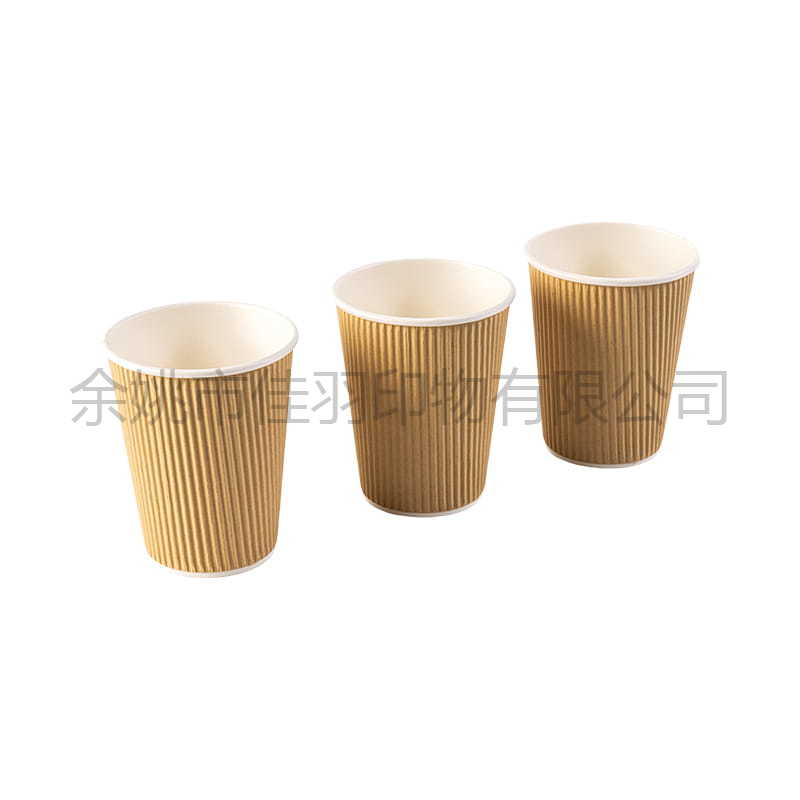 12 oz Corrugated Paper Coffee Cup Without LidA lidless 12-ounce coffee cup with a corrugated outer layer for comfortable holding; the page lists its dimensions, customization options, and hot-drink paperboard context.View Product →
A 12 oz corrugated cup shows what happens when a weight is chosen rather than inherited. The board has to be heavy enough to hold its shape when filled and light enough that the outer layer still folds cleanly on the cup machine.
Retail cartons tell a different story. Folding boxboard usually runs from 250 to 400 gsm, so 199 gsm is more likely to appear as an insert, a sleeve, a backing card or a lightweight gift box lid. The same weight that feels substantial in the hand disappears quickly when a box has to survive a pallet stack.
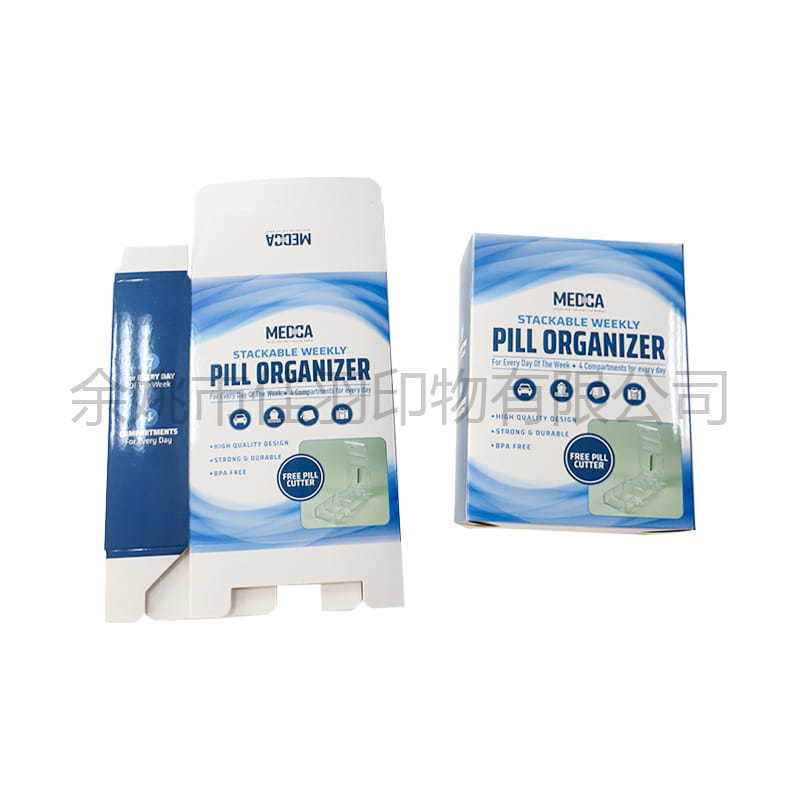 Custom White Card Color Paper Packaging BoxA customizable white cardboard box for gifts and retail items; its 199 gsm board suits lightweight packaging when converting quality is right.View Product →
White card color boxes are a good reminder that strength is not only about weight. A 199 gsm sheet with the right grain direction, a clean score and a well glued seam can outperform a heavier board with the grain running the wrong way.
The other end of the scale: 18 gsm napkins
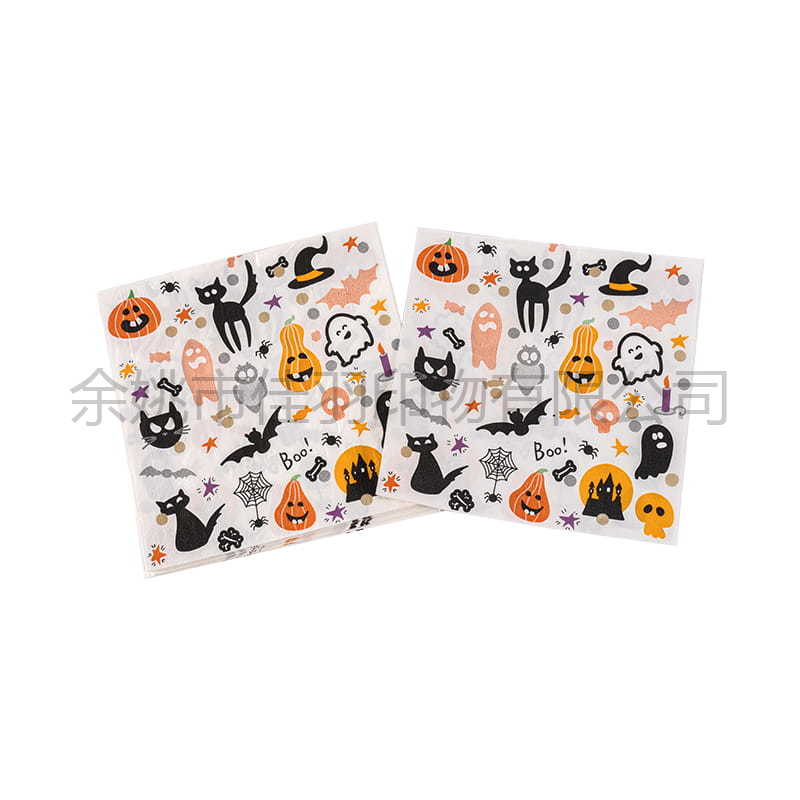
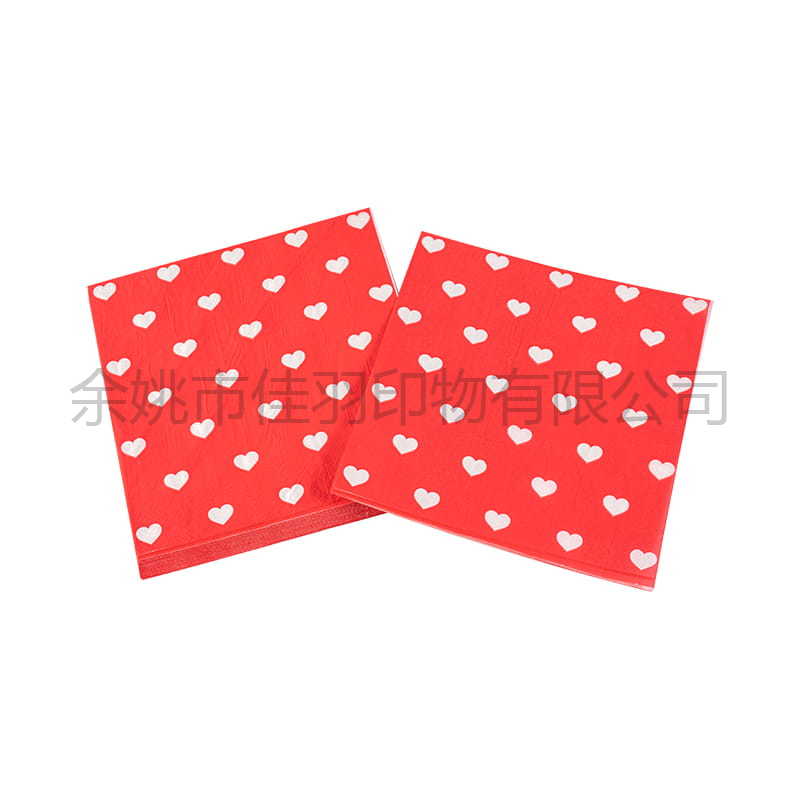
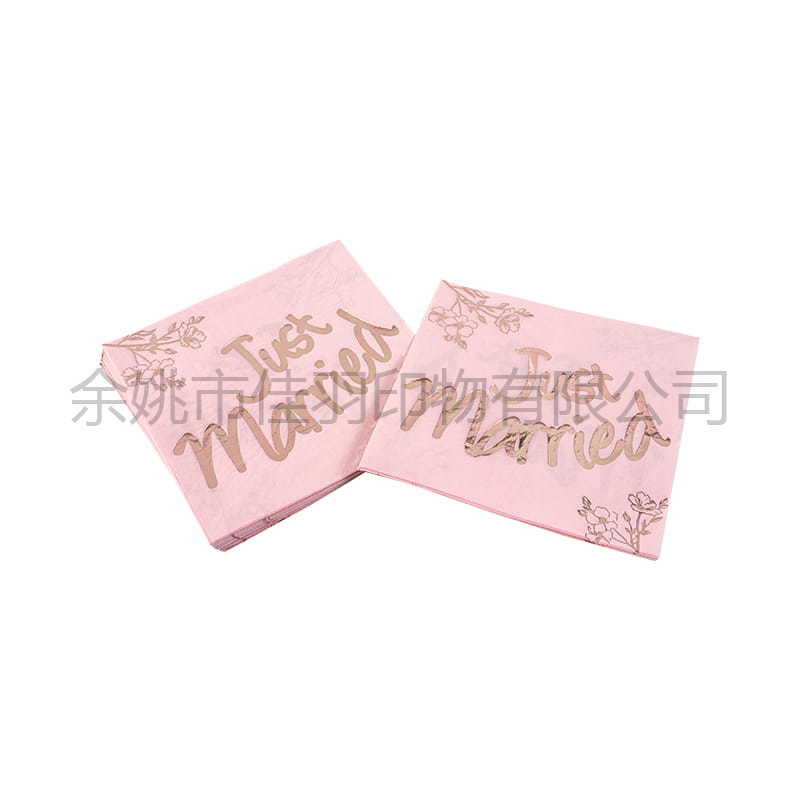
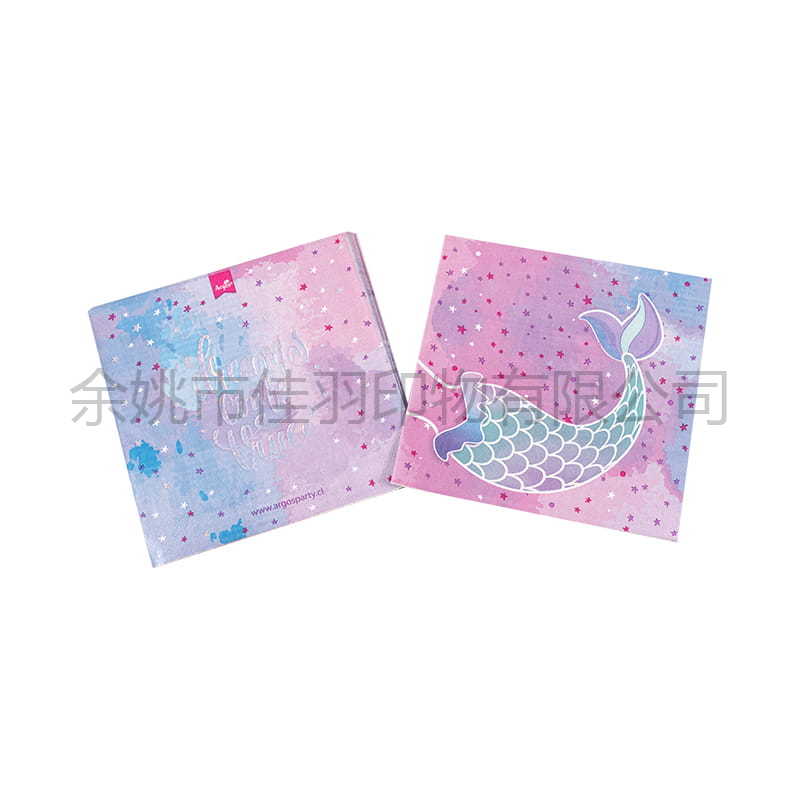
Walk through the same factory and you find the opposite extreme. A two layer paper napkin is typically made from 18 gsm tissue, about one eleventh the weight of the card stock discussed above, and it still has to survive a wet glass and a lap.
That contrast explains why paper weight causes so many arguments. On a napkin, 18 gsm is normal and 22 gsm feels generous. On a carton, 18 gsm would barely hold ink. The number means nothing until the grade and the job are known. Decoration follows the same logic, since hot stamping and embossing add a premium look without adding weight.
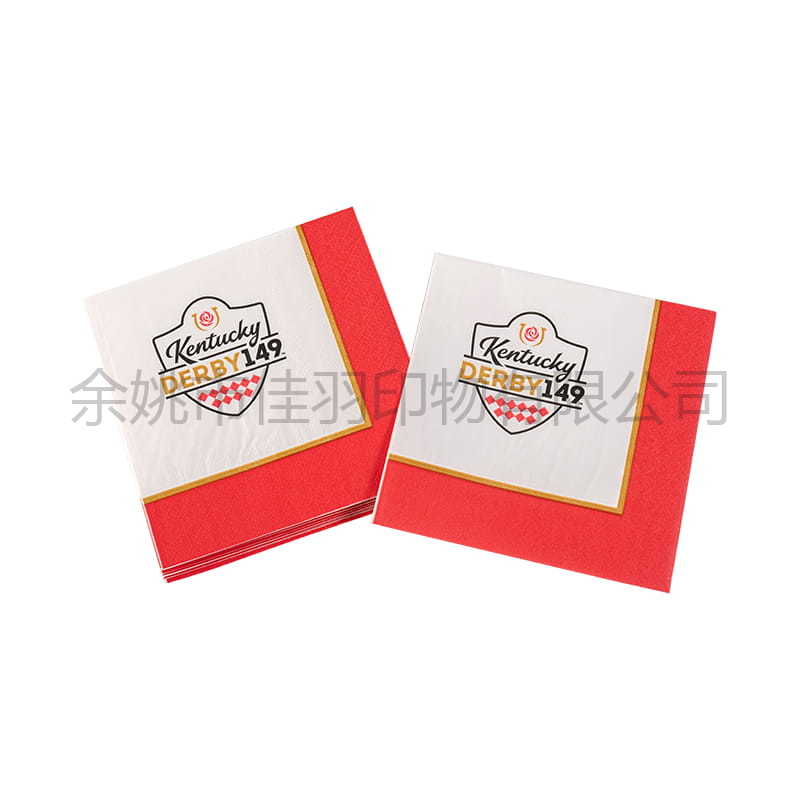
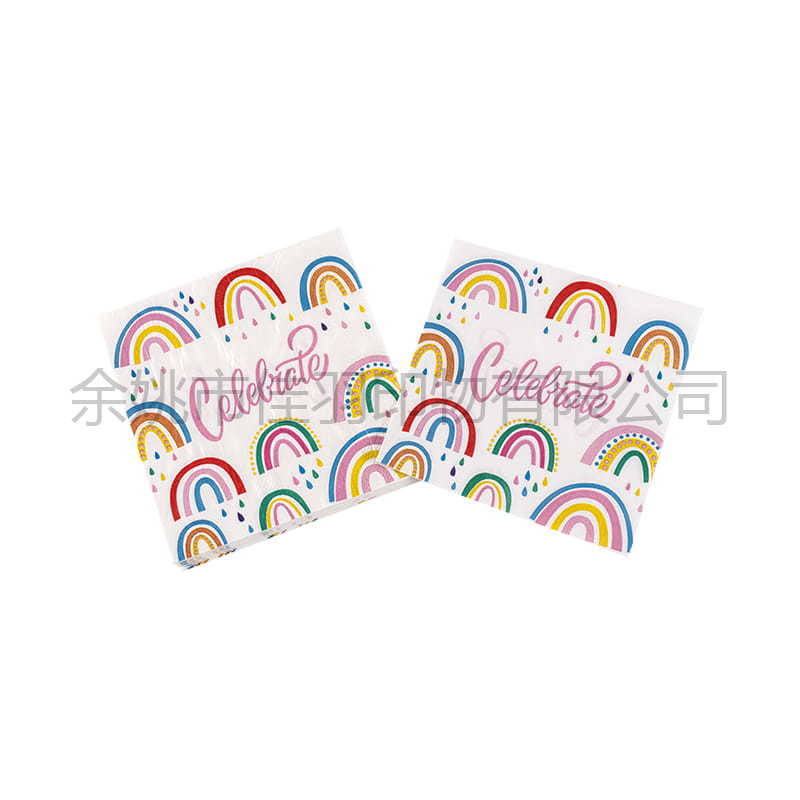
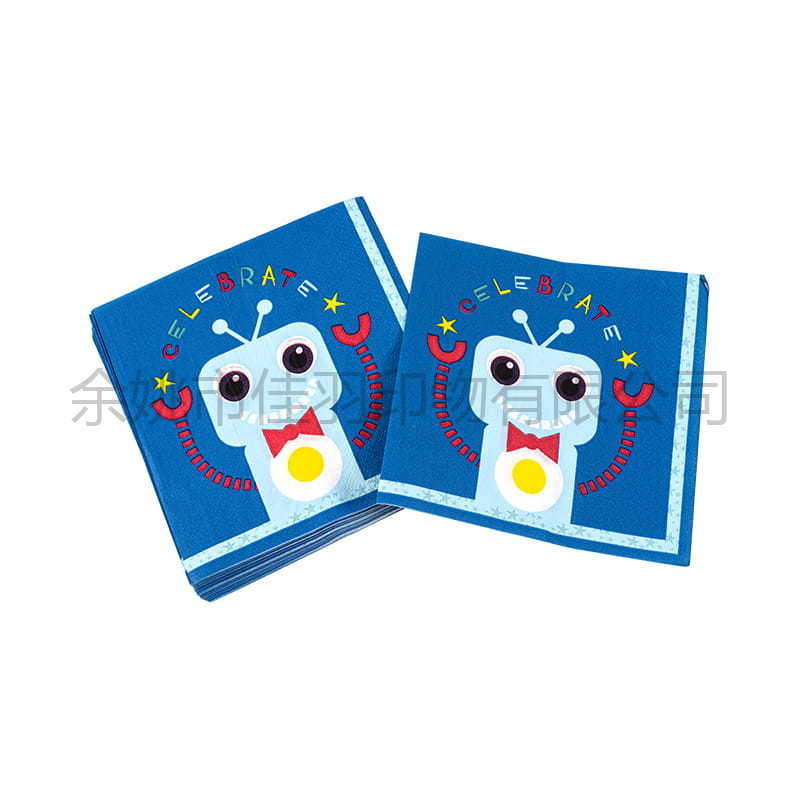
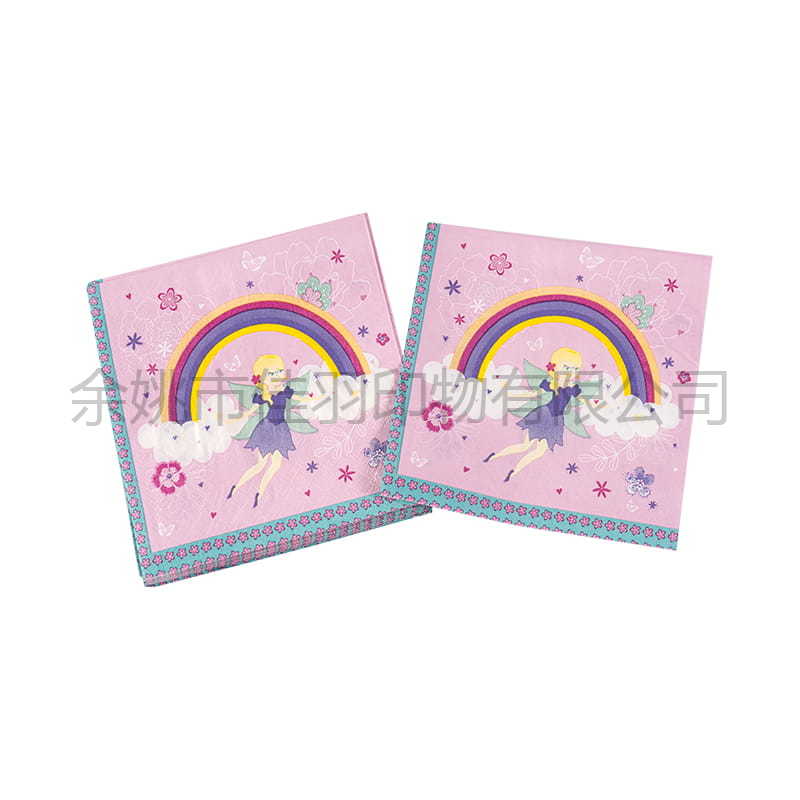
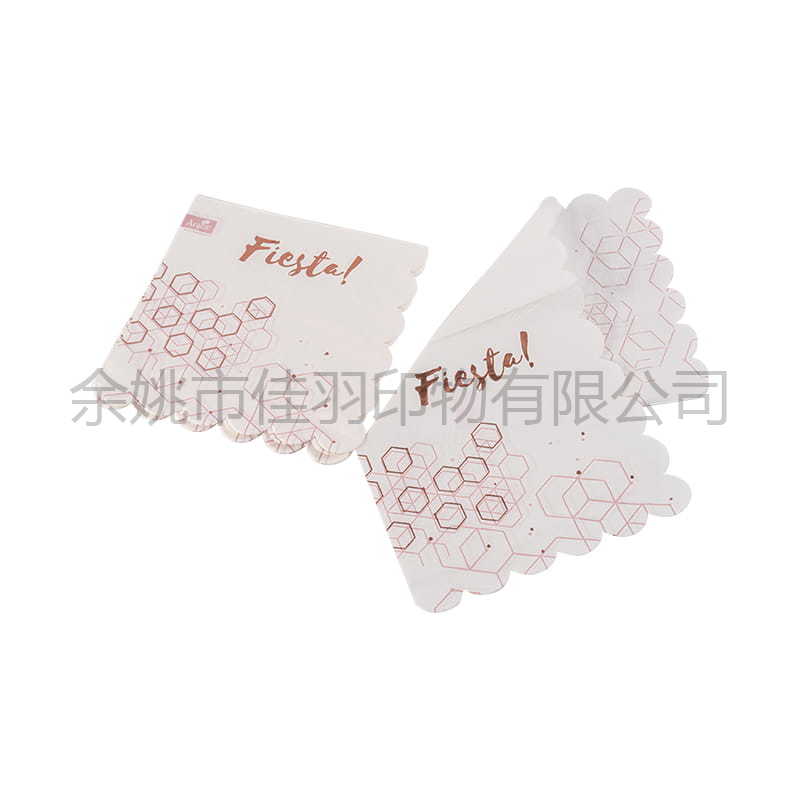 33 cm Hot Stamping Embossed Lace Paper NapkinA two-layer 33 cm tissue napkin with embossed lace and hot-stamping decoration; the page highlights softness, absorbency, and gift-friendly presentation for daily use.View Product →
Lighter products also carry the same compliance questions as heavy ones. Anything that touches food has to be made from material that meets food contact rules, which is why mills and converters have moved toward uncoated, PLA coated and PP coated board instead of older plastic films. Our own range of paper cups and bowls follows that reasoning.
How to specify paper weight without leaving room for error
Most disputes about paper weight are not really about arithmetic. They come from a specification that left one detail open. A complete line on a purchase order includes:
- Weight in both units, written as 199 gsm (110 lb index) rather than one or the other.
- The basis size behind the pound value, so any buyer or mill can check the conversion.
- A caliper target in millimetres or points, with a stated tolerance, because gsm and thickness are related but not identical.
- Grade and finish, since coated, uncoated and bulky sheets behave differently at the same weight.
- Grain direction, which decides how the finished piece folds and how it feeds through a press.
- A retained sample from the previous run, so the new delivery can be compared against something physical.
One extra habit saves money. Write the tolerance into the order. A five percent swing on 199 gsm is about 10 gsm, which is enough to be felt in a stack of 500 sheets but small enough that a mill will ignore it unless you raise it first.
Questions worth sending to your supplier
Before you approve a proof, ask these five questions. The answers take a few minutes and prevent most reprints.
- Which grade and basis size did you use for the pound figure in the quote?
- What is the measured caliper of the delivery, and what tolerance applies to it?
- Is the board food contact approved, and is the coating PE, PLA or water based?
- What is the minimum order quantity, and does it change if we move from 199 gsm to 230 gsm?
- Can you send a sample of the exact stock, not only a printed proof?
Converting 199 gsm to pounds is easy once the basis size is on the table: 110 lb index, 74 lb cover, 134 lb text, 53 lb bond and 122 lb tag. What matters more is remembering that a pound value is a description, not a measurement. Ask for the grade, the basis size and the caliper, and the conversation stops being about arithmetic and starts being about the job.
At Yuyao Jiayu Printing we work in both systems every day, from 18 gsm napkins through to 400 gsm cartons, and we are glad to check a conversion before the paper is ordered.

 English
 中文简体
中文简体 Español
 Deutsch



 No.71, Xiafan, Panxiang Village, Yangming Street, Yuyao City, China.
 491791889@qq.comsales@jiayuprint.com
 +86-13186866868
 +86-0574-62587484