A spec sheet that reads 250 gsm cardstock looks unambiguous until three quotes come back with three different answers. One printer calls it 90 lb cover, a book printer calls the same board 169 lb text, and a stationery buyer in the United States calls it 67 lb bond. All three are correct, because pound ratings describe the weight of 500 sheets at a base size that changes from one paper grade to the next.
The short answer before the detail: 250 gsm cardstock is roughly 92 lb cover stock, about 169 lb text or book paper, close to 67 lb bond, and near 138 lb index. If the job is a greeting card, a hang tag, a postcard or a light folding carton, the cover figure is the one that belongs on the purchase order. If the sheet is going into a book block or a printed insert, text is the correct reference. Getting that one word wrong can shift the delivered sheet by more than half its weight.
250 gsm cardstock to lb: the conversions that matter
Every grade in the pound system has its own base sheet size, and the pound value only makes sense inside that grade. The table below converts one 250 gsm sheet into the ratings a supplier working in pounds is likely to quote.
Pound ratings assume 500 sheets weighed at the base sheet size of each grade; figures are rounded to the nearest pound.
| Grade in the pound system |
Base sheet, 500 sheets |
250 gsm is approximately |
| Cover stock |
20 x 26 in |
92 lb |
| Text and book |
25 x 38 in |
169 lb |
| Bond and writing |
17 x 22 in |
67 lb |
| Index |
25.5 x 30.5 in |
138 lb |
| Tag |
24 x 36 in |
154 lb |
| Bristol |
22.5 x 28.5 in |
114 lb |
Two reference points help when comparing quotes. 80 lb cover is about 216 gsm and 100 lb cover is about 270 gsm, so 250 gsm falls between them and lands nearer the 90 lb mark. For packaging board sold by area instead of by ream, 250 gsm equals roughly 51 lb per 1000 square feet, which is the unit many liner and carton buyers use.
Why one grammage becomes several pound values
Grammage is an absolute measure: grams per square meter, tested under ISO 536. It describes the sheet itself, so 250 gsm means the same material whether the mill is in Asia, Europe or the Americas. Pound weight is not absolute. It is the mass of a ream of 500 sheets cut to the base size of one specific grade, which is exactly why the same sheet carries a different pound number for cover, text, bond and index.
The arithmetic for cover stock shows where the 92 lb figure comes from. A 20 x 26 inch cover base sheet is 520 square inches, so 500 sheets cover about 167.7 square meters. At 250 grams per square meter that ream weighs about 41.9 kilograms, or 92 pounds. Run the same calculation on a 25 x 38 inch text base sheet and the ream covers 306.5 square meters, which is why the identical board reads 169 lb text.
The 1.5 rule and where it breaks
A widely repeated shortcut says gsm divided by 1.5 gives pounds, and pounds multiplied by 1.5 gives gsm. It works reasonably well for one family of grades, text and book papers. For 250 gsm the rule returns about 167 lb, which is close to the 169 lb text value in the table above.
Applied to cover stock the same rule fails badly. 250 divided by 1.5 suggests a 167 lb cover sheet, but 167 lb cover is close to 450 gsm, roughly 1.8 times the material that was specified. A carton built from that board will resist folding at the score lines, may sit unevenly in a retail display and can push a mail piece over its weight limit. When a supplier quotes pounds for a cardstock job, confirm three things: the grade, the base sheet size and the grammage equivalent. If any of the three is missing, the quote cannot be compared with another quote.
Weight is not thickness: the caliper check
Two 250 gsm sheets can differ by a third in thickness. Bulky uncoated boards commonly measure 0.28 to 0.31 mm, while dense coated sheets of the same weight often sit nearer 0.24 to 0.26 mm, which is roughly 9.5 to 12 points. Caliper, not grammage, decides whether a 250 gsm carton looks solid in the hand and whether it stands up on a shelf.
Stiffness is the second hidden variable. Bending resistance, measured in the laboratory under standards such as ISO 2493, changes with fibre type, coating and grain direction, so a sheet with the grain running along the fold feels noticeably firmer than the same sheet folded across the grain. For anything that has to hold shape, ask for a sample and a caliper figure in millimetres or points rather than accepting a weight alone. Allow a realistic tolerance as well: movement of about 5 percent on grammage is normal, and the moisture held in the sheet shifts with the humidity of the storage area.
What a 250 gsm sheet is used for
In daily print work, 250 gsm sits in the light cardstock band. It is heavy enough to feel like a card and light enough to fold, mail and die cut without cracking. Typical jobs include greeting cards, hang tags, printed inserts, postcards, brochure covers, loyalty cards and small folding cartons. Material between 250 and 300 gsm is the usual choice for greeting cards, hang tags and inserts that do not need to carry a heavy load, while above 300 gsm the sheet starts to behave more like a rigid board than a printable card.
Retail packaging is the other frequent home for this weight. Peg hook cards, blister cards and sleeve cards are normally die cut from coated board in this range so the pack holds a product without buckling and still fits standard hanging hardware.
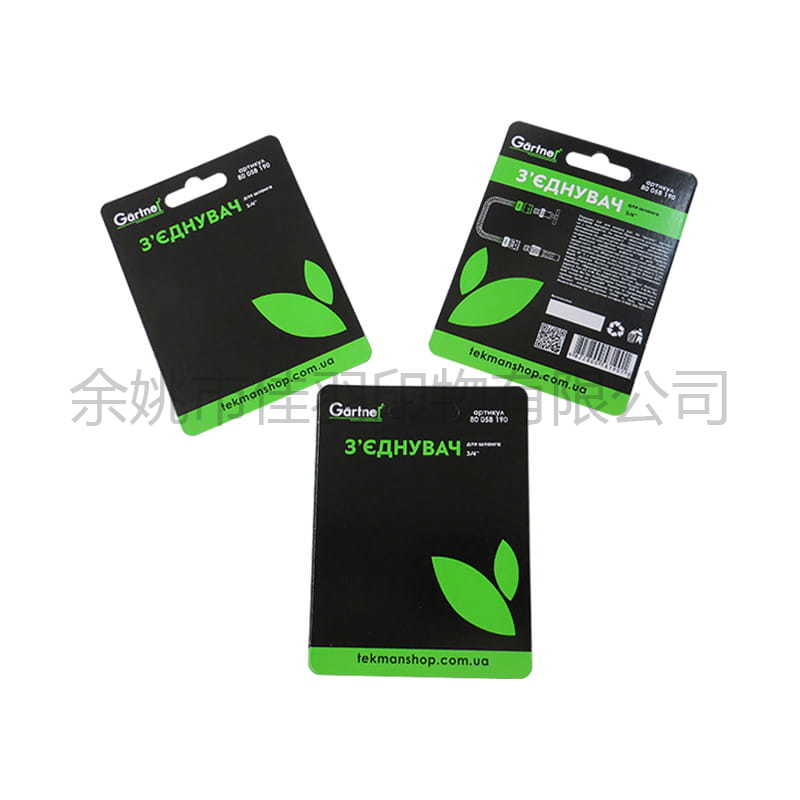 Custom White Paper Blister Card for Retail PackagingDesigned to protect small items and support retail hanging displays, this white paper blister card offers waterproof, dustproof, reusable packaging.View Product →
Folding cartons and packaging: converting pounds the right way
Folding cartons are usually specified between 250 and 400 gsm. At the lower end, 250 gsm suits small cartons, cosmetics sleeves, tea and confectionery packs and lightweight retail boxes where each panel spans less than a hand width. Once a panel grows beyond roughly 100 mm and the carton has to stay square, moving to 300 or 350 gsm is the safer choice, because bending resistance drops as panel length increases.
Packaging suppliers in North America often work in pounds per 1000 square feet rather than in reams. The conversion factor is simple: one pound per 1000 square feet equals 4.88 grams per square meter, so 250 gsm is about 51 lb per 1000 square feet. Confusing that unit with a ream based rating such as 92 lb cover is a genuine risk in mixed supply chains, so label the unit on every specification line.
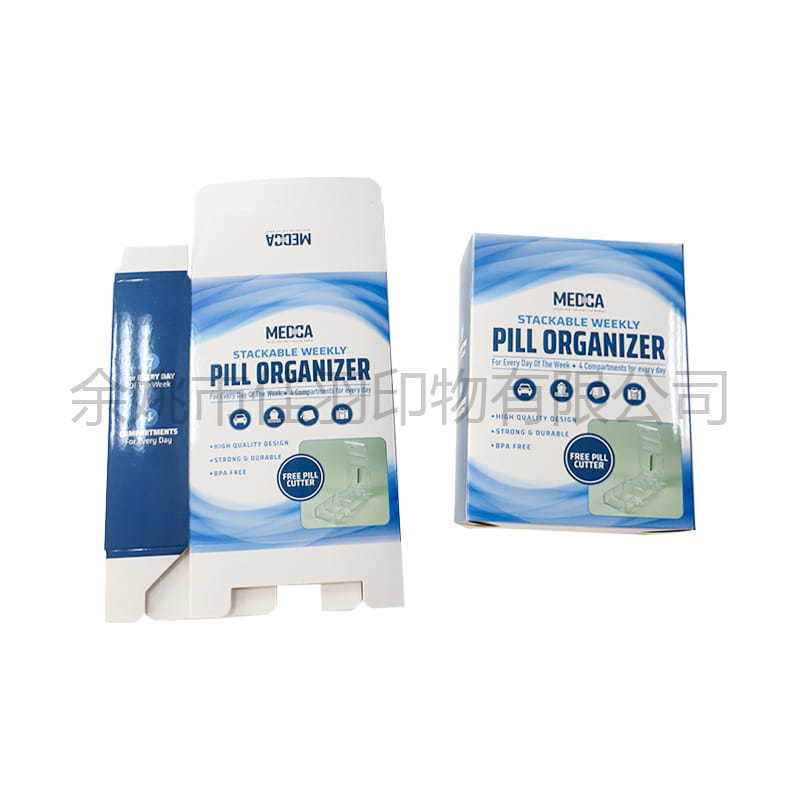 Custom White Card Color Paper Box for GiftsCustomizable white card paper box for gifts and accessories, with a smooth printable surface and recyclable cardboard for paperboard packaging decisions.View Product →
Cup stock and food service board in the same weight band
The 250 to 280 gsm band also appears in single wall hot drink cups. Cup board needs enough stiffness to hold a full 12 oz serve without flexing, and enough smoothness to print cleanly on a curved surface. The barrier coating, whether polyethylene, PLA or a water based layer, adds only a few grams per square meter, but it changes how the board converts, how it seals and whether the finished cup satisfies the food contact rules of the destination market.
This category also shows why both numbers should appear on an approval sheet. A cup quoted at 250 gsm and a cup quoted at 90 lb cover can be the same board, while a cup quoted at 250 gsm and one quoted at 250 lb per 1000 square feet are nowhere near each other. Coating choice is reviewed for recyclability as well, a subject covered in our note on paper cups and bowls and environmental choices.
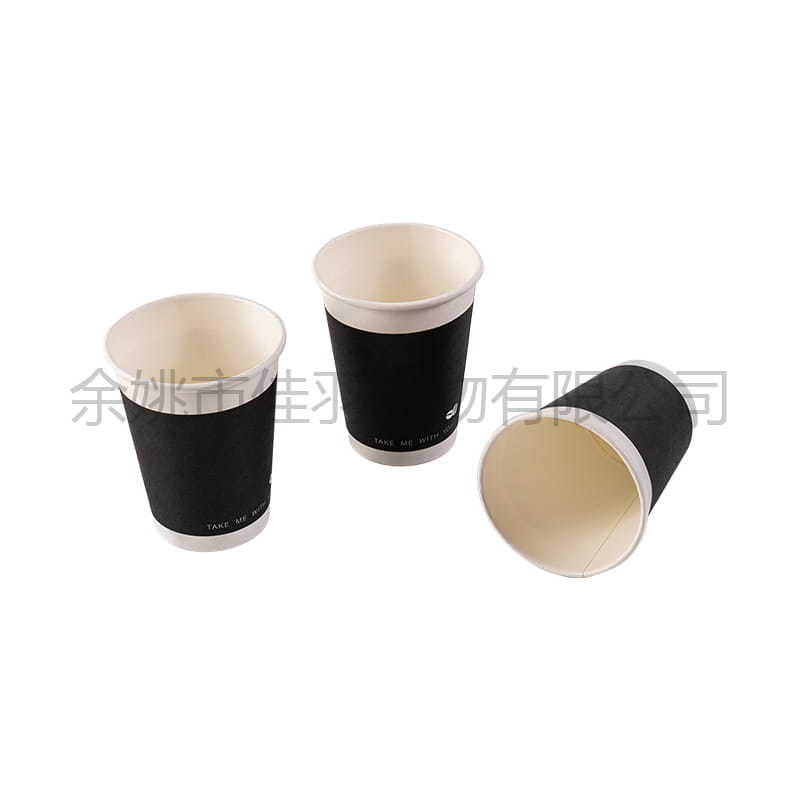 12oz Eco-Friendly Coffee Paper Cup for Hot DrinksWhen reviewing cup board and coating choices, this 12 oz cup combines recyclable paper construction with a comfortable drinking design.View Product →
How to write a 250 gsm cardstock specification that cannot be misread
- State grammage with a tolerance, for example 250 gsm plus or minus 5 percent.
- If pounds are used, name the grade and the base size, for example 92 lb cover on a 20 x 26 inch base.
- Add caliper in millimetres or points, for example 0.28 mm or 11 pt.
- Describe the surface: coated one side, coated two sides, uncoated, matte or gloss.
- Note the grain direction if the sheet will be folded, bound or formed.
- Ask for a physical sample or swatch and approve it before the production run.
- For food contact or child use items, request the coating declaration together with the sample.
These seven lines remove almost every conversion argument, and they travel well across languages when the printer, the converter and the brand team sit in different countries. A supplier that handles printing and paper converting under one roof can usually answer a gsm and caliper question with a real sample instead of a chart, so it is worth reviewing the range of print and paper converting work before the next order goes out.
The rule to keep in mind is simple. Grammage is the fact; pounds are a description of that fact in a local language. A 250 gsm cardstock is 92 lb cover, 169 lb text, 67 lb bond or 138 lb index depending on which base size the quote uses, and none of those numbers is wrong. What is wrong is leaving the grade off the order, because that is the fastest way to receive 450 gsm board when a 250 gsm card was requested.

 English
 中文简体
中文简体 Español
 Deutsch


 No.71, Xiafan, Panxiang Village, Yangming Street, Yuyao City, China.
 491791889@qq.comsales@jiayuprint.com
 +86-13186866868
 +86-0574-62587484