Two spec sheets land on the same desk. One calls for 300 gsm card stock, the other for 110 lb cover. Both were written by the same brand for the same run of printed blister cards, and neither buyer realizes the two figures describe almost the same sheet of board. That gap is what sits behind most searches for 300 gsm to lbs, because the arithmetic is easy but the answer is only right when you know which pound grade the number belongs to.
The answer first: 300 gsm is about 203 lb text, 111 lb cover, 80 lb bond, 152 lb index, 137 lb vellum Bristol, or 184 lb tag stock. Every one of those figures is correct. The grade decides which one your printer means, and it also decides whether the board that arrives will fold properly, stand up in a display, or feel right in a customer's hand.
300 GSM to LBS: The Short Answer for Every Common Grade
A pound rating in the United States and a grammage rating in metric markets measure different things. Grammage tells you the weight of one square meter of paper. A pound rating tells you the weight of 500 sheets cut to the basis size of a specific grade. Because bond, text, cover, index, and tag papers each use a different basis sheet, the same physical paper ends up with a different pound value in every family.
Table 1: 300 gsm converted into pound ratings across the basis sizes used most often in commercial printing and packaging.
| Grade family |
Basis size in inches |
Area of one basis sheet, square meters |
Pounds per gsm |
300 gsm equals |
| Bond and writing |
17 x 22 |
0.241 |
0.266 |
80 lb bond |
| Cover and card |
20 x 26 |
0.336 |
0.370 |
111 lb cover |
| Vellum Bristol |
22.5 x 28.5 |
0.414 |
0.456 |
137 lb Bristol |
| Index |
25.5 x 30.5 |
0.502 |
0.508 |
152 lb index |
| Tag and news |
24 x 36 |
0.557 |
0.615 |
184 lb tag |
| Text, offset, and book |
25 x 38 |
0.613 |
0.676 |
203 lb text |
Read the table from top to bottom and the pattern is simple. The larger the basis sheet, the higher the pound figure that describes the same 300 gsm paper. Bond uses the smallest sheet, so 300 gsm sounds moderate at 80 lb, while text paper, whose basis sheet is about two and a half times larger, reports 203 lb for the identical weight of fiber. This is why a mill can send a 111 lb cover sheet in answer to a 300 gsm request and still be exactly on specification.
How the 300 GSM to LBS Formula Works
The conversion is not a fixed ratio. It is a ratio tied to area. One basis sheet of a given grade has a known area in square meters. Multiply that area by 500 sheets, multiply again by the grammage, then divide by 453.592 grams per pound. The result is the pound rating for that grade.
The formula in one line
lbs = gsm x (area of one basis sheet in square meters x 500) / 453.592
Worked example: 300 gsm to lb text
- Convert the basis size to meters. A 25 x 38 inch text sheet is 0.635 m by 0.965 m.
- Find the area of one sheet. 0.635 x 0.965 = 0.613 square meters.
- Multiply by 500 sheets. 0.613 x 500 = 306.5 square meters per ream.
- Multiply by the grammage. 306.5 x 300 gsm = 91,950 grams.
- Divide by 453.592 grams per pound. 91,950 / 453.592 = 202.7, which rounds to 203 lb text.
Run the same five steps on a 20 x 26 inch cover sheet and you get 110.9, or 111 lb cover. The multipliers that estimators keep on a card are simply these results per grade: text 0.676, cover 0.370, bond 0.266, index 0.508, tag and news 0.615, vellum Bristol 0.456. To go the other way, divide by the multiplier. Multiply 203 lb text by 1.48 and you are back at 300 gsm.
Where 300 GSM Board Shows Up in Real Print and Packaging Jobs
300 gsm is a working weight rather than a theoretical one. It turns up in folding cartons, printed blister cards, packaging inserts, display boxes, gift boxes, and heavy paper tableware.
Folding cartons and gift boxes. Coated one side and coated two side board at 300 gsm sits behind a large share of mid size retail cartons, cosmetics boxes, and gift boxes. Caliper at that weight typically runs about 0.30 to 0.40 mm depending on coating and bulk, which is thick enough to hold a printed surface flat and thin enough to score and fold cleanly on an automatic gluer.
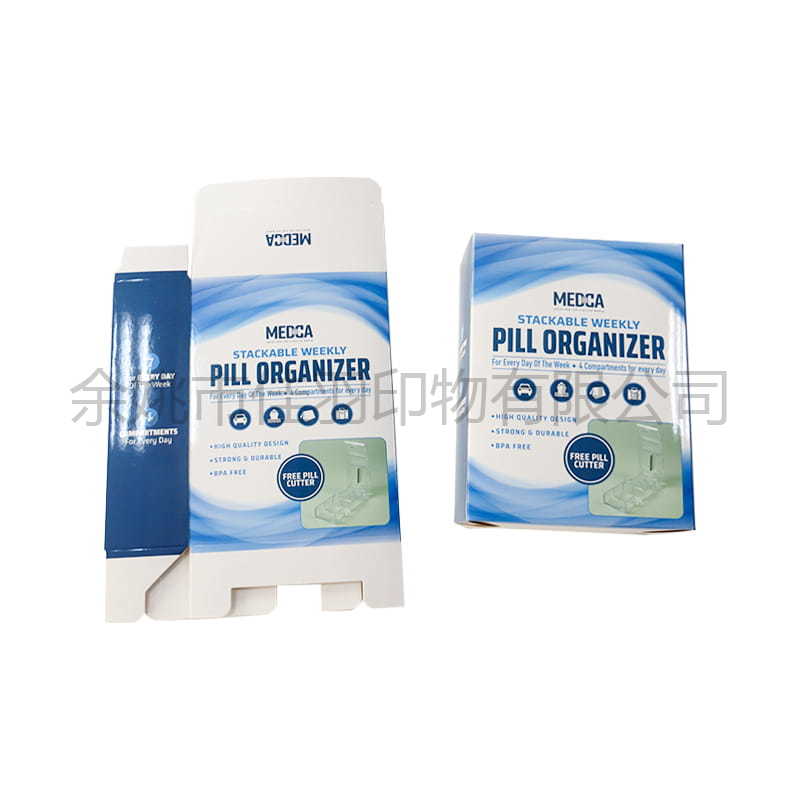 Custom White Card Color Paper BoxA customizable white card box for gifts, accessories and collectibles, offering smooth printable surfaces, recyclable construction and size options for packaging inquiries.View Product →
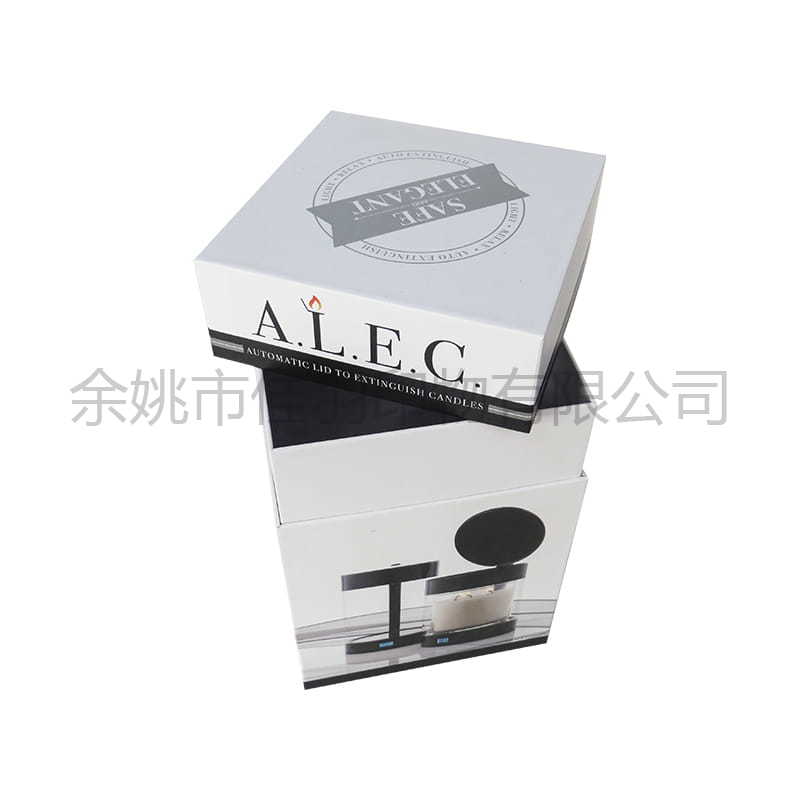 Square Heaven And Earth Cover Gift Paper BoxClassic customizable gift box with a heaven-and-earth lid, high-grade materials and lining options, suited to high-end gifts and business packaging.View Product →
Blister cards and hanging cards. A 300 to 350 gsm white card gives a retail hanger enough stiffness for a punch hole and a sealed blister while still printing fine type and barcodes cleanly. Buyers who ask for 110 lb cover are usually requesting this same sheet, which is where the grade label matters most, because a 110 lb text sheet would be roughly half the weight.
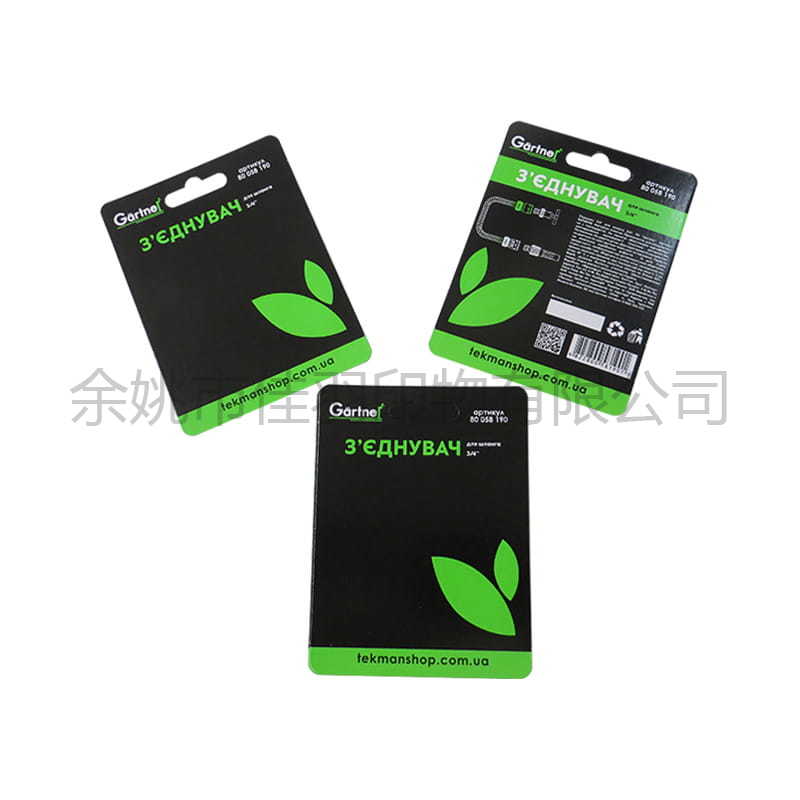 Custom White Paper Blister CardCustom white paper blister card for protecting small items, described as waterproof, moisture-proof and reusable for office, school and hospital packaging use.View Product →
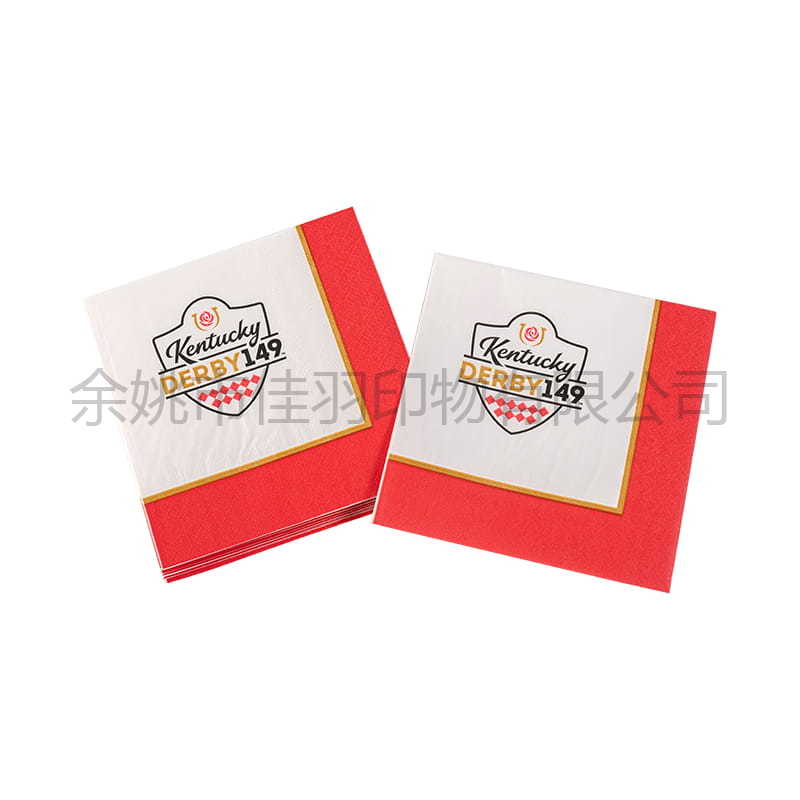
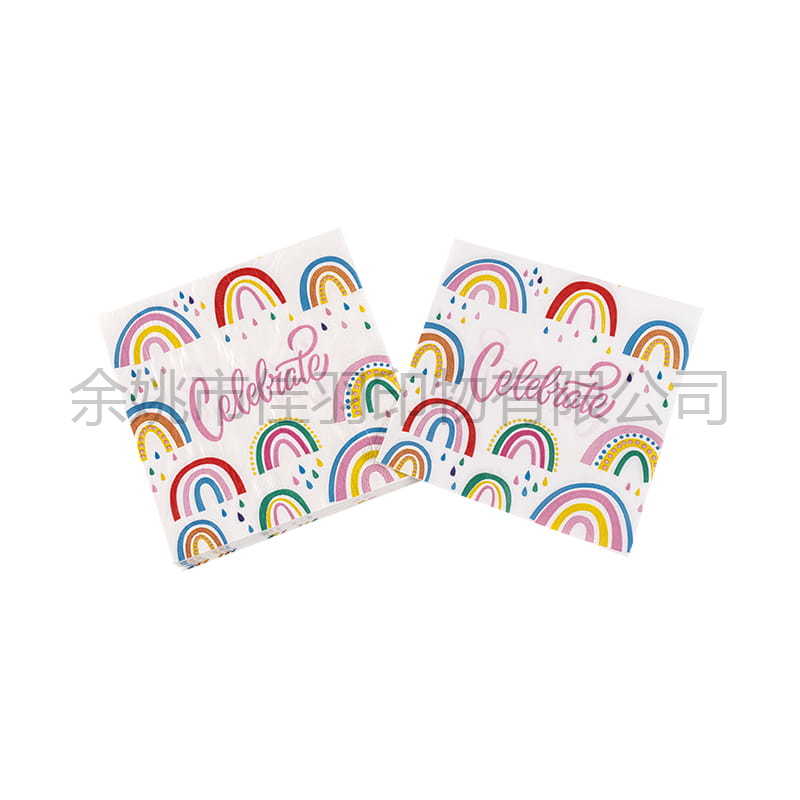
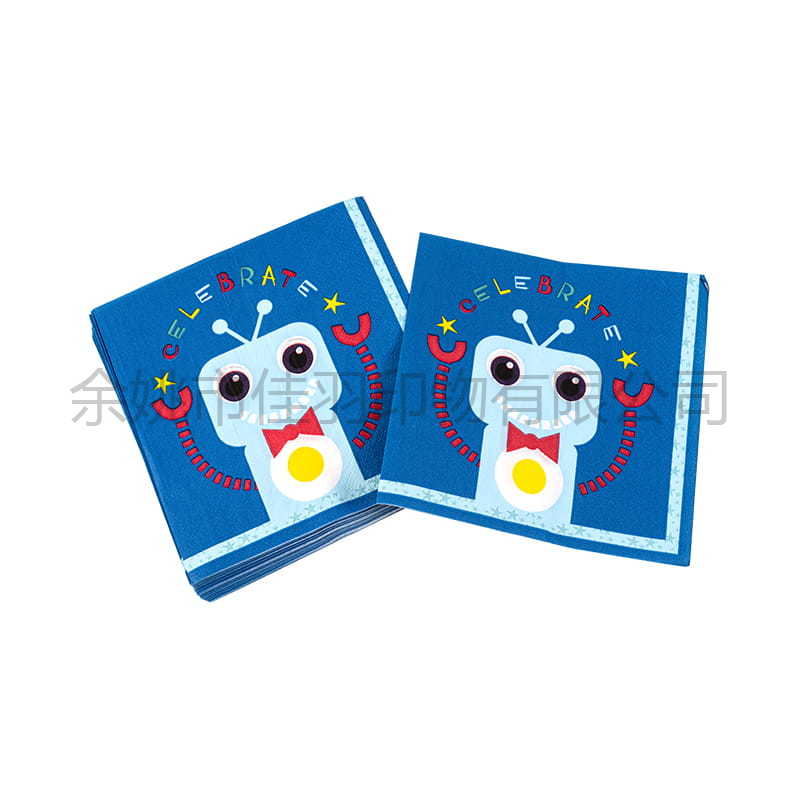
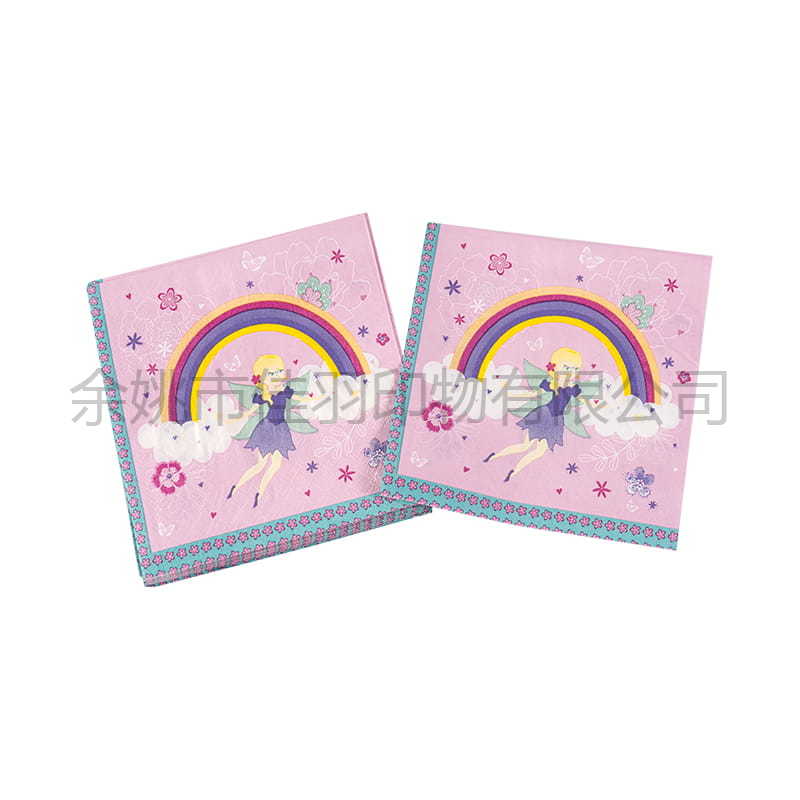
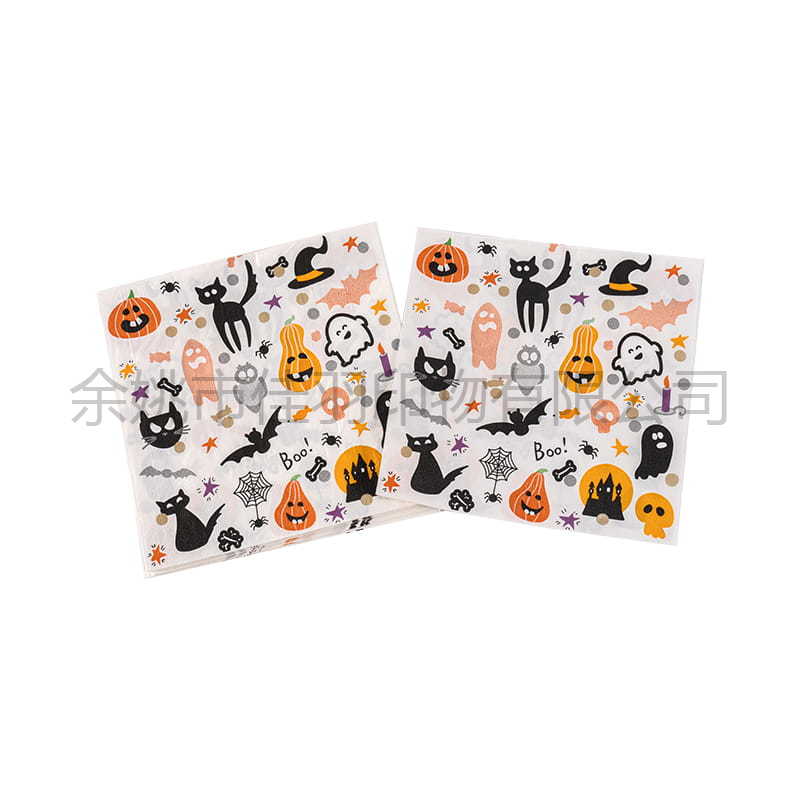
Paper tableware. The same conversion logic runs on a different scale in disposable tableware. Napkins are quoted at 18 gsm in almost every market because pound ratings become impractical at tissue weights, while plates, bowls, and cup bodies move into much heavier board. Hot cup bodies are commonly formed from cup stock in the 250 to 300 gsm range, and a plate built for a loaded dinner service needs comparable stiffness.
Checks Before You Approve a 300 GSM Specification
A grammage figure on its own is a thin specification. Six checks close the gaps that cause most reprints and rejected deliveries.
- Name the grade next to the number. Write 300 gsm C1S cover board or 300 gsm uncoated woodfree text, never just 300 gsm.
- Request grammage and caliper together. Two 300 gsm boards can differ noticeably in thickness because of coating and bulk, and folding performance follows thickness as closely as weight.
- Agree on the tolerance in writing. Grammage is measured under the ISO 536 test method, and trade tolerances commonly allow about plus or minus 5 percent, so a 300 gsm delivery may arrive between roughly 285 and 315 gsm and still be accepted.
- Confirm the surface and the coating. Coated, uncoated, matte, gloss, and food contact coatings behave differently in printing, gluing, and grease resistance. Where food touches the sheet, ask which barrier coating is used, since plastic free, PLA, and PP coatings are not interchangeable. This overview of material choices in paper food service packaging is a useful starting point.
- Check grain direction against the fold. A 300 gsm sheet scored across the grain can crack at the spine even when the weight is perfect.
- Approve a physical sample and a printed proof before the run, and keep the approved board as the reference for the next order.
Conversion Mistakes That Cost Money
- Treating 300 gsm as 300 lb. Ordinary commercial grades have no 300 lb sheet, and the two systems do not share a scale.
- Comparing a cover rating with a text rating. A 110 lb cover sheet is roughly twice the weight of a 110 lb text sheet.
- Using the text multiplier on packaging board. The 0.676 factor belongs to a 25 x 38 inch sheet, not to a 20 x 26 inch cover sheet, where 0.370 applies.
- Specifying weight and ignoring caliper. Display boxes and cup bodies depend on stiffness, and stiffness follows thickness.
- Leaving the basis size off the purchase order. Without it, the supplier has to guess, and the first time you learn the answer may be on the filling line.
Buying Paper and Print in Both Systems
The practical fix for mixed metric and imperial specifications is to put both units on the purchase order and to work with a printer that converts between them as a routine step rather than as a special request. Yuyao Jiayu Printing runs metric board specifications and US pound specifications through the same facility, printing on Heidelberg presses and forming paper napkins, plates, bowls, cups, cards, and boxes in house, with more than 40 paper cup production lines and a research team that develops products from customer drawings or samples. The result is that a 300 gsm request and a 111 lb cover request arrive at the same board weight, which is a shorter route to custom printed paper products that match the approved sample on the first delivery.
300 gsm to lbs comes down to one habit: convert with the grade, never with a single universal number. Keep the multiplier for each grade on the spec sheet, list both units on the order, and confirm caliper and coating alongside the weight. That is the difference between a delivery that matches the proof and a run that has to be printed twice.

 English
 中文简体
 Español
 Deutsch




 No.71, Xiafan, Panxiang Village, Yangming Street, Yuyao City, China.
 491791889@qq.comsales@jiayuprint.com
 +86-13186866868
 +86-0574-62587484
