A buyer can specify A4 bond paper correctly and still receive the wrong sheet. The reason is simple. A4 is a size, bond is a paper grade, and local trade names often replace both. The core figure to confirm is 210 mm by 297 mm, or 8.27 in by 11.69 in. Once that size, the grammage, the grain direction, and the cutting tolerance are written on the purchase order, most printing and supply problems disappear.
A4 bond paper size at a glance
A4 bond paper measures 210 mm by 297 mm. In centimeters the same sheet is 21.0 cm by 29.7 cm, and in inches it is 8.27 in by 11.69 in. The area is 0.06237 square meters. The sheet is half of A3 and twice A5, with an aspect ratio of 1 to 1.414. The word bond does not change these dimensions. A4 remains an ISO 216 format whether the sheet is made as bond, copy paper, or another writing grade.
ISO A4 is a fixed 210 x 297 mm sheet. Letter, Legal, and common Long bond are regional formats, so they should never be ordered by name alone.
| Format |
Width x length in mm |
Width x length in inches |
Typical use |
| A4 |
210 x 297 |
8.27 x 11.69 |
International office printing, letterheads, contracts, brochures |
| US Letter |
216 x 279 |
8.5 x 11 |
US and Canada office default |
| US Legal |
216 x 356 |
8.5 x 14 |
US legal documents and forms |
| Long bond, common in the Philippines |
216 x 330 |
8.5 x 13 |
Local business forms and school work |
| A5 |
148 x 210 |
5.83 x 8.27 |
Half A4, booklets, notepads |
US Letter is 6 mm wider and 18 mm shorter than A4. US Legal is 59 mm longer than A4. A common Long bond sheet is 33 mm longer. Those differences look small on a screen, but they matter when a form is preprinted, a file is imposed for a press, or a document is placed in a fixed-size folder.
Why 210 x 297 mm matters in print production
Prepress should use millimeters, not a paper name. A document page set to A4 is 210 mm by 297 mm, and the PDF should be exported at 100 percent. If fit to page is left on, a printer may scale the artwork to Letter or shrink it to stay inside a printable area. A 3 percent scale change is only about 6 mm across the width, but it is enough to move a 10 mm margin, break a preprinted form, or make a die line miss its cut.
- Set the page to 210 mm by 297 mm and keep trim marks outside the finished sheet.
- Add 3 mm bleed on all sides when images or color reach the edge. The artwork page becomes 216 mm by 303 mm.
- Keep text and critical codes at least 10 mm inside the trim. A 10 mm margin leaves a live area of 190 mm by 277 mm.
- Check the cutting tolerance. ISO 216 allows plus or minus 2 mm for dimensions between 150 mm and 600 mm. A tighter plus or minus 1 mm promise should be agreed in writing.
- Use 300 dpi images for photos and vector art or high-resolution line work for small type and codes.
Sheet size also changes how ink, coating, and folding behave. Our note on paper printing and finishing explains why a sheet that looks correct on screen can still fail on press if its physical format, grain, and finishing route are not planned together.
Bond paper weight on an A4 sheet
Bond is not a size. It is a writing grade chosen for a clean surface and a durable handle. The weight is the next figure to confirm. In metric markets, A4 bond paper is usually stated in gsm. In the US, bond is often stated in pounds, and those pounds are based on a 17 x 22 inch ream, not on the weight of one A4 sheet. That is why 20 lb bond is not 20 gsm.
Bond basis weight uses a 17 x 22 inch ream, so pounds do not convert directly to gsm. Treat the metric figure on the mill datasheet as the controlling number.
| Grade |
Approximate gsm |
Common A4 use |
| 20 lb bond |
75 gsm |
Everyday documents, drafts, internal forms |
| 24 lb bond |
90 gsm |
Letterheads, reports, client-facing documents |
| 28 lb bond |
105 gsm |
Contracts, premium stationery, certificates |
| 32 lb bond |
120 gsm |
Presentation covers, high-value letterheads |
| 80 gsm metric |
80 gsm |
Common A4 office use when a bond grade is specified |
A 500 sheet ream of A4 80 gsm weighs about 2.5 kg. At 100 gsm it weighs about 3.1 kg, and at 120 gsm it weighs about 3.7 kg. Those figures help with freight, shelving, and ream handling. For two-sided printing, ask for opacity as well as weight. A sheet with good opacity can resist show-through better than a heavier sheet with poor formation. Test toner adhesion or ink drying before a long run, especially if the job will be folded, stamped, or written on by hand.
Matching A4 bond paper to the job
Letterheads, contracts, and certificates
Use 90 to 120 gsm bond when the sheet represents a business or carries a signature. The sheet should feel firm enough to handle, accept pen ink without feathering, and pass through the printer without curling. For contracts, check both sides for show-through and confirm that the chosen grade accepts the toner or ink used in production.
Brochures, manuals, and price lists
Use 80 to 100 gsm for inner pages when the piece must stay light and mail-friendly. If an A4 sheet will fold to A5, confirm grain direction so the fold is clean and the spine does not crack. A heavier sheet is not always better. A stiff 120 gsm sheet can crack on a tight fold if its grain runs the wrong way.
Printed cards and packaging from sheet stock
Many retail cards and small packaging pieces begin as printed sheets that are cut, scored, and glued. If an A4 artwork is only one step in that process, plan the finished piece before choosing the sheet. The paper card and color printed packaging box ranges below show the kind of conversion path that follows commercial sheet printing.
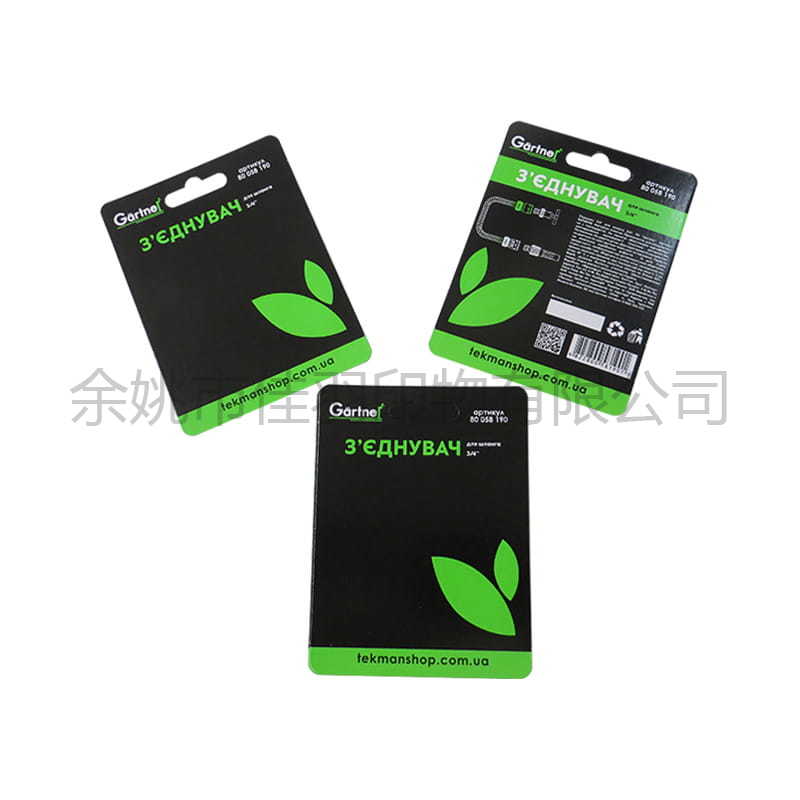 Custom White Paper Blister Cards for Small Item PackagingWater-resistant, reusable white paper blister cards suit electronic devices and small items, ideal when printed sheets are converted into protective retail packaging.View Product →
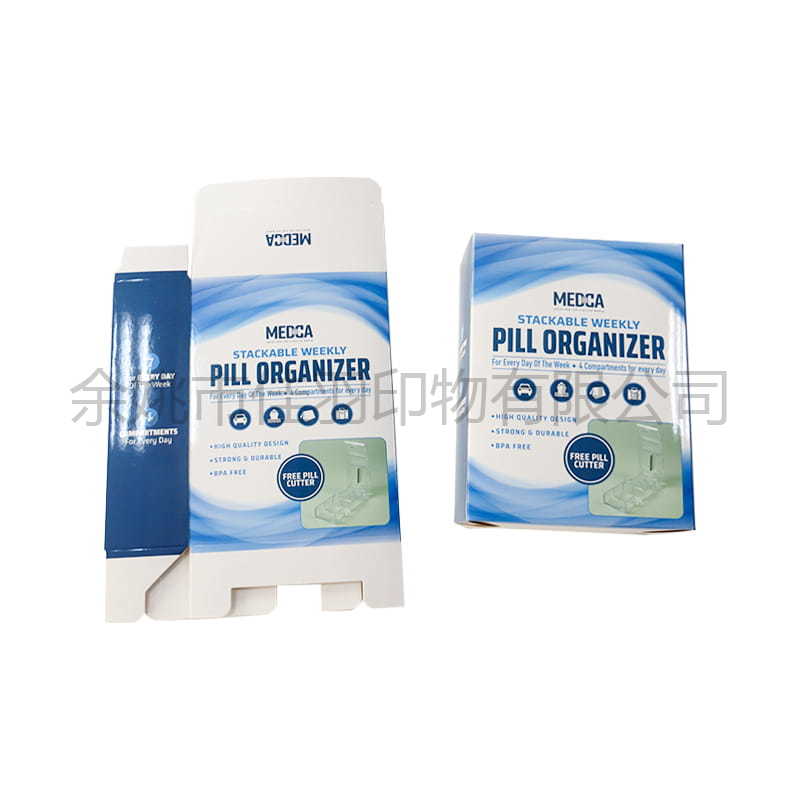 Custom White Cardboard Color Printed Packaging BoxesCustomizable white cardboard boxes for gifts, accessories, and collectibles, with recyclable material and logo or pattern printing for retail presentation.View Product →
The sheet may be A4, but the final die line, board thickness, and box style determine whether the job should stay on bond paper or move to cardstock or corrugated stock. Keep the size discipline from the first proof to the final finished piece.
A4 bond paper buying checklist
A written specification prevents most disputes. Use the following points on a quotation or purchase order.
- State the size as 210 mm by 297 mm and 8.27 in by 11.69 in.
- State the gsm. If pounds are used, include the basis label, such as 24 lb bond.
- Ask for opacity, whiteness, and shade so different lots can be compared.
- Confirm grain direction when the sheet will be folded or bound.
- Confirm sheets per ream, reams per carton, and ream weight.
- Agree on cutting tolerance and edge quality. A plus or minus 1 mm promise is tighter than the ISO 216 limit for this size.
- Request a sample and test it on the actual printer or press before the full order runs.
Common questions about A4 bond paper size
Is A4 the same as short bond paper?
No. In many markets short bond means 8.5 in by 11 in, which is US Letter. A4 is 210 mm by 297 mm, or 8.27 in by 11.69 in.
Is A4 bond paper 8.5 x 11 inches?
No. That is US Letter. A4 is slightly narrower and slightly longer than Letter.
What is long bond paper in the Philippines?
It commonly refers to 8.5 in by 13 in, or 216 mm by 330 mm. That is a local trade format, not ISO A4 and not US Legal.
Can 70 gsm bond paper be used for A4 documents?
Yes for drafts, internal copies, and high-volume printing when show-through is acceptable. For contracts, letterheads, and client-facing work, 90 to 120 gsm is usually the safer range.
 English
 中文简体
 Español
 Deutsch



 No.71, Xiafan, Panxiang Village, Yangming Street, Yuyao City, China.
 491791889@qq.comsales@jiayuprint.com
 +86-13186866868
 +86-0574-62587484
