A standard ream of A4 paper at 80 gsm weighs a little under 2.5 kg, and one sheet of it weighs about 5 g. Those two figures settle most of the confusion around A4 size and weight. A4 measures 210 mm by 297 mm, which is 8.27 in by 11.69 in, giving a sheet area of 0.0625 square metres. Paper weight is never quoted per sheet. It is quoted as grammage, the mass of one square metre of that paper, written in grams per square metre and shortened to gsm. Multiply the area of a sheet by the grammage and you get the weight of that sheet, which is why an 80 gsm A4 sheet lands at about 5 g and a 90 gsm sheet at about 5.6 g.
That one relationship drives practical decisions: whether a printer can duplex without show-through, whether a folded leaflet cracks along the spine, and what a mailing costs once the envelope is on the scale. The rest of this guide covers the exact dimensions, the weight scale in everyday use, and the checks worth making before an order is placed.
What A4 Actually Measures
A4 belongs to the ISO 216 A series, which starts from a sheet of one square metre called A0. Each step down the series halves the area while keeping the same proportion, a ratio of one to the square root of two. Fold an A3 sheet once and you have two A4 sheets. Fold an A4 sheet once and you have two A5 sheets. That proportion is what makes the halving work cleanly, with no waste and no odd offcut.
ISO 216 also sets a tolerance. Dimensions up to 150 mm may vary by plus or minus 1.5 mm, and larger dimensions by plus or minus 2 mm. A millimetre of difference between two suppliers is therefore normal rather than a defect, although it matters when artwork runs right to the trimmed edge.
A series sizes keep the same proportion, so each size is exactly half the area of the one above it.
| Size |
Millimetres |
Centimetres |
Inches |
Area in square metres |
| A0 |
841 x 1189 |
84.1 x 118.9 |
33.11 x 46.81 |
1.000 |
| A1 |
594 x 841 |
59.4 x 84.1 |
23.39 x 33.11 |
0.500 |
| A2 |
420 x 594 |
42.0 x 59.4 |
16.54 x 23.39 |
0.250 |
| A3 |
297 x 420 |
29.7 x 42.0 |
11.69 x 16.54 |
0.125 |
| A4 |
210 x 297 |
21.0 x 29.7 |
8.27 x 11.69 |
0.0625 |
| A5 |
148 x 210 |
14.8 x 21.0 |
5.83 x 8.27 |
0.0313 |
| A6 |
105 x 148 |
10.5 x 14.8 |
4.13 x 5.83 |
0.0156 |
What Paper Weight Means, and What It Does Not
Grammage is defined by ISO 536 and is measured on paper that has been conditioned to a standard humidity, because paper takes on and releases moisture from the air around it. A sheet weighed in a very dry room can read a gram or two light. This is one reason two suppliers quoting the same figure can still feel slightly different in the hand.
Grammage is not thickness. Caliper, usually given in micrometres or millimetres, describes how thick the sheet actually is, and the link between the two depends on how the paper was made. A bulky uncoated 100 gsm sheet can be thicker than a densely calendered coated 120 gsm sheet. When stiffness, folding behaviour and the feel of a finished piece matter, caliper and bulk often count as much as the number printed on the wrapper.
North American paperwork adds a second layer of confusion. Basis weight describes the weight of 500 sheets at that grade's own basic size, so the same number means different things for bond, text and cover grades. Rough conversions help when reading an overseas specification: 20 lb bond is about 75 gsm, 24 lb bond about 90 gsm, 28 lb bond about 105 gsm, 80 lb cover about 216 gsm and 100 lb cover about 270 gsm.
How Much a Single A4 Sheet Weighs
Because every A4 sheet has the same area, the arithmetic never changes. Multiply 0.0625 square metres by the grammage to get one sheet, then multiply by 500 for a ream. The table below applies that formula across the weights most commonly stocked.
Figures are calculated from a sheet area of 0.0625 square metres, so a 500 sheet ream weighs 500 times the single sheet value.
| Grammage |
One A4 sheet |
500 sheet ream |
Typical use |
| 70 gsm |
4.4 g |
2.19 kg |
Internal documents, notepads, high volume copying |
| 80 gsm |
5.0 g |
2.49 kg |
Everyday office printing, letterheads, invoices |
| 90 gsm |
5.6 g |
2.81 kg |
Reports and handouts that get handled often |
| 100 gsm |
6.2 g |
3.12 kg |
Double sided colour, brochures, price lists |
| 120 gsm |
7.5 g |
3.74 kg |
Flyers, inside pages of booklets |
| 160 gsm |
10.0 g |
5.00 kg |
Covers, leaflets, postcards |
| 200 gsm |
12.5 g |
6.24 kg |
Business cards, folder covers, inserts |
| 250 gsm |
15.6 g |
7.80 kg |
Premium cards, tags, packaging components |
| 300 gsm |
18.7 g |
9.36 kg |
Heavy covers, rigid boxes, display pieces |
Where Weight Shows Up on Press and in the Printer
Opacity decides how much of the reverse side shows through. At 80 gsm, dense colour blocks printed on both sides will ghost slightly, and the effect is more obvious under bright light. Move the same job to 100 gsm or 120 gsm and it usually reads clean, which is why double sided brochures rarely start below 100 gsm even though the paper itself costs more.
Heavy stock changes the production route as well. Sheets of 200 gsm and above often need a straighter paper path, a manual feed or a dedicated cover station, and they should be scored before folding rather than folded straight away, otherwise the coated surface cracks along the fold. Ink coverage also behaves differently: uncoated sheets at 90 gsm to 120 gsm drink ink quickly and dry fast, while coated sheets hold sharper detail but need more care with drying and rub resistance.
Weight has a commercial side too. A three sheet 80 gsm letter weighs about 15 g before the envelope, and 200 of them add roughly 3 kg to a mailing, enough to cross a postage band. On the design side, resolution and paper weight should be chosen together: at 300 dpi an A4 page is 2480 x 3508 pixels, at 150 dpi it is 1240 x 1754, and at 72 dpi it is 595 x 842. Matching file resolution to the weight and process the job will actually run on saves both time and waste, which is the same balance we describe in this note on the meeting point of paper and printing.
What to Check Before You Buy A4 Paper
A few specifications decide whether a ream behaves the way you expect. Ask for them in writing rather than relying on a grade name.
- Grammage stated as gsm, plus the sheet count per ream and per carton, since a light ream of 480 sheets is not the same value as a full 500.
- Caliper if stiffness matters, because two papers of identical gsm can differ noticeably in thickness and rigidity.
- Grain direction, especially for booklets, since folding against the grain causes rougher edges and cracking.
- Opacity, particularly for any job printed on both sides at 80 gsm or below.
- Dimensional tolerance and squareness, which affect trimming, registration and how well sheets run through a copier.
- Moisture and packaging, as reams wrapped and stored in humid conditions can wave, curl or jam.
- A sample of the actual stock, printed with your own artwork, before committing to a large run.
A4 Against US Letter
Export orders often run into the other common office format. US Letter measures 216 mm by 279 mm, or 8.5 in by 11 in, with an area of about 0.0603 square metres, so it is slightly shorter and slightly wider than A4. The two are close enough that they are sometimes treated as interchangeable, but they are not: artwork set for A4 loses about 6 mm of width when printed on Letter, and artwork set for Letter leaves a wider margin on A4. Weight also travels differently across the two systems, since 20 lb bond and 80 gsm describe similar papers through completely different definitions.
Beyond Office Paper: The Same Grammage Logic
Grammage does not stop mattering once a sheet leaves the copier. Folding cartons, printed cards and food service paper are all specified by weight, and the figures are usually higher than office stock. A colour printed packaging box typically runs on board between 250 gsm and 400 gsm, because the box has to hold its shape on a shelf and survive stacking. Our own print floor pairs Heidelberg presses with binding equipment for exactly this kind of work, from advertising sheets and instruction booklets to boxes and cards, so the weight decision and the printing decision are usually made together.
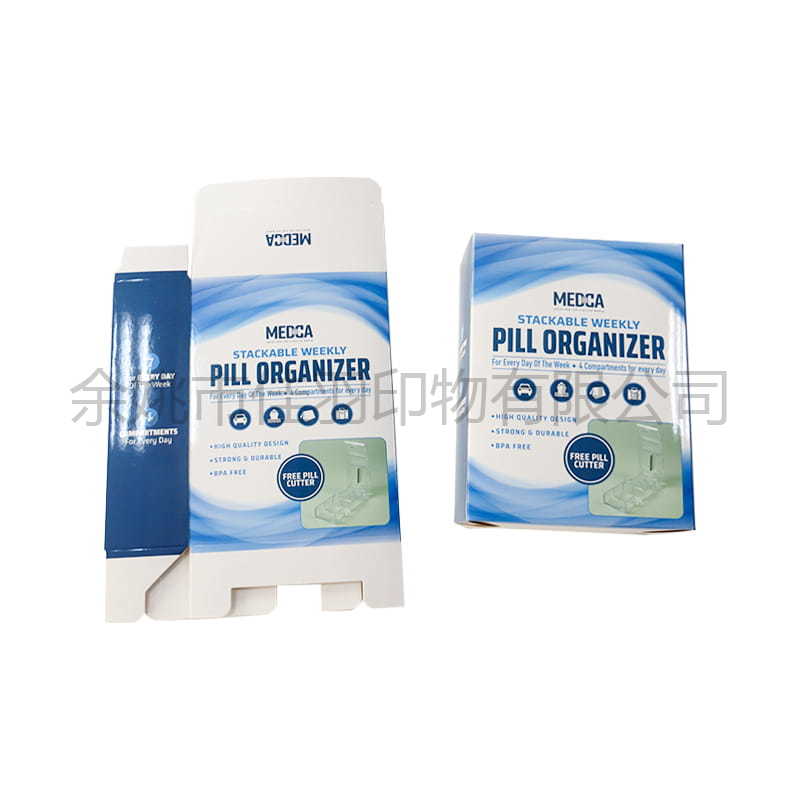 Custom White Card Color Paper Packaging BoxCustomizable white cardboard box for gifts, accessories, and collectibles, with size and logo options suited to retail packaging and display.View Product →
Cards follow the same rule. A blister card or a hanging card needs enough stiffness to stay flat while carrying a product, which pushes the specification towards coated board in the 300 gsm to 400 gsm range rather than paper. Below that, the card bends, the blister lifts, and the pack looks tired on the peg.
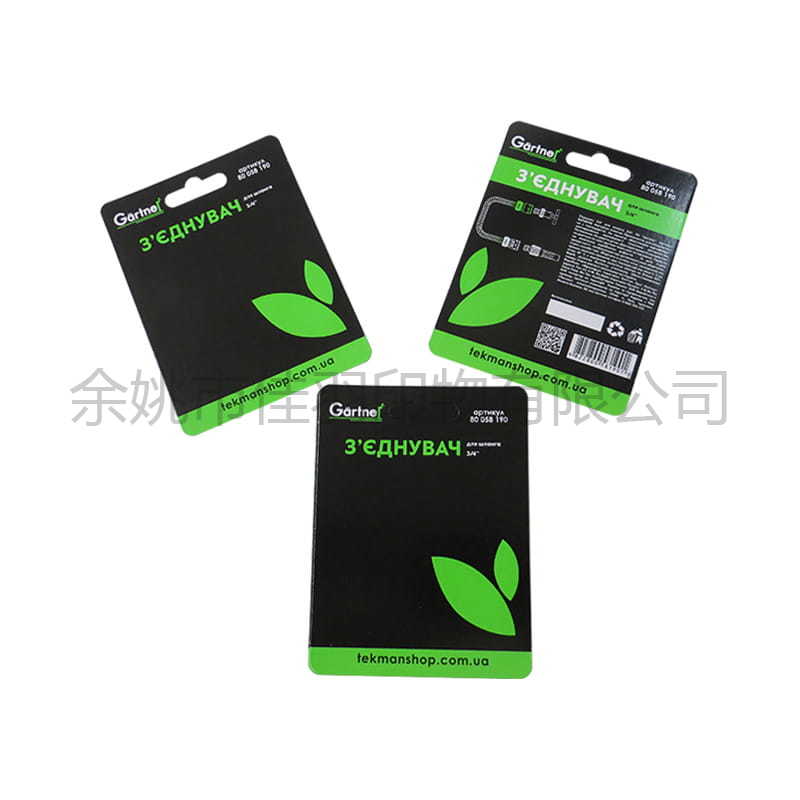 Custom White Paper Blister CardCustom white paper blister card for small electronics and accessories, with moisture and dust resistance and reusable protection for practical packaging.View Product →
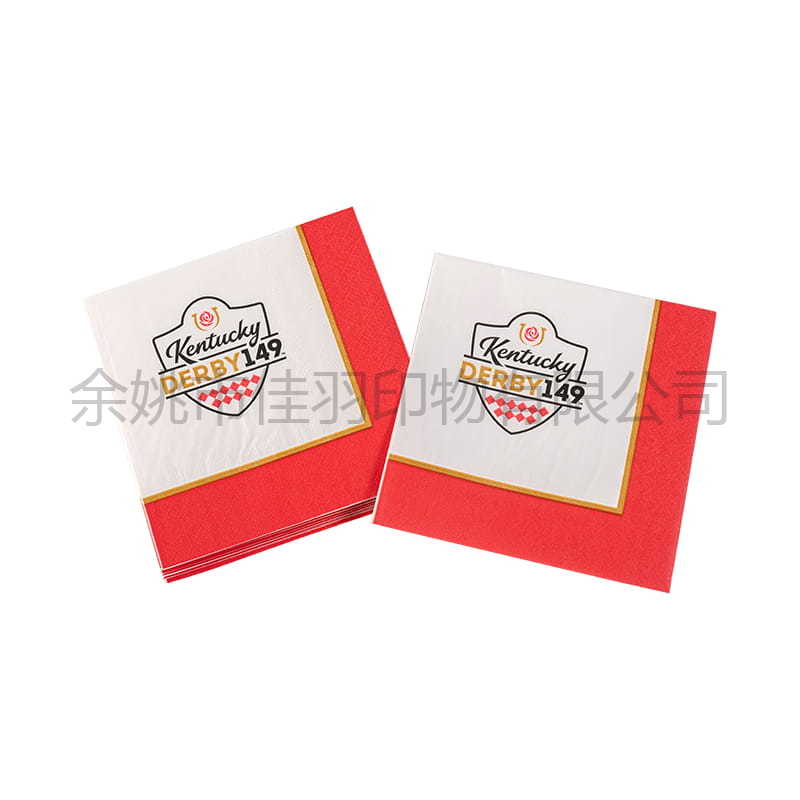
Food service products sit at the other end of the scale in terms of appearance but not in terms of discipline. Cup stock is chosen for a balance of stiffness, moisture resistance and printability, and tissue products are specified in very light weights such as 18 gsm, where the layer count does the work that grammage does elsewhere. In every case the question is the same one an office buyer asks: what will this paper have to survive, and how much weight does that require.
A4 is 210 mm by 297 mm, its area is 0.0625 square metres, and its weight is the grammage multiplied by that area. An 80 gsm sheet comes to about 5 g and a ream to about 2.5 kg, while a 300 gsm sheet reaches about 18.7 g. Once those numbers are clear, choosing between 80 gsm, 100 gsm and 250 gsm stops being guesswork and becomes a straightforward question about handling, opacity, folding and postage. Confirm the grammage, the caliper and the grain direction, ask for a printed sample, and the paper will behave the way the specification promised.

 English
 中文简体
 Español
 Deutsch



 No.71, Xiafan, Panxiang Village, Yangming Street, Yuyao City, China.
 491791889@qq.comsales@jiayuprint.com
 +86-13186866868
 +86-0574-62587484
