A purchasing manager opens a carton marked 80 gsm A4 and sets one ream on the scale. It reads 2.6 kg instead of the 2.5 kg the team expected, and the first reaction is to suspect the supplier. Nothing is wrong with the shipment. Paper is bought by grammage, not by ream weight, and the figure printed on the wrapper only states how much one square metre of that sheet weighs. Once that distinction is clear, A4 buying becomes predictable, from a single ream feeding an office printer to a container load of printed brochures.
What A4 paper weight actually measures
GSM stands for grams per square metre and describes areal density, meaning the mass of a one metre by one metre sheet of that paper. It is not thickness. Two papers rated at 80 gsm can feel noticeably different in the hand because fibre blend, filler loading and calendering change bulk while grammage stays fixed.
The A4 sheet measures 210 mm by 297 mm, an area of 0.06237 square metres, which is exactly one sixteenth of a square metre. That makes the arithmetic simple. Divide the grammage by 16 and you have the weight of a single sheet in grams. An 80 gsm sheet weighs 5.0 g, a 100 gsm sheet 6.2 g, a 250 gsm sheet 15.6 g. Multiply by 500 and an 80 gsm ream lands at 2.49 kg before any wrapping is added.
Sheet and ream weights at common A4 grades
The table below converts the grades most often quoted for A4 work into numbers a buyer can verify on a scale. Ream figures cover paper only. Wrappers, cartons and pallets usually add 3 to 6 percent to the delivered weight of a shipment.
Sheet and ream weights are calculated from the exact A4 area of 0.06237 square metres, assuming 500 sheets per ream and no packaging.
| Grammage |
One A4 sheet |
500-sheet ream |
Typical use |
| 70 gsm |
4.4 g |
2.18 kg |
High-volume internal documents, lightweight mailing |
| 80 gsm |
5.0 g |
2.49 kg |
Everyday office printing, copying, duplex work |
| 90 gsm |
5.6 g |
2.81 kg |
Dense text, double-sided reports |
| 100 gsm |
6.2 g |
3.12 kg |
Letterheads, newsletters, presentation handouts |
| 120 gsm |
7.5 g |
3.74 kg |
Flyers, posters, package inserts |
| 160 gsm |
10.0 g |
4.99 kg |
Brochure covers, menus, postcards |
| 200 gsm |
12.5 g |
6.24 kg |
Folded brochures, catalogue interiors |
| 250 gsm |
15.6 g |
7.80 kg |
Cards, folder covers, light cartons |
| 300 gsm |
18.7 g |
9.36 kg |
Business cards, firm covers, folding cartons |
| 350 gsm |
21.8 g |
10.92 kg |
Premium cards, luxury packaging board |
Why two reams of the same grade can weigh differently
Grammage is a manufacturing specification with a tolerance, not an absolute constant. Woodfree sheets are commonly produced within plus or minus 5 percent, so an 80 gsm lot may test anywhere between 76 and 84 gsm. Across a 500-sheet ream that is a swing of roughly 0.25 kg, enough to explain a scale reading that looks slightly off.
- Moisture content. Paper holds 4 to 6 percent water in equilibrium with the air around it. A ream stored in a humid warehouse can weigh 1 to 2 percent more than the same ream in a dry pressroom.
- Bulk versus density. A high-bulk sheet can feel thicker at the same grammage, so handle and caliper impressions are unreliable guides to weight.
- Sheet count and trim. Ream counts are usually accurate, but short counts and edge trim variation appear in low-cost cartons.
- Wrapper and pallet. Stretch film, ream wrappers and pallet boards are excluded from paper weight but included in freight weight.
Matching weight to the job
Office printing and documents
For laser and inkjet printing, 80 gsm is the practical default because it resists show-through on duplex work and feeds reliably through most paper paths. Dropping to 70 gsm saves cost on high-volume internal runs but increases curl and transparency. Rising to 90 or 100 gsm suits reports that will be handled repeatedly or filed for years.
Flyers, brochures and direct mail
Flyers carry better on 120 to 150 gsm, which stays flat in an envelope and survives sorting machinery. Folded brochures generally need 150 to 200 gsm so the fold line does not crack the coating. For a cover that must feel substantial without becoming stiff, 250 to 300 gsm is the usual choice, and scores rather than sharp folds keep the spine clean.
Cards, covers and packaging board
Card-based products, from retail hang cards to blister packs, are normally specified between 250 and 400 gsm. Below 250 gsm the card can bow when printed heavy ink coverage dries at different rates on each side. Above 350 gsm, die cutting and creasing need tighter tolerances and often a slightly longer make-ready.
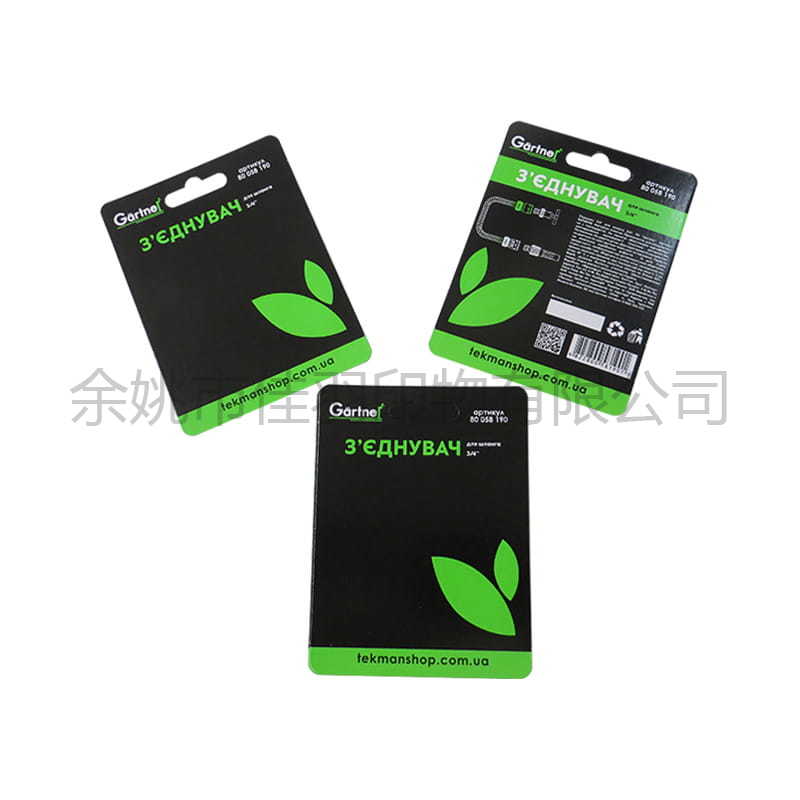 Custom White Paper Blister Packaging for Small ElectronicsCustom white paper blister packaging for electronics and small items, described as waterproof, moisture-proof, dustproof and reusable; relevant when comparing retail pack formats.View Product →
GSM and pound weight: same number, different meaning
Buyers working with North American suppliers will meet pound basis weight, and the trap is that the same figure means different things across paper families. The pound value is the weight of 500 uncut sheets in that grade's own base size, which is why 80 lb cover converts to about 216 gsm while 80 lb text sits near 118 gsm.
Useful working conversions are as follows. Multiply bond or writing pounds by 3.75, text or offset pounds by 1.48, and cover pounds by 2.7. So 20 lb bond is roughly 75 gsm, 24 lb bond about 90 gsm, 60 lb text about 89 gsm, and 80 lb cover about 216 gsm. For export orders, state gsm and sheet dimensions in metric on the purchase order and ask the mill to confirm which basis system it reported, otherwise a quotation can look 40 percent cheaper than it really is.
What paper weight changes on press and in transit
Desktop printers handle roughly 60 to 160 gsm through the standard cassette. Anything above 200 gsm usually needs the manual feed and a straight paper path, and sheets below 70 gsm tend to jam or curl at the fuser. On offset equipment the practical window widens considerably, but very heavy stocks slow the run and demand more careful ink and drying control.
The same logic applies to converting. Food-grade cup stock is typically 190 to 300 gsm so the sidewall holds its shape when filled and the rim can be rolled without splitting, a subject covered in our note on paper cups and bowls as an environmental choice. Folding cartons commonly use 250 to 400 gsm coated board or a thin corrugated flute, balancing print quality against stacking strength.
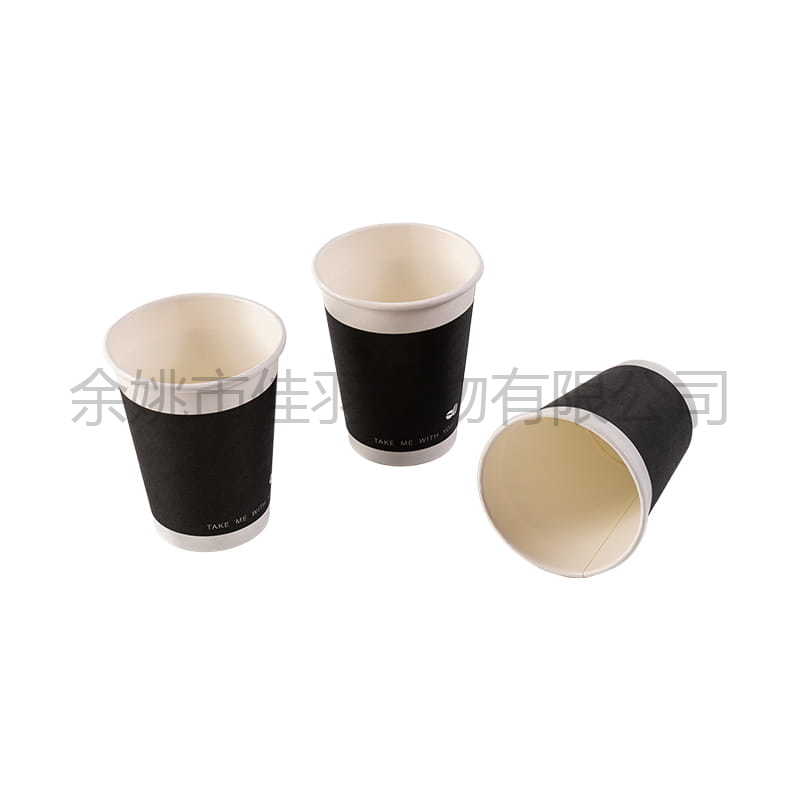 12 oz Customizable Paper Cup for Hot Drinks12-ounce paper cup for coffee, tea and hot chocolate, with stated recyclable paper construction and insulation; useful when comparing cup formats and board weight.View Product →
Weight also drives freight economics. A fixed container payload holds fewer sheets as grammage rises, so moving a brochure from 130 to 170 gsm increases both paper cost and shipping cost per finished piece. That is a specification decision worth testing with a printer before it becomes a purchasing decision.
A buying checklist for A4 weight
- Confirm the grammage and the tolerance in writing, not just the grade name.
- Calculate expected ream weight from sheet size and grammage, then spot-check against delivered cartons.
- Ask for caliper or bulk if feel matters, because grammage alone does not describe stiffness.
- Test the stock on the actual printer or press before approving a full run.
- Check fold and score behaviour on anything above 200 gsm.
- Separate paper weight from packaging and pallet weight when reviewing freight invoices.
Run those six checks and the discrepancy between the wrapper and the scale stops being a surprise and becomes a data point.
Most weight questions resolve into one practical decision: what the printed piece has to survive. A sheet that folds without cracking, feeds without jamming and arrives at a defensible cost per unit is the right sheet, whether it is 80 gsm for a memo or 350 gsm for a gift box. At Jiayu Printing, commercial printing and paper converting sit under one roof, so stock selection, press behaviour and finished packaging performance can be assessed together rather than in separate conversations.

 English
 中文简体
 Español
 Deutsch




 No.71, Xiafan, Panxiang Village, Yangming Street, Yuyao City, China.
 491791889@qq.comsales@jiayuprint.com
 +86-13186866868
 +86-0574-62587484
