Picture a busy morning: a customer buys a 12 oz coffee, drinks half, and later puts the paper cup into an office microwave for 40 seconds. The cup feels warm, then the side wall softens and the seam starts to weep. That small moment is why the question of whether coffee cups are microwavable comes up so often in cafes, offices, and foodservice procurement. The short answer is no as a default: most single-use paper coffee cups are built to hold a hot drink, not to be reheated in a microwave. A cup should go into a microwave only when the manufacturer explicitly rates it for that use.
The Short Answer: Most Coffee Cups Are Not Microwave Safe by Default
A disposable coffee cup is a layered system. The paperboard gives the cup shape and stiffness. The inner coating keeps liquid from soaking through. The side seam glue holds the whole thing together under heat and pressure. A standard cup may handle coffee at 85 to 95 C when it is poured, but that is different from microwave heating. In a microwave, energy is absorbed by the liquid, and the cup is heated from the inside out. The coating softens, the seam is stressed, and the paper can lose rigidity. If the cup was not designed and tested for that cycle, the risk is leakage, scalding, and material failure.
The practical rule is simple: no microwave-safe label, no microwave. A cup that is merely described as suitable for hot drinks is not automatically suitable for reheating. This distinction matters for cafes that hand cups to customers, for offices that provide shared microwaves, and for buyers who specify packaging for takeaway or delivery menus.
Microwave suitability depends on the cup coating and construction, not only on the paperboard.
| Cup type or coating |
Typical heat behavior |
Microwave suitability |
What to watch |
| PE-coated paper cup |
Common for hot coffee; coating softens near boiling |
Usually not recommended unless labeled |
Seam stress, coating softening, leakage |
| PP-coated paper cup |
Higher heat tolerance than PE in many constructions |
Some products may be labeled microwave safe |
Confirm supplier test data and reheat time |
| PLA-coated paper cup |
Compostable lining; heat tolerance varies by grade |
Often not for microwave use |
Deformation and coating performance |
| Wax-coated cup |
Wax melts at low temperatures |
Not microwave safe |
Wax migration, cup softening |
| Uncoated paper cup |
Absorbs liquid and loses strength |
Not suitable for reheating liquids |
Seepage and collapse |
This is why two cups that look almost identical can behave very differently in a microwave. The visible paperboard is only part of the story. The invisible lining and the seam adhesive often determine whether the cup survives 30 seconds of reheating.
Why Heat, Liquid, and Seams Create the Real Risk
Microwave heating is uneven. The liquid in the cup can become hot quickly while the cup wall remains cooler in one area and much hotter near the liquid line. Steam builds up, the coating softens, and the seam is pulled in two directions. A cup that felt strong at the counter can become floppy in less than a minute. The result is not just a ruined drink. Hot coffee can leak onto a hand, a desk, or a customer's lap.
- Cup strength drops when the paperboard absorbs moisture or heat.
- Coatings can soften, blister, or separate from the paper.
- Seam adhesive may fail under steam pressure and repeated handling.
- Lids, sleeves, and stirrers may not be microwave safe even if the cup is.
For foodservice operators, the safest approach is to treat reheating as a separate process, not as an extension of hot-holding. If a menu item needs reheating, specify a container that is sold as microwave safe, or move the drink into a ceramic mug or a microwave-safe carafe before heating. This is also a training issue. Staff should know which cups are approved for reheating and which are not, and customers should see a clear instruction at the counter or on the lid.
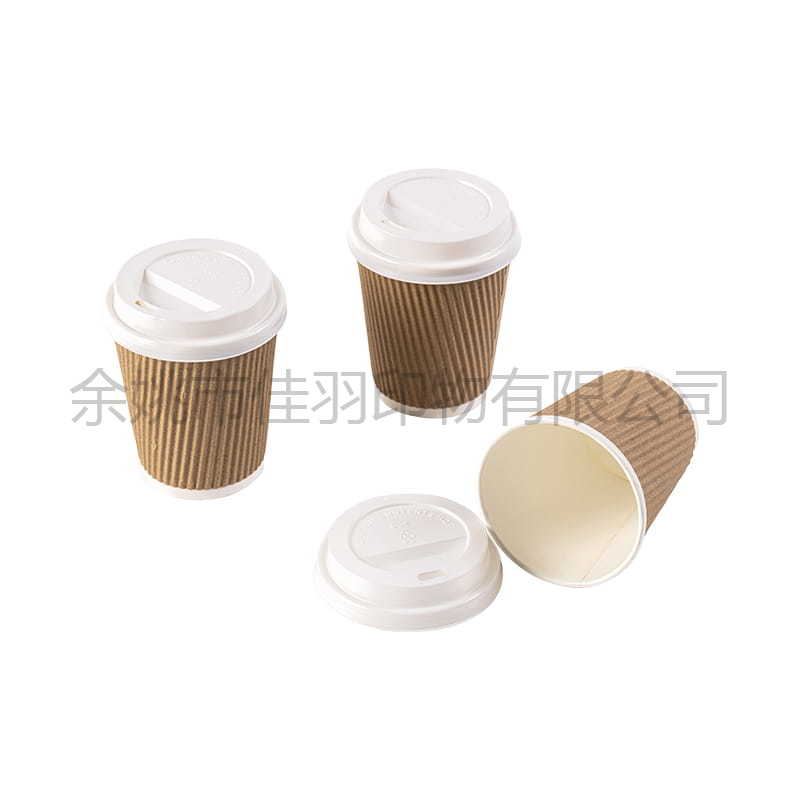 9 oz Corrugated Coffee Cup with LidDesigned for hot coffee service with a lid and corrugated layer; confirm microwave suitability before any reheating.View Product →
For example, a 9 oz corrugated coffee cup with a lid is designed to improve hand comfort and hot-drink service. That does not make it a microwave container. The corrugated layer helps with insulation, but the inner cup and seam still need a microwave rating before any reheating step is allowed.
How to Check a Coffee Cup Before Reheating
There is no universal paper cup that is safe in every microwave. Power levels, coffee volume, sugar content, and cup construction all affect the outcome. Use this sequence before any reheating decision.
- Look for a printed microwave-safe mark on the cup, the sleeve, or the original packaging. If the mark is absent, stop.
- Check the material description. A PP coating may be more heat tolerant than PE or wax, but it still needs a microwave rating from the supplier.
- Remove the lid, sleeve, and stirrer unless each item is separately rated for microwave use.
- Keep the reheat short. A 20 to 30 second interval is easier to control than a full minute, especially in a shared office microwave.
- Stop immediately if the cup becomes soft, the seam lifts, the coating bubbles, or steam escapes from the side wall.
A cup that passes a short test once is not automatically approved for daily use. The same model can vary between production lots. For commercial buyers, the reliable path is to request written microwave test data, not to rely on a one-off trial in a staff kitchen.
What Cafe and Foodservice Buyers Should Specify
Buyers often ask for a cup that keeps coffee hot, fits a lid, and looks good on the counter. If reheating is part of the use case, microwave performance must be added to the specification. Ask the supplier three questions: what is the coating, what is the maximum recommended temperature, and does the cup carry a microwave-safe statement? A supplier that cannot answer in writing is a procurement risk.
The coffee paper cup range should be reviewed by use case, not by appearance alone. A single-wall cup for immediate service, a corrugated cup for hand comfort, and a cup for reheating are different products. If the menu does not include reheating, the cup should say so clearly. If it does, the supplier should provide a microwave-rated construction and a reheat procedure that staff can follow.
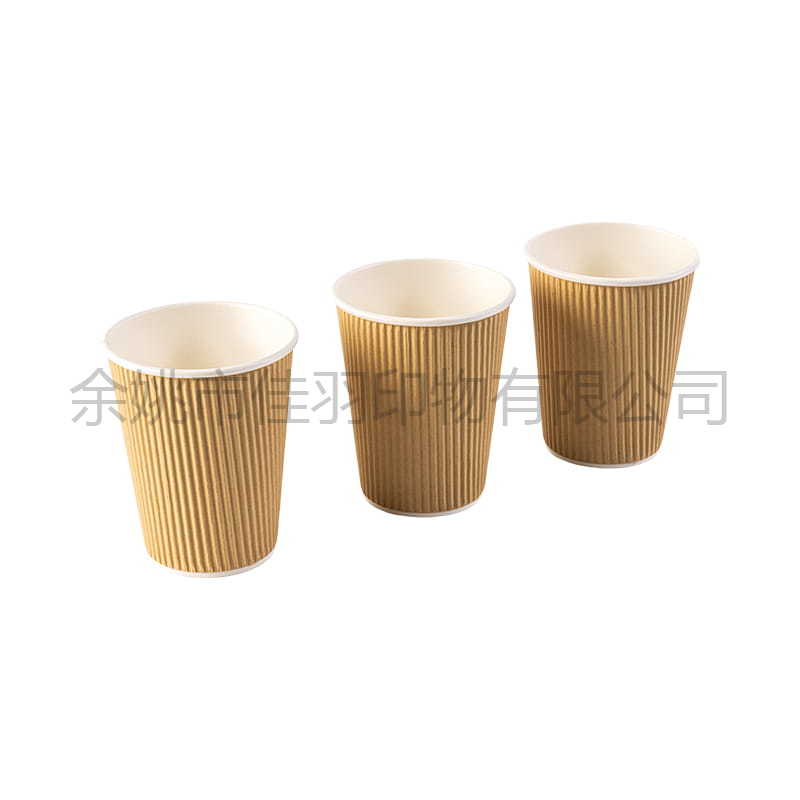 12 oz Corrugated Coffee Cup Without LidA 12 oz corrugated cup without lid for larger coffee drinks; lid and microwave suitability must be checked separately.View Product →
For larger drinks, a 12 oz corrugated cup without a lid is a common choice for cafes that add lids separately. That flexibility helps with lid inventory, but it also means the microwave decision must cover the cup, the lid, and the sleeve as a set. A cup-only approval is incomplete if the lid is not rated for the same heat cycle. Buyers working on sustainability claims should also separate composting language from microwave language. The two claims are not interchangeable; a compostable lining can still be unsuitable for reheating. The paper cup sustainability article is a useful reminder that material choice has several dimensions, and microwave performance is one of them.
Better Reheating Habits for Staff and Customers
The lowest-risk answer is usually not to reheat in the paper cup at all. Pour the coffee into a ceramic mug or a microwave-safe carafe, heat it in short bursts, and stir before drinking. If the original cup must be used, confirm that it is microwave rated and that the lid and sleeve are removed. Keep the reheat below a rolling boil; 60 to 65 C is often enough for a comfortable drink and puts less stress on the cup.
- Remove the lid, sleeve, and any stirrer.
- Heat in 20 to 30 second intervals and check the cup wall each time.
- Do not let the liquid boil over or steam heavily inside a narrow cup.
- Hold the cup at the base, not by the seam, when moving it.
- Discard the cup if it softens, leaks, or smells of hot plastic or wax.
For offices, a simple sign above the microwave is more effective than a verbal reminder. For cafes, a line on the cup or lid can set expectations before the customer leaves the counter. These small controls reduce complaints and make the safety boundary visible.
FAQ
Can I microwave a paper coffee cup for 30 seconds?
Only if the cup carries a microwave-safe statement from the manufacturer. A short time reduces risk, but it does not make an unrated cup safe. If the cup softens or the seam lifts, stop and transfer the drink to a microwave-safe container.
Are double-wall or corrugated coffee cups microwave safe?
Not automatically. The outer layer improves insulation, but the inner coating, seam, and lid still determine microwave performance. Check the rating for the complete cup system, not just the outer wall.
What does a microwave-safe label look like?
It is usually a printed word mark or a symbol showing waves inside a container. The label should be on the cup, sleeve, or original packaging. If the mark is missing or unclear, treat the cup as not microwave safe.
Is it safe to microwave coffee with the lid on?
No, unless the lid is separately rated for microwave use. A closed lid traps steam and can cause pressure buildup. Remove the lid before reheating, and leave it off while the drink cools to a safe drinking temperature.
Can I reuse a paper cup for reheating?
Avoid reuse for microwave heating. Paper cups are designed for single use, and the coating and seam are not intended to survive repeated heat cycles. Transfer the coffee to a reusable microwave-safe mug instead.
The next time a customer or colleague asks whether a coffee cup can go into the microwave, start with the label and the coating, not with the paper. Most paper coffee cups are not microwavable by default. A cup that is rated for the job will say so, and the safe reheat will be short, open, and closely watched.
 English
 中文简体
 Español
 Deutsch


 No.71, Xiafan, Panxiang Village, Yangming Street, Yuyao City, China.
 491791889@qq.comsales@jiayuprint.com
 +86-13186866868
 +86-0574-62587484
