A café owner opens two boxes of paper cups. Both feel the same, both hold coffee, and both carry a paper look. One has a certification mark for industrial composting. The other has a thin polyethylene film that will keep it out of most compost streams. The difference is not the paperboard. It is the barrier layer, the certification, and whether a local composting facility will accept the cup. So are paper cups compostable? Some are, under specific conditions. Most are not, at least not in a backyard bin or a typical curbside program.
Here is the short answer: a paper cup is compostable only when its lining and additives are designed for composting, the finished cup is certified to a recognized standard, and your local commercial composting facility accepts it. Without those three conditions, compostable is a material claim, not a disposal plan.
Compostability comes from the coating, not the paper
Paperboard itself is a natural fiber material and will break down when moisture and microbes reach it. The problem is the coating that makes a cup hold coffee without leaking. Most conventional cups use a polyethylene film. PE keeps liquid in, but it does not compost in a meaningful timeframe; in a compost pile it becomes a plastic contaminant. That is why a cup can look paper-based and still fail a compostability test.
Compostable cups usually use one of three approaches: PLA film, a water-based barrier, or a plastic-free dispersion coating. PLA is bio-based and can be compostable in industrial conditions, but it is not designed for home compost. Water-based and plastic-free coatings can be repulpable and compostable, but performance varies by hot or cold use, grease resistance, and shelf life. Suppliers should show test data for the exact cup, not just the base board.
For a hot beverage trial, a 12 oz coffee cup with a 9 cm top and 6 cm bottom is a common format. Request the coating data sheet and compostability certificate for that exact structure, because a certificate for a different cup size or coating does not cover your order.
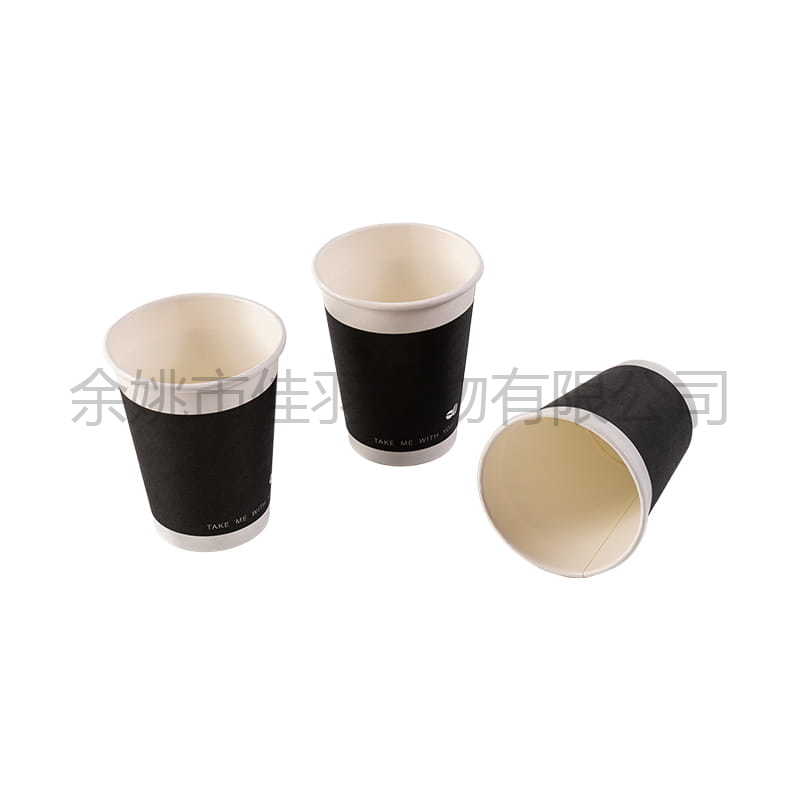 12 oz Coffee Paper Cup with 9 cm TopA 12 oz hot cup with the stated 9 cm top and 6 cm bottom; check coating and compostability documents for this exact structure.View Product →
A quick comparison of common cup linings
Table 1. Compostability depends on the barrier layer, certification, and local facility acceptance. Material claims alone are not enough for procurement.
| Lining type |
Compostable in practice? |
What to verify |
Procurement note |
| PE, polyethylene |
Not compostable in typical conditions; can contaminate compost |
Ask for a PE-free structure if composting is required |
Common low-cost hot and cold cup; check local rules before ordering |
| PLA, polylactic acid |
Industrially compostable when certified; not home compostable |
EN 13432, ASTM D6400, ISO 17088, OK Compost Industrial, or BPI scope for the finished cup |
Needs a commercial facility and a written acceptance from that facility |
| Water-based or plastic-free dispersion |
Can be compostable or repulpable depending on formula and certification |
Certificate for the finished cup plus hot-fill, cold-fill, and repulpability data |
Test leakage, seam strength, grease resistance, and shelf life before approval |
| PP, polypropylene |
Not compostable under typical conditions |
Treat as a conventional plastic barrier |
Useful for durable leak resistance, but not for a compostable claim |
One practical trap: a cup can be compostable by material but not accepted by the composter that serves your city. Commercial facilities often reject cups with PLA because they cannot separate them from PE-lined cups, or because their permit covers food scraps and yard waste only. Before you print a compostable claim, get written acceptance from the receiving facility. If you cannot, treat the cup as landfill-bound for planning purposes.
Cold cups need the same scrutiny, especially at high volume. A 12 oz water cup with a 9 cm top and 6 cm bottom is a common format for events and food service, but the coating and certification still decide the end-of-life claim.
 12 oz Paper Water Cup for Events and Food ServiceA 12 oz paper water cup for events and food service; verify the coating and certification scope before relying on an end-of-life claim.View Product →
What a credible compostability claim should include
In procurement, a sentence in an email is not enough. Ask for a certificate that names the finished cup or the exact material structure, the standard used, and the test lab. Common references include EN 13432 in Europe, ASTM D6400 in the United States, ISO 17088, and third-party marks such as OK Compost Industrial, BPI, or CMA. Check the scope: industrial composting, home composting, or both. Most PLA-lined cups are industrial only.
Also ask for the disintegration and biodegradation results. EN 13432, for example, requires at least 90 percent disintegration within 12 weeks and 90 percent biodegradation within 6 months under controlled conditions, plus an ecotoxicity check. Those numbers matter because a cup that fragments does not necessarily become compost. Fragmentation can leave plastic residue and chemical residue in the finished compost. A certificate should confirm full biodegradation, not just visible breakdown.
If your market restricts fluorinated substances, ask whether the coating is PFAS-free and request supporting test data. A compostable cup that carries a restricted chemistry problem is not a good procurement outcome.
Why most paper cups still go to landfill
The infrastructure gap is the main reason. Even a certified compostable cup needs a collection stream that sends it to an industrial facility. Most curbside recycling programs reject paper cups because the plastic lining makes repulping difficult and the cup is often contaminated with liquid or food. Composters may reject them for the same reason: a single PE-lined cup can contaminate a batch of compost. Lids and sleeves are often easier to recycle because they are made from a single plastic or paper material, but that does not fix the cup itself.
That does not make compostable cups meaningless. It means the claim has to be paired with a disposal route. A stadium, office, or festival with a dedicated collection contract and a willing composter can make a compostable cup work. A café that puts the same cup in a general waste bin has not solved the end-of-life problem. The purchase decision should be based on the full chain: cup, collection, facility, and proof.
How to choose a compostable paper cup for a real order
Start with the use case, not the label. Hot coffee, cold drinks, ice cream, and takeaway meals place different demands on a barrier coating. A cup that composts well may fail a 90 minute hot-fill test or soften in a cold chain. Request samples from the same production line and material structure you plan to buy, then test filled cups at your expected temperature and holding time.
- Define the disposal route first. Confirm that a commercial composter will accept the cup and that your site can collect it separately.
- Ask for finished-product certification. Match the certificate to the cup size, coating, and lid. A board certificate alone is not enough.
- Check the barrier performance. Test for leakage, seam strength, grease resistance, and stackability at your fill temperature.
- Review the ink and adhesive. Compostable claims can fail if the printing ink or seam adhesive is not compatible with the process.
- Plan the label. Use specific wording such as industrially compostable where facilities accept PLA-lined cups rather than a bare leaf symbol.
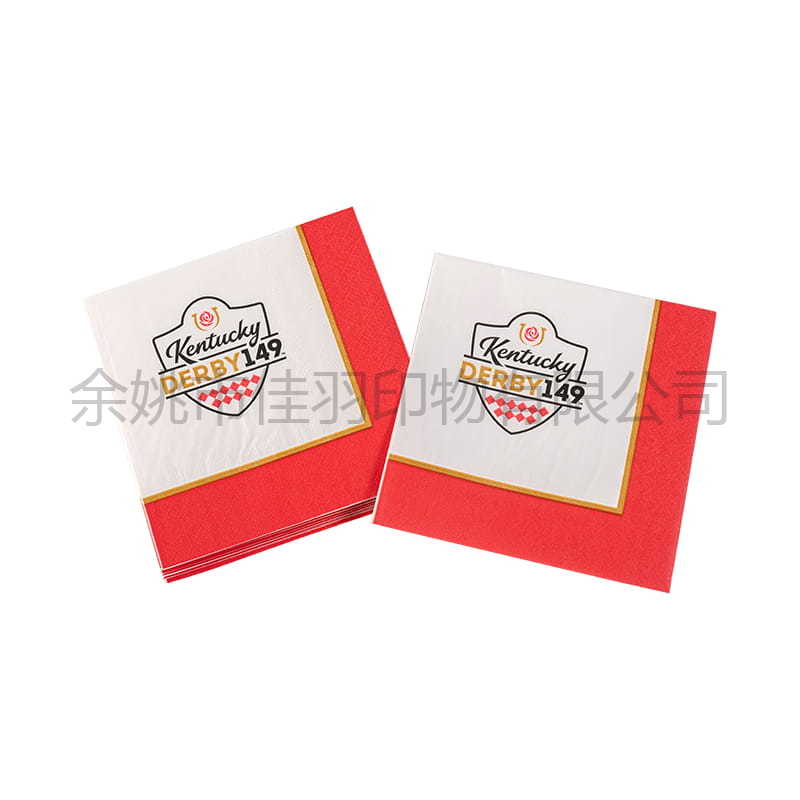
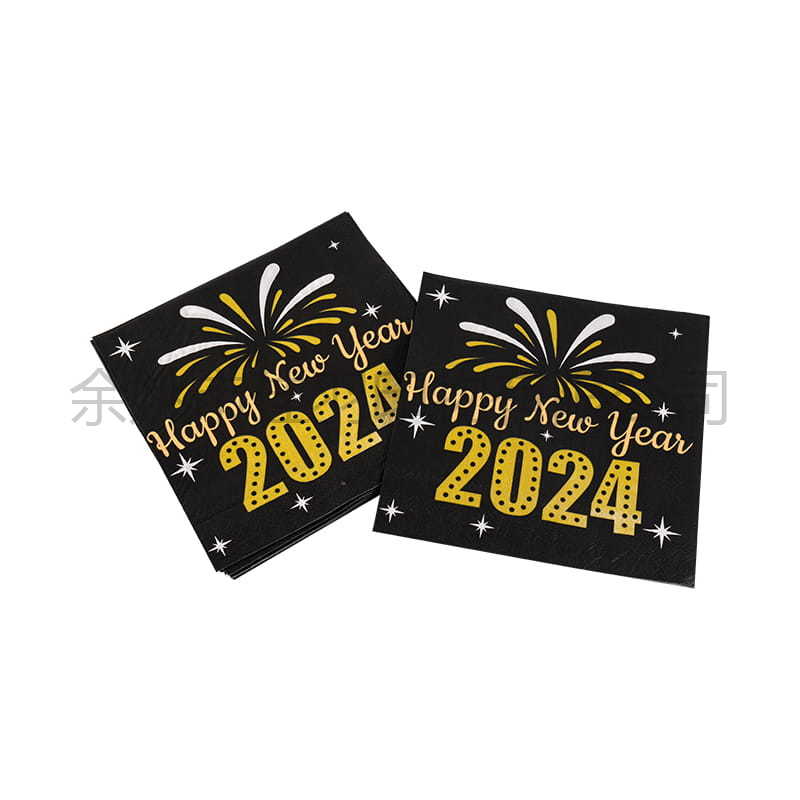
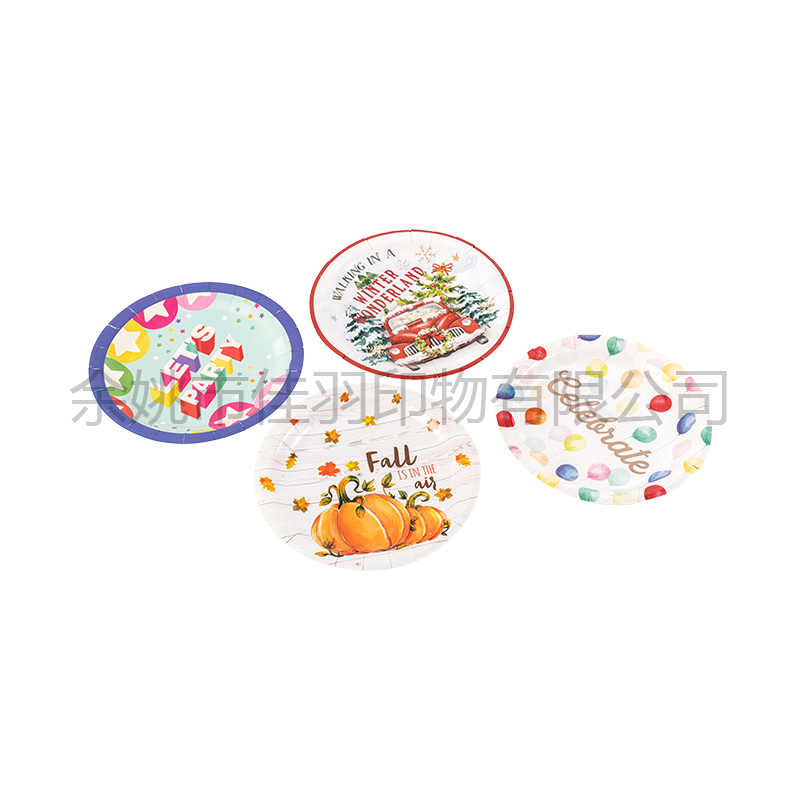
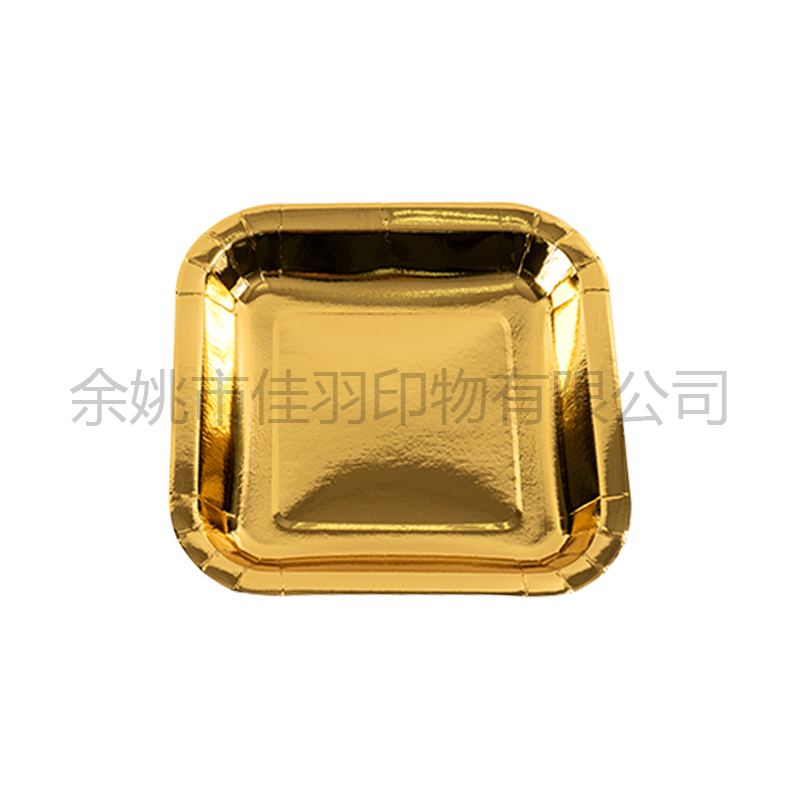
For caterers and event teams, a coordinated paper cups and dishes set can reduce the number of suppliers and the risk of mixed materials. The important check is that every component in the set follows the same disposal claim.
 Paper Cup, Plate, and Towel Set SeriesA one-stop paper cup, plate, and towel set series for dining tables and offices; confirm every component shares the same disposal claim.View Product →
Compostable, recyclable, or just paper
These words are not interchangeable. Paper describes the substrate, not the end-of-life path. Recyclable means a facility can recover the fiber, which is difficult when a plastic film is bonded to the board. Compostable means a specific biological process can break the product down under defined conditions. A cup can be none of these in your local system, even if the material is technically capable.
If your priority is a lower-waste image, a compostable cup without collection can become a reputational risk. If your priority is operational performance, a reusable cup or a well-recycled mono-material cup may be a better fit. If your priority is compliance with an event or municipal requirement, choose the certified cup that the receiving facility has already approved.
What to ask a paper cup supplier
Use a short supplier questionnaire. It reduces the risk of buying a cup that cannot be composted where you operate.
- What is the exact coating and grammage of the cup stock?
- Which standard and certificate apply to the finished cup, not just the board?
- Is the claim for industrial composting, home composting, or both?
- Can you provide a letter of acceptance from a named composting facility?
- What are the hot-fill, cold-fill, and shelf-life test results?
- Are the inks, adhesives, and lids compatible with the same disposal route?
At Jiayu Printing, food-grade paper cups can be produced with plastic-free coated paper, PLA-coated paper, or PP-coated paper, and custom work can follow a drawing or sample. That range is useful because it lets a buyer separate the compostable question from the leakproof question instead of assuming one coating fits every drink. It also means the specification should name the coating, the certification, and the target facility before the artwork is approved.
If you are comparing materials for a broader food service program, this article on paper cups and bowls for sustainable living is a useful next read. Keep the procurement rule simple: choose the cup after you have chosen the disposal route, not before.
 English
 中文简体
 Español
 Deutsch

 No.71, Xiafan, Panxiang Village, Yangming Street, Yuyao City, China.
 491791889@qq.comsales@jiayuprint.com
 +86-13186866868
 +86-0574-62587484
