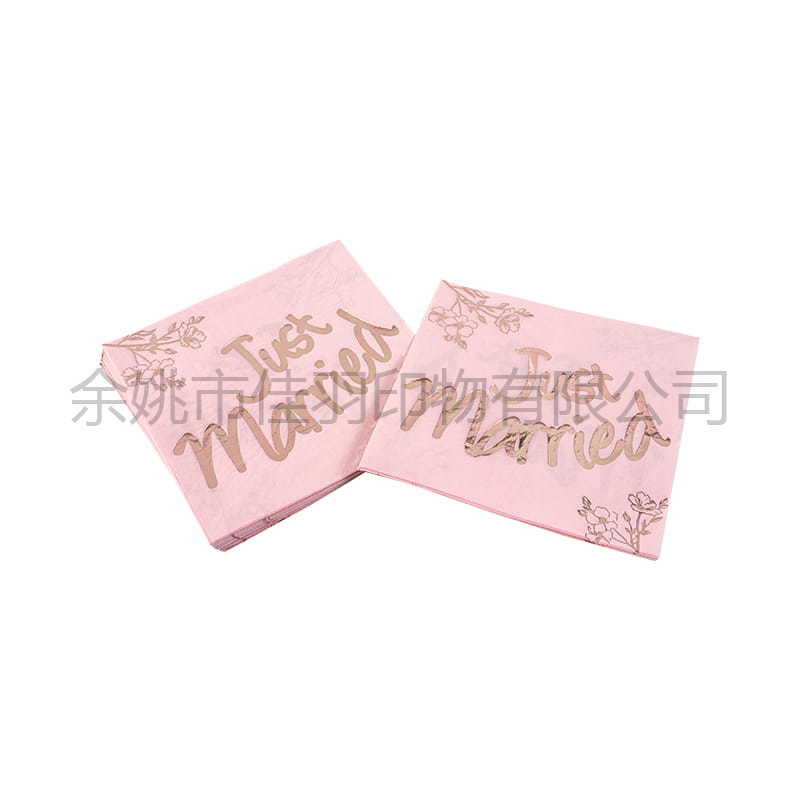
Yes, paper napkins are biodegradable, since they are made primarily from wood pulp fibers that naturally break down through microbial activity when exposed to moisture, oxygen, and organic conditions such as those found in composting environments or landfills with sufficient airflow. Most plain, uncoated paper napkins decompose within a matter of weeks to a few months under composting conditions, according to general biodegradability research published on plant-based fiber products. A Paper Napkin made from virgin or recycled wood pulp is one of the more environmentally friendly disposable tableware options available, particularly compared to plastic-based alternatives. The sections below explain what affects decomposition speed and how to dispose of used napkins responsibly.
Why Paper Napkins Break Down Naturally
Paper napkins are made from cellulose fibers derived from wood pulp, a natural organic material that soil microorganisms and fungi can digest and break down over time. This is fundamentally different from petroleum-based synthetic materials, which lack the molecular structure that microbes are able to metabolize.
What Makes Cellulose Biodegradable
- Cellulose fibers are a natural plant material that soil bacteria and fungi can break down
- Paper has a porous structure that allows moisture and microorganisms to penetrate quickly
- Unlike plastic, paper does not rely on UV exposure alone to begin breaking down
How Long Paper Napkins Take to Decompose
Decomposition speed depends heavily on the environment the napkin is disposed in, since access to moisture, oxygen, and microbial activity all play a role in how quickly the fibers break down.
Decomposition Timeframes by Environment
| Disposal Environment |
Approximate Decomposition Time |
| Home or Industrial Compost |
2 to 6 weeks |
| Moist Outdoor Soil |
1 to 3 months |
| Standard Landfill |
Several months to a few years |
Landfills often slow decomposition significantly because compacted waste limits oxygen exposure, a factor commonly discussed in municipal solid waste research published by the U.S. Environmental Protection Agency, which notes that even organic materials can persist much longer in landfill conditions than in open composting environments.
Factors That Affect Decomposition Speed
Not all paper napkins break down at the same rate, since manufacturing choices and disposal conditions both play a significant role in how quickly the material returns to the environment.
Key Factors to Consider
- Whether the napkin is made from virgin pulp or recycled fiber
- The presence of coatings, inks, or wet-strength additives
- Moisture and oxygen levels in the disposal environment
- Ambient temperature, since warmer conditions speed up microbial activity
How Printing and Coatings Affect Biodegradability
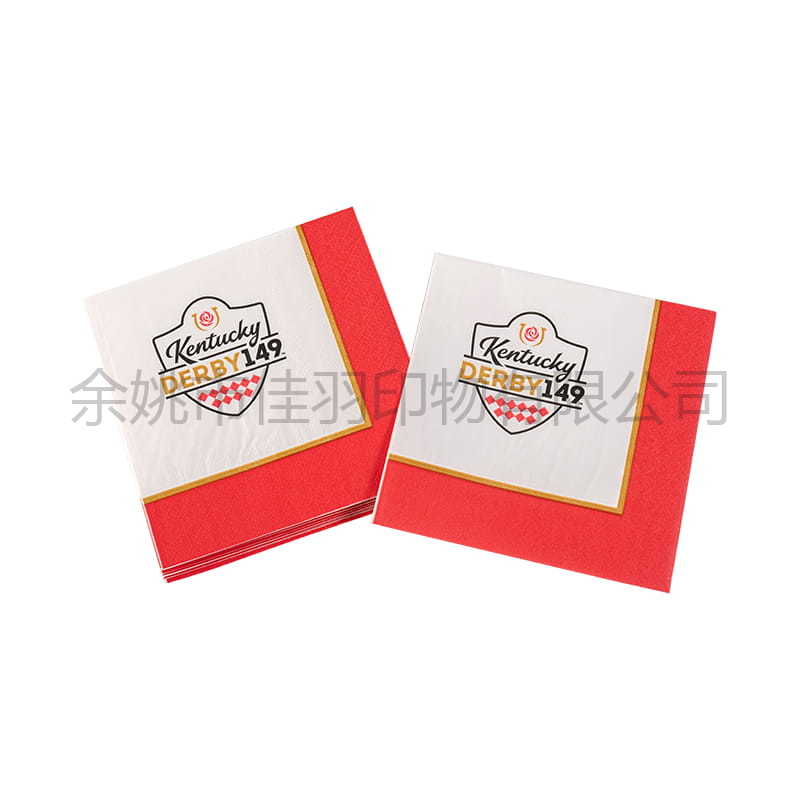
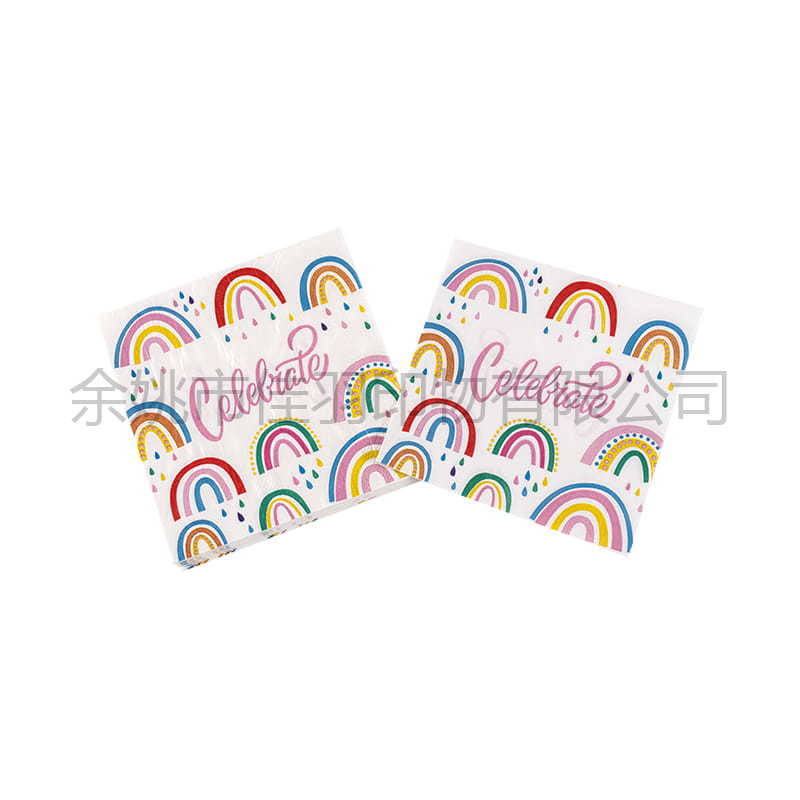
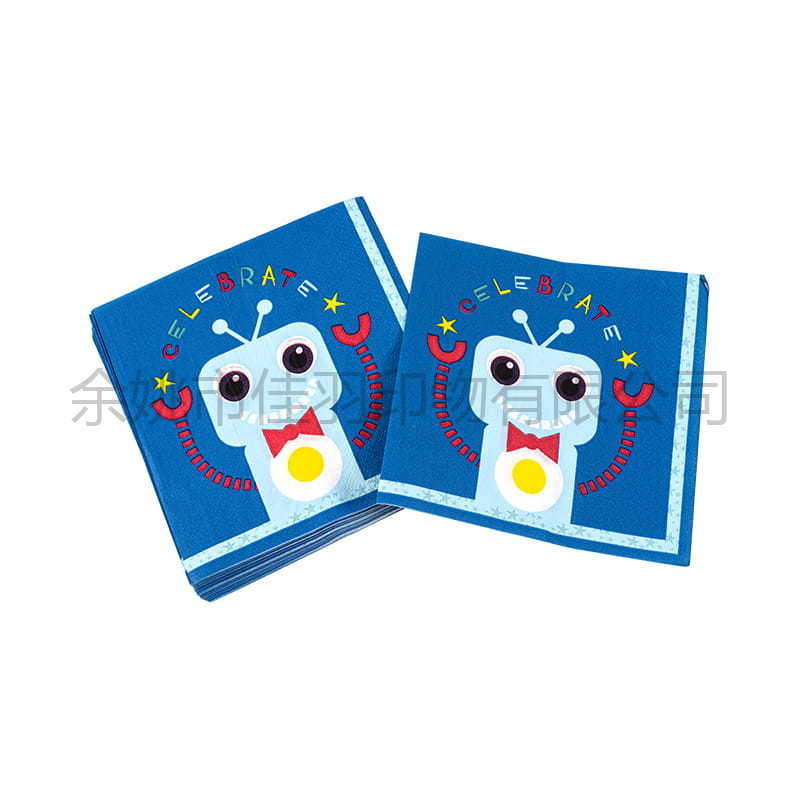
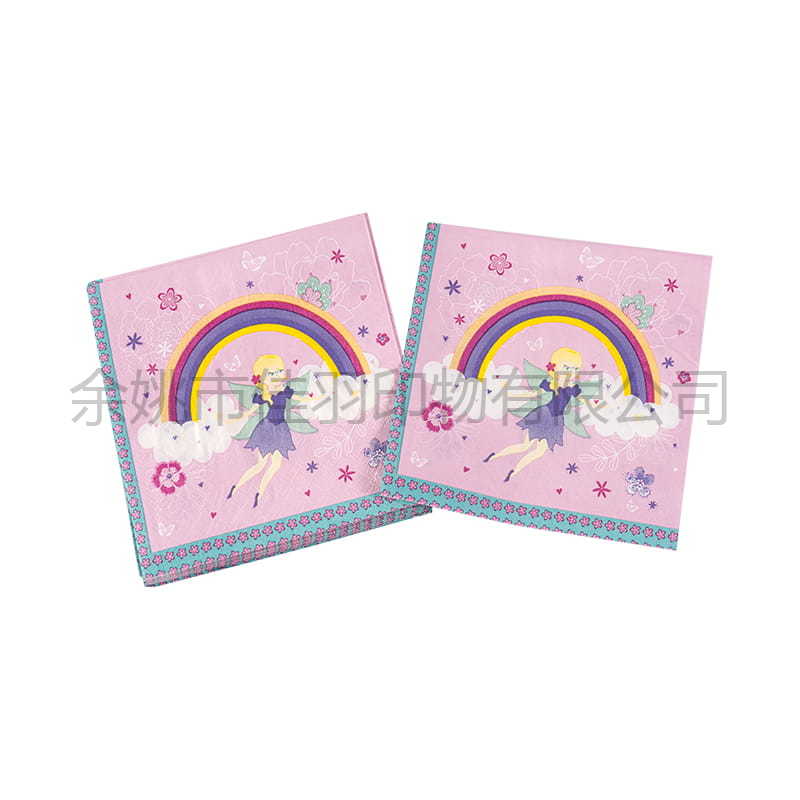
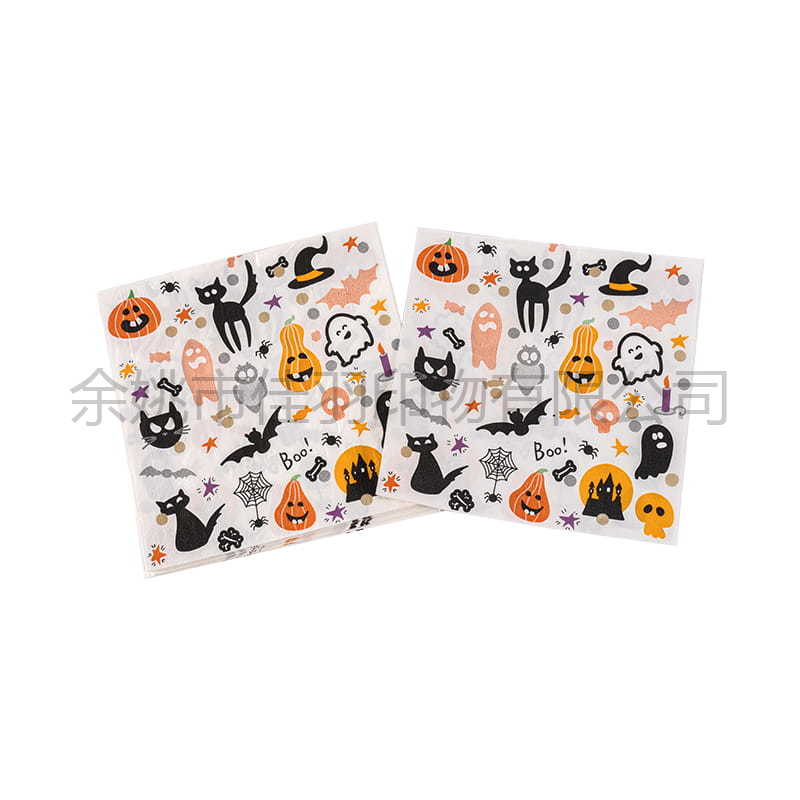
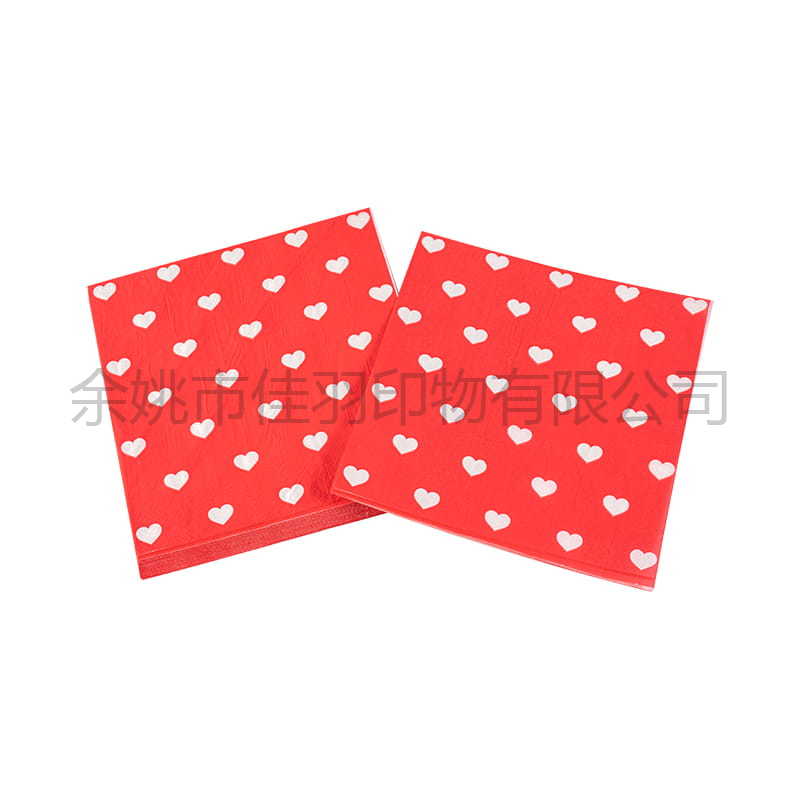
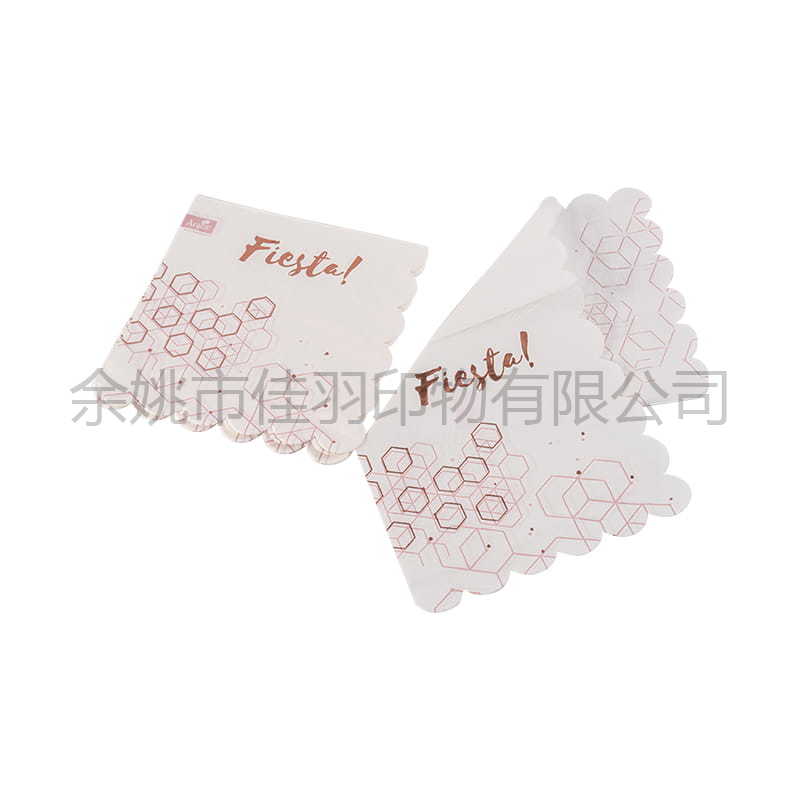
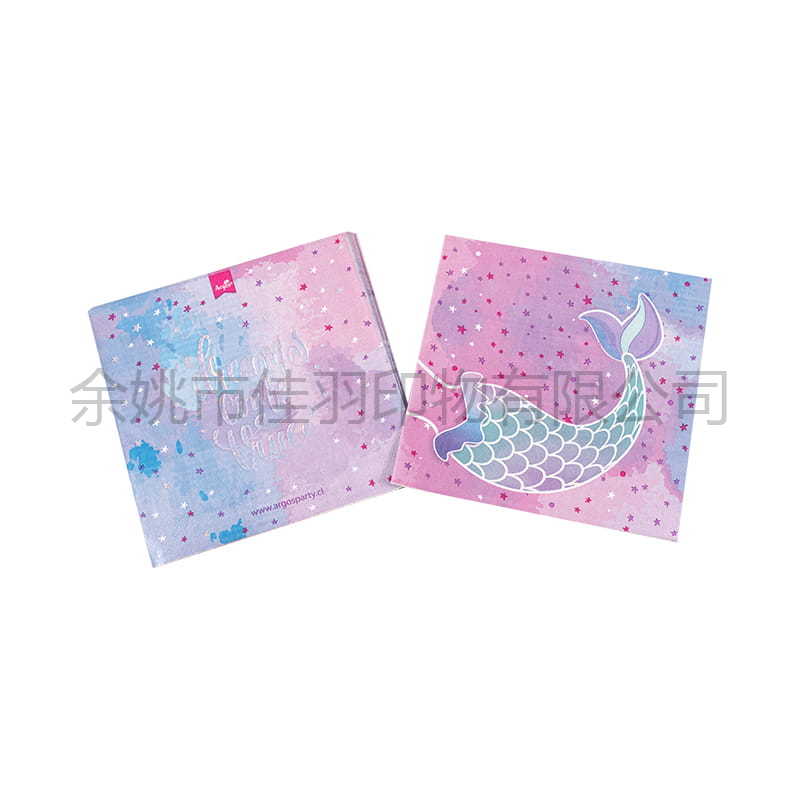
Many paper napkins are printed with decorative patterns or branding, and the type of ink used can influence how cleanly the material breaks down. Water-based and soy-based inks generally biodegrade alongside the paper fibers without leaving harmful residue, while some older solvent-based inks may contain compounds that break down more slowly. Napkins with plastic laminate coatings, sometimes used to add extra moisture resistance, will biodegrade far more slowly than plain paper since the coating itself is not made from natural fiber.
What to Look For in Eco-Friendly Napkins
- Napkins printed with water-based or soy-based inks rather than solvent-based inks
- No plastic film lamination or synthetic coating layers
- Sourced from FSC-certified or recycled wood pulp where possible
Composting Paper Napkins at Home
Plain, unbleached paper napkins can generally be added to a home compost pile, where they contribute carbon-rich material that balances nitrogen-rich food scraps in the composting process. Napkins used to wipe up small amounts of food are typically fine for composting, but those heavily soiled with grease, oil, or large amounts of meat residue are usually better suited for regular disposal, since excess grease can slow decomposition and attract pests.
Composting Guidelines
- Tear napkins into smaller pieces to speed up the composting process
- Avoid composting napkins heavily soaked in grease or oil
- Layer paper napkins with food scraps to maintain a good carbon to nitrogen balance
- Keep the compost pile moist and turned regularly to support microbial activity
Paper Napkins Compared to Other Disposable Options
When evaluating environmental impact, it helps to compare paper napkins against other common disposable tableware materials used in restaurants and households.
Material Comparison
| Material |
Biodegradable |
Approximate Breakdown Time |
| Plain Paper Napkin |
Yes |
Weeks to a few months |
| Plastic-Coated Napkin |
Partially |
Years, coating persists |
| Plastic Disposable Wipe |
No, in most cases |
Hundreds of years |
Why Recycling Used Napkins Is Not Usually an Option
Unlike clean paper products such as cardboard or office paper, used paper napkins are generally not accepted in curbside paper recycling programs because they are contaminated with food residue, oils, or moisture, which can interfere with the recycling pulping process and contaminate an entire batch of recyclable paper. Composting or standard disposal remains the more practical option for used napkins, while unused, clean napkin scraps from manufacturing can sometimes be reincorporated into recycled pulp production.
Choosing Napkins With Better End of Life Impact
For businesses and households looking to minimize environmental impact, selecting napkins made from responsibly sourced pulp, free of plastic coatings, and printed with water-based inks offers the most straightforward path to full biodegradability. A Paper Napkin produced without synthetic laminate layers breaks down cleanly in composting conditions, making it a practical choice for restaurants, hotels, and households aiming to reduce reliance on plastic-based disposable products without sacrificing print quality or branding options.
 English
 中文简体
中文简体 Español
 Deutsch


 No.71, Xiafan, Panxiang Village, Yangming Street, Yuyao City, China.
 491791889@qq.comsales@jiayuprint.com
 +86-13186866868
 +86-0574-62587484