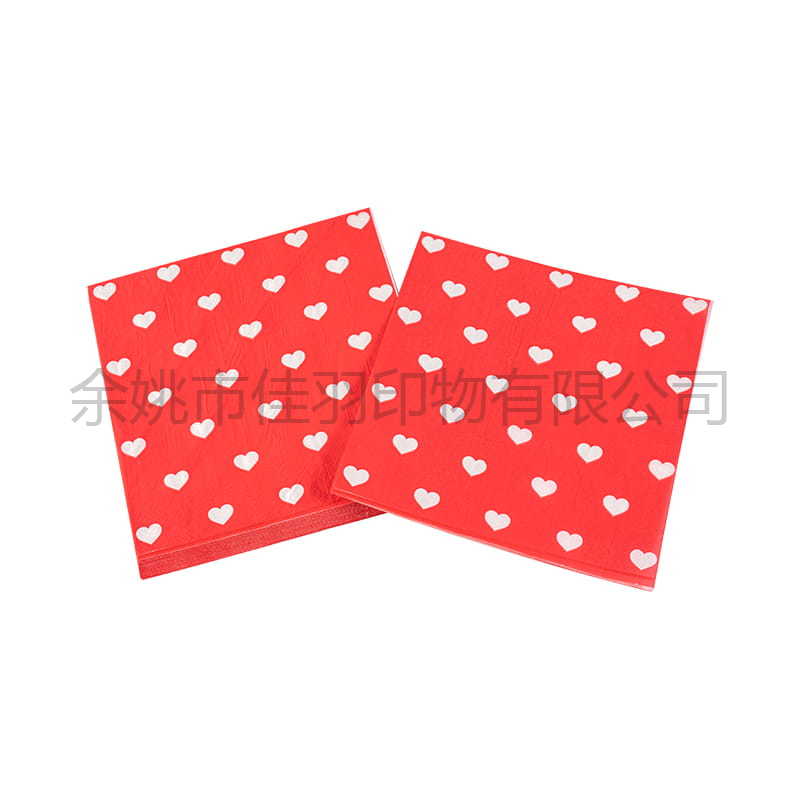
To fold a paper napkin into a flower shape, start with a square napkin, fold it into a fan or accordion pattern, then secure the center and gently pull the individual layers outward and upward to create petals, similar to how a paper fan opens into a rounded bloom shape. This is one of the most popular napkin folding techniques used for weddings, formal dinners, and restaurant table settings because it requires no special tools and works well with both plain and printed designs. A Paper Napkin with good crease retention and a slightly heavier weight, generally in the 2-ply to 3-ply range, holds the folded shape best and resists flattening while displayed. The full step by step process is explained below, along with tips for getting cleaner, more even petals.
What You Will Need Before You Start
This flower fold works best with a square paper napkin, since even, symmetrical folds are much easier to achieve on four equal sides compared with a rectangular shape. Having a flat, clean surface to work on also makes the folding process smoother and helps keep creases sharp.
Materials Checklist
- One square paper napkin, ideally 2-ply or 3-ply for better hold
- A flat table or counter surface to fold on
- A small piece of ribbon, string, or tape to secure the center, if desired
- A small glass or napkin ring to help the flower hold its shape once folded
Step by Step Folding Instructions
This classic fan style flower fold takes only a few minutes to master and produces a consistent, attractive result once you get the fold spacing even.
Basic Flower Fold Steps
- Lay the napkin flat on the table with the printed or decorative side facing down
- Starting from one edge, fold the napkin back and forth in an accordion pattern, making each fold about one inch wide
- Continue folding the entire napkin into a tight, evenly pleated strip
- Find the exact center of the folded strip and pinch it firmly
- Wrap a small piece of ribbon or string tightly around the center pinch point to hold it in place
- Gently separate the folded layers on each side of the center, fanning them outward
- Carefully pull each individual layer upward and curl it slightly to form rounded petals
- Continue shaping until the layers form a full, rounded flower silhouette
Tips for Cleaner, More Even Folds
The final appearance of the flower depends heavily on how consistent the accordion folds are, since uneven fold widths create a lopsided shape once the petals are separated.
Common Tips From Experienced Folders
- Use a ruler or the edge of a card to guide fold width if precision is important for a formal event
- Crease each fold firmly with your fingernail to keep the pleats sharp before separating the petals
- Work slowly when separating layers, since pulling too quickly can tear thinner napkins
- Practice on a few extra napkins first if you plan to fold a large batch for an event
Choosing the Right Napkin for Folding
Not every paper napkin holds a folded shape equally well, and choosing the right material makes a noticeable difference in how crisp and long lasting the finished flower looks on a table setting.
Napkin Weight Comparison for Folding
| Napkin Type |
Fold Retention |
Best Use Case |
| 1-Ply Thin Napkin |
Low, creases loosen quickly |
Casual everyday use |
| 2-Ply Standard Napkin |
Good, holds shape well |
Restaurant table settings, parties |
| 3-Ply Premium Napkin |
Excellent, holds crisp folds longest |
Weddings, formal events, display centerpieces |
Alternative Flower Fold Variations
Once the basic accordion fold is comfortable, a few simple variations can change the overall look of the finished flower to better match different table settings and occasions.
Popular Variations to Try
- Placing the folded flower inside a clear glass to hold a fuller, rounder shape automatically
- Using two napkins of different colors layered together before folding for a two-tone petal effect
- Trimming the outer edge of each petal into a slight point before separating the layers for a more textured look
- Securing the center with a decorative napkin ring instead of ribbon for a more polished finish
Where This Fold Works Best
The flower fold is especially popular for occasions where table presentation matters as much as function, and event planners often cite napkin folding as one of the simplest ways to elevate a table setting without significant added cost.
Common Occasions for This Fold
- Wedding receptions and formal banquet seating
- Holiday dinners and seasonal family gatherings
- Restaurant table settings for special occasion menus
- Baby showers, birthday parties, and other themed celebrations
Common Mistakes to Avoid
A few small missteps can make the difference between a crisp, professional looking flower fold and one that looks loose or uneven once placed on the table.
Mistakes That Affect the Final Look
- Making accordion folds of inconsistent width, which leads to lopsided petals
- Securing the center too loosely, which allows the fold to unravel over time
- Using a napkin that is too thin, causing petals to droop rather than hold shape
- Pulling petals apart too aggressively, which can tear the folded layers
Storing Folded Napkins Before an Event
If flowers need to be folded ahead of time for a large event, storing them flat in a single layer inside a lidded box helps preserve the shape and prevents the petals from being crushed before guests arrive. Avoiding humid storage areas is also important, since paper napkins can absorb moisture and lose crease sharpness if stored somewhere damp for an extended period.
Selecting Napkins for Reliable Folding Results
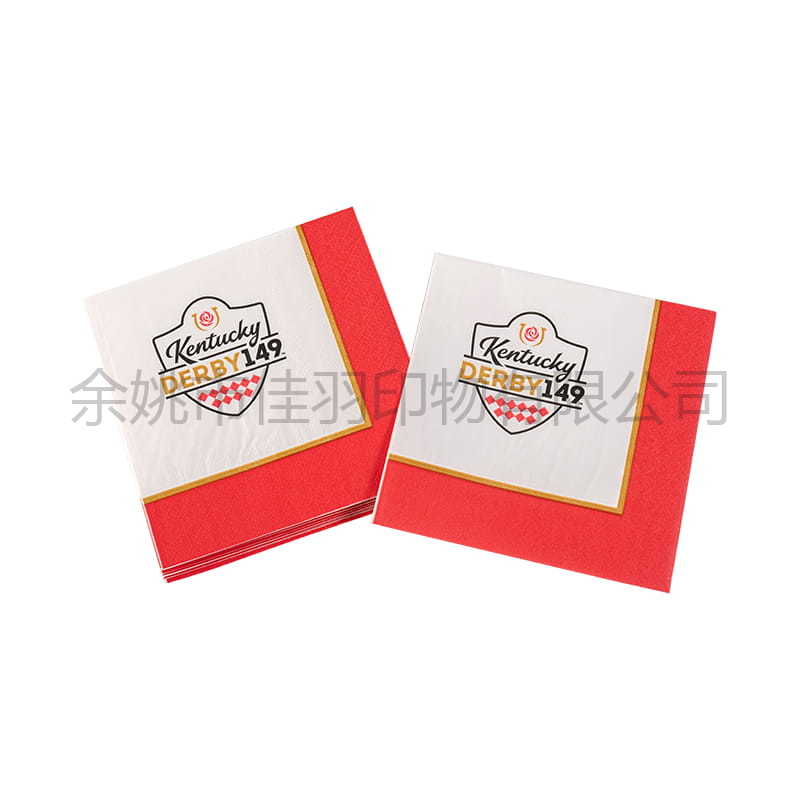
For anyone planning to fold napkins in bulk for an event or ongoing restaurant use, starting with a well-made Paper Napkin designed with consistent thickness and good crease retention makes the entire folding process faster and produces more uniform results across a large batch, which matters when presentation quality needs to stay consistent across every table.
 English
 中文简体
中文简体 Español
 Deutsch

 No.71, Xiafan, Panxiang Village, Yangming Street, Yuyao City, China.
 491791889@qq.comsales@jiayuprint.com
 +86-13186866868
 +86-0574-62587484