A buyer asks for short bond paper. The artwork is set up for A4. Both sheets may fit the same printer tray, so the job looks safe until the printed form is trimmed, folded, and inserted into an envelope. Then the margins shift, the barcode sits too close to the edge, and the reprint starts. Bond paper dimensions are simple numbers, but they are not one global standard. The label on the ream is only the starting point.
The practical answer is this: short bond is usually 8.5 x 11 inches, or 216 x 279 mm. Long bond is often 8.5 x 13 inches, or 216 x 330 mm, in markets that use that term. Legal is 8.5 x 14 inches, or 216 x 356 mm. Tabloid is 11 x 17 inches, or 279 x 432 mm. A4 is 210 x 297 mm. Confirm the actual trim size before ordering, because the name alone does not define the sheet.
Bond paper is a grade, not a size
Bond paper began as a durable writing and printing paper, and the name still appears on office paper, letterheads, forms, and copier paper. In some markets, the term is used much more broadly than in others. That is why two suppliers can quote short bond paper and still ship sheets with slightly different dimensions, weights, or packing counts.
Treat the paper grade and the sheet size as separate lines in the specification. A 20 lb bond sheet can be cut to short bond, long bond, or another format. Basis weight describes the paper mass, while trim size describes the finished sheet. As a rough guide, 20 lb bond is close to 75 gsm, and 24 lb bond is close to 90 gsm, but the exact conversion depends on the mill and the grade. If the job depends on thickness, stiffness, or opacity, ask for the gsm value as well.
Common bond paper dimensions at a glance
Common bond paper and office sheet dimensions. Always confirm trim size and grain direction before ordering.
| Name |
Inch size |
Millimeter size |
Typical use |
Watch point |
| Short bond or US Letter |
8.5 x 11 inches |
216 x 279 mm |
Office letters, forms, copies |
Close to A4 but not identical |
| Long bond |
8.5 x 13 inches |
216 x 330 mm |
School and legal-style documents in some markets |
Not a universal standard |
| Legal |
8.5 x 14 inches |
216 x 356 mm |
Legal, real estate, and contract documents |
Longer sheet can change filing and postage |
| Tabloid or Ledger |
11 x 17 inches |
279 x 432 mm |
Spreadsheets, proofs, folded booklets |
Binding direction can change the name |
| A4 |
8.27 x 11.69 inches |
210 x 297 mm |
International office and export documents |
ISO 216 size, not a US cut |
These figures are the ones to put on a purchase order. If a supplier uses a different local cut, record that size in millimeters and attach a sample if the print position is critical.
Short bond and A4 are close, but not interchangeable
A4 is 210 x 297 mm. Short bond is 216 x 279 mm. A4 is 6 mm narrower and 18 mm longer. Many office printers accept both, but that does not mean the printed piece will match. Preprinted forms, window envelopes, binding margins, and scanner settings are built around a specific sheet.
Run a simple test before production. Print the file at 100 percent, not fit to page. Measure from the trim edge to the first line of type at the top, left, right, and bottom. Check the bottom margin and any registration marks. If the design uses a 19 mm margin, a sheet that is 18 mm longer can push the bottom content into the wrong place after folding. Fit to page may hide the problem by scaling the artwork, but a 3 to 5 percent scale change can break barcode scanning, form alignment, or a die line.
Long bond means different things in different markets
In the Philippines, long bond is often 8.5 x 13 inches, or 216 x 330 mm. In the US, a longer sheet is more commonly called legal and measures 8.5 x 14 inches, or 216 x 356 mm. A quote that says long bond without millimeters is incomplete. The 25 mm difference changes folder depth, envelope fit, and the number of pieces cut from a parent sheet.
For export orders, put both inch and millimeter sizes on the purchase order. Add a trim tolerance, such as plus or minus 1 mm, and note the grain direction if the job will fold or bind. A 1 mm drift is easy to miss on one sheet. Over 10,000 sheets, it can affect feeding, stacking, and finishing.
From sheet size to print layout
Commercial printing works backward from the finished size. Before a sheet is cut, the printer plans bleed, gripper space, grain direction, and the number of pieces per parent sheet. An 8.5 x 11 inch job with 3 mm bleed needs a larger sheet than the trim size suggests. If the buyer changes from short bond to A4 after imposition, the printer may need to re-plan the layout and recalculate paper waste.
For paper cards, packaging, and printed marketing pieces, the same logic applies. The finished dimensions must match the die line, the folding allowance, and the packing carton. This is why a printer will ask for the final trim size in millimeters, not just the paper name.
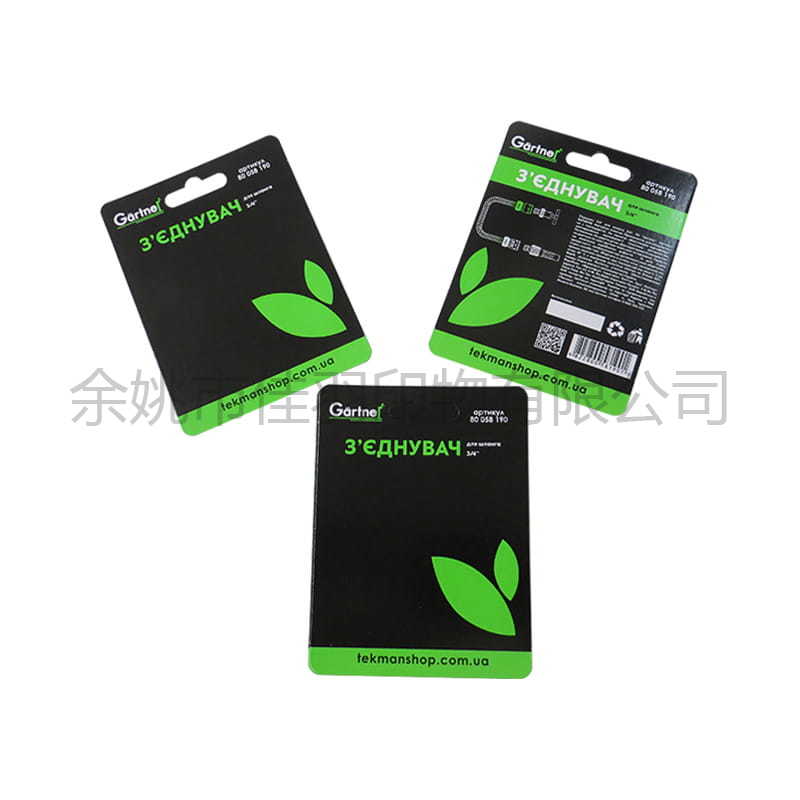 Custom Printed Paper Cards and Card FormatsBrowse this custom printed paper card range to compare blister, tie, door-hanger, sleeve and shaped formats suited to packaging and promotional uses.View Product →
Products such as printed paper cards show how a flat sheet becomes a specified retail item. For packaging, a white card color box is also quoted from final dimensions, board thickness, and print coverage, so sheet size and box size cannot be treated as separate decisions.
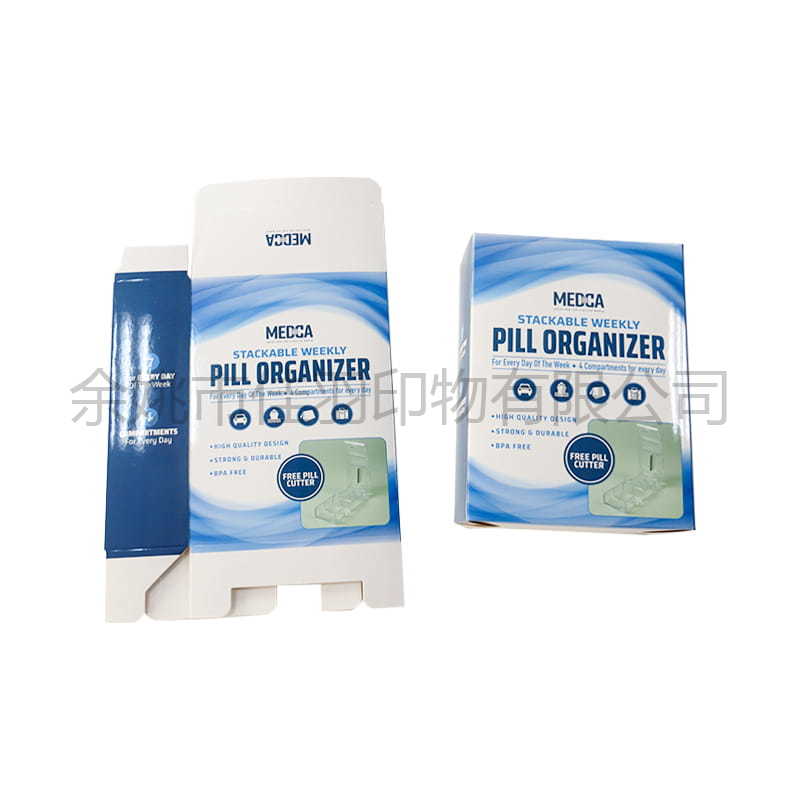 Custom White Card Color Paper BoxView this customizable white card box for gift, accessory and display packaging, with a smooth printable surface and recyclable board for branded presentation.View Product →
Design files: convert the trim size, not the label
For raster artwork, convert the physical sheet to pixels at the target output resolution. At 300 dpi, short bond is 2550 x 3300 pixels, A4 is 2480 x 3508 pixels, and long bond at 8.5 x 13 inches is 2550 x 3900 pixels. Add bleed outside those figures rather than scaling the final trim size. If the file is built at 72 dpi, the page size may be correct while the printed image still lacks detail.
Vector files avoid that resolution problem, but they still need the right page size and bleed. Put the trim size, bleed, and safe margin on the artboard. Label the file with the sheet name and millimeter size, for example short bond 216 x 279 mm. That small habit prevents a later debate about whether the design was built for letter or A4.
A practical spec sheet for buyers
Use a short checklist when requesting a quote or issuing a purchase order:
- Label: short bond, long bond, legal, tabloid, or A4.
- Trim size: inches and millimeters, with tolerance.
- Basis weight: 16 lb, 20 lb, 24 lb, or gsm.
- Grain direction: long grain or short grain if folding or binding.
- Color and finish: white, cream, blue, recycled, or preprinted.
- Packing: sheets per ream, reams per carton, and pallet pattern.
Add a sample approval step. A printer can match a sheet to the approved sample only if the sample carries the same trim size and weight. If the buyer approves a 20 lb short bond sample and the production order ships 24 lb long bond, the print may look correct while the fold, mail cost, and finished feel all change. For related production topics, the site's printing industry news section covers paper and packaging subjects.
Quality checks that catch dimension errors early
Check the sheet before printing, after cutting, and after finishing. Measure length and width at three points across the stack. Record the smallest and largest reading, then compare the result with the approved trim size and tolerance. A simple record sheet is enough.
- Measure the trimmed sheet at the top, middle, and bottom.
- Compare the readings with the approved trim size and tolerance.
- Check squareness by measuring both diagonals.
- Confirm grain direction by tearing a scrap or reading the mill label.
- Test one printed and folded sample in the envelope, binder, or packaging line.
A diagonal difference of more than 1 mm can cause feeding problems on some presses. A sheet can pass the width check and still fail the squareness check, so measure both. These checks are simple, but they prevent the most expensive mistake: a full run that fits the printer but not the customer's file, folder, or mail system.
Matching the sheet to the job
Use short bond for everyday letters and forms in US-letter markets. Use A4 for international correspondence and documents built to ISO 216. Use legal where a longer sheet is required by filing rules. Use long bond only when the supplier and buyer agree on the exact millimeter size, because the label alone is not enough. Use tabloid for proofs, spreadsheets, and folded booklets when the finished page is letter size.
In a production setting, the safest purchase order includes the name, the inch size, the millimeter size, the basis weight, and the grain direction. That line prevents most disputes, and it gives the printer a clear target for cutting, printing, and packing. If the job also involves printed cards, boxes, or food-service paper items, apply the same discipline to every component. The dimensions on the drawing should match the dimensions on the purchase order, and the sample should match both. Bond paper dimensions are easy to list, but only a confirmed trim size keeps the job predictable.
 English
 中文简体
 Español
 Deutsch


 No.71, Xiafan, Panxiang Village, Yangming Street, Yuyao City, China.
 491791889@qq.comsales@jiayuprint.com
 +86-13186866868
 +86-0574-62587484
