Short answer: yes, coated paper can be recycled, but the coating type and your local program decide whether a given sheet or cup actually gets recycled. Clay coated magazine paper and many printed brochures move through mixed paper streams. Polyethylene coated cups are accepted in some communities and rejected in many others. PLA coated items are designed for industrial composting, not paper recycling. Cleanliness matters too, because food, grease, and liquid can turn a technically recyclable item into contamination.
What Coated Paper Actually Means
Coated paper is paper with a thin layer applied to improve print quality, gloss, smoothness, or barrier performance. That layer might be clay or calcium carbonate for printing, polyethylene for liquid resistance, a water-based dispersion for grease resistance, or PLA for compostable food service items. A coating is not the same as lamination. Foil, plastic film, or heavy adhesive layers create mixed materials that most paper mills cannot separate economically.
The practical distinction is between paper that still behaves like paper in a pulper and paper that carries a plastic layer. The first group usually fits mixed paper recycling. The second group is conditional and depends on mill equipment and local collection rules.
Recycling Outlook by Coating Type
Coating type matters more than paper color or gloss when a local program decides whether to accept a coated item.
| Coating or construction |
Common examples |
Recycling outlook |
Buyer action |
| Clay or mineral coating |
Magazines, catalogs, brochures, some printed cartons |
Generally accepted with mixed paper when clean and dry |
Keep free of food, plastic windows, and heavy tape |
| Polyethylene coating |
Hot cups, cold cups, takeout containers, some cartons |
Accepted by some programs and mills, rejected by many curbside programs |
Confirm local acceptance before specifying or sorting |
| Water-based dispersion coating |
Grease-resistant food wraps, dry food packaging |
Can be repulpable, but performance varies by formula |
Ask for repulpability test data, not just a recyclable claim |
| PLA coating |
Compostable cups, plates, and food containers |
Not designed for paper recycling and can contaminate paper bales |
Route to industrial composting where collection exists |
The table is a starting point, not a guarantee. A local program can accept glossy magazines but reject all coated cups because it lacks a mill that can handle the plastic reject. Another program may accept polyethylene coated cups because its mill has a dedicated repulping line. The collection rule overrides the general material story.
Why Mills Can Recycle Some Coated Paper
In a paper mill, coated paper is repulped in water. Clay coatings usually disperse and are removed during screening, cleaning, and deinking. The paper fiber can be recovered and used again. Polyethylene coatings behave differently. The plastic film may separate from the fiber, but it becomes a reject stream that the mill must handle. Some mills are equipped for that reject. Others are not, which is why a cup that is technically repulpable may still be excluded from a community program.
Water-based coatings can be designed to break down in a repulping system, but the word water-based alone is not proof. Formula, coat weight, and testing method all matter. PLA is a polymer, and ordinary paper recycling is not an industrial composting process. Putting PLA coated paper into a paper bale can reduce the value of the bale and create contamination for the mill.
This is also why mills and brands increasingly ask for independent repulpability testing. A supplier should be able to explain what the coating is, how much is applied, and whether the finished item has been tested in a recognized repulping protocol. For a broader look at paper cup and bowl choices, this overview of paper cups and bowls in sustainable living is a useful companion to the technical questions.
Where Curbside Rules Usually Draw the Line
Most curbside programs are comfortable with clean magazines, catalogs, office paper, and printed brochures. They are more cautious with food service packaging because food residue, liquid, and plastic coatings reduce fiber yield. Common exclusions include greasy pizza boxes, used coffee cups with liquid inside, foil stamped gift wrap, laminated pouches, and paper with heavy plastic windows or handles.
- Keep paper clean and dry before placing it in the recycling bin.
- Empty and scrape food containers, but do not rinse paper so heavily that it becomes wet.
- Remove plastic windows, handles, or adhesive strips when the local program asks for it.
- Do not place PLA coated items in paper recycling unless the program explicitly accepts them.
- When a program says no coated cups, keep them out rather than hoping the sorter will recover them.
Wishcycling is a real cost. A single greasy cup or a wet stack of coated paper can lower the quality of a whole bale. If you are unsure, check the program's accepted materials list or use the local waste guide. When in doubt, leave it out.
Food Service Packaging: Cups, Plates, and Takeout Boxes
Hot cups usually need a barrier to hold liquid without leaking. Polyethylene is common because it seals well and performs across hot and cold drinks. That same barrier is what makes the cup conditional for recycling. Some communities accept polyethylene coated cups, but many do not. Compostable cups with PLA coatings are not a drop-in fix for paper recycling. They need a separate industrial composting stream.
For a 12oz hot cup, the base paper may be fully recyclable in theory while the finished cup is rejected in practice. The specification should match the local end-of-life route, not just the word recyclable on a supplier page.
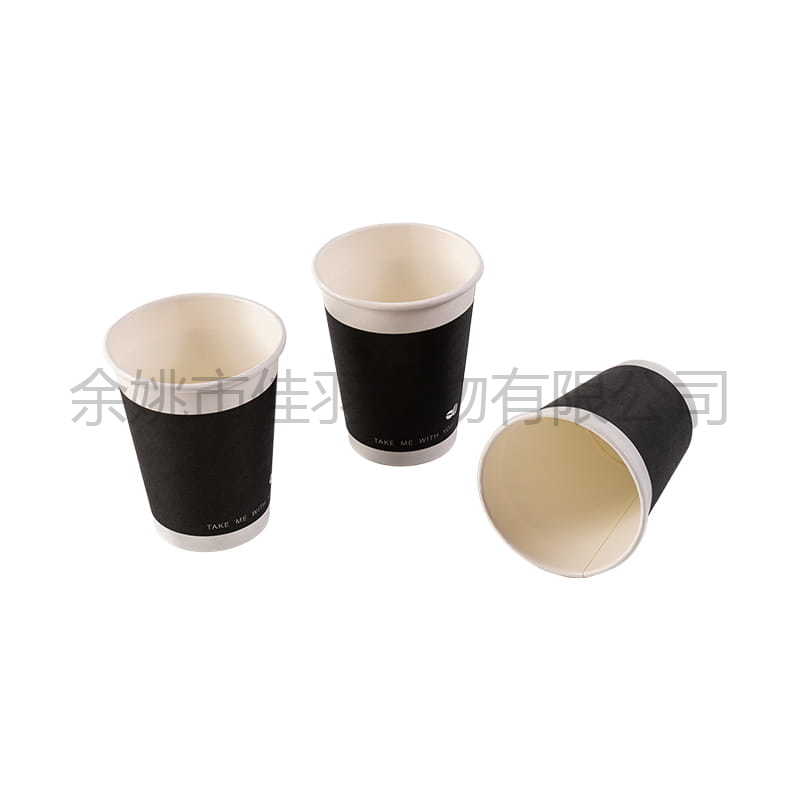 Customizable 12 oz Coffee Paper CupA 12 oz hot-drink cup with stated dimensions and recyclable materials; worth reviewing when matching cup specifications to local recycling routes.View Product →
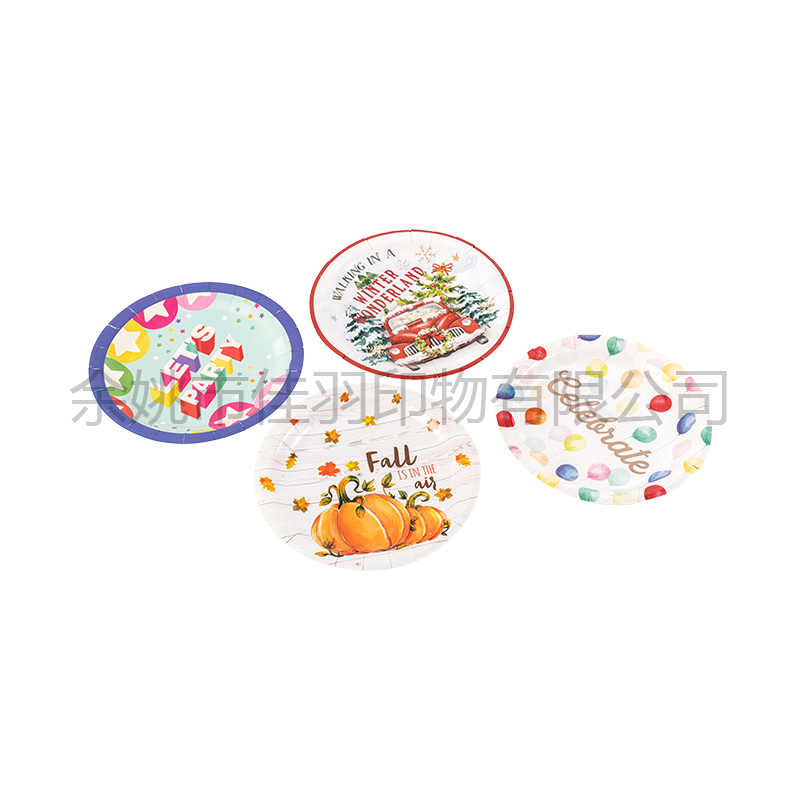
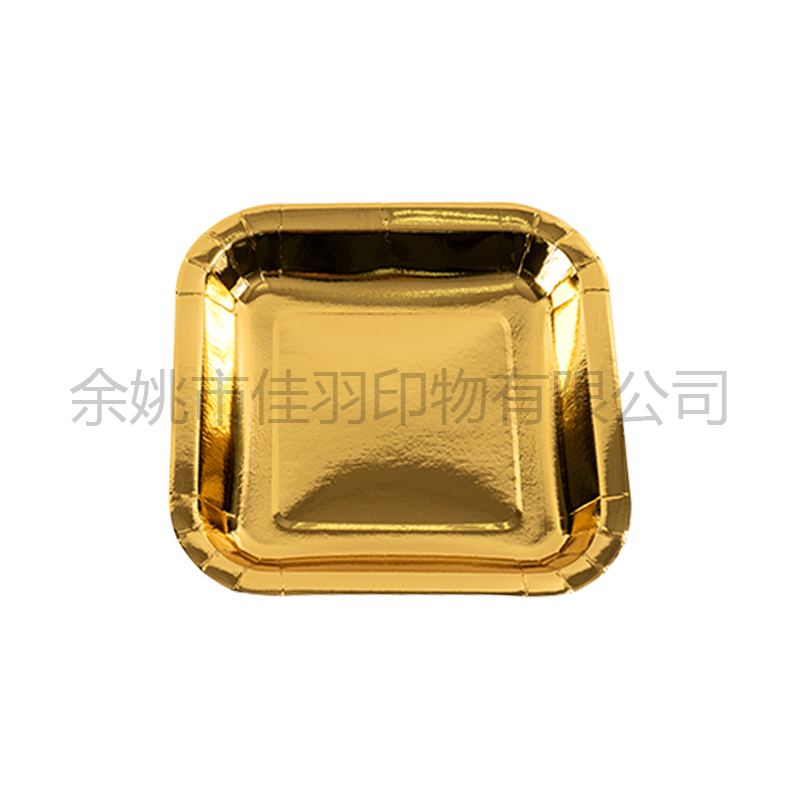
Paper plates are a different case. Many are clay coated for a smooth print surface or lightly coated for grease resistance. Clean plates can sometimes move with mixed paper, but food soiled plates usually do not. Uncoated plates for dry foods, such as cookies or party snacks, avoid the barrier question entirely. For events, the practical move is to separate clean paper from food waste and to follow the venue's waste rules.
What Buyers Should Ask Before Specifying Coated Paper
Procurement teams can reduce risk by asking a few direct questions before approving a printed item or food service package. The goal is not to find a perfect material. The goal is to match barrier performance with the infrastructure that will actually receive the item.
- Ask for the exact coating chemistry and coat weight, not a generic description such as coated or eco-friendly.
- Request repulpability or recyclability test data if the item is expected to enter a paper stream.
- Confirm that the local collection program accepts that coating type and that a mill is available to process it.
- Avoid unnecessary film, foil, and plastic windows when a printed paper surface can do the job.
- Plan for food contamination and separate collection in food service settings.
Cost follows the same logic. Polyethylene is common and effective for liquid barriers, but its recycling acceptance is uneven. Water-based or dispersion coatings can improve repulpability, yet they may cost more and still need verification. PLA has value only where industrial composting exists. For printed packaging boxes, the coating choice affects both shelf appearance and end-of-life handling, so it is worth settling before artwork is approved.
 Custom Matte Printed Corrugated Paper BoxCustom corrugated packaging box with matte color printing and recyclable materials; useful when comparing printed packaging options and end-of-life paper handling.View Product →
How to Recycle Coated Paper Correctly
At home or in an office, the routine is straightforward. Empty cups and containers, scrape out food, and keep the paper dry. Place clean coated paper with mixed paper only if the local program accepts that item. Remove plastic windows, handles, or non-paper attachments when required. Keep shredded paper out of curbside bins unless the program specifically allows it, because short fibers are difficult to sort.
At a cafe or event, provide separate bins for liquids, food waste, and paper. A clean paper cup has a better chance of being recycled than a cup half full of coffee. A greasy plate should go to general waste or organics, depending on local rules, rather than into a paper bale.
Common Myths and Edge Cases
Shiny paper is not automatically unrecyclable. Many glossy magazines use clay coating and are accepted in mixed paper programs. Compostable coating does not mean recyclable, because PLA needs industrial composting rather than repulping. Wet paper is not fine, because moisture weakens fibers and encourages mold in bales. All paper cups are not the same, because the coating and the local mill determine the outcome. These edge cases are why a short check with the local program is more useful than a broad claim about coated paper.
Bottom Line
Coated paper is not one material. Clean clay coated paper is broadly recyclable. Polyethylene coated food service items are conditional and depend on local collection and mill capacity. PLA coated items belong in industrial composting where that stream exists. Buyers get better results when they ask for coating data, test repulpability, and match the package to the infrastructure that will receive it. Sorting matters as much as specification, because a clean dry item has a real chance while a food soiled one usually does not.
 English
 中文简体
 Español
 Deutsch

 No.71, Xiafan, Panxiang Village, Yangming Street, Yuyao City, China.
 491791889@qq.comsales@jiayuprint.com
 +86-13186866868
 +86-0574-62587484
