Most paper plates cannot be recycled. The vast majority of disposable paper plates are coated with a thin layer of plastic or wax to resist moisture and grease, which makes them non-recyclable in standard municipal facilities. Additionally, food residue—oil, sauce, and grease—contaminates the paper fibers, rendering entire recycling batches unusable. According to the EPA, U.S. recycling contamination rates hover around 25%, and food-soiled paper products are a major contributor. Only clean, uncoated paper plates have any chance of entering recycling streams, and even then, acceptance varies by municipality.
Why Most Paper Plates Fail the Recycling Test
Plastic and Wax Coatings Block Fiber Recovery
The primary barrier to recycling is the polyethylene (plastic) or wax coating applied to paper plates. This layer, which can constitute 20% to 30% of the product's weight, is firmly bonded to the paper fibers. During the pulping process at recycling mills, the plastic cannot be separated efficiently, causing it to jam machinery and contaminate clean paper batches. A 2019 EPA study noted that less than 10% of coated paper products successfully enter recycling streams. The coating essentially turns a paper product into a mixed-material item that most facilities are not equipped to process.
Food Contamination Ruins Recycling Batches
Even a small amount of grease or food residue can compromise an entire load of recyclable paper. Recycling mills require clean, dry paper to produce high-quality pulp. When greasy plates enter the system, the oil spreads through the water-based pulping mixture, weakening fibers and creating defects in new paper products. This is why most curbside programs explicitly reject used paper plates, regardless of coating type.
Chemical Additives and Mixed Materials
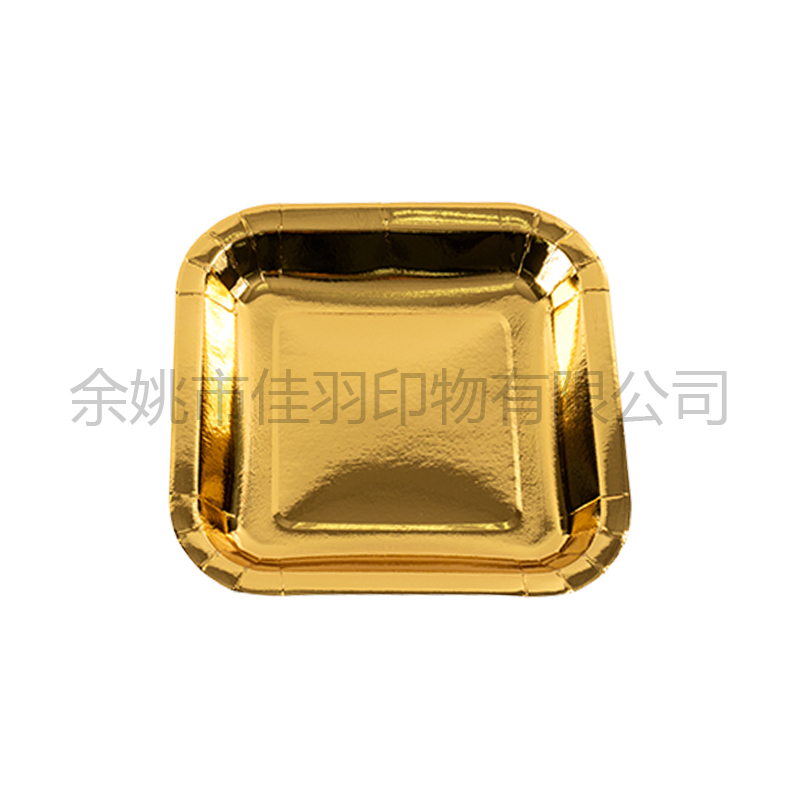
Many paper plates contain dyes, bleaches, glues, or chemical additives such as PFAS (per- and polyfluoroalkyl substances) to enhance durability and water resistance. These chemicals can taint recycled pulp and create health concerns in new paper products. Plates with foil accents, plastic cutouts, or multi-layer construction further complicate sorting and processing, often leading to entire loads being diverted to landfills or incineration.
The Small Exception: When Paper Plates Can Be Recycled
Recycling is possible only under strict conditions:
- The plate must be completely uncoated—no plastic, wax, or clay lining.
- It must be free of all food residue, grease, and oil.
- Your local recycling facility must explicitly accept paper plates in its curbside program.
Even when these conditions are met, uncoated paper plates can only be recycled five to seven times before the fibers become too short and weak for further processing. This limited recyclability underscores why reduction and reuse remain superior strategies.
Comparing Disposal Options by Plate Type
Table 1: Disposal Pathways for Different Paper Plate Types
| Plate Type |
Recyclable |
Compostable |
Typical Disposal |
| Uncoated Paper |
Yes (if clean) |
Yes (home/industrial) |
Recycling or compost |
| Plastic-Coated (PE) |
No |
No |
General waste/landfill |
| Wax-Coated |
No |
Industrial only |
Trash or industrial compost |
| Bagasse (Sugarcane) |
No |
Yes (60–90 days) |
Composting facility |
| Molded Fiber |
No |
Yes (industrial) |
Industrial compost |
The Economic and Environmental Cost of Contamination
When contaminated paper plates enter recycling streams, the consequences extend beyond individual items. According to the Ellen MacArthur Foundation, paper cup and plate contamination contributes to a 22% increase in processing costs at materials recovery facilities. If contamination levels exceed facility thresholds, entire truckloads of otherwise recyclable material are diverted to landfills. With the U.S. paper plate and cup market valued at over $20 billion annually, the volume of non-recyclable waste is substantial. Furthermore, a 2023 survey revealed that 69% of consumers mistakenly believe paper cups and plates are fully recyclable, highlighting a critical awareness gap that perpetuates contamination.
Practical Alternatives and Better Disposal Practices
Switch to Reusable Tableware
The most effective solution is eliminating single-use plates entirely. Ceramic, glass, or stainless steel plates have a higher upfront environmental cost but become significantly more sustainable after 20 to 50 uses, depending on the material and washing method.
Choose Certified Compostable Options
For disposable needs, select plates certified by standards such as BPI (Biodegradable Products Institute) or OK Compost. Bagasse plates, made from sugarcane fiber residue, decompose within 60 to 90 days in industrial composting facilities. However, these should never be placed in recycling bins—they require dedicated composting streams.
Proper Disposal of Used Paper Plates
Follow these steps to minimize environmental impact:
- Scrape all food residue into compost or trash before disposing of the plate.
- If the plate is uncoated and clean, check local guidelines for recycling acceptance.
- Coated or soiled plates belong in general waste—never in recycling.
- Consider tearing uncoated plates into smaller pieces to accelerate decomposition in landfills.
Regulatory Trends and Future Outlook
Regulatory pressure on single-use food packaging is intensifying. As of 2026, 14 U.S. states have introduced legislation restricting PFAS in food packaging, with 8 states enacting outright bans. Extended Producer Responsibility (EPR) laws, now active in states like Colorado and Maine, require manufacturers to fund recycling infrastructure and meet material-specific recycling rate targets. These policies are expected to drive innovation in easily recyclable or compostable plate designs. For consumers, the most reliable path forward is to treat nearly all disposable paper plates as non-recyclable and prioritize reusable or certified compostable alternatives.
 English
 中文简体
中文简体 Español
 Deutsch

 No.71, Xiafan, Panxiang Village, Yangming Street, Yuyao City, China.
 491791889@qq.comsales@jiayuprint.com
 +86-13186866868
 +86-0574-62587484