Paper cups are preferred over plastic cups primarily because they biodegrade significantly faster, do not persist in the environment as microplastics, are compatible with more recycling infrastructure globally, and are increasingly mandated by regulation in place of single-use plastic in many jurisdictions. For businesses and consumers making environmentally conscious choices — or complying with single-use plastic bans in the EU, UK, Canada, and a growing number of countries — paper cups are the practical default replacement. Performance-wise, paper cups handle hot and cold beverages equally well and provide sufficient structural integrity for single-use consumption.
Reason 1: Environmental Degradation — Paper Breaks Down, Plastic Persists
This is the most significant environmental difference between the two materials. A paper cup discarded in the natural environment breaks down in 2 to 6 weeks under outdoor conditions; a plastic cup takes 450 to 1,000 years to degrade — and even then, it breaks into microplastic fragments that persist in soil and water indefinitely rather than truly disappearing.
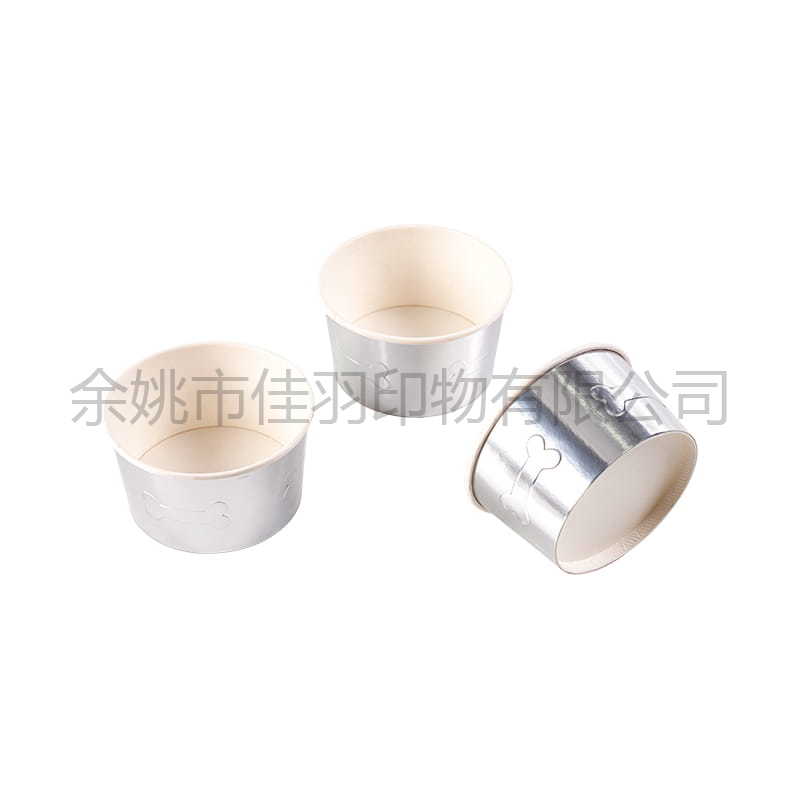
Microplastic contamination — generated as plastic cups, bottles, and packaging fragment — has been detected in drinking water, seafood, agricultural soil, and human blood in studies conducted worldwide. Paper cups generate no microplastic equivalent as they degrade. For any context where some fraction of single-use cups will inevitably enter the environment through littering or inadequate waste management — outdoor events, transportation hubs, street food — this difference is material.
Reason 2: Regulatory Compliance — Single-Use Plastic Bans
The regulatory landscape is shifting decisively against single-use plastics:
- European Union: The Single-Use Plastics Directive (EU 2019/904) restricts or bans specific single-use plastic products and requires member states to achieve significant reductions in plastic cup consumption.
- United Kingdom: England banned single-use plastic cutlery, plates, and polystyrene food containers in 2023; further restrictions on cups are under consideration.
- Canada: Banned most single-use plastic items including cups under federal Single-Use Plastics Prohibition Regulations.
- Municipal bans: Hundreds of cities and municipalities globally have implemented local plastic cup restrictions — many food service businesses have switched to paper cups to ensure compliance across all jurisdictions where they operate.
For food service businesses operating across multiple jurisdictions, standardizing on paper cups avoids the operational complexity of managing different cup types for different regulatory zones.
Reason 3: Recyclability and Waste System Compatibility
Paper cups — including those with thin polyethylene lining for liquid resistance — are accepted in paper recycling streams in an increasing number of municipalities as specialized paper recycling capacity grows. Plastic cups, particularly polystyrene (PS) and polypropylene (PP) cups, are accepted by far fewer recycling programs globally.
Compostable paper cup variants (lined with plant-based PLA instead of petroleum PE) are accepted in commercial composting facilities where available, providing a waste diversion pathway that no plastic cup can match. Even where paper cups end up in landfill — the fate of most single-use cups globally — paper degrades within years while plastic persists essentially indefinitely.
Paper Cup vs. Plastic Cup: A Practical Comparison
Paper cup vs. plastic cup compared across environmental, functional, and regulatory criteria
| Criteria |
Paper Cup |
Plastic Cup |
| Environmental degradation time |
2–6 weeks (outdoor) |
450–1,000 years |
| Microplastic risk |
None |
High |
| Single-use plastic regulation compliance |
Compliant in most jurisdictions |
Restricted or banned in many jurisdictions |
| Recyclability |
Growing acceptance in paper recycling |
Limited; PS rarely accepted |
| Hot beverage suitability |
Good (with PE or PLA lining) |
Variable (some grades not hot-drink safe) |
| Print and branding surface |
Excellent (full-wrap print) |
Good |
| Consumer perception |
Positive (sustainable image) |
Increasingly negative |
When to Choose Paper Cups and When Alternatives May Be Better
Paper cups are the right choice for the vast majority of single-use beverage applications. The main situations where alternatives merit consideration:
- High-volume reusable cup programs: Where adequate washing infrastructure exists — offices, corporate campuses, stadiums with washing stations — reusable cups eliminate single-use waste entirely, which is environmentally superior to any single-use material including paper.
- Cold drinks with extended hold times: For very cold beverages held for over an hour, insulated plastic cups retain temperature better than standard paper — though double-walled paper cups narrow this gap significantly.
- Budget-constrained, waste-managed contexts: Where the cost differential between paper and plastic is significant and waste goes to a well-managed landfill or incineration rather than the natural environment — the environmental argument for paper over plastic narrows, though regulatory compliance may still dictate the choice.
 English
 中文简体
中文简体 Español
 Deutsch
 No.71, Xiafan, Panxiang Village, Yangming Street, Yuyao City, China.
 491791889@qq.comsales@jiayuprint.com
 +86-13186866868
 +86-0574-62587484