Paper plates can technically be reused in limited situations, such as when they remain clean, dry, and free of food residue after a single use, but in most practical cases they are not well suited for repeated use due to moisture absorption, structural weakening, and food safety concerns once they have made contact with wet or greasy foods. The fibrous construction that makes paper plates lightweight and biodegradable also makes them prone to softening and losing structural integrity after exposure to liquids, which limits how many times a single plate can realistically be reused without becoming unusable. Food safety guidelines commonly referenced by health organizations generally discourage reusing any disposable food-contact product that has held raw or perishable food, since bacterial contamination risk increases significantly once a porous surface like paper has been exposed to food residue, even if the surface appears visually clean afterward.
When Limited Reuse Is Reasonably Safe
There are specific circumstances where reusing a paper plate presents minimal risk, primarily when the plate has only held dry, non-perishable items and shows no signs of moisture damage or structural weakening.
Situations Where Reuse May Be Acceptable
- Holding dry snacks such as crackers, chips, or pretzels without any moisture transfer
- Serving as a temporary surface for craft materials or non-food household tasks
- Brief single-session use where the plate remains visibly clean and undamaged throughout
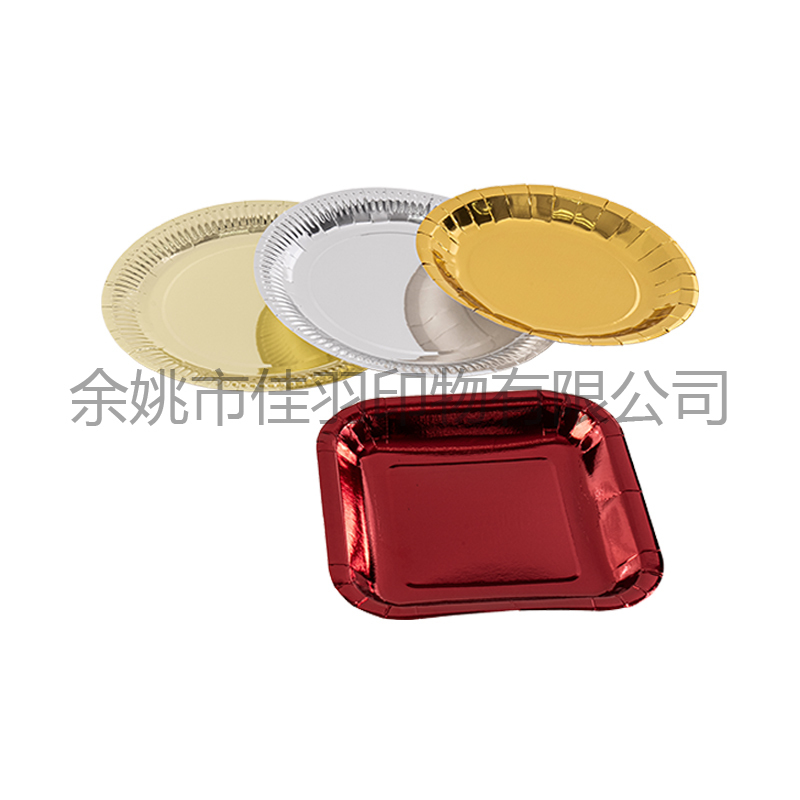
Even in these lower-risk scenarios, a high-quality Paper Plate with sturdy construction holds up better to careful, limited reuse than thinner, lower-grade alternatives that tend to soften or tear more easily after even brief handling.
Why Moisture Exposure Limits Reuse Potential
The fibrous paper structure that makes these plates biodegradable and lightweight is also what makes them particularly vulnerable to breaking down once exposed to liquid or grease from food.
How Moisture Affects Structural Integrity
| Exposure Type |
Effect on Plate Structure |
| Dry food contact only |
Minimal structural change, plate remains firm |
| Wet or greasy food contact |
Softening, weakening, potential tearing |
Once paper fibers absorb moisture, they lose the rigidity that gives the plate its shape and load-bearing capacity, meaning even a brief wipe-down after wet food contact is unlikely to fully restore the plate to a condition safe or practical for reuse.
Food Safety Concerns With Reusing Paper Plates
Beyond structural durability, food safety represents the more significant concern when considering whether to reuse a paper plate that has already held food, particularly perishable or raw items.
Why Porous Surfaces Pose Contamination Risk
Unlike smooth, non-porous surfaces such as glass or ceramic that can be thoroughly washed, paper's fibrous texture can trap food particles and moisture within its structure, creating conditions where bacteria can multiply even if the surface appears clean after wiping.
Higher Risk Foods to Avoid Reusing Plates For
Plates that have held raw meat, dairy products, or any perishable food should never be reused, since these food types carry a higher risk of bacterial contamination that cannot be reliably eliminated from a porous paper surface through simple wiping or rinsing.
Comparing Coated Versus Uncoated Paper Plates for Reuse Potential
Not all paper plates are constructed the same way, and the presence of a protective coating can meaningfully affect how well a plate withstands the possibility of limited reuse.
Coated Plate Characteristics
- Plastic or wax-coated plates resist moisture absorption better than uncoated versions
- Coating creates a barrier that can be wiped clean more effectively after dry food contact
- Coated plates are generally less compostable, creating a trade-off between reuse durability and environmental disposal benefits
While a coated plate may hold up slightly better to attempted reuse, this durability trade-off comes at the cost of reduced biodegradability, which is worth weighing against the modest convenience gained from marginally improved reuse potential.
Practical Alternatives to Reusing Paper Plates
Rather than attempting to reuse paper plates in ways that may compromise food safety or plate integrity, several practical alternatives can address the same underlying goals of convenience and waste reduction.
Better Options for Reducing Waste
- Using reusable plastic or melamine plates for situations where multiple uses are genuinely needed
- Composting used Paper Plate products through municipal green waste programs where available
- Reserving paper plates specifically for single-use situations, such as large gatherings where washing dishes is impractical
These alternatives address the practical need for convenient, low-cleanup dining options without introducing the food safety concerns associated with attempting to extend the use of a product designed for single-use application.
Non-Food Reuse Ideas Worth Considering
While reusing paper plates for food service carries the concerns outlined above, repurposing used plates for non-food household or craft purposes presents a lower-risk way to extend their usefulness.
Practical Non-Food Applications
Used paper plates work well as disposable painting palettes, craft project surfaces, or garden pot saucers, since these applications do not involve the food safety concerns tied to reusing a plate that previously held perishable items.
Who Should Avoid Attempting to Reuse Paper Plates
Households serving young children, elderly family members, or anyone with a compromised immune system should avoid reusing paper plates that have held any food, given the increased vulnerability these groups have to foodborne illness from contaminated surfaces. Anyone hosting gatherings involving perishable foods such as meat, dairy, or moisture-heavy dishes should treat paper plates strictly as single-use items, disposing of or composting them after one use rather than attempting to extend their service life through cleaning and reuse.
 English
 中文简体
中文简体 Español
 Deutsch
 No.71, Xiafan, Panxiang Village, Yangming Street, Yuyao City, China.
 491791889@qq.comsales@jiayuprint.com
 +86-13186866868
 +86-0574-62587484