How Thick Is a Piece of Paper? Understanding Thickness, GSM, and Measurement
2026-08-21
Slide a sheet out of any office printer tray and you are usually holding paper that measures between 0.05 and 0.10 mm thick. An 80 gsm A4 sheet sits at about 0.1 mm, which is why it is often used as a quick reference when levelling a 3D printer bed or checking a narrow gap. Thickness is not the same as paper weight, and it is not fixed even within one grade. It changes the way paper feeds, prints, folds, and survives in a package. This guide explains what makes a sheet thick or thin, how to measure it, and what the number means for your printing or packaging project. You can see a broad range of materials in our paper products and printing services.
For common copy paper, the typical thickness is 0.05-0.10 mm. Tissue and table napkins can drop to about 0.02-0.03 mm, while cardstock usually starts near 0.25 mm. Paperboard, the material used for cereal boxes and folding cartons, often measures between 0.40 and 1.20 mm. The chart below compares the average thickness of four broad categories.
Chart 1 compares the average thickness of four paper categories. Copy paper is roughly three or four times thicker than lightweight tissue. Cardstock is about four times thicker than copy paper, and paperboard is about twice as thick as cardstock. This is why a thin towel feels flexible while a box board stands firm under compression. The visual gap also explains why printing equipment is designed for a narrow range of sheet thicknesses. A machine that feeds 80 gsm happily may struggle with 300 gsm near rollers and fuser sections.
Paper Thickness by Weight: The GSM Scale
Paper weight is expressed in grams per square meter, or gsm. Higher gsm usually means higher thickness, but the relationship is not exact because of fiber type, fillers, and finishing. An 80 gsm sheet is often about 0.1 mm, a 100 gsm sheet reaches about 0.13 mm, and a 250 gsm cardstock sits near 0.30 mm. The table below is a practical guide for common printing jobs.
GSM correlates with thickness but does not guarantee an exact number for every paper brand.
GSM range
Approx. thickness (mm)
Common use
60-90
0.06-0.12
Office printing, notebooks
100-140
0.13-0.18
Flyers, brochures
160-200
0.20-0.26
Folded leaflets, presentation covers
210-270
0.26-0.36
Business cards, postcards
300-400
0.38-0.50
Packaging, display cards, thick covers
A more detailed breakdown of each category is available in our full product catalog.
Chart 2 plots approximate thickness against gsm. The line is close to straight, which makes gsm a useful shortcut when estimating how a new paper will behave. Doubling the grammage roughly doubles the thickness, all else being equal. However, the bending stiffness of a sheet increases with the cube of the thickness. As a result, a small jump from 0.08 to 0.10 mm makes a visible difference in how a flyer feels. For print buyers, the practical lesson is to specify both gsm and a target caliper.
How Paper Thickness Is Measured
Caliper and Micrometer
Thickness is measured with a micrometer or digital caliper, which presses a flat anvil onto a single sheet under controlled pressure. The result is called caliper. Always measure several sheets and average the readings, because a single sheet can be compressed unevenly by the anvil. Cardstock should be measured with a wider anvil to avoid indenting the surface.
Points, Caliper, and GSM
In the United States, paper thickness is often expressed in points, where one point equals 0.001 inch, so 10 pt is close to 0.25 mm. GSM tells you the weight per square meter, while caliper tells you the physical height of the sheet. Both values are needed for accurate planning, so ask your supplier for both before you approve a sample.
What Actually Affects Paper Thickness?
Fiber and Formation
Long softwood fibers create a bulkier, more porous sheet than short hardwood fibers. Recycled fiber, filler content, and refining also change density. A heavily filled sheet can be heavier but not proportionally thicker than a lighter sheet made from bulky fiber.
Calendering, Coatings, and Moisture
Calendering presses the web between steel rollers, smoothing the surface and reducing thickness. Coatings add weight and smoothness but only a small amount of caliper. Moisture is the quiet variable, since paper absorbs water from the air and swells. In a humid pressroom, a sheet can become slightly thicker and more prone to curling.
Chart 3 shows everyday examples of different thicknesses. A sticky note is close to thin copier paper, while a magazine page adds a little weight for better color. A business card must be thick enough to resist bending, and a cereal box uses board that protects the product inside. This contrast shows how the same design can look elegant on a flyer and fragile on a card if the paper thickness is unchanged. A very thin sheet may show the reverse image through the front, while a thick board may jam in a small folder unless it is scored.
Chart 4 compares three broad thickness bands across five qualities. Thin paper offers the best cost and recyclability but lacks stiffness and print quality. Medium paper is the most balanced choice for color documents, because it provides enough smoothness and ink holdout for sharp text. Thick board wins on stiffness, which makes it suitable for displays, packaging, and premium folders. No single band is best, so the right choice depends on how the paper will be used and how much handling it must survive.
Why Paper Thickness Matters for Printing and Packaging
The thickness of the base sheet influences every step after printing. Thin paper can allow noticeable see-through with large dark areas. Thick paper may need score lines to fold cleanly, adding a production step and cost. For packaging, thickness creates the structure that keeps a box rigid and a cup stable.
Impact on Printing and Folding
On a digital press, caliper that is too high reduces the number of sheets that can pass through the fuser at one time. On a folding line, a sheet above about 170 gsm often needs a pre-creased score line. Even ink drying can vary, because a thick coating holds more moisture and slows the oxidation process.
Impact on Packaging and Food Service
Packaging relies on a specific caliper to protect the content and to keep the box upright on a shelf. For food service, the paper must be dense enough to resist grease and moisture. That is why cup stock for hot drinks is thicker and more resistant than regular copy paper.
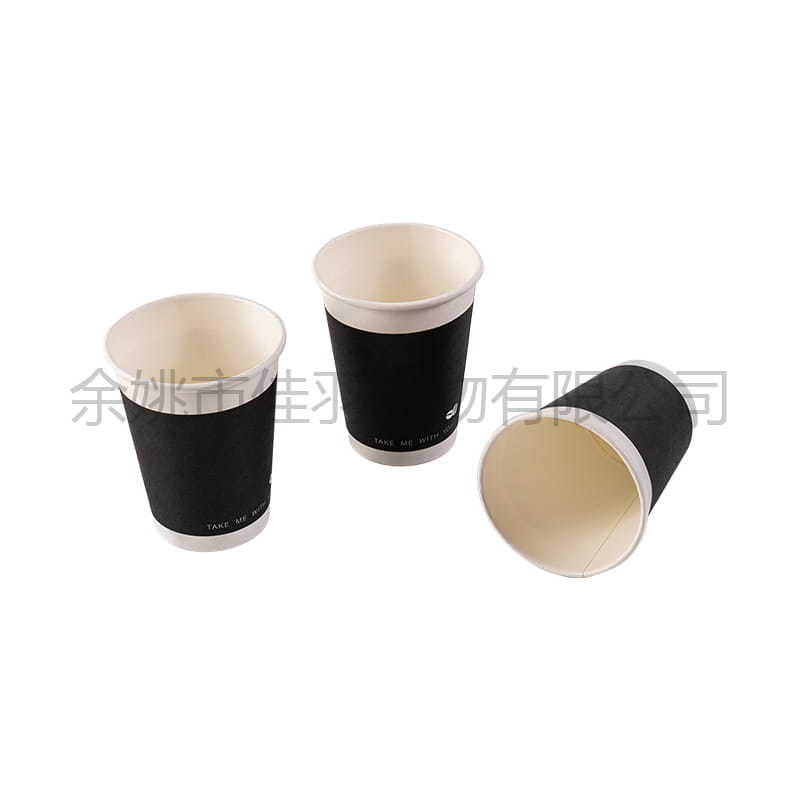
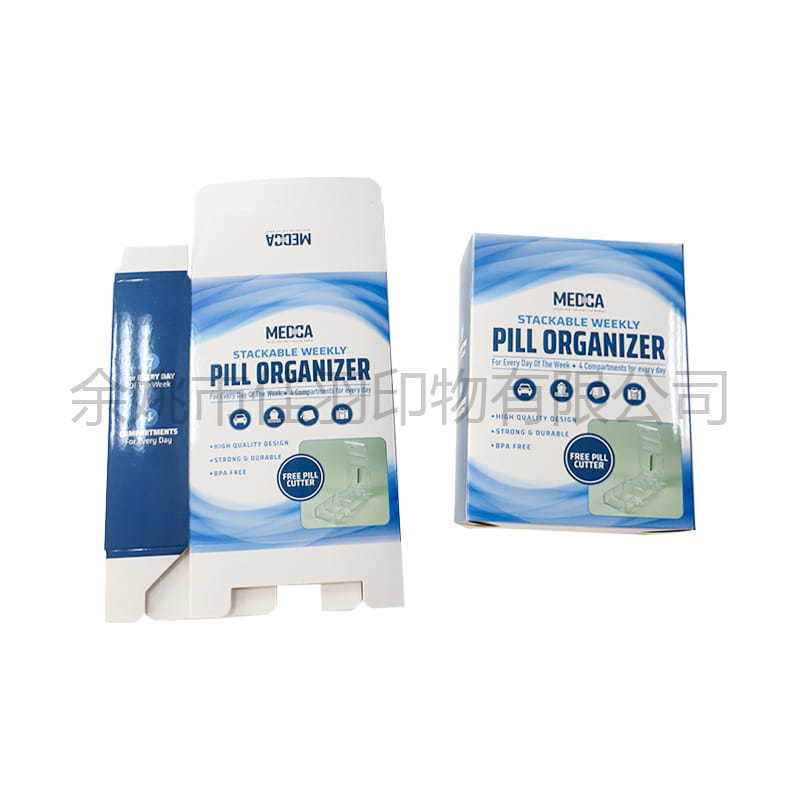
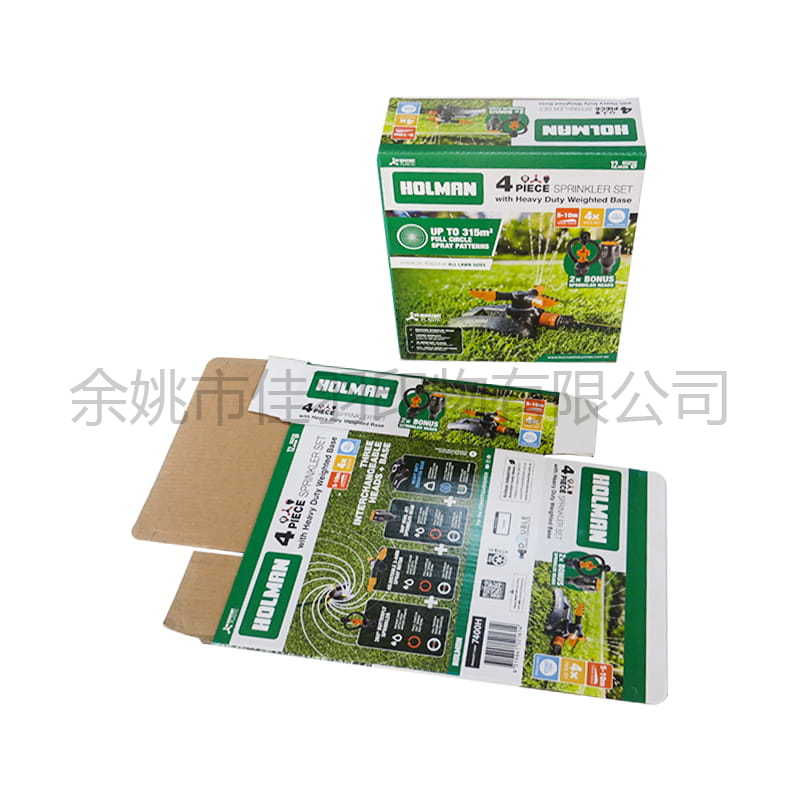
At our plant in Yuyao, we print on a wide range of boards and also form paper cups, plates, and bowls from food-grade base papers. When a retail box needs strength at a reasonable cost, a gray-background color box is a practical starting point. If the box needs a brighter interior and a cleaner surface for logos, a white card color box delivers a more premium feel. On the tableware side, a 12oz coffee paper cup needs a cup-grade material that resists heat and liquid while still forming cleanly on the machine. These choices all begin with the same question: how thick should the paper be for the job it has to do?
Start with the end use before you pick a number. A flyer that will be handed out on the street can be 100 to 120 gsm, but a direct-mail piece may need 130 to 150 gsm to feel substantial. A business card should be 300 gsm or more so it does not curl in a wallet. Check your equipment limits, because each printer, folder, or cup-forming machine has a useful range. Test the actual stock before committing to a large order, and ask the supplier for the caliper in millimeters or points, not only the gsm. As a rule, choose the thinnest paper that still meets the visual and functional requirements, because every extra micron adds cost and environmental impact.
Define the final product: flyer, brochure, card, box, or disposable cup.
Confirm both the gsm and the target caliper with your supplier.
Test the sheet in the actual printer, folder, or cup machine before a full run.
Include coating, lamination, or scoring in the thickness calculation.
Balance stiffness, cost, recyclability, and print quality for your job.
Conclusion
Thickness is rarely one fixed number. Ordinary copy paper measures about 0.05-0.10 mm, an 80 gsm sheet sits near 0.1 mm, and heavier types climb quickly toward one millimeter and beyond. The right answer for a project depends on printing method, folding behavior, packaging structure, and budget. Asking for both gsm and caliper together is the simplest way to avoid surprises. The best material is the one that matches the job without adding unnecessary cost or waste. For a deeper look at how paper, print, and packaging continue to evolve, read this industry analysis from our news section.
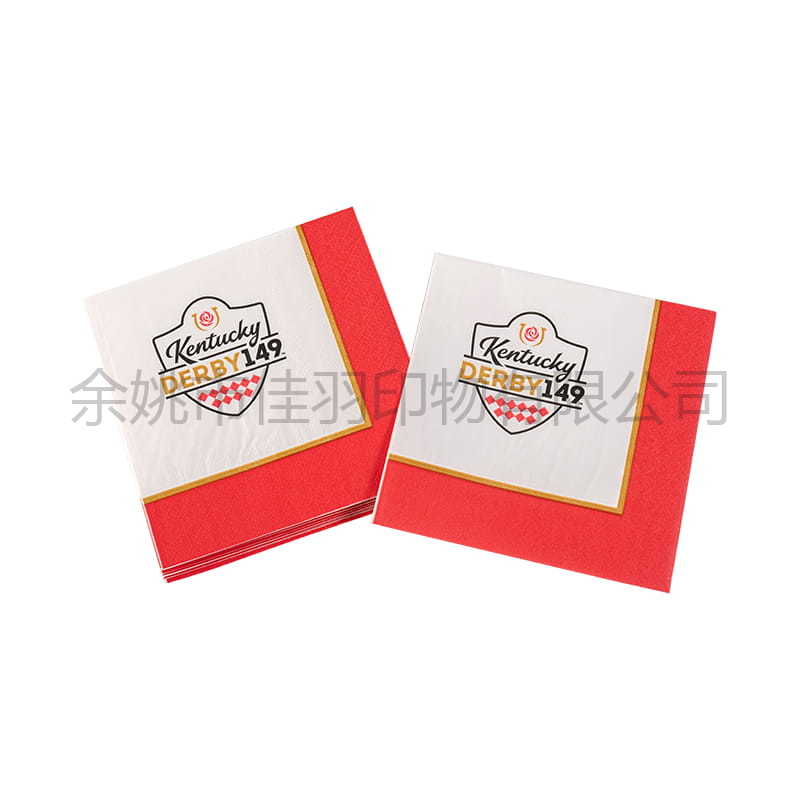
25cm KD printed paper towels have a variety of advantages, at the same time, the pattern on the napkin can be customized according to any requirements, whether it is a floral design, geometric pattern...
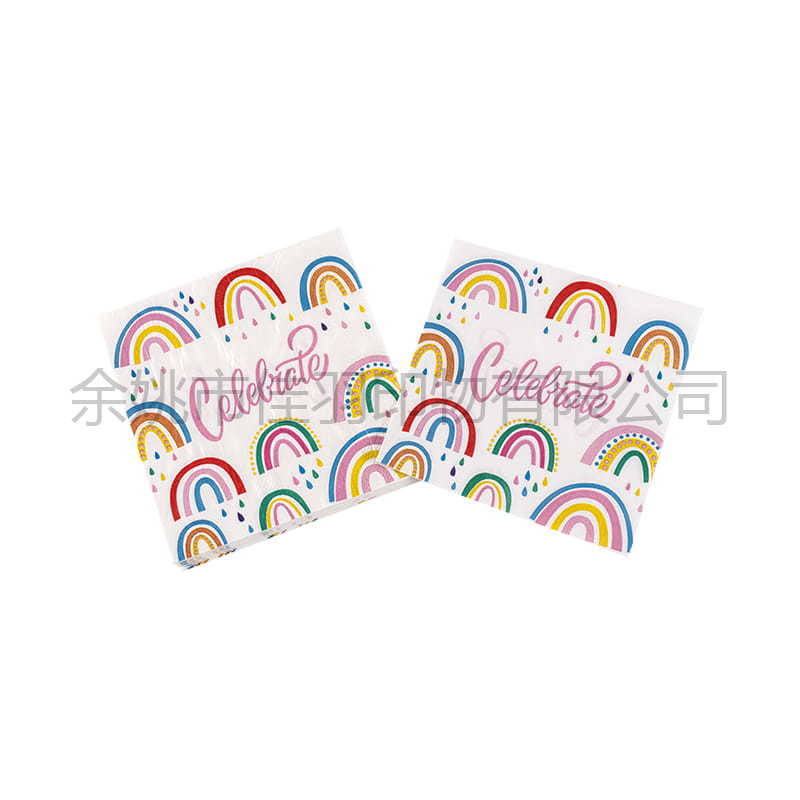
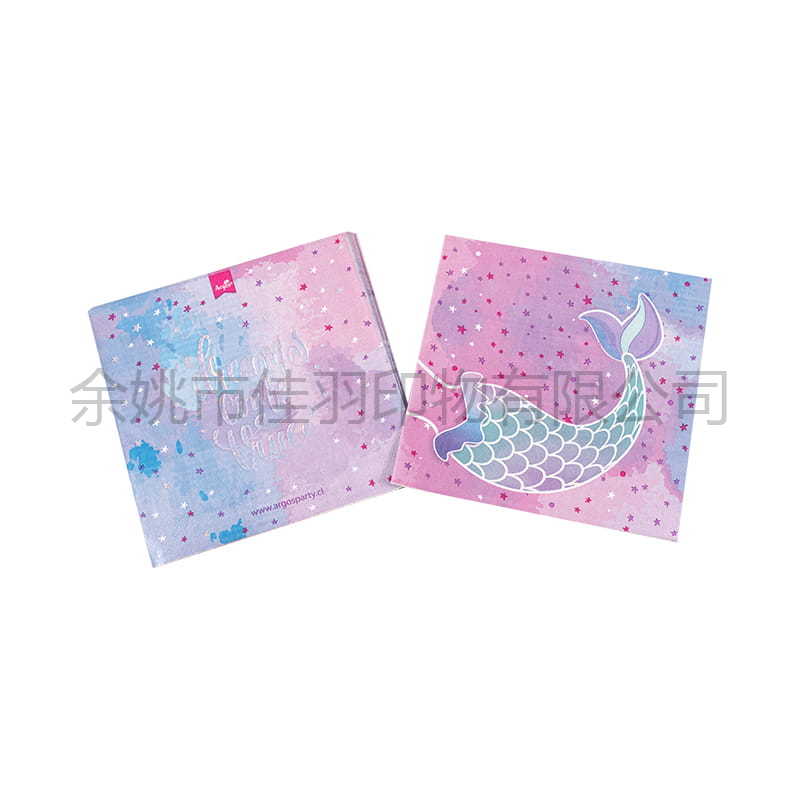
25cm Rainbow Print Napkin- This napkin is specially designed for holiday celebrations, specially designed napkins with print, rainbow print is full of joy and celebratory feelings.
The print on it ca...
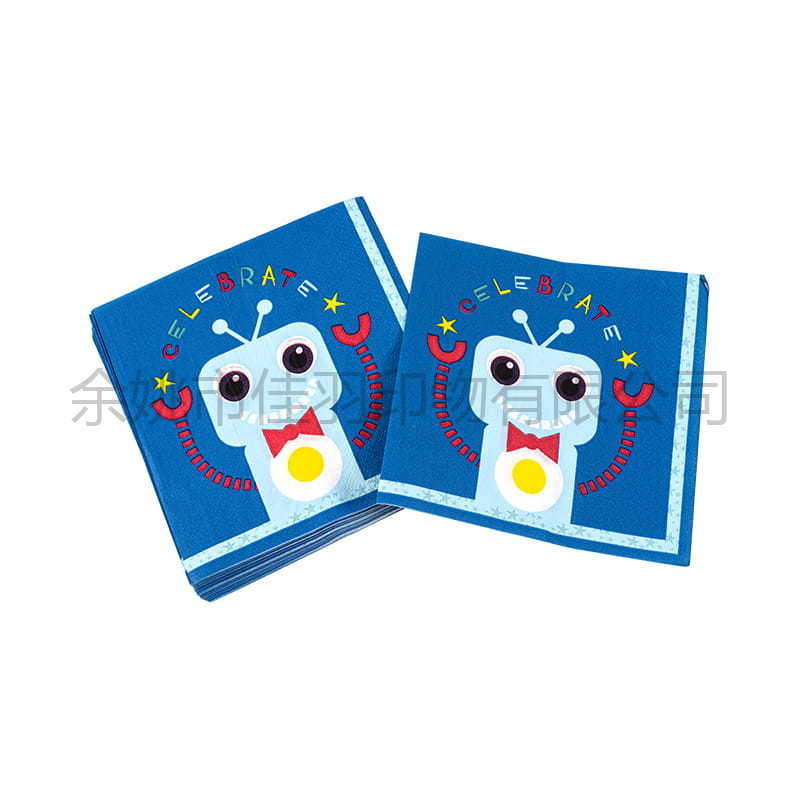
This is a 25cm*25cm napkin printed with the logo of a cute robot, this robot napkin is a must-have item on the children's table. Fun robot-themed prints add a futuristic touch to your packaging, in ad...
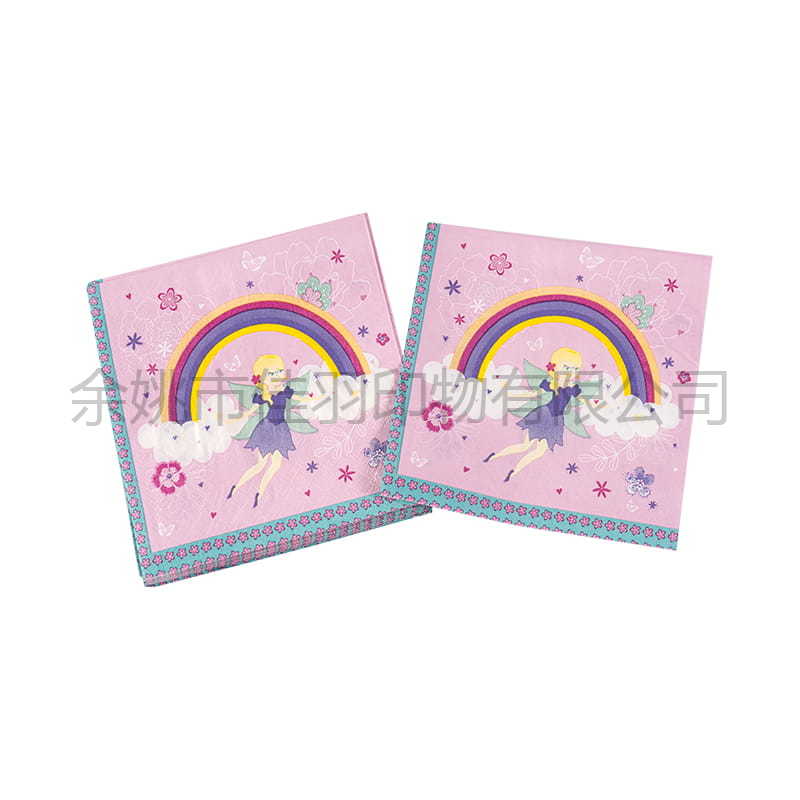
The 25cm fairy print tissue is designed to enhance the overall experience of women. The unique fairy-themed print not only gives the paper towel an eye-catching look but can also be customized to your...
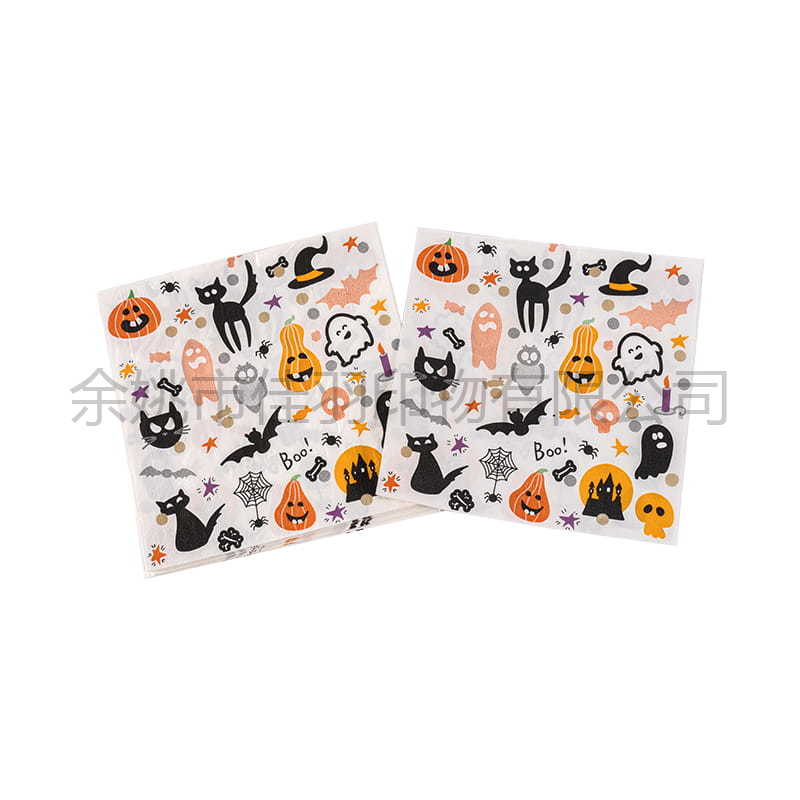
Designed for Halloween, this tissue is sized to handle a variety of packaging needs, from small Halloween gifts to grand celebrations. The design incorporates an intriguing Halloween element, making e...
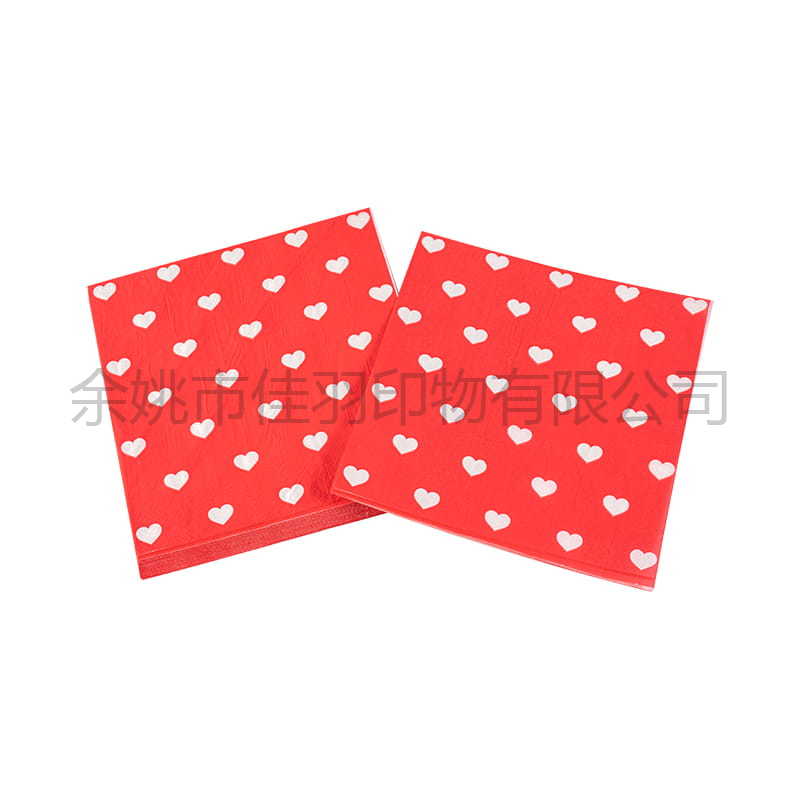
This special Valentine's Day tissue is covered with small hearts and covers the entire tissue. We designed this 33cm Valentine's Day tissue, each one has a lot of small hearts so that your gift packag...
This 33cm bronzing embossed lace paper towel incorporates a delicate embossing process, which is soft and comfortable, and has good water absorption. At the same time, the interesting colors and delic...
The 33cm hot rose gold paper towel comprehensively considers many factors such as material, environmental protection, practicality and appearance design. Inject a touch of artistic quality into everyd...
The 33cm hot silver paper towel adopts a unique hot silver stamping process, and its exquisite print design adds a lot of color to daily life, we are constantly paying attention to the comfort of the ...
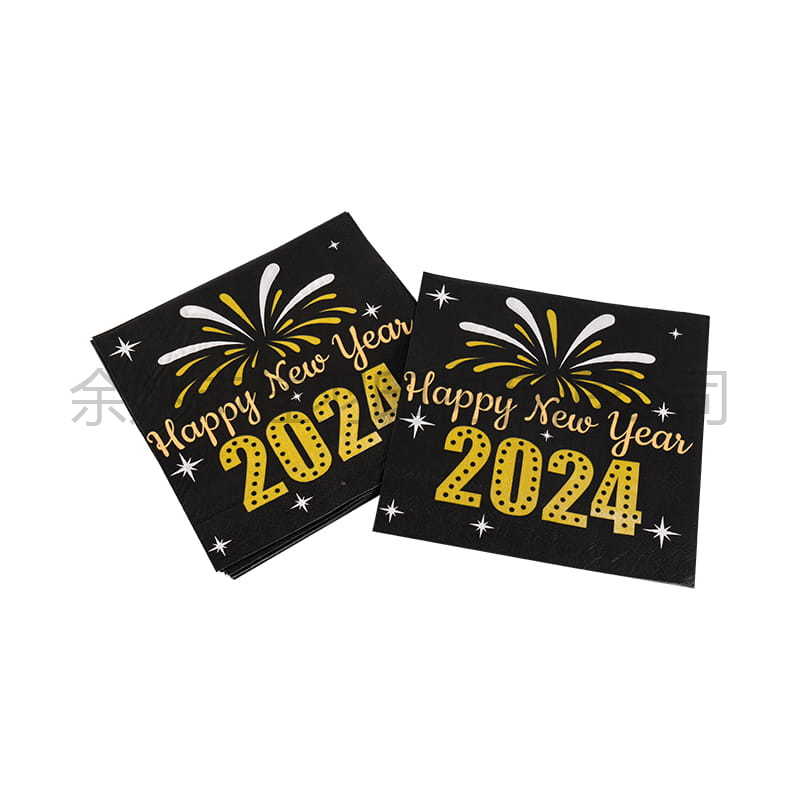
The 33cm New Year paper towel is an eco-friendly and sustainable product that is made with eco-friendly materials, providing buyers with a more eco-friendly option. Unique print patterns can be custom...
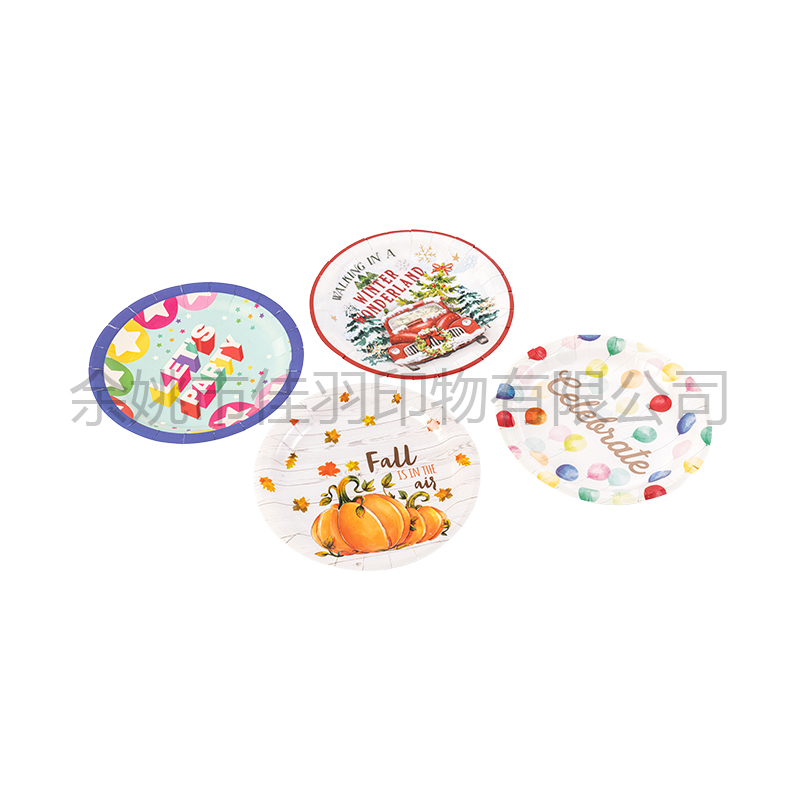
The 7-inch round paper plate, with a diameter of 17.8 cm (Φ17.8), is a common tableware and supplies, usually used for parties, parties, catering occasions, etc.
Material: The 7-inch round paper tray...
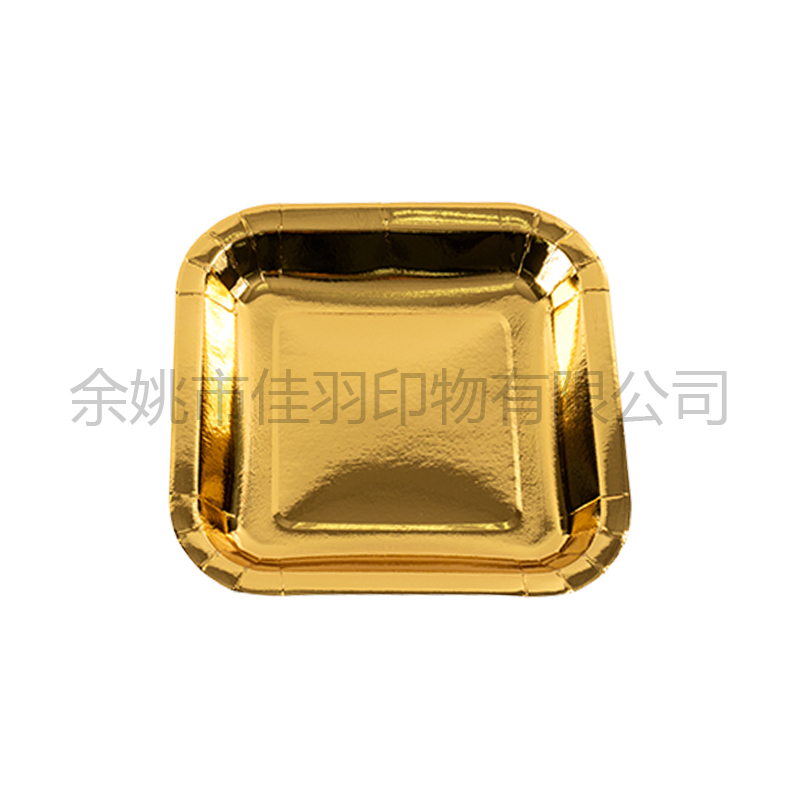
8-inch gold square paper plate to add a luxurious atmosphere to your special occasion. This clever design of this square paper plate not only provides more space for food storage but also presents a m...

 English
 中文简体
中文简体 Español
 Deutsch
 No.71, Xiafan, Panxiang Village, Yangming Street, Yuyao City, China.
 491791889@qq.comsales@jiayuprint.com
 +86-13186866868
 +86-0574-62587484