A paper cup can feel sturdy enough to hold coffee, but that does not make it microwave safe. The short answer is that most disposable paper cups should stay out of the microwave unless the cup or its packaging clearly says it is microwave safe and gives reheating instructions. That label is the first thing to check, not the thickness of the paper or the fact that the cup already held a hot drink.
Hot liquid holding is not the same as microwave reheating. A cup designed for coffee service may handle 90 degrees Celsius for a short serving window, yet still lack a microwave-use statement. Heat in a microwave is uneven, and the cup can be hotter in one spot than the drink.
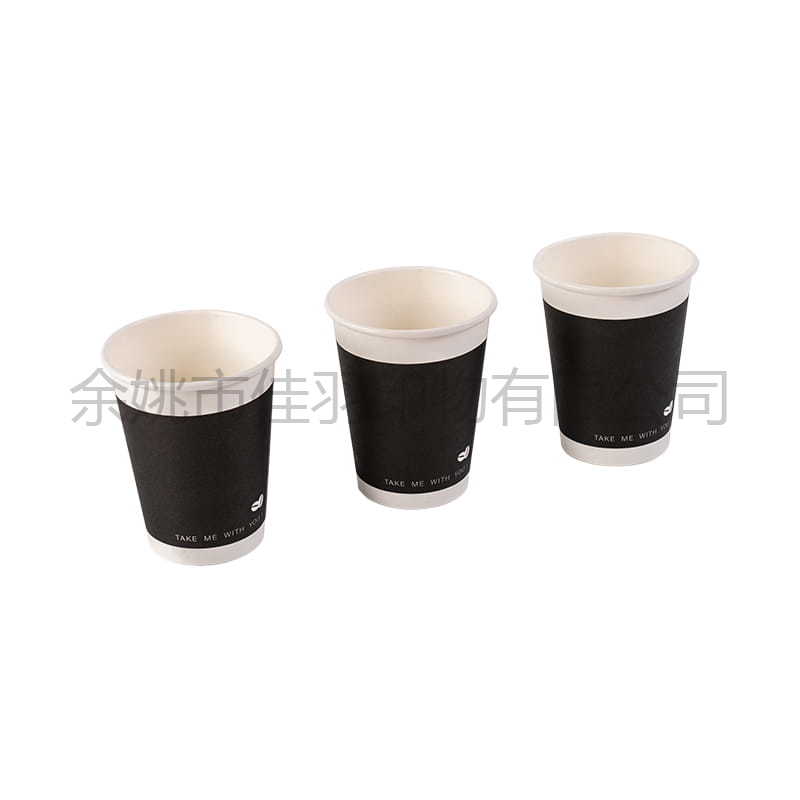 9oz Coffee Paper Cup for Coffee ServiceDetails a customizable 9oz coffee paper cup for café and office service; check the exact item’s microwave-use statement before reheating.View Product →
The short answer: most paper cups are not microwave safe
Most paper cups are built for one-time serving, not for reheating. The paper body is only part of the story. The liner, the seam, the rim, the printed surface, and the lid all affect how the cup behaves under microwave energy. A cup that is fine for a 10 minute coffee run may not be fine after two minutes in a 1000 watt microwave.
If the cup has no microwave-safe statement, treat it as not microwave safe. That is the simplest rule for homes, offices, cafes, and events. Transfer the drink to a ceramic or glass container when reheating matters.
Why paper cups fail in a microwave
The common failure is not usually a dramatic event. More often, the liner softens, the seam weakens, the cup loses rigidity, or the paper starts to scorch. Liquid can then leak through the side or bottom. In a busy foodservice setting, that creates a burn risk and a mess risk at the same time.
The liner matters because it controls the barrier between paper and liquid. Polyethylene, polypropylene, and polylactic acid liners do not behave the same way under heat. The table below gives a practical view, but the exact cup still needs its own manufacturer statement.
Paper cup liners and constructions behave differently under microwave heat. Always follow the cup maker's label and test report.
| Cup or liner |
Typical use |
Microwave outlook |
Practical risk |
| Paper cup with PE liner |
Common hot and cold drink cup |
Not unless labeled microwave safe |
The liner can soften in hot spots, seams may weaken, and the cup may leak. |
| Paper cup with PP liner |
Hot drink and foodservice cup |
Sometimes, only with a clear microwave-safe claim |
Better heat resistance than PE or standard PLA, but the seam and rim still need validation. |
| Paper cup with PLA liner |
Compostable or plant-based foodservice cup |
Usually no for hot reheating |
Standard PLA is chosen for compostability and warm or cold service, not high heat. |
| Cup labeled microwave safe |
Specialty cup with stated limits |
Yes, within the stated time and temperature |
The user must still follow lid, food, and reheating instructions. |
| Plain paper cup with no liner statement |
Craft, snack, or general serving cup |
No |
Paper can scorch, the seam can fail, and liquid can soak through. |
No single rule covers every paper cup. A supplier may use a higher heat liner for one SKU and a standard liner for another. That is why a general claim such as paper cups are microwavable is not enough for a buyer or a consumer.
When a paper cup may be labeled microwave safe
A paper cup can be used in a microwave only when the maker supports that use. Look for a statement on the cup, sleeve, case, or specification sheet. Then read the limits. If the statement is missing, do not test the cup with a hot drink and hope for the best.
- The manufacturer says microwave safe on the product or the packaging.
- The instructions name a maximum time and temperature and say whether the lid can stay on.
- The cup has no metal rim, foil, metallic ink, or metal handle.
- The user removes the sleeve and any unapproved lid, then heats in short bursts.
- The cup is checked for softness, bubbling, seam lift, or odor before drinking.
Commercial microwaves can deliver high power and uneven heat. Many foodservice operators ban reheating in single-use cups because the risk of burns, leakage, and customer complaints is higher than the convenience. A microwave-safe label helps, but it does not remove the need for training.
Safer ways to reheat coffee, tea, or soup
The safest method is to pour the drink into a ceramic or glass mug and reheat there. If that is not possible, use the original paper cup only when it is labeled microwave safe. Heat in short bursts, stir between bursts, and stop if the cup changes shape or feels soft.
- Do not microwave an empty paper cup.
- Do not heat dry food in a paper cup.
- Do not leave a spoon, foil wrapper, or metal lid in the microwave.
- Let the drink stand for a moment before sipping to avoid a steam burn.
- Use a new cup if the old one deforms, bubbles, or leaks.
Soup cups need extra care because soup is heavier and can reach high temperatures near the rim. A cup that is acceptable for a quick coffee reheat may not be acceptable for a thick soup. Check the exact product statement, not the category name.
What foodservice buyers should specify
If you buy cups for cafes, offices, or events, ask for a microwave-use statement per SKU, not a general claim for the factory. Ask for the liner type, the maximum recommended temperature, food contact documentation, and whether the lid and sleeve are approved for microwave use. These details belong in the specification sheet, not only in a sales email.
The paper cup range includes coffee cups, water cups, and tasting or ice cream cups in several sizes. That variety is useful, but each format has its own liner, seam, and lid options. If microwave reheating is part of your service model, confirm the exact item before you print a claim on a menu or package.
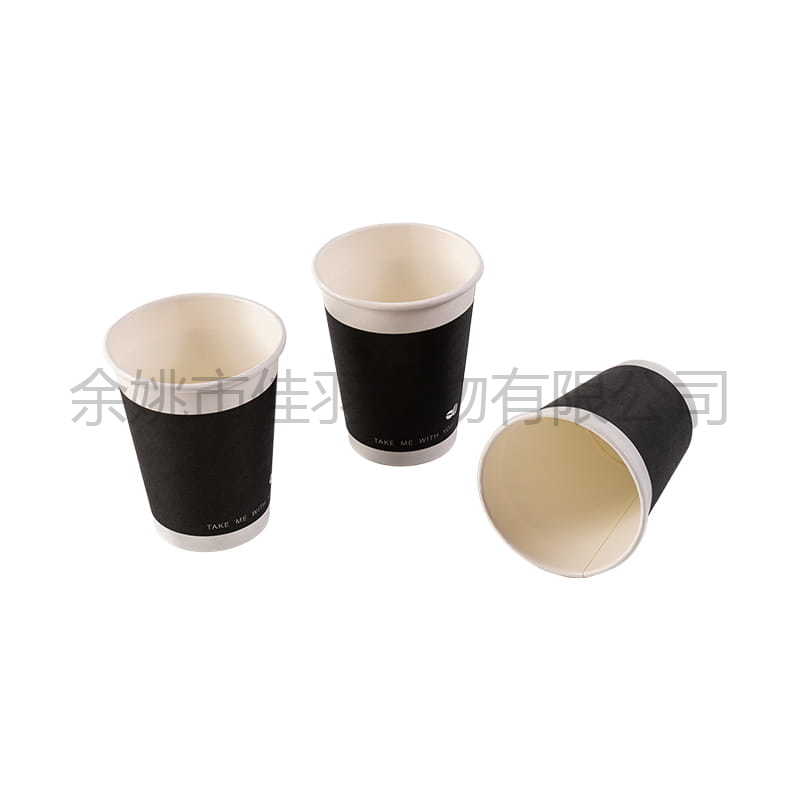 Customizable 12oz Coffee Paper CupShows a 12oz coffee paper cup with stated thermal insulation for hot drinks; confirm the exact liner and microwave labeling for your service.View Product →
Specifications should match the drink. A 9oz coffee cup suits a small takeaway coffee, while a 12oz cup with a corrugated or hollow outer layer can reduce heat transfer to the hand. For water, iced drinks, or cold service, a 12oz water cup may be the better fit. None of these formats should be called microwave safe unless the exact item has been tested and labeled.
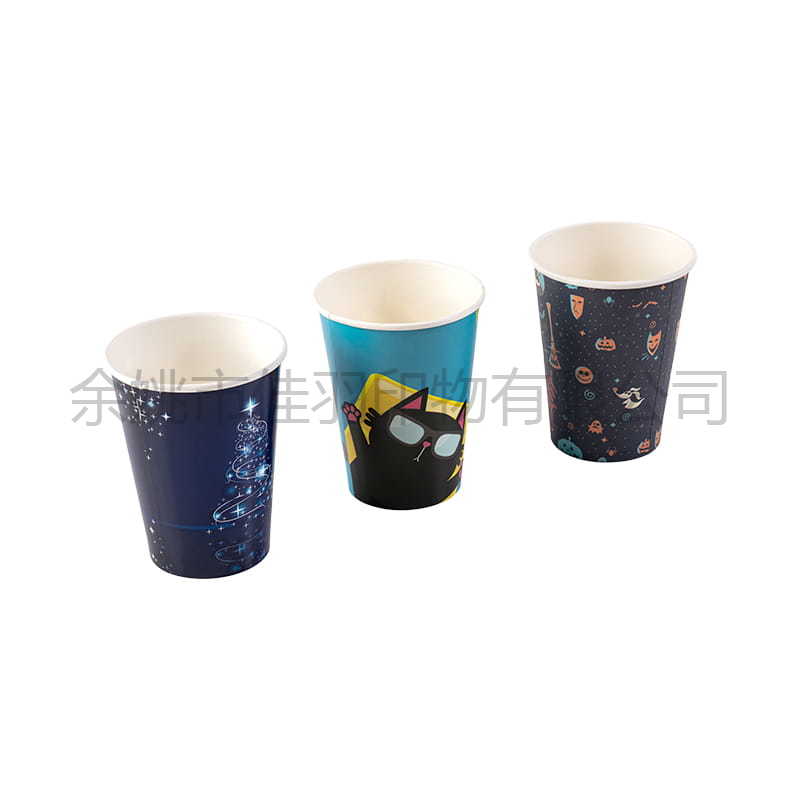 Customizable 12oz Paper Water CupPresents a 12oz paper water cup for cold and water service; compare liner options and confirm the exact item’s suitability for your drink and temperature.View Product →
Material choice also affects the buying decision. PE and PP liners are common for liquid barriers, while PLA liners appeal to buyers who want compostable options. For more on material choices in foodservice, see paper cups and bowls in sustainable foodservice. The key is to match the liner to the drink, the temperature, and the reheating claim.
Quick checks before you buy or reheat
- Check the base, case, and spec sheet for microwave safe. If the word is missing, treat it as no.
- Check the liner and lid. PP is not a guarantee, and standard PLA is usually a poor fit for hot reheating.
- Check the microwave power. Short bursts of 20 to 30 seconds are safer than one long run.
- Check the cup after heating. Stop if it feels soft, bubbles, smells off, or the seam moves.
- Check local rules. Many commercial kitchens prohibit reheating in single-use cups.
Bottom line
You can microwave a paper cup only when the cup is clearly labeled microwave safe and you follow the stated limits. Most paper cups are not made for that use. For home reheating, transfer the drink to ceramic or glass. For business buyers, put the microwave-use statement, liner, lid, and temperature limits in writing before you make a claim.
 English
 中文简体
 Español
 Deutsch

 No.71, Xiafan, Panxiang Village, Yangming Street, Yuyao City, China.
 491791889@qq.comsales@jiayuprint.com
 +86-13186866868
 +86-0574-62587484
