Place a cereal carton beside an ecommerce shipping box and the difference is easy to see. One is thin, smooth, and built for shelf impact. The other is thicker, has a wavy layer inside, and is built to survive stacking, drops, and rough handling. The confusion starts because both are often called cardboard. In a packaging brief, that loose label can lead to the wrong board grade, a weak box, or a cost that does not match the job.
The short answer is this: cardboard is a broad everyday term, while corrugated board is a specific engineered structure. Corrugated packaging usually wins for shipping protection. Paperboard, often called folding carton board, usually wins for retail display, print quality, and material efficiency. The right choice depends on load, distribution, shelf presentation, food contact, and the print finish you need.
The short answer: cardboard is a family, corrugated is a structure
In everyday speech, cardboard covers cereal boxes, shoe boxes, shipping cases, and paper cards. In a technical discussion, that looseness hides important differences. Corrugated fiberboard is made with one or more fluted layers between flat liners. Folding carton board is a paperboard grade, usually denser and smoother, formed into a carton by cutting and creasing. Both can be printed, die-cut, glued, and recycled, but they do not behave the same under load.
If you ask a supplier only for cardboard, you may receive a paperboard carton when you need a shipping case, or a heavy corrugated board when a printed retail carton would do the job at lower cost. Clear terms protect both performance and budget.
How paperboard and corrugated board are built
Paperboard is typically measured by caliper and grammage. It can be bleached or unbleached, coated or uncoated, and may use virgin or recycled fiber. Corrugated board is described by flute profile, liner weight, and combined board grade. Common flutes include B, C, E, and F. Smaller flutes give a smoother surface for print. Larger flutes give more bulk and cushioning. The liner and flute combination matters more than the total thickness alone.
Use this comparison as a starting point, then confirm board grade, flute, and test values with your supplier.
| Board type |
Typical build |
Strength profile |
Best-fit uses |
Points to verify |
| Paperboard or folding carton board |
Single or multi-ply paperboard, often coated for print |
Good stiffness and a smooth print surface, but limited crush resistance |
Retail cartons, gift boxes, blister cards, food service items |
Caliper, coating, score quality, and food contact status |
| Single-wall corrugated |
Two liners with one flute, commonly B or C flute |
Good stacking, puncture, and handling protection |
Shipping cases, retail-ready displays, protective packs |
Edge crush test value, flute, liner grade, and box style |
| Double-wall corrugated |
Three liners with two flutes |
High compression strength and impact resistance |
Heavy goods, fragile items, export shipments |
Gross weight, stacking time, humidity, and pallet pattern |
| Micro-flute corrugated |
Small flute, often E or F, with a smoother outer surface |
Print-friendly corrugated with modest strength |
Premium retail packaging, subscription boxes, ecommerce |
Print method, crease quality, and compression needs |
Strength, stacking, and shipping protection
Corrugated board earns its place when the package must survive a distribution chain. The flute acts like a series of small arches, giving the board stiffness and cushioning without solid mass. A box that feels rigid in the hand can still fail in a humid warehouse if the board grade is too light or the stacking time is too long. Buyers should look at edge crush test values, box compression estimates, and the actual pallet pattern rather than judging by thickness alone.
Paperboard is not weak, but it is used differently. A folding carton protects a product on a shelf, carries print, and opens with a clean crease. It is not normally designed to carry the same compression load as a shipping case. When a retail carton must ship without an outer case, a micro-flute or corrugated design may be the better route. That decision should be made before artwork is final, because flute direction and score lines affect how the package folds and prints.
Print quality, finishing, and shelf appeal
For high-impact brand print, paperboard has a natural advantage. Its smooth surface accepts offset lithography, flexographic printing, foil stamping, embossing, spot coating, and soft-touch finishes with predictable results. Corrugated board can also be printed well, but the flute pattern may show through on lighter liners. Direct print on corrugated is practical for shipping cases and retail-ready displays. For premium presentation, a litho-laminated sheet can give corrugated the print quality of paperboard while keeping the strength of a fluted structure.
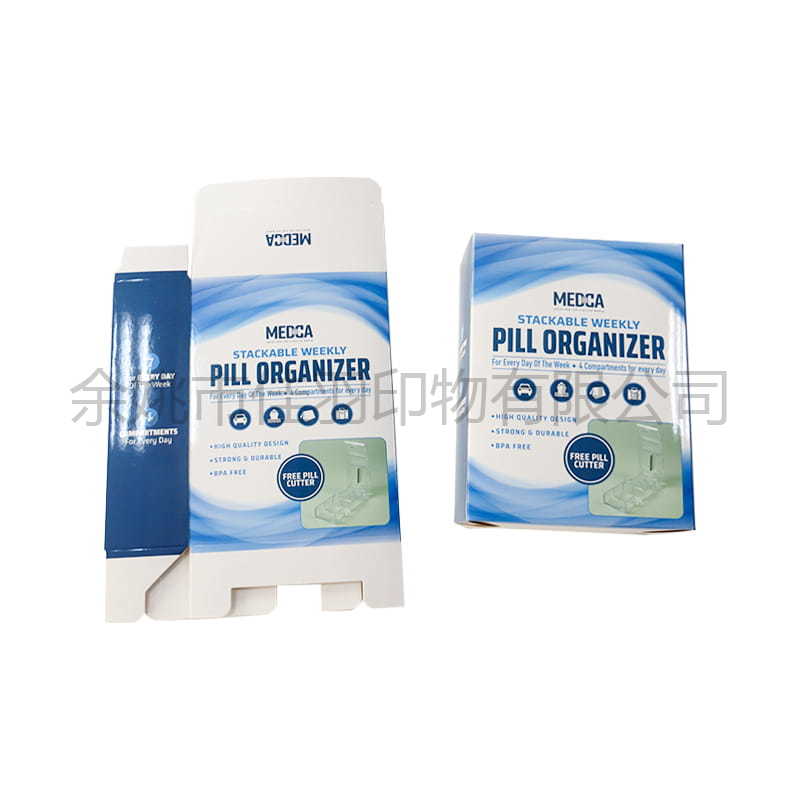 Custom White Cardboard Gift and Accessory BoxCustomizable white cardboard box with a smooth printable surface for gifts, accessories, and collectibles; useful when comparing board and print options.View Product →
The print method should be chosen with the board, not after it. A detailed cosmetic carton may need a coated paperboard and a tight registration print process. A shipping case may be better served by simple one-color print that resists scuffing. If the package will be handled in a store, the surface needs to resist abrasion, moisture, and finger marks. If it will be mailed, the closure, corner strength, and return edge matter as much as the printed panel.
Cost, sustainability, and food contact
Sheet price is a poor way to compare cardboard versus corrugated. The real cost includes material, print, tooling, assembly, packing time, damage rate, and freight. A lighter paperboard carton can cut material use, but it may fail if the product is heavy or the carton ships alone. A corrugated case may use more fiber, but it can reduce damage and returns. The best choice is the lightest structure that meets the actual load and handling conditions.
Sustainability also depends on the full specification. Paperboard and corrugated board are both paper-based and widely recyclable in many markets, but coatings, inks, laminates, and food residue can affect recovery. Corrugated often contains recycled fiber, while some food packaging needs virgin or food-grade fiber for safety. Food contact is a separate issue from recyclability. A board is not automatically food safe because it is paper-based. You need to confirm the base paper, barrier coating, migration testing, and storage conditions.
The same principle applies to food service items, where coating choice can matter as much as the base paper. Our article on paper cups and bowls for sustainable living explains how material selection and coating decisions affect performance and disposal.
Where corrugated earns its place
Corrugated packaging is usually the stronger choice for transit, stacking, and product protection. It is common in ecommerce shipping, electronics, home goods, subscription boxes, retail-ready displays, and export cases. The flute profile can be matched to the job. A fine E flute can create a neat printed retail box, while a heavier single-wall or double-wall board can protect bulky or fragile items. The key is to test the packed product, not just the empty box.
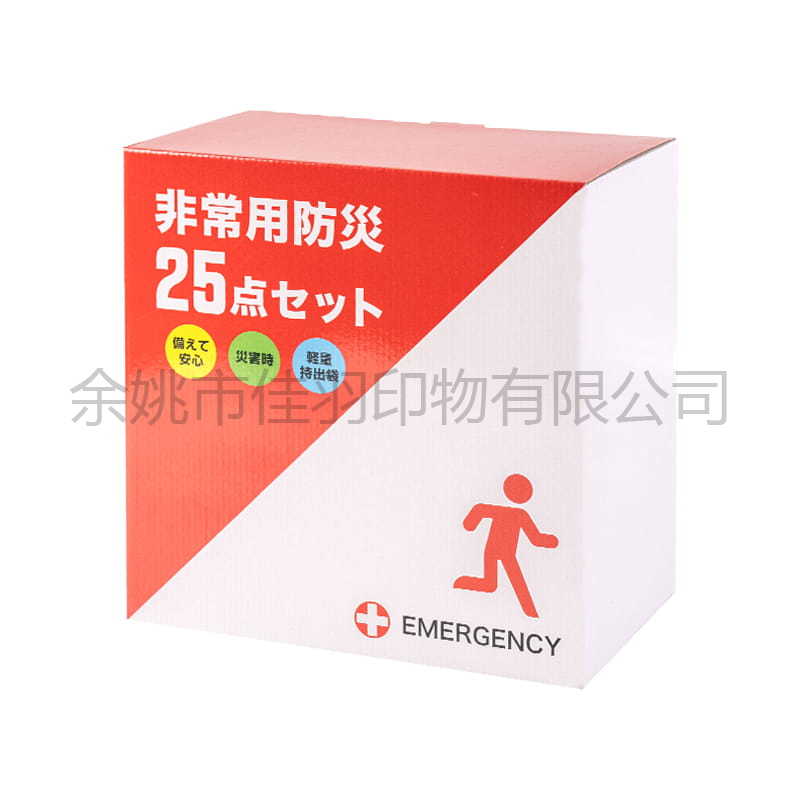 Color-Printed Corrugated Box with Plug-In Bottom and Flip LidCustom color-printed corrugated box with a plug-in bottom and flip lid, offering branded protection for electronics, food, cosmetics, and other goods.View Product →
- Use corrugated when the package must carry stacking load, resist drops, or protect a product without extra cushioning.
- Use corrugated for retail-ready displays that move from a pallet to a store floor.
- Use corrugated when the box itself is the shipping container and will be handled by parcel networks.
Where folding carton or paperboard wins
Paperboard is often the better fit for retail shelf presence. It supports crisp print, fine creases, small folded cartons, and premium finishing. It is efficient for products that already have an outer shipping case or a protective wrapper. Gift boxes, cosmetic cartons, confectionery packs, paper cards, and food service items often rely on paperboard because the package needs to look clean, fold precisely, and present brand details with clarity. A transparent window or a die-cut shape can add product visibility without turning the pack into a shipping box.
 Custom Gift Box with Round Clear WindowsCustom gift box with round clear windows and gold decoration for jewelry, small gifts, or display; sizes and shapes can be customized.View Product →
Paperboard also suits low to medium weight products that need a compact shelf footprint. If the product is fragile, heavy, or likely to be shipped on its own, paperboard should be tested carefully or combined with a corrugated outer. Many successful packs use both materials: a printed paperboard carton for presentation and a corrugated case for transport.
Common specification mistakes that cost money
Most packaging problems start with a vague brief. The following mistakes are common in packaging and print procurement:
- Asking for a cardboard box without stating board type, caliper, flute, or test value.
- Assuming that kraft color means higher strength. Fiber grade and board construction matter more than color.
- Assuming that thicker board is always stronger. Flute direction, liner quality, and box style can matter more.
- Choosing a print method before confirming the board surface and the level of detail required.
- Treating food contact as a coating issue only, without checking the base paper and migration requirements.
A practical selection checklist
Before you request samples or quotes, define the job in factual terms. A clear brief reduces the risk of an expensive revision later.
- State the product weight, dimensions, and center of gravity.
- Describe the distribution path, including parcel handling, pallet stacking, storage time, and humidity.
- Confirm whether the pack is a shipping container, a retail carton, or both.
- Specify the board family, flute or caliper, and any required test value.
- Choose print and finish based on the artwork detail and the surface of the board.
- Check food contact status if the package will touch food directly or indirectly.
- Test the packed product for compression, drop, vibration, and closure performance.
- Compare total cost, including tooling, assembly, damage rate, and freight.
What this means for your next packaging brief
The useful question is not cardboard versus corrugated in the abstract. It is whether your product needs a printed retail carton, a protective shipping case, or a combination of both. Use paperboard when shelf appearance, fine print, and material efficiency lead the brief. Use corrugated when stacking, handling, and product protection lead. For premium corrugated packs, consider micro-flute or litho lamination. For heavy or fragile goods, verify compression and drop performance before approving artwork.
A supplier that handles both commercial printing and paper container production can compare board, print, and box style in one conversation. That makes it easier to match the package to the product, the retail channel, and the shipping reality rather than relying on a generic cardboard label.
 English
 中文简体
 Español
 Deutsch

 No.71, Xiafan, Panxiang Village, Yangming Street, Yuyao City, China.
 491791889@qq.comsales@jiayuprint.com
 +86-13186866868
 +86-0574-62587484
