The short answer: choose paper napkins based on ply count, absorbency, size, material composition, and intended use. A napkin that works perfectly for a casual backyard barbecue is entirely wrong for a formal dinner, and a bulk institutional napkin that performs well in a cafeteria may be wasteful and inadequate for a home kitchen. Getting this choice right saves money, reduces waste, and ensures the napkin actually does its job — whether that means absorbing a greasy spill, complementing an elegant table setting, or surviving contact with a child's lunch.
This guide breaks down every factor that separates a better paper napkin from a disappointing one, including ply, fiber type, fold style, size, softness, wet strength, environmental certifications, and value for money — so you can make a confident choice for any occasion or setting.
Ply Count: The Foundation of Napkin Quality
Ply refers to the number of paper layers bonded together to form a single napkin. It is the single most reliable indicator of a napkin's thickness, absorbency, and durability — and it is the first specification to check when comparing options.
1-Ply Napkins
Single-ply napkins are the thinnest and least absorbent option. They are inexpensive — often available in packs of 500 or more for a very low cost per unit — and are widely used in high-volume foodservice environments such as fast food restaurants, coffee shops, and cafeteria dispensers where the expectation is that customers will take multiple napkins. 1-ply napkins are not suitable for formal settings or situations involving significant spills, greasy foods, or heavy use. They tear easily when wet and provide minimal cushioning.
2-Ply Napkins
Two-ply napkins represent the most common standard for home and everyday dining use. With two bonded paper layers, they offer meaningfully better absorbency than 1-ply, good durability when wet, and adequate softness for face and mouth contact. Most quality paper napkins sold for household use are 2-ply, and this specification handles the vast majority of everyday dining, lunch, and casual entertaining needs effectively.
3-Ply and Higher Napkins
Three-ply napkins are noticeably thicker, softer, and more absorbent than their 1- and 2-ply counterparts. They are the preferred choice for formal dining, upscale restaurant table settings, and situations where presentation matters as much as function. Three-ply napkins hold their shape when folded into decorative arrangements, feel noticeably more luxurious against the skin, and absorb more liquid before reaching saturation. Some premium napkins reach 4-ply, though this is less common outside of specialty or hospitality supply contexts. Expect to pay 2–4 times more per napkin for 3-ply versus 1-ply, which is why they are used selectively rather than universally.
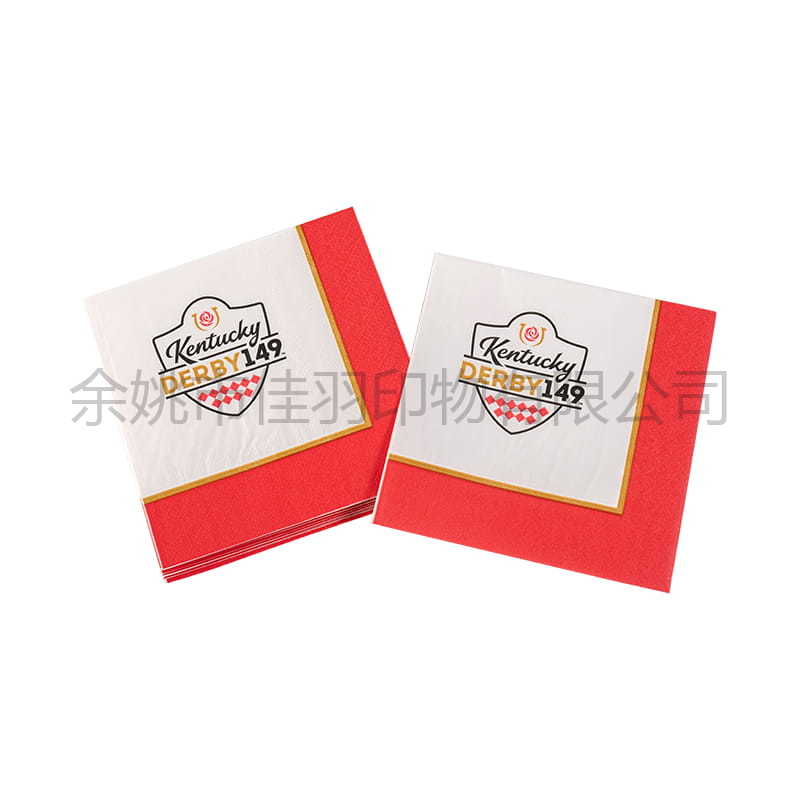
Size and Fold Style: Matching the Napkin to the Occasion
Paper napkins come in a surprising range of sizes, and the right size depends entirely on the use case. Using an undersized napkin for a messy meal is frustrating; using an oversized one for a simple snack is wasteful. Fold style also affects how much usable surface area is available and how the napkin is dispensed or presented.
| Napkin Type |
Typical Unfolded Size |
Typical Fold |
Best Use |
| Cocktail / Beverage |
10" × 10" |
Quarter fold |
Drinks, appetizers, small bites |
| Luncheon |
13" × 13" |
Quarter fold |
Everyday meals, casual dining |
| Dinner |
16" × 16" – 17" × 17" |
Quarter fold |
Formal dining, full meals |
| Dispenser (Interfold) |
8.5" × 13" |
Interfold / quarter |
Countertop dispensers, cafeterias |
| Guest / Individual |
8" × 8" – 10" × 10" |
Quarter fold |
Bathroom guest towels, single use |
Common paper napkin sizes, fold styles, and their recommended use cases
Dinner napkins at 16–17 inches unfolded provide the most coverage for lap use and are the correct choice whenever a full meal is being served. Luncheon napkins at 13 inches are the most versatile for everyday household use. Cocktail napkins are appropriate for finger foods and drinks only — using them as dinner napkins leaves guests with inadequate coverage for messy foods.
Fold style affects both presentation and practicality. Quarter-fold napkins open to a full square and can be placed flat on a lap. Interfold napkins — where each napkin is tucked into the next — work specifically in countertop dispensers and ensure one-at-a-time dispensing, reducing waste in high-traffic settings. For formal presentations, a flat, unembossed napkin holds decorative folds (fans, pockets, miters) more cleanly than a heavily textured one.
Absorbency: What Actually Determines How Well a Napkin Works
Absorbency is arguably the most functional quality of a paper napkin — it determines whether the napkin does its job of cleaning up liquids and food residue effectively. Several factors influence absorbency beyond ply count alone:
Fiber Type and Paper Stock
Napkins made from virgin wood pulp fibers — fibers that have not been previously processed into paper — tend to be more absorbent than those made from recycled fiber. This is because virgin fibers are longer, more intact, and contain more of the natural cellulose structure that wicks and holds liquid. Napkins manufactured from virgin pulp typically absorb 20–40% more liquid per gram of paper weight than comparable recycled-content napkins.
Recycled-content napkins use fibers that have been shortened and weakened through previous processing. They are more sustainable in terms of resource use but may require a user to take two napkins to achieve the absorption of one premium virgin-pulp napkin — potentially offsetting the environmental benefit. High-quality recycled napkins with good fiber management can still perform well, but the fiber origin matters.
Embossing and Texture
Embossing — the process of pressing a pattern into paper napkins — increases surface area and creates micro-pockets that hold liquid. A well-embossed napkin absorbs and retains liquid more effectively than a perfectly flat one of the same ply and fiber composition. However, heavy embossing also adds stiffness, which can reduce softness. The best napkins balance moderate embossing for absorbency with enough flexibility to remain comfortable for face and mouth use.
Wet Strength Additives
Some paper napkins are treated with wet strength resins — chemical additives that maintain the paper's structural integrity when wet. Without wet strength treatment, a napkin can disintegrate rapidly under pressure when saturated, leaving fiber deposits on whatever it was meant to clean. For foodservice and heavy-use applications, wet-strength napkins are significantly more practical because they remain intact through the entire cleaning task. For light household use, standard napkins without wet strength additives perform adequately.
Softness and Skin Feel: Why It Matters More Than You Think
Paper napkins come into direct contact with lips, faces, and hands — often multiple times during a meal. A napkin that feels rough or scratchy is unpleasant to use and reflects poorly on the host or establishment offering it. Softness is determined by several interacting factors:
- Fiber length and quality: Longer, higher-grade virgin fibers produce softer paper than short recycled fibers
- Calendering: The degree to which the paper is pressed and smoothed during manufacturing affects surface smoothness; lightly calendered paper is softer but less uniform in appearance
- Chemical softeners: Some manufacturers add softening agents to the paper pulp or apply them as a surface treatment; these improve skin feel but can slightly reduce absorbency
- Ply bonding method: Napkins where plies are lightly bonded with embossing points (rather than heavily glued together) feel softer because the layers can flex independently
For formal or upscale settings, softness is a non-negotiable quality. A guest wiping their mouth at a dinner party notices immediately if the napkin feels coarse. For everyday kitchen use or high-volume foodservice, softness is a secondary concern behind absorbency and durability.
Material Composition: Virgin Pulp, Recycled Content, and Bamboo
The raw material used to make paper napkins significantly affects performance, cost, and environmental impact. Understanding the differences helps you make a choice that aligns with your priorities:
Virgin Wood Pulp
Napkins made from virgin (non-recycled) wood pulp offer the best combination of softness, absorbency, and wet strength. The fibers are intact and long, providing maximum wicking capacity and surface cohesion. Virgin pulp napkins are the standard for premium and formal applications. The environmental concern — deforestation — is mitigated when the napkins carry FSC (Forest Stewardship Council) certification, which confirms the wood was sourced from responsibly managed forests that are replanted and maintained sustainably.
Recycled Content
Recycled-content paper napkins are made from post-consumer waste paper that has been de-inked, cleaned, and re-pulped. They are the more environmentally conservative choice in terms of resource use — manufacturing recycled paper uses approximately 40% less energy and 50% less water than virgin pulp production. The trade-off is that recycled fibers are shorter and weaker, resulting in napkins that may be slightly less soft, less absorbent, and less durable when wet. Look for napkins with a high post-consumer recycled (PCR) content percentage — ideally 80–100% PCR — and third-party environmental certifications to ensure the claims are verified.
Bamboo and Alternative Fibers
Bamboo-based paper napkins are a growing category, positioned as a sustainable alternative to both virgin wood pulp and recycled fiber. Bamboo grows extremely rapidly — reaching harvestable maturity in 3–5 years compared to 25–50 years for most timber species — and does not require replanting because it regenerates from its own root system. Bamboo fibers are naturally long and strong, producing napkins that can rival virgin-pulp products in softness and absorbency while being inherently more sustainable. They do tend to cost more per unit than conventional paper napkins, but the price premium has narrowed as bamboo tissue products have scaled.
Color, Printing, and Dye Safety
Paper napkins are available in plain white, solid colors, and printed patterns. The choice between these involves both aesthetic and practical considerations:
White Napkins
White napkins are made from bleached paper pulp. The bleaching process — which uses chlorine compounds or the safer chlorine-free (TCF/ECF) process — produces a bright, clean appearance that reads as hygienic and is the standard for formal table settings. Look for napkins labeled "totally chlorine free" (TCF) or "elementally chlorine free" (ECF) if you want to avoid the more problematic chlorine bleaching byproducts (dioxins and furans). White napkins show stains clearly, which can be a disadvantage in some settings but confirms that the napkin is actually clean before use.
Colored and Printed Napkins
Colored and patterned napkins use dyes and inks to achieve their appearance. The critical safety consideration for napkins — which come into contact with food and mouths — is whether the dyes are food-safe and non-migrating. Premium colored napkins use water-based, food-safe dyes that do not bleed when wet. Poorly made colored napkins use cheaper dyes that can transfer to hands, food, or fabric when wet, which is both messy and potentially harmful if ingested.
A simple test: dampen a colored napkin with water and press it against a white cloth or piece of paper. If color transfers, the dye is not adequately fixed and the napkin is not suitable for food contact. This is especially important for children's parties and events where napkins may contact food directly.
Unbleached (Brown/Natural) Napkins
Unbleached napkins retain their natural brown color, avoiding both the bleaching process and added dyes. They have a rustic, natural appearance that suits casual, eco-conscious, or farm-to-table settings. Functionally, unbleached napkins perform similarly to their bleached counterparts of the same ply and fiber composition — the absence of bleaching does not significantly affect absorbency or strength.
Environmental Certifications: What the Labels Actually Mean
The paper napkin market is full of environmental claims — "eco-friendly," "sustainable," "green" — many of which are vague marketing language rather than verified facts. Genuine environmental quality is confirmed by third-party certifications. The following are the most meaningful labels to look for:
| Certification |
What It Confirms |
Relevance for Napkins |
| FSC (Forest Stewardship Council) |
Wood fiber sourced from responsibly managed forests |
Essential for virgin-pulp napkins |
| SFI (Sustainable Forestry Initiative) |
North American sustainable forestry standard |
Alternative to FSC for North American products |
| PEFC (Programme for Endorsement of Forest Certification) |
European sustainable forest management standard |
Common on European-manufactured napkins |
| PCR Content % (Post-Consumer Recycled) |
Percentage of fiber from recycled consumer waste |
Key metric for recycled-content napkins |
| TCF (Totally Chlorine Free) |
No chlorine compounds used in bleaching |
Preferred for white napkins; avoids dioxin byproducts |
| EPA Safer Choice |
Chemical ingredients vetted for safety |
Relevant for napkins with dyes or wet-strength additives |
Key environmental and safety certifications to look for when choosing paper napkins
A napkin bearing an FSC or PEFC logo on its packaging has had its fiber sourcing independently audited — this is a meaningful, verifiable claim. A napkin labeled only "eco-friendly" or "sustainable" with no third-party certification has made an unverified marketing claim that should be treated skeptically.
Choosing Paper Napkins by Use Case
Different settings and occasions have very different requirements. Using this use-case framework simplifies the selection process by identifying what actually matters in each context:
Formal Dinners and Special Occasions
For formal dining — dinner parties, holiday meals, weddings, or upscale catering — the napkin is part of the table presentation. Choose 3-ply, dinner-sized (16–17 inch) white or solid-color napkins made from virgin pulp with FSC certification. The napkin should be soft enough to feel pleasant against lips, thick enough to hold a decorative fold if desired, and absorbent enough to handle a full course meal without saturation. Linen-look embossed paper napkins are an excellent choice here — they mimic the appearance of fabric napkins while remaining single-use.
Everyday Home Use
For daily family meals, 2-ply luncheon napkins (13 inch) in white or a preferred color offer the best combination of performance and economy. A 250-count pack of quality 2-ply luncheon napkins typically costs $8–$15 and provides ample coverage for everyday use without the expense of premium dinner napkins. For households with young children, look for napkins with adequate wet strength to survive the handling that children subject them to.
Casual Entertaining and Parties
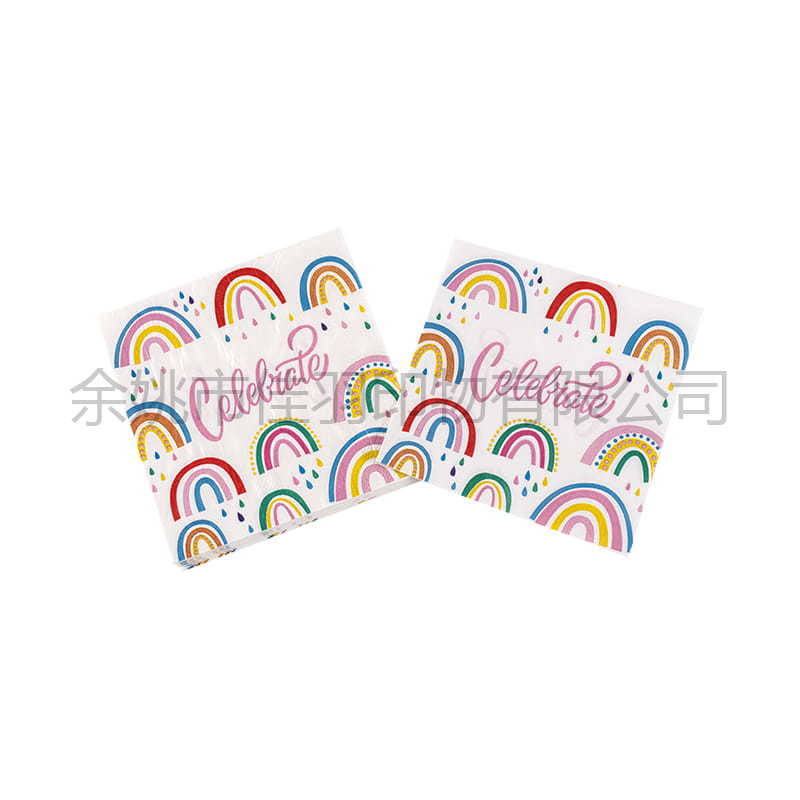
Backyard barbecues, birthday parties, potlucks, and casual gatherings benefit from 2-ply luncheon or cocktail napkins in fun colors or patterns that complement the decor. For events serving finger foods and messy items like ribs, wings, or burgers, prioritize absorbency and wet strength over appearance — guests will use several napkins and they need to hold up. Buying in bulk (packs of 200–500) is cost-effective for events and reduces per-napkin cost significantly.
Foodservice and Restaurant Settings
Commercial foodservice demands napkins that balance cost efficiency with adequate performance at high volume. Dispenser napkins — interfold 1-ply or 2-ply in standard sizes — are designed for tabletop or counter dispensers and minimize waste by dispensing one napkin at a time. Full-service restaurants typically use 1-ply or 2-ply luncheon napkins on tables, while fast food and quick-service operations rely on 1-ply dispenser napkins for counter use. For table settings in mid-range or upscale restaurants, 2-ply or 3-ply dinner napkins are standard.
Eco-Conscious Consumers
For buyers prioritizing environmental impact above all else, the best choice is a 100% post-consumer recycled (PCR) or bamboo napkin with relevant certifications (PCR content verified, FSC-certified bamboo). Accept the slight trade-off in softness and absorbency versus virgin pulp as the cost of the lower environmental footprint. Unbleached napkins further reduce the chemical processing footprint. Buying larger pack sizes also reduces per-unit packaging waste.
Value for Money: Calculating the True Cost Per Napkin
Comparing paper napkin prices by package price alone is misleading because packages vary widely in count, size, and ply. The correct way to compare value is by cost per napkin, calculated by dividing the total package price by the number of napkins in the package.
However, cost per napkin also needs to be adjusted for performance. A very inexpensive 1-ply napkin at $0.01 per unit may require 3 napkins to do the job that one quality 2-ply napkin at $0.04 per unit accomplishes. In this scenario, the "cheaper" napkin actually costs $0.03 for the task versus $0.04 — a negligible difference — while delivering an inferior experience. The most economical napkin is the one that accomplishes the required task with the fewest units used.
Buying in bulk consistently reduces cost per napkin. A 500-count pack almost always offers a better per-napkin price than a 100-count pack of the same product. For households or businesses that use napkins regularly, bulk purchasing is a straightforward way to reduce ongoing costs without sacrificing quality.
| Napkin Type |
Typical Cost Per Napkin |
Napkins Needed Per Task |
Effective Cost Per Task |
| 1-Ply (bulk) |
$0.008 – $0.015 |
2 – 3 |
$0.016 – $0.045 |
| 2-Ply (luncheon) |
$0.03 – $0.06 |
1 – 2 |
$0.03 – $0.12 |
| 2-Ply (dinner) |
$0.05 – $0.10 |
1 |
$0.05 – $0.10 |
| 3-Ply (premium dinner) |
$0.12 – $0.25 |
1 |
$0.12 – $0.25 |
| Bamboo (2-ply) |
$0.06 – $0.15 |
1 |
$0.06 – $0.15 |
Approximate cost per napkin and effective cost per task across napkin types (prices vary by region and retailer)
Red Flags: Signs of a Poor-Quality Paper Napkin
Not all problems with paper napkins are obvious from the packaging. The following warning signs indicate a napkin that will underperform or be unpleasant to use:
- Dye that bleeds when wet: Press a dampened colored napkin against white paper — color transfer means unstable dyes unsuitable for food contact
- Napkin falls apart before the task is done: A napkin that shreds or disintegrates under normal use has no wet strength treatment and is inadequate for anything beyond the lightest touch
- Rough, scratchy surface texture: Low-grade recycled fiber or insufficient processing creates a surface that is unpleasant on skin and unsuitable for face or mouth use
- Strong chemical or bleach odor: A noticeable chemical smell indicates aggressive bleaching or the use of scent additives that can be irritating to sensitive users
- Uneven thickness or visible holes: Inconsistent paper formation creates weak spots where the napkin tears unpredictably during use
- Environmental claims with no certification logos: Words like "sustainable," "eco," or "green" on packaging with no FSC, PEFC, or recycled content certification are unverified marketing claims
Practical Tips for Reducing Paper Napkin Waste
Even the most sustainably produced paper napkin has an environmental footprint. The most effective way to reduce the impact of paper napkin use — while still enjoying the convenience and hygiene benefits — is to use them more efficiently:
- Choose the right size for the task: Using a full dinner napkin for a cup of coffee when a cocktail napkin would suffice wastes both paper and money. Right-sizing the napkin to the task is the simplest waste reduction strategy
- Use quality over quantity: One high-absorbency 2-ply or 3-ply napkin accomplishes what three or four 1-ply napkins do, resulting in less total paper consumed per meal
- Use dispenser holders at home: A countertop napkin dispenser naturally limits how many napkins are grabbed at once compared to a loose stack, reducing unnecessary over-use
- Compost used napkins when possible: Uncoated, undyed paper napkins made from virgin pulp or recycled fiber are compostable in most home compost systems, diverting them from landfill. Napkins with heavy dyes, inks, or wet-strength chemical treatments may not be accepted in all composting systems — check your local guidelines
- Supplement with cloth napkins for everyday use: Using cloth napkins for family meals and reserving paper napkins for guests, parties, or situations where cloth is impractical significantly reduces ongoing consumption without eliminating the convenience of paper entirely
Quick Decision Guide: Which Paper Napkin Should You Buy?
Use the following summary to quickly identify the best napkin specification for your situation:
| Situation |
Recommended Ply |
Recommended Size |
Key Feature to Prioritize |
| Formal dinner party |
3-ply |
Dinner (16–17") |
Softness, appearance, FSC certified |
| Everyday family meals |
2-ply |
Luncheon (13") |
Absorbency, value, bulk pricing |
| Kids' party or picnic |
2-ply |
Luncheon (13") |
Wet strength, fun colors/patterns, safe dyes |
| Cocktail party or appetizers |
2-ply or 3-ply |
Cocktail (10") |
Appearance, softness |
| Restaurant / high volume |
1-ply or 2-ply |
Dispenser size |
Cost efficiency, dispenser compatibility |
| Eco-conscious household |
2-ply |
Luncheon (13") |
100% PCR or bamboo, TCF bleaching, certified |
Quick reference guide for selecting the right paper napkin by situation and priority
The bottom line is that a better paper napkin is not necessarily the most expensive one — it is the one that matches the ply, size, material, and performance characteristics to what you actually need. A thoughtful choice based on the factors covered in this guide ensures you get the absorbency, softness, durability, and environmental credentials that matter for your specific use, without overpaying for features that are irrelevant to your situation.
 English
 中文简体
中文简体 Español
 Deutsch

 No.71, Xiafan, Panxiang Village, Yangming Street, Yuyao City, China.
 491791889@qq.comsales@jiayuprint.com
 +86-13186866868
 +86-0574-62587484