The right paper plate is chosen by matching three factors: weight capacity, moisture resistance, and size to the specific food and occasion. A lightweight single-ply plate suitable for dry snacks will buckle under a full meal with sauce; an over-engineered heavy-duty plate for simple crackers wastes material and cost. Getting this match right avoids the two most common paper plate failures — bending under load and soaking through with wet food.
Factor 1: Weight and Structural Strength
Paper plates are manufactured in a range from thin single-ply to heavy multi-ply or molded fiber constructions. The structural strength of the plate determines what food it can support without bending or collapsing when held in one hand.
Paper plate strength categories and their appropriate food applications
| Plate Type |
Construction |
Suitable Foods |
Not Suitable For |
| Lightweight / single-ply |
Thin paperboard |
Dry snacks, cookies, cake slices |
Hot foods, sauced dishes, heavy meals |
| Medium-weight / standard |
Multi-ply or coated board |
Sandwiches, cold cuts, pizza slices |
Soups, very saucy dishes |
| Heavy-duty / reinforced |
Thick multi-ply, soak-proof |
Grilled meats, pasta, stews, full meals |
Submerged liquids (soups in bowls) |
| Molded fiber / bagasse |
Pressed sugarcane or bamboo fiber |
Hot foods, oily dishes, heavy catering |
Nothing within standard use — most versatile |
Factor 2: Moisture and Grease Resistance
Moisture and grease resistance is determined by the coating applied to the plate surface. Standard uncoated plates absorb moisture within minutes when in contact with wet or oily food — creating a soggy plate that may tear when lifted. When serving anything with sauce, dressing, oil, or high moisture content, coating matters more than any other specification.
- Uncoated plates: Absorb moisture readily. Suitable for dry foods only — crackers, bread, pastries, and cake slices where no liquid contact occurs.
- Clay-coated plates: A mineral coating reduces moisture absorption and provides a brighter, more printable surface for decorative designs. Suitable for moderate-moisture foods but not soaking wet dishes.
- Polyethylene (PE) lined plates: A thin plastic film bonded to the inner surface creates an effective moisture and grease barrier — suitable for oily, sauced, or hot foods. These plates maintain structural integrity for the duration of a meal even with high-moisture content dishes.
- Soak-proof / cut-resistant plates: Heavy-duty constructions that resist both moisture penetration and cutting motion when a knife is used — necessary for meals that require slicing (chicken pieces, steak cuts, firm vegetables).
Factor 3: Size — Matching Plate Diameter to Portion and Food Type
Paper plates are produced in standard diameter sizes, each suited to different use cases:
- 15–18 cm (6–7 inches): Dessert and snack plates. Suitable for cake, cookies, canapes, and finger foods at parties and receptions. The small size controls portion presentation and reduces waste.
- 20–23 cm (8–9 inches): Standard lunch or buffet plates. Suitable for sandwiches, salads, cold cuts, and lighter main courses. The most widely available size for general-purpose disposable plate use.
- 25–27 cm (10–11 inches): Full dinner plates. Suitable for complete meals — grilled protein with sides, pasta dishes, and barbecue portions. Provides sufficient surface area to hold a full-sized serving without food contact with the plate rim.
A plate that is too small forces food to the edge, increasing the risk of spills when carried. A plate significantly larger than the food portion looks sparse at formal events and uses unnecessary material. Matching plate diameter to the expected portion size and food arrangement is both practical and presentational.
Factor 4: Material and Environmental Considerations
The material of the plate affects both performance and environmental impact after use:
- Virgin pulp paper plates: White, smooth surface; accepts printing well for decorative designs. Generally not recyclable after food contact due to grease contamination, but compostable if uncoated and uncontaminated.
- Recycled fiber plates: Made from post-consumer recycled paper content. Lower environmental footprint in production; often slightly rougher surface texture. Suitable for casual and outdoor use where appearance is secondary.
- Sugarcane bagasse (compostable): Made from sugarcane fiber left after juice extraction — a genuine agricultural byproduct. Naturally moisture-resistant without plastic coating, compostable in commercial composting facilities within 60–90 days, and microwave-safe. The highest-performance eco-friendly option.
- Palm leaf plates: Pressed from fallen palm leaves — fully natural, no chemicals or adhesives, compostable, and visually distinctive. Well suited to upscale casual dining and eco-conscious catering events.
Factor 5: Occasion and Presentation
The occasion determines how much weight to give appearance relative to pure function:
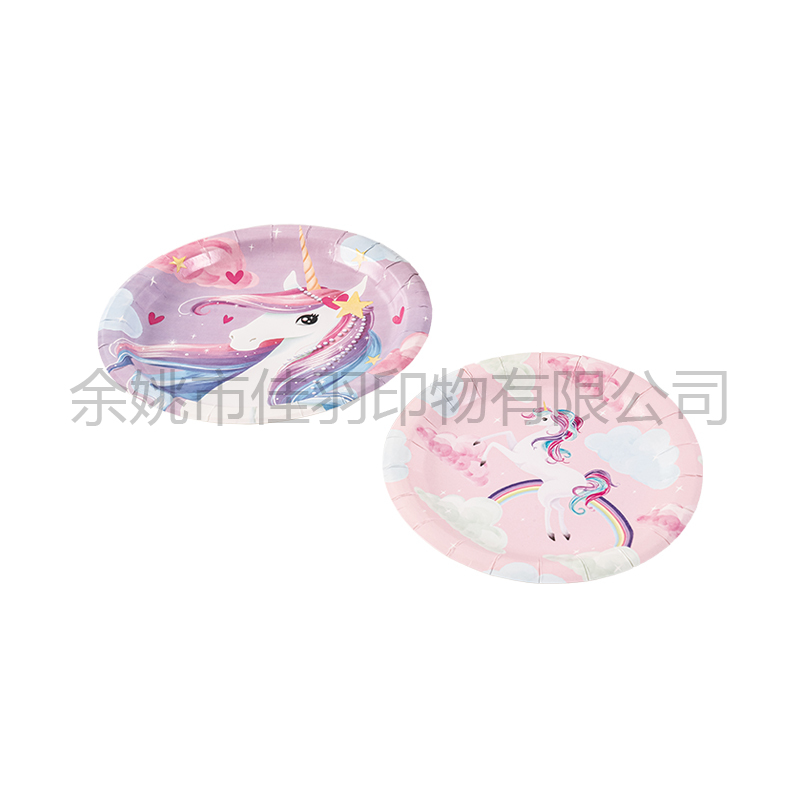
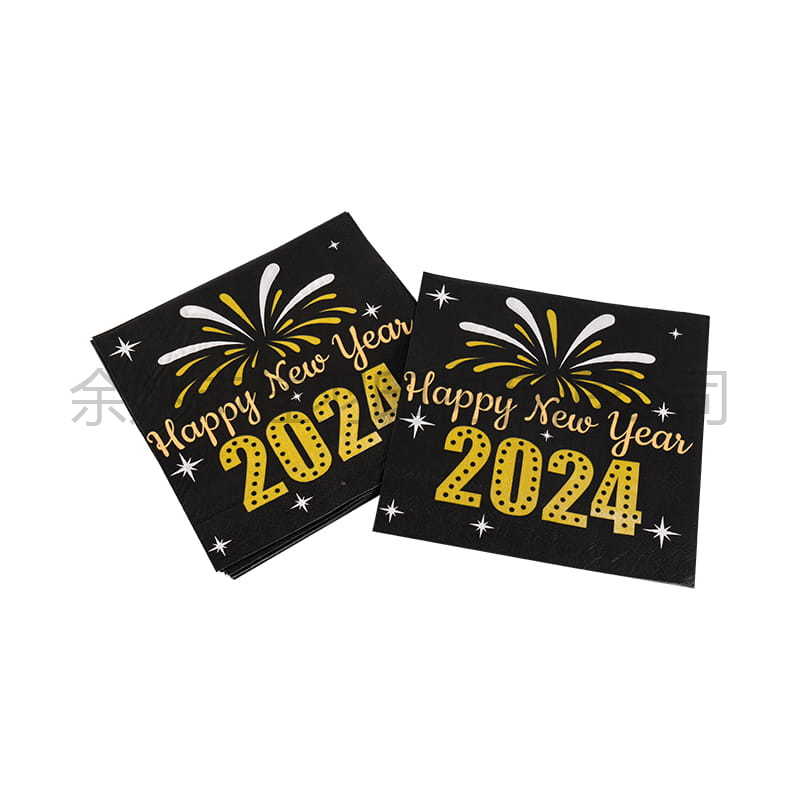
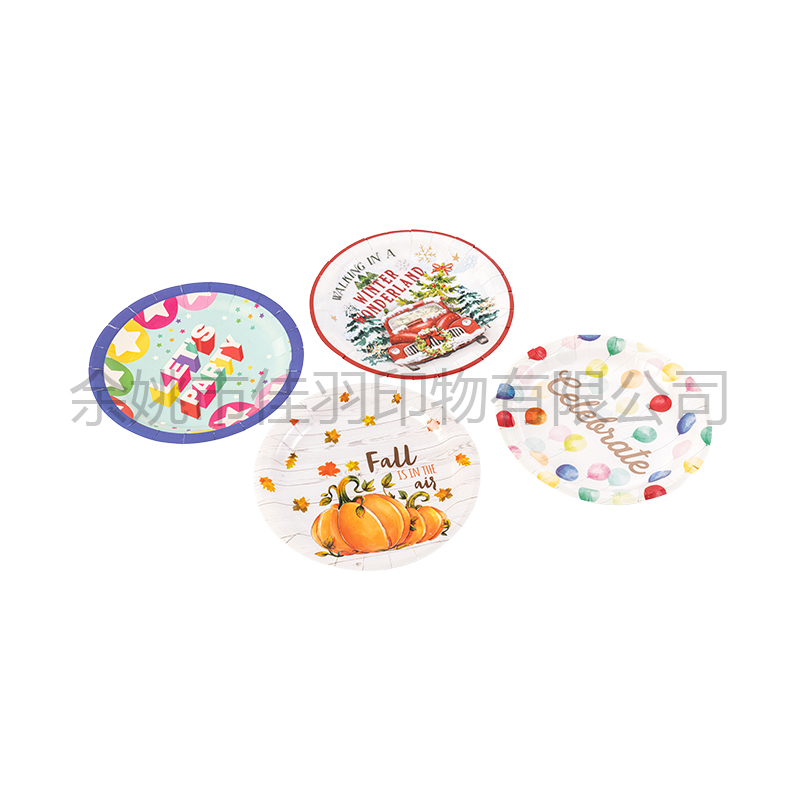
- Children's birthday parties: Printed designs with themed colors and characters — lightweight plates for dry snack and cake service. Single-use, low cost, and festive appearance take priority over structural strength.
- Outdoor barbecues and picnics: Heavy-duty, soak-proof construction in large sizes — grilled meats with marinades, coleslaw with dressing, and corn require maximum moisture and grease resistance.
- Office or workplace events: White or plain medium-weight plates — professional appearance, adequate strength for buffet-style food, easy stacking and storage.
- Eco-conscious catering events: Bagasse or palm leaf plates — compostable credentials and natural appearance align with sustainability messaging while delivering full meal performance.
- Large-scale catering and food service: Bulk-purchased standard medium or heavy-duty plates — consistency, stackability, and cost-per-unit are the primary selection criteria at volume.
 English
 中文简体
中文简体 Español
 Deutsch
 No.71, Xiafan, Panxiang Village, Yangming Street, Yuyao City, China.
 491791889@qq.comsales@jiayuprint.com
 +86-13186866868
 +86-0574-62587484