To wrap cutlery in a paper napkin, lay the napkin flat in a diamond orientation, fold the bottom corner upward to create a cuff, place the fork and knife parallel near the bottom edge, then roll the cutlery tightly toward the opposite corner, tucking the side flaps inward as you roll to secure everything neatly in place. The entire process takes under thirty seconds once you have practiced it a few times, and the result is a clean, professional-looking cutlery roll that keeps utensils hygienic, organized, and easy for guests to pick up and use. Whether you are setting tables for a restaurant service, preparing for a catered outdoor event, organizing a wedding reception, or simply presenting a casual dinner with a polished touch, knowing how to wrap cutlery properly in a paper napkin is one of the most practical and underrated hospitality skills you can have. This guide covers every technique in detail, from the basic standard roll to decorative presentation folds, along with advice on choosing the right napkin for the application.
Why Wrapping Cutlery in a Paper Napkin Matters
Wrapped cutlery is not merely an aesthetic choice — it serves several practical functions that explain why restaurants, caterers, airlines, and event organizers consistently use this technique rather than laying utensils flat on the table.
Hygiene and Protection
An unwrapped fork or knife placed on a restaurant table is exposed to airborne particles, nearby diners, and the hands of anyone who handles it before the guest sits down. Wrapping cutlery in a napkin creates a protective enclosure that keeps the eating surface of each utensil uncontaminated from the time of wrapping until the moment the guest opens the roll. This is particularly important in buffet and self-service settings where utensils may sit on a surface for extended periods before use, and in outdoor event catering where environmental exposure is greater than in enclosed spaces.
Research on food safety in catering environments has consistently identified pre-wrapped cutlery as a best practice for reducing cross-contamination risk at the point of service (Source: UK Food Standards Agency, Food Hygiene Guidance for Catering Businesses, FSA Publication, 2022).
Organization and Efficiency
In high-volume service environments, pre-wrapped cutlery rolls allow service staff to place a complete knife-and-fork set in front of each guest in a single movement rather than laying each utensil individually. This reduces table setting time significantly — a practical advantage when turning tables quickly between covers or setting up for a large event simultaneously. Pre-wrapped rolls can also be transported in containers, trays, or baskets without the risk of individual utensils becoming separated or disordered.
Presentation and Perceived Quality
The visual impression created by neatly wrapped cutlery communicates attention to detail and care in service quality. Studies on restaurant consumer psychology have found that table presentation — including the quality and condition of napkins and cutlery placement — significantly influences diners' initial quality perceptions and their willingness to return (Source: Journal of Hospitality and Tourism Research, Table Setting and Customer Satisfaction in Casual Dining, Vol. 38, 2014). A neatly wrapped cutlery roll in a quality Paper Napkin sets a positive tone before a single item of food has been served.
What You Need Before You Start
Before beginning any cutlery wrapping technique, gather the right materials and prepare your workspace. The quality of both the napkin and the cutlery affects how easily and neatly the finished roll comes together.
Choosing the Right Paper Napkin
Not all paper napkins are equally well-suited to cutlery wrapping. The key properties to look for are:
- Size: A minimum size of 33 x 33 cm (1/4 fold, standard dinner napkin) is needed for a basic cutlery roll; larger napkins of 40 x 40 cm provide more material to work with and allow neater finishing, particularly for decorative folds
- Ply count: Two-ply napkins hold their shape significantly better than single-ply options during folding and rolling; three-ply napkins provide the best structural integrity for decorative presentation but add some cost per setting
- Paper quality: Napkins with a soft, slightly textured surface grip the cutlery during rolling and resist unraveling better than very smooth, slippery papers; embossed or airlaid paper napkins provide excellent grip and durability
- Colorfastness: If using colored napkins, confirm the color is stable when the napkin is handled with slightly damp hands — a napkin that bleeds color onto the cutlery handle is unacceptable in food service use
- Wet strength: In outdoor or humid environments, or where the wrapped roll may be placed on a slightly damp surface, napkins with wet-strength treatment maintain their structure and appearance better than untreated paper
Preparing the Cutlery
Ensure all cutlery is thoroughly clean, dry, and free of water spots or food residue before wrapping. Even a small amount of moisture can cause the paper napkin to soften and lose its structural integrity during the rolling process, resulting in a roll that unravels or tears before it reaches the guest. Polish each piece with a clean dry cloth immediately before wrapping in high-volume service settings.
Workspace Setup
Work on a clean, flat surface — a table or counter — at a comfortable standing height. Arrange your napkins in a stack to your left (or right, if you prefer), and your sorted cutlery in organized groups (all forks together, all knives together) to make the wrapping process flow efficiently without interruptions to search for utensils.
The Standard Cutlery Roll: Step-by-Step
The standard cutlery roll is the technique used in the vast majority of restaurant and catering settings. It is fast, consistent, and produces a neat result that works with any paper napkin of adequate size. Master this technique first before attempting any decorative variations.
- Orient the napkin as a diamond. Place one square paper napkin flat on your work surface with one corner pointing toward you, creating a diamond shape. If the napkin is pre-folded in quarters, unfold it fully before beginning
- Fold the bottom corner up. Take the corner closest to you and fold it upward toward the center of the napkin, creating a horizontal folded edge approximately one-third of the way up from the bottom. This folded cuff will form the pocket that holds the cutlery handles
- Place the cutlery on the fold. Lay the fork flat on the folded section with the handle pointing toward the right side of the napkin and the tines extending beyond the left edge. Place the knife parallel to and directly behind the fork, blade edge facing inward toward the fork. The handles should sit approximately 2 to 3 cm from the bottom folded edge
- Fold in the left side flap. Take the left corner of the napkin and fold it inward over the cutlery, tucking it snugly against the utensil handles to keep them from slipping sideways during the roll
- Begin rolling from the left. Starting from the left side where you have just made the fold, begin rolling the cutlery bundle tightly toward the right, keeping the roll firm and even as you go. Maintain downward pressure with your fingers to prevent the roll from loosening
- Complete the roll and tuck the final flap. Continue rolling until the right corner of the napkin is reached. Tuck this final flap underneath the roll to secure it, or leave it slightly extended as a decorative tail depending on the presentation style you prefer
- Place with the open end facing up. Stand the finished roll upright in a glass or lay it horizontally on the table with the open end — where the fork tines and knife tip are visible — facing the guest for easy opening
With practice, an experienced server can complete this sequence in approximately 20 to 25 seconds per setting, making it practical for pre-setting large numbers of covers before service begins. A single server pre-wrapping at this pace can complete 100 place settings in approximately 35 to 40 minutes.
The Simple Pocket Fold: A Faster Alternative
For high-volume settings where speed is the priority and a full roll is not required, the pocket fold offers a quicker alternative that still neatly contains the cutlery and presents a tidy appearance on the table.
- Fold the napkin into quarters. Take the paper napkin and fold it in half, then fold it in half again to create a square approximately one-quarter of the original napkin size
- Orient with the open corners at the top. Position the folded square so that the corner with all four free layers faces toward the top and slightly to the right
- Fold down the top layer. Take only the very top layer of the four-corner point and fold it downward toward the center of the square, creating a triangular flap that forms the visible decorative front of the pocket
- Fold in the side edges. Fold the left and right edges of the square inward to meet in the center, creating a vertical pocket shape with the decorative triangle at the front
- Slide the cutlery into the pocket. Insert the fork and knife, handles first, down into the pocket formed by the folded napkin. The handles should be concealed inside the pocket and the eating ends of the utensils should be visible above the top of the napkin
The pocket fold works particularly well with slightly stiffer paper napkins that hold a defined crease, and is well-suited for casual dining, buffet settings, and outdoor events where speed of preparation is important.
The Fan Fold Roll: For Formal or Decorative Presentations
The fan fold roll elevates the standard cutlery wrap into a decorative presentation element suitable for formal dinners, wedding receptions, and upscale restaurant settings where the table setup is itself part of the guest experience.
- Begin with a fully opened napkin in diamond orientation, exactly as for the standard roll
- Accordion-fold the top section. Starting from the top corner of the diamond, fold the napkin back and forth in even accordion pleats of approximately 3 to 4 cm width, stopping when you have folded roughly the top two-thirds of the napkin. The pleated section will become the fan that sits above the rolled base
- Fold the bottom corner up over the pleated base. Bring the bottom corner of the remaining unpleated section upward to cover the base of the accordion pleats, creating a cuff that holds the pleats together at their base
- Place the cutlery across the cuff. Lay the fork and knife on the cuff section just as in the standard roll, parallel to each other with handles oriented consistently
- Roll the cuff section tightly around the cutlery. Roll only the lower cuff section — not the pleated fan — around the cutlery bundle, keeping the pleated fan upright and open above the roll
- Adjust and stand the fan upright. Gently spread the accordion-pleated fan sections to create an attractive open fan display above the rolled cutlery base
The fan fold roll requires a larger napkin — ideally 40 x 40 cm or larger — to provide enough material for both the pleated fan and the rolled base. A quality airlaid or two-ply embossed Paper Napkin holds the accordion pleats far more crisply than thin single-ply paper, producing a visibly superior decorative result that enhances the overall table presentation.
The Envelope Fold: Clean and Minimal
The envelope fold produces a compact, symmetrical package that resembles a sealed letter, giving a clean and modern visual aesthetic well-suited to contemporary restaurant and hotel dining room settings.
- Lay the napkin flat as a square (not in diamond orientation for this fold)
- Fold the napkin in thirds horizontally. Fold the bottom third upward and the top third downward to create a long rectangular strip
- Place the cutlery on the left side of the rectangle, parallel and aligned, with handles pointing slightly to the right
- Fold the left edge inward, enclosing the cutlery handle ends completely inside the fold
- Roll from left to right until the cutlery is fully enclosed in a compact rectangular bundle
- Fold the top and bottom edges inward to create the sealed envelope shape, tucking them under the roll to hold the package closed
The envelope fold works especially well for pre-packaging cutlery for delivery or takeaway contexts, for airline or travel catering, and for any setting where the wrapped cutlery may be handled or transported before use and needs to remain firmly closed without a separate wrap or elastic band.
Comparison of Cutlery Wrapping Techniques
Different wrapping techniques suit different service contexts. The table below compares the four main methods across the criteria that matter most in practical use:
| Technique |
Time to Complete |
Napkin Size Required |
Security (Stay-Closed) |
Best Suited For |
| Standard Roll |
20 to 25 seconds |
33 x 33 cm minimum |
Good |
Everyday restaurant, buffet, casual catering |
| Pocket Fold |
10 to 15 seconds |
33 x 33 cm minimum |
Moderate |
High-volume service, fast casual, buffets |
| Fan Fold Roll |
45 to 60 seconds |
40 x 40 cm or larger |
Good |
Formal dining, weddings, upscale events |
| Envelope Fold |
30 to 40 seconds |
33 x 33 cm minimum |
Excellent |
Transport, delivery, airline, takeaway |
| Approximate time estimates based on experienced staff performing each technique; novice users should allow additional time during the learning phase |
Tips for Consistent, Professional Results Every Time
Even simple wrapping techniques produce inconsistent results if common mistakes are not addressed from the beginning. The following practical tips apply to all cutlery wrapping methods and will help ensure every roll looks as neat as the first.
Consistency in Napkin Orientation
Always begin each napkin in exactly the same orientation. If you start the standard roll with the diamond oriented with a corner pointing toward you, do this identically for every napkin you wrap. Minor variations in starting orientation compound into visible inconsistency across a table setting, which undermines the professional impression the wrapped cutlery is intended to create.
Keeping the Roll Tight
The most common mistake when learning any cutlery roll technique is allowing the roll to loosen during the wrapping process. A loose roll unravels before it reaches the guest and is difficult to pick up without the contents falling out. Apply consistent downward pressure with your non-dominant hand on the forming roll as you wrap, keeping the tension even throughout. Think of it as rolling a sushi roll — the tighter and more even the roll, the better the finished result.
Always Orient Cutlery the Same Way
Place the fork and knife in the same relative position inside every roll — fork on top, knife behind with the blade edge facing inward, handles aligned at the same depth within the cuff. Inconsistent cutlery placement produces rolls of uneven diameter that look visually mismatched when placed side by side on a table or arranged in a basket.
Batch Preparation for Efficiency
In high-volume settings, batch preparation is significantly more efficient than wrapping one setting at a time. Set up a production line: sort all napkins into a stack, sort all forks and knives into separate groups, then work through the entire batch in sequence. Experienced catering staff use this method to prepare hundreds of place settings in a single continuous session before service begins, rather than wrapping each setting individually during service.
Handle Napkins by the Edges
Handle paper napkins by their edges rather than their faces when positioning them for wrapping. Oils and moisture from hands can subtly affect the surface of high-quality embossed napkins, reducing the crisp appearance of the paper at the point where it is most visible in the finished roll. This is a small detail but one that distinguishes truly polished service preparation from merely adequate execution.
How to Present Wrapped Cutlery at the Table
The wrapping technique and the presentation method together determine the overall visual impression created at the table. Several standard presentation approaches each suit different service styles and table layouts.
Standing in a Glass or Vessel
For buffet tables, self-service stations, and informal dining setups, wrapped cutlery rolls are commonly stood upright in a drinking glass, mason jar, small bucket, or purpose-made cutlery holder. This presentation keeps the rolls compact, easy to grasp, and visually organized, while also allowing guests to see immediately that the utensils are clean and wrapped. For outdoor events and festivals, this presentation style also keeps the cutlery off potentially contaminated surfaces.
Placed Flat on the Cover
In sit-down restaurant service, wrapped cutlery rolls are typically placed flat on the table cover at the right side of the place setting, parallel to the edge of the table. The open end — showing the fork tines and knife tip — faces toward the center of the setting for easy guest identification, and the decorative end of the roll (whether a plain tuck or a fan fold display) faces the guest's initial line of sight on approach to the table.
On a Side Plate
For formal or semi-formal settings, the wrapped cutlery roll is placed on the bread plate or a dedicated side plate to the left of the main cover, elevating it slightly from the tablecloth and giving it a defined position within the place setting geometry. This approach works particularly well with decorative rolls such as the fan fold, where presenting the roll flat on a small plate allows the full decorative effect to be visible from the guest's eye level.
In a Takeaway or Delivery Context
For takeaway food packaging and delivery orders, wrapped cutlery rolls are placed inside the food bag alongside the order. The envelope fold is preferred for this context because its closed sides prevent the cutlery from slipping out of the napkin during transport and handling. Some operators use a small paper band or sticker to seal the roll closed, which also provides an opportunity to incorporate branding or a customer message on the wrapper.
Choosing the Right Paper Napkin for Cutlery Wrapping
The paper napkin is not a passive background element in cutlery wrapping — its quality, size, and material properties directly affect the ease of wrapping, the structural integrity of the finished roll, and the overall impression it creates on the guest. Making the right napkin selection for each application is as important as mastering the wrapping technique itself.
Napkin Ply and Weight
Single-ply napkins are the thinnest and least expensive option but offer the least structural integrity for wrapping. They tend to tear at fold lines under the pressure of the rolling process, particularly at corners and when the napkin is slightly damp. Two-ply napkins represent the practical minimum for reliable cutlery wrapping in most settings — the double thickness provides sufficient body to hold a firm roll without tearing. Three-ply and airlaid napkins provide the best results for decorative folds and formal presentations, combining structural rigidity with a soft, premium tactile quality that reinforces the table setting's quality message.
Size Selection
The most common paper napkin sizes and their suitability for cutlery wrapping are:
- 24 x 24 cm (cocktail napkin): Too small for reliable cutlery wrapping; only suitable for enclosing a single spoon or small utensil as an emergency alternative
- 33 x 33 cm (standard dinner napkin): The minimum size for comfortable cutlery wrapping using the standard roll or pocket fold techniques; adequate for a fork-and-knife combination with careful technique
- 40 x 40 cm (large dinner napkin): The recommended size for consistent, neat results across all wrapping techniques including decorative folds; provides additional material to work with and produces a more substantial finished roll
- 50 x 50 cm (banquet napkin): Provides ample material for the most elaborate decorative folds and fan presentations; typically used for high-end events and formal table settings where presentation is a priority
Surface Texture and Embossing
Embossed paper napkins — those with a raised pattern pressed into the paper surface — grip the cutlery more effectively during rolling than smooth-surface alternatives, producing rolls that hold their shape better and are less likely to unravel on the table before the guest picks them up. The embossing also adds a subtle visual texture that enhances the premium appearance of the finished roll.
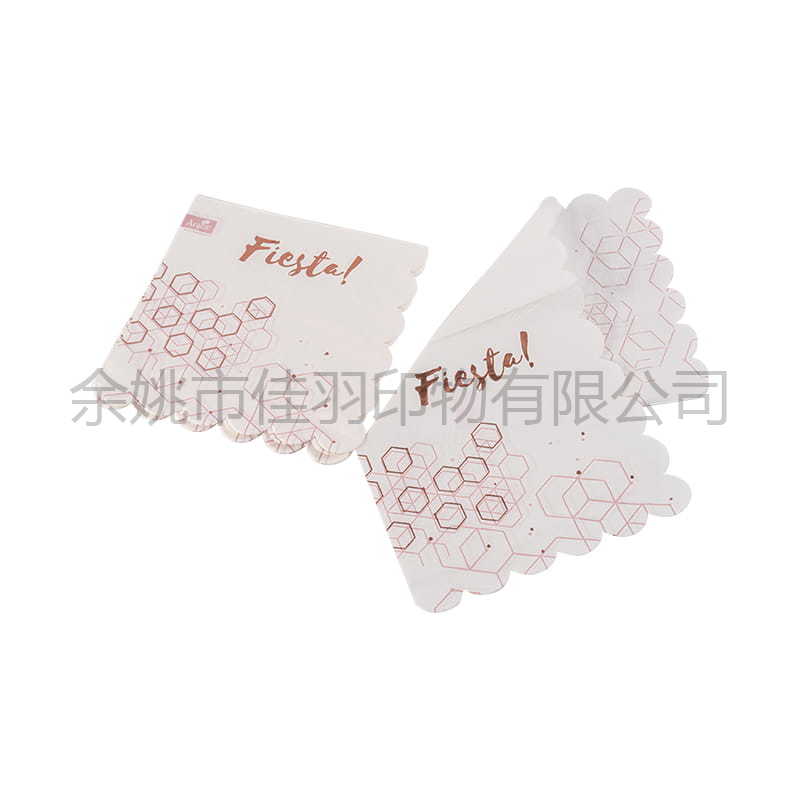
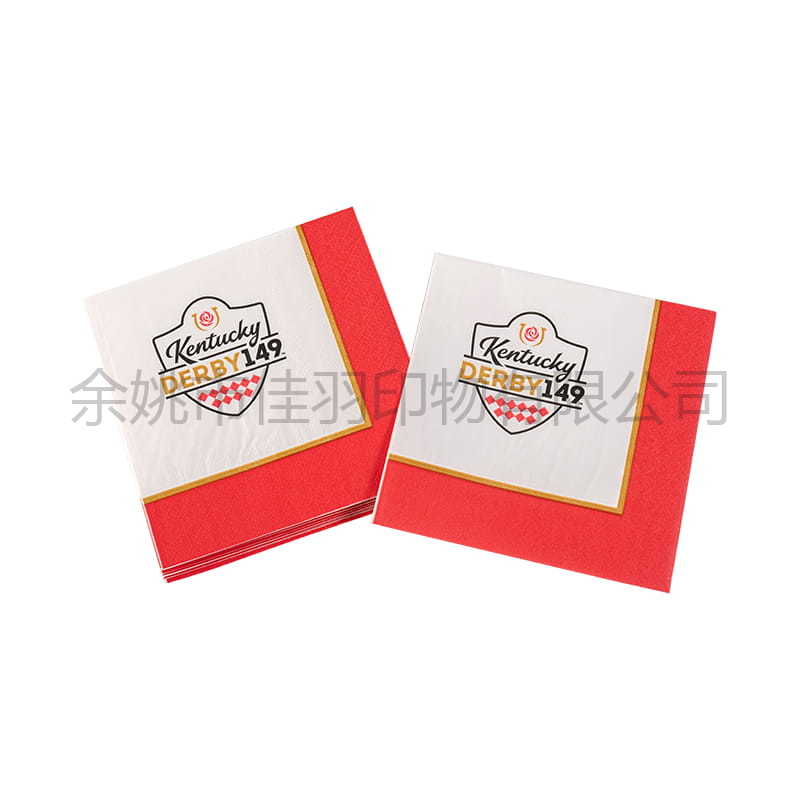
For restaurants and catering businesses where napkin branding is part of the overall customer experience, custom-printed napkins with a logo, establishment name, or decorative motif add a professional branded touch to each place setting. A quality Paper Napkin in the correct size, ply count, and surface quality is the foundation of a well-executed cutlery wrap — the technique brings it together, but the napkin itself is what the guest sees and touches.
Common Mistakes and How to Fix Them
Even experienced staff encounter consistent problems with cutlery wrapping if technique fundamentals are not correctly established. The following table identifies the most common issues and their practical solutions:
| Problem |
Likely Cause |
Solution |
| Roll unravels on the table |
Insufficient tightness during rolling, or final flap not properly tucked |
Apply more downward pressure during rolling; ensure the final flap is fully tucked under the roll base |
| Napkin tears during rolling |
Napkin too thin (single-ply) or damp; cutlery edges catching the paper |
Upgrade to two-ply or three-ply napkins; ensure cutlery is dry; orient knife blade inward |
| Cutlery slides out of the roll |
Side flaps not folded inward before rolling; napkin too smooth to grip |
Ensure both side flaps are tucked before starting the roll; use embossed napkins for better grip |
| Inconsistent roll diameter |
Cutlery placed at different positions within the napkin each time |
Standardize the position of cutlery placement on the napkin as the first step of every wrap |
| Napkin too small to complete the roll |
Using cocktail or small lunch napkins for cutlery wrapping |
Switch to a minimum 33 x 33 cm napkin; 40 x 40 cm recommended for consistent results |
| Fan fold collapses |
Accordion pleats too shallow, or napkin paper too soft to hold structure |
Use deeper pleats of at least 3 cm width; use an airlaid or higher-ply napkin with better structural body |
| Common cutlery wrapping problems with practical solutions applicable across all napkin types and service environments |
Cutlery Wrapping for Different Event Types
The appropriate technique and napkin choice shift depending on the event context. Matching the wrapping style to the occasion demonstrates awareness of the guest experience expected in each setting.
Casual Outdoor Events and Barbecues
For casual outdoor settings — garden parties, barbecues, picnics, and casual buffets — the standard roll or pocket fold in a simple white or lightly colored two-ply napkin is entirely appropriate. Speed of preparation is typically more important than decorative elaboration, and the wrapped rolls can be pre-prepared and stored in containers or baskets for easy self-service access by guests. Napkins with some wet-strength treatment are particularly practical in outdoor settings where dew, condensation, or light rain may dampen surfaces.
Wedding Receptions and Formal Dinners
Formal events where the table setting is itself a designed visual element call for the fan fold roll or another decorative presentation technique in a high-quality napkin. Premium airlaid, linen-effect, or embossed three-ply paper napkins in white, ivory, or the event's color scheme create table settings that photograph beautifully and create a strong first impression on arrival at the reception venue. The extra preparation time required for decorative folds is justified by the impact they have on the overall visual quality of the setting.
Restaurant Daily Service
In daily restaurant service where hundreds of covers may be prepared before each sitting, the standard roll in a consistent, quality two-ply napkin strikes the optimal balance between speed, hygiene, visual consistency, and cost-effectiveness. Pre-wrapping all cutlery at the beginning of a shift rather than during service ensures the dining room is fully set before guests arrive, allows service staff to focus on customer interaction during service, and maintains hygiene standards throughout the meal period.
Takeaway and Food Delivery
Delivery and takeaway contexts require a wrap that will survive handling, transport, and the time between preparation and consumption. The envelope fold with a sealed or banded finish is ideal for these applications. Many operators include one wrapped cutlery set per order as a standard inclusion in the delivery packaging, noting that customers consistently rate the inclusion of wrapped (rather than loose) cutlery positively in delivery experience surveys — an inexpensive addition that has a measurable positive effect on perceived care and service quality.
 English
 中文简体
中文简体 Español
 Deutsch

 No.71, Xiafan, Panxiang Village, Yangming Street, Yuyao City, China.
 491791889@qq.comsales@jiayuprint.com
 +86-13186866868
 +86-0574-62587484