In today's fast-paced life, paper plates have become the preferred choice for family gatherings, outdoor picnics, and takeout meals due to their convenience, no-washing, and easy disposal.
I. Main Components and Classifications of Paper Plates
Not all paper plates on the market are made from simple pulp. To ensure their waterproof and oil-proof properties, different types of paper plates differ in their manufacturing process:
- Vivi pulp paper plates: Mainly made from wood pulp or straw pulp. These products are usually thicker and have good biodegradability, but without a coating, their oil resistance is poor.
- Laminated paper plates: A layer of PE plastic film is coated on a paper substrate. This film effectively prevents the penetration of grease and moisture, and is currently the most common type on the market.
- Coated paper plates (oil repellent): Some high-end or specific-purpose paper plates have added fluorinated oil repellent agents to achieve better anti-penetration effects.
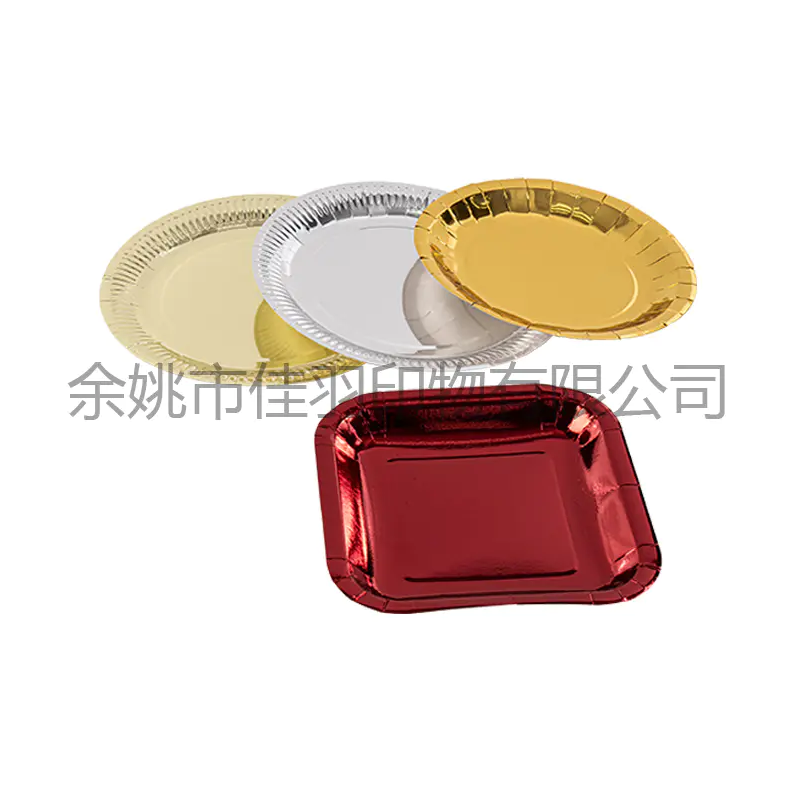
II. What are the health risks of eating with paper plates?
While qualified paper plates meet national food safety standards, improper use may still pose the following health risks:
- High Temperatures Leading to Harmful Substance Migration: The PE film on most paper plates has limited heat resistance. Placing freshly fried food or hot soup directly into the paper plate may cause the film to melt, allowing chemicals from the plastic to migrate into the food.
- Microwave Heating Risks: Not all paper plates are microwave-safe. Non-microwave-safe paper plates may deform during heating, causing food spills, and may also release harmful volatile chemicals. Long-term ingestion of these chemicals is detrimental to health.
- Chemical Additives and Heavy Metals: Some inferior or unlicensed paper plates may use excessive amounts of fluorescent whitening agents to increase whiteness, or use non-compliant inks in printing. These heavy metals and chemicals are easily absorbed by the body after contact with grease.
III. How to Choose and Use Healthy Paper Plates?
To enjoy the convenience of paper plates while prioritizing health, it is recommended to follow these principles:
- Look for the QS mark: When purchasing, always check the packaging for the Food Production License (QS) mark and the implementation standard number.
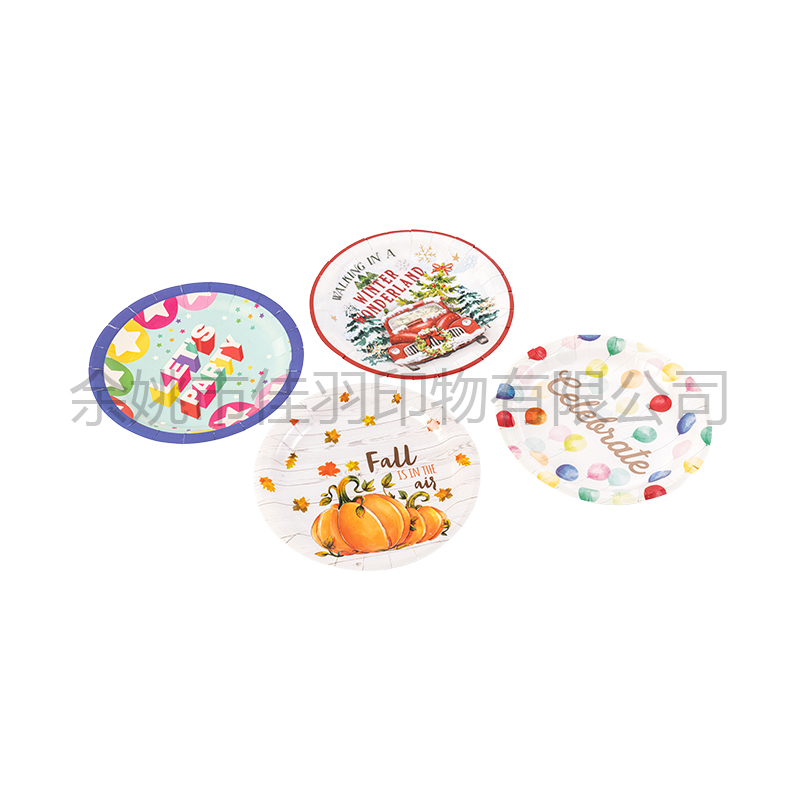
- Observe the color and smell: Do not buy paper plates that are too white (may contain fluorescent agents) or have a pungent chemical odor. It is recommended to choose products that are natural in color or without printed patterns.
- Pay attention to temperature limits: Try to avoid placing hot, oily foods exceeding 100°C on paper plates.
- Consider heating needs: If you need to use a microwave, make sure the packaging clearly states "microwave safe".
In general, using qualified paper plates occasionally is relatively safe and will not cause immediate health risks. However, from a long-term health and environmental perspective, reducing the use of disposable tableware and returning to ceramic or glass tableware is the best option.
If there are pregnant women or young children in your household, you should minimize the use of paper plates for hot food to avoid potential endocrine disruptors.
 English
 中文简体
中文简体 Español
 Deutsch
 No.71, Xiafan, Panxiang Village, Yangming Street, Yuyao City, China.
 491791889@qq.comsales@jiayuprint.com
 +86-13186866868
 +86-0574-62587484