In today's fast-paced life, taking coffee to go has become a daily habit for many. Whether in chain coffee shops or convenience stores, Paper cups are always the preferred container for coffee. However, the question of whether paper cups are truly suitable for coffee has been the subject of ongoing discussion regarding taste, safety, and environmental friendliness.
The Structure and Heat Resistance of Paper Cups
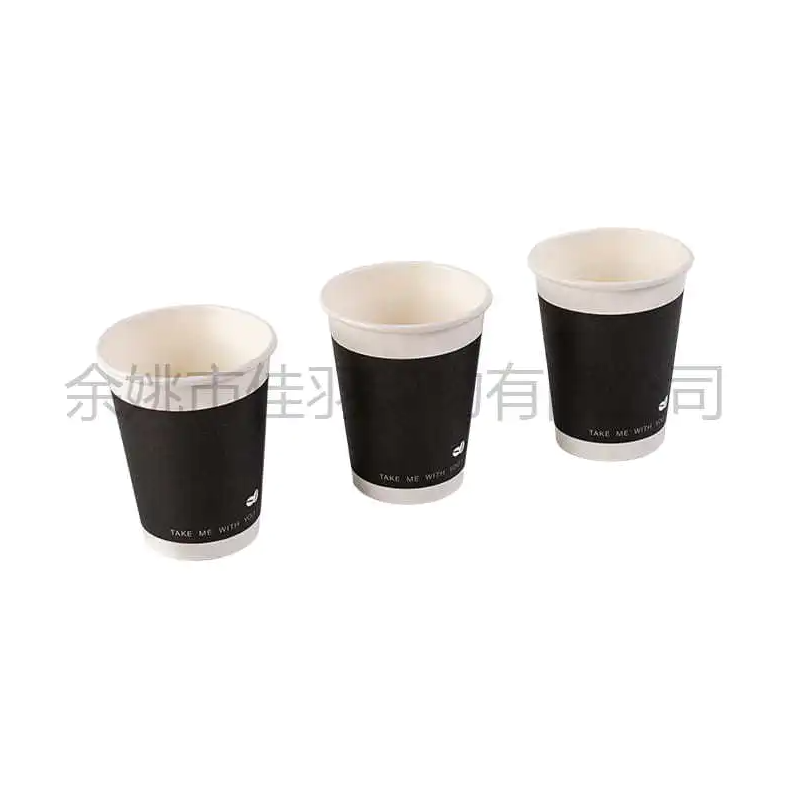
Common paper cups on the market are not simply made of paper. Because paper easily absorbs water and softens, a thin coating is usually applied to the inner wall of the paper cup to ensure it can withstand high-temperature liquids.
PE Coating (Polyethylene): This is the most traditional paper cup coating, possessing excellent waterproof and oil-proof properties, capable of withstanding hot drinks at around 90°C, basically meeting the brewing temperature requirements for Americanos and lattes.
PLA Coating (Polylactic Acid): This is a newer, biodegradable material, often referred to as the standard for "eco-friendly paper cups." Its heat resistance is comparable to PE, but it has advantages in terms of degradation and environmental friendliness.
When choosing disposable coffee cups, confirming their food-grade label and heat resistance range is the first step to ensuring safe drinking.
The Impact of Paper Cups on Coffee Taste
For coffee enthusiasts, the impact of paper cups on flavor is a significant concern.
Paper Pulp Taste: Lower-quality paper cups may release a faint paper pulp taste after contact with hot water, which can mask the delicate acidity and floral aromas of specialty beans.
Heat Loss: Compared to ceramic or stainless steel insulated cups, Paper cups have weaker heat retention. A rapid drop in coffee temperature can lead to a bitter taste, missing the optimal drinking window.
Plastic Lid Feel: Most lids used with paper cups are made of plastic. The condensation from hot steam can carry a plastic smell, often interfering with the sense of smell.
Safety: Should We Worry About Microplastics?
In recent years, research on "microplastics produced when hot coffee is served in paper cups" has attracted widespread attention. Studies have shown that when hot liquids are in prolonged contact with the inner lining of a paper cup, tiny plastic particles can indeed be released.
Recommendation: To reduce risk, avoid filling paper cups with boiling water. It's recommended to wait for coffee to cool to around 70°C before pouring, or minimize the time coffee stays in the paper cup.
Environmental Protection and Sustainable Development
While paper cups seem easier to recycle than plastic cups, the composite coating process on their inner walls makes it difficult to separate paper and plastic in standard waste disposal processes. This results in most used paper cups ending up in incinerators or landfills.
Current Trends: Many leading coffee brands are offering incentives to bring your own cup, encouraging consumers to reduce their reliance on disposable paper cups.
Innovative Solutions: New types of paper cups without plastic coatings have emerged on the market, achieving waterproofing through changes in fiber structure. This may be a new direction for the future development of Paper cups.
Are Paper Cups Suitable for Coffee?
Paper cups are undoubtedly synonymous with convenience in the modern coffee industry. They are lightweight, inexpensive, and easy to carry, making them ideal for commuting. However, from the perspective of taste and long-term health, paper cups are not a perfect choice.
If you're looking for the ultimate coffee flavor or want to live a low-carbon lifestyle, owning a high-quality travel mug (such as one made of ceramic or stainless steel) would be a better choice than a paper cup.
 English
 中文简体
中文简体 Español
 Deutsch
 No.71, Xiafan, Panxiang Village, Yangming Street, Yuyao City, China.
 491791889@qq.comsales@jiayuprint.com
 +86-13186866868
 +86-0574-62587484