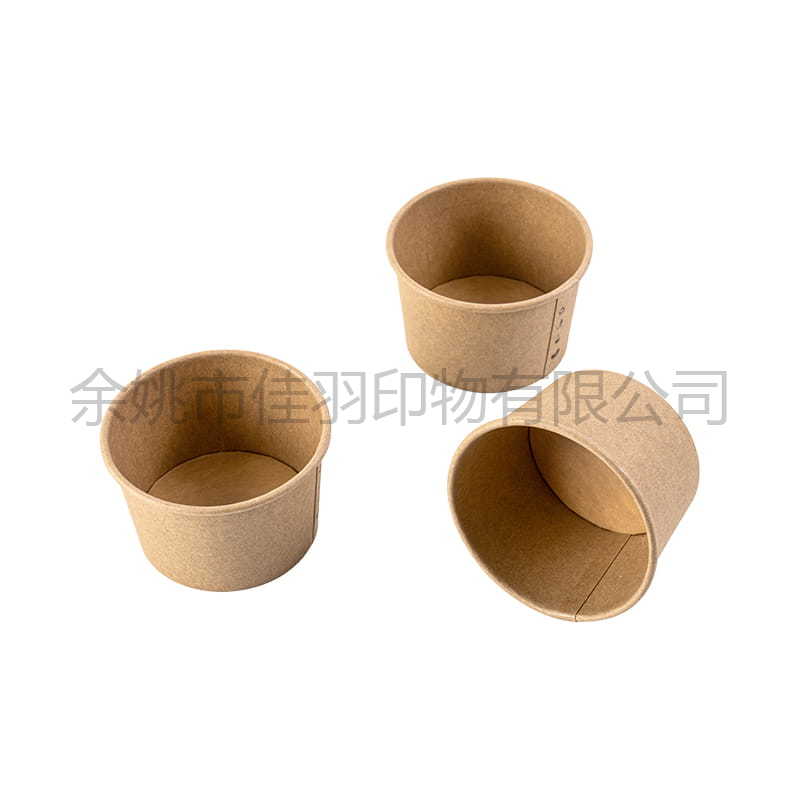
A paper cup is a disposable single-use container made primarily from paperboard, designed to hold hot or cold beverages and, in some cases, dry or semi-solid foods. The inner surface is typically coated with a thin layer of polyethylene (PE) or, in eco-friendly variants, plant-based PLA (polylactic acid) to prevent liquid from seeping through the paper. Paper cups are among the most widely produced disposable food-service items in the world, with global production exceeding 300 billion units annually.
From coffee shops and office water coolers to hospitals and airline services, paper cups serve as a hygienic, convenient, and lightweight alternative to reusable glassware or ceramic mugs. Their construction, material composition, and environmental impact vary significantly depending on the intended use and manufacturer standards.
Core Materials Used in Paper Cup Manufacturing
Understanding what a paper cup is made of helps clarify why it performs the way it does. The materials are carefully chosen to balance structural integrity, food safety, and manufacturability.
Paperboard (Primary Substrate)
The main body of a paper cup is formed from food-grade paperboard, typically weighing between 170 and 350 gsm (grams per square meter). This material provides rigidity and structural support. Virgin wood pulp is the most common source, though recycled-content paperboard is increasingly used for sustainability purposes.
Polyethylene (PE) Lining
A thin PE film — usually 15–30 microns thick — is laminated onto the interior surface to create a moisture barrier. This is what prevents the cup from disintegrating when filled with liquid. Hot-drink cups often have PE on both sides to handle thermal stress.
PLA (Polylactic Acid) Coating — Eco Alternative
PLA is a bioplastic derived from plant starches such as corn or sugarcane. It offers similar moisture-resistance to PE but is industrially compostable, making it a preferred lining material for brands targeting sustainability certifications. PLA-lined cups, however, require commercial composting facilities operating above 60°C to break down properly.
Ink and Print Layer
The outer surface of a paper cup is commonly printed using food-safe inks. Advanced printing technologies such as offset or flexographic printing enable high-resolution full-colour graphics, brand logos, and promotional designs. Food-safe, non-toxic inks that comply with FDA and EU food-contact regulations are the industry standard.
Main Types of Paper Cups and Their Applications
Paper cups are not one-size-fits-all. Different constructions serve different functional and commercial needs. Below is a breakdown of the most common types.
| Cup Type |
Construction |
Typical Use |
Temperature Range |
| Single-Wall Hot Cup |
Single layer of paperboard with PE/PLA interior |
Coffee, tea, hot chocolate |
Up to 90°C |
| Double-Wall Hot Cup |
Two layers of paperboard with air-gap insulation |
Specialty coffee, premium hot beverages |
Up to 95°C |
| Ripple-Wall Cup |
Outer corrugated sleeve bonded to inner cup |
Hot drinks requiring ergonomic grip |
Up to 95°C |
| Cold Drink Cup |
Single-wall, PE-coated, condensation-resistant |
Soft drinks, iced coffee, smoothies |
0°C to ambient |
| Paper Water Cup |
Lightweight, small-volume (3–7 oz), conical or straight |
Water dispensers, dental clinics |
Cold to room temperature |
Table 1: Common paper cup types, their construction, and recommended applications.
How a Paper Cup Is Made: The Manufacturing Process
Paper cup manufacturing is a precise industrial process that combines printing, die-cutting, and forming equipment. Here is a step-by-step overview of how a standard single-wall paper cup is produced:
- Paperboard Selection & Coating: Food-grade paperboard rolls are coated with PE or PLA on the inner surface and optionally on the outer surface for extra moisture resistance.
- Printing: Advanced offset or flexographic printing machines apply brand graphics, text, and decorative elements to the outer surface using food-safe inks. High-end equipment — such as Heidelberg offset printing machines — can achieve resolution exceeding 175 lpi, delivering vivid, precise colour reproduction.
- Die-Cutting (Blanking): The printed and coated sheets are cut into fan-shaped blanks (for the side wall) and circular discs (for the base) using precision cutting dies.
- Side-Wall Formation: The fan-shaped blank is wrapped around a mandrel and heat-sealed along the seam to form the cylindrical body of the cup.
- Bottom Insertion & Sealing: The circular base is inserted into the bottom of the cup body and mechanically crimped, then heat-sealed to create a leak-proof joint.
- Top Curl Formation: The top rim of the cup is curled outward to add structural rigidity and to accommodate a lid.
- Quality Inspection & Packaging: Finished cups undergo automated leak tests, dimensional checks, and print quality inspections before being stacked, bagged, and boxed for shipment.
Modern high-speed paper cup machines can produce between 80 and 200 cups per minute depending on cup size and wall configuration, enabling large-scale OEM and ODM output to meet global food-service demand.
Key Specifications and Standards for Paper Cups
When selecting paper cups for commercial use, buyers and procurement managers should evaluate several technical parameters to ensure the product meets operational, regulatory, and branding requirements.
Capacity and Size
Paper cups are available in a wide range of volumes. Common sizes include:
- 3–4 oz (90–120 ml): Espresso shots, water dispensers, dental cup stations
- 6–8 oz (180–240 ml): Standard hot beverages — the most common coffee-shop size
- 10–12 oz (300–360 ml): Medium drinks, popular for lattes and Americanos
- 16–22 oz (480–650 ml): Large cold drinks — iced beverages, bubble tea, fountain drinks
- 32 oz (950 ml) and above: Stadium and convenience store cold drinks
Regulatory and Food Safety Compliance
Paper cups intended for food and beverage contact must comply with regional safety standards. The most recognised include:
- FDA (USA): 21 CFR regulations covering materials in contact with food
- EU Regulation 10/2011: Plastic materials and articles in contact with food
- GB 4806 (China): National food-contact material standards
- FSC Certification: Verifies that paperboard is sourced from responsibly managed forests
Environmental Considerations: Recyclability and Sustainability
One of the most frequently debated aspects of paper cups is their environmental footprint. While paper cups are not inherently recyclable through standard curbside programs — due to their PE lining — significant advances have been made in both material design and collection infrastructure.
Recycling Challenges
The PE lining must be separated from the paperboard during the pulping process, which requires specialist equipment. As of recent industry reports, fewer than 1% of paper coffee cups are recycled in most countries without dedicated cup collection schemes. However, countries with expanded producer responsibility (EPR) programmes have begun achieving recycling rates of 15–30% through dedicated cup-only drop-off points.
Sustainability Improvements
- PLA-Lined Cups: Compostable in industrial facilities; reduces reliance on fossil-fuel-derived plastics
- Aqueous Coating: A water-based barrier that eliminates the PE film and enables standard paper recycling streams
- Recycled Fibre Content: Outer layers increasingly incorporate post-consumer recycled paperboard to reduce virgin fibre demand
- Reduced-Weight Designs: Lightweighting initiatives have reduced average cup paperboard weight by up to 12% over the past decade without sacrificing structural integrity
Custom Printing on Paper Cups: Branding Opportunities
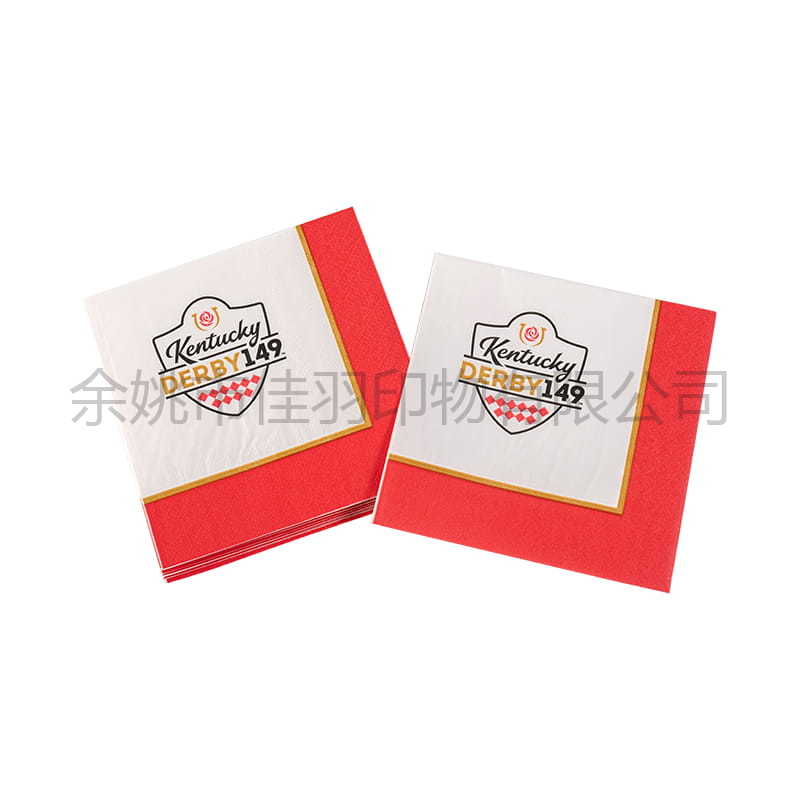
For businesses, paper cups function as a mobile advertising surface. A branded paper cup can generate thousands of impressions per day in a high-traffic environment such as an airport, office, or university campus. Custom printing transforms a functional disposable item into a brand touchpoint.
Printing Technologies Available
- Offset Printing: Delivers the highest colour fidelity and sharpness; ideal for premium branding and complex multi-colour artwork. Heidelberg offset presses are considered an industry benchmark for colour advertising paper and packaging.
- Flexographic Printing: High-speed and cost-effective for large-volume runs with simpler artwork; common for plain or two-colour cup production.
- Digital Printing: Low minimum order quantities; suitable for short runs, seasonal promotions, and prototyping.
OEM and ODM Custom Cup Services
Businesses can work with manufacturers offering OEM (Original Equipment Manufacturer) and ODM (Original Design Manufacturer) services to produce cups precisely tailored to their specifications. This includes custom cup dimensions, wall configuration, coating type, and full-wrap printed artwork. Yuyao Jiayu Printing Co., Ltd. operates as a professional OEM and ODM disposable paper cup manufacturer, combining advanced Heidelberg printing technology with dedicated paper cup and paper plate production lines to support global custom disposable cup export business — from concept to finished product.
Paper Cups vs. Other Disposable Cup Materials
Paper is not the only material used in disposable cups. Understanding the differences helps businesses and consumers make informed choices based on performance, cost, and sustainability criteria.
| Material |
Heat Resistance |
Printability |
Recyclability |
Typical Application |
| Paper (PE-lined) |
High (up to 95°C) |
Excellent |
Specialist facilities needed |
Hot & cold beverages |
| Paper (PLA-lined) |
Moderate (up to 80°C) |
Excellent |
Industrially compostable |
Eco-focused food service |
| Polystyrene (PS Foam) |
High |
Limited |
Very low; banned in many regions |
Declining; legacy hot drinks |
| Clear PET Plastic |
Low (cold only) |
Good (labels) |
Widely recyclable |
Cold drinks, smoothies |
| Bagasse (Sugarcane) |
Moderate |
Moderate |
Compostable |
Eco food service, cups & plates |
Table 2: Comparison of disposable cup materials across key performance and sustainability dimensions.
Industries and Sectors That Use Paper Cups
Paper cups are used across virtually every sector where beverages or hygienic single-use drinking vessels are required. The following are the primary industries driving demand:
- Coffee Shops and Quick-Service Restaurants (QSR): The largest consumer segment. Major global coffee chains use billions of cups annually as brand vehicles.
- Healthcare and Hospitals: Small-volume paper cups (3–5 oz) are essential for medication dispensing and patient hydration in clinical settings, where hygiene is paramount.
- Corporate Offices and Vending: Water coolers and hot-drink vending machines in offices and public spaces rely heavily on pre-stacked disposable paper cups.
- Airlines and Travel: In-flight catering uses paper cups for weight savings and hygiene compliance; a single medium-haul aircraft may use over 300 cups per flight.
- Events and Stadiums: Large-volume cold cups (16–32 oz) for soft drinks, beer, and water are distributed in bulk at sporting and entertainment events.
- Convenience Stores and Petrol Stations: Self-serve hot and cold beverage stations with dispensed cups represent a high-volume, price-sensitive market segment.
Choosing the Right Paper Cup: A Practical Buyer's Guide
For procurement managers, brand owners, and food-service operators, selecting the right paper cup involves evaluating multiple factors simultaneously. Here is a practical checklist:
- Define the Beverage Type: Hot beverages require PE or PLA-lined single or double-wall cups. Cold beverages need condensation-resistant cold cups. Confirm the maximum temperature the cup will encounter.
- Determine the Required Volume: Match cup size to your standard serving sizes to avoid over- or under-sizing, which affects both customer experience and material waste.
- Assess Branding Requirements: Full-colour custom printing adds brand value but increases minimum order quantities (MOQ). Standard plain white cups have lower MOQs and are suitable for unbranded or private-label operations.
- Review Sustainability Goals: If your brand has eco commitments, specify FSC-certified paperboard and PLA or aqueous-coated linings. Confirm compostability certifications (e.g., EN 13432, ASTM D6400).
- Check Compliance Certifications: Ensure the manufacturer can provide documentation for FDA, EU, or local food-contact safety standards relevant to your distribution markets.
- Evaluate Lid Compatibility: Paper cups must be paired with compatible lid diameters. Confirm lid fitment — typically expressed as a rim diameter in millimetres — before placing bulk orders.
- Request Samples Before Bulk Orders: Always validate structural integrity, print quality, and leak resistance with physical samples before committing to large production runs.
Frequently Asked Questions About Paper Cups
Are paper cups safe for hot liquids?
Yes. Paper cups designed for hot beverages are lined with PE or PLA coatings that prevent the paperboard from absorbing liquid and maintain structural integrity at temperatures up to 90–95°C. The inner lining also creates a barrier that prevents any ink or outer coating from migrating into the beverage.
Can paper cups go in a microwave?
Standard PE-lined paper cups are not recommended for microwave use. The PE coating may soften or warp under microwave energy, and the cup's seam adhesive may fail. Some cups are specifically labelled microwave-safe — always check the base of the cup for relevant symbols or manufacturer guidance.
What is the difference between single-wall and double-wall paper cups?
Single-wall cups consist of one layer of paperboard and offer minimal insulation — users may need a cardboard sleeve to hold hot drinks comfortably. Double-wall cups incorporate two layers of paperboard with an air pocket between them, providing significantly better thermal insulation and a more comfortable grip without requiring a sleeve.
How long does a paper cup take to decompose?
A standard PE-lined paper cup can take 20 years or more to decompose in landfill conditions, primarily because the PE film resists biological degradation. PLA-lined cups break down in 90–180 days under the high-temperature, high-humidity conditions of an industrial composting facility, but decompose very slowly in natural environments.
What printing method produces the best quality on paper cups?
Offset printing — particularly using high-precision presses such as Heidelberg offset printing machines — consistently delivers the highest colour fidelity, sharpest fine detail, and most accurate Pantone colour matching on paper cup stock. This method is optimal for premium branding, photo-quality imagery, and multi-colour promotional designs at medium to high production volumes.
 English
 中文简体
中文简体 Español
 Deutsch
 No.71, Xiafan, Panxiang Village, Yangming Street, Yuyao City, China.
 491791889@qq.comsales@jiayuprint.com
 +86-13186866868
 +86-0574-62587484