High-quality paper napkins are defined by five core factors: raw material purity, fiber structure and ply count, absorbency performance, softness, and print or emboss quality. A napkin that excels in all five areas will feel noticeably superior in hand, absorb liquids quickly without disintegrating, and hold its shape and decoration through use. Understanding what separates premium napkins from low-quality alternatives helps consumers, restaurant buyers, and procurement professionals make better purchasing decisions — and helps manufacturers set the right production standards.
The paper napkin market spans everything from single-ply tissue used in fast food outlets to thick, embossed, multi-layer napkins used at formal dining tables and upscale events. The difference in quality between these two ends of the spectrum is not accidental — it reflects deliberate choices made at every stage of production, from pulp selection to finishing.
Raw Material: Why 100% Virgin Wood Pulp Sets the Standard
The single most important factor in paper napkin quality is the raw material used to make the base tissue. Paper napkins are manufactured from one of three types of pulp: 100% virgin wood pulp, recycled fiber, or a blend of both. Each choice produces measurably different results in terms of softness, strength, purity, and appearance.
100% virgin wood pulp — sourced directly from freshly processed wood fibers without any prior use — consistently delivers the highest quality output. Virgin pulp fibers are longer, cleaner, and more uniform than recycled fibers, which have already been shortened and weakened by at least one previous paper-making cycle. The practical advantages of virgin pulp napkins include:
- Greater softness: Virgin fibers have not been chemically or mechanically broken down by recycling, so they retain their natural flexibility and produce a noticeably softer surface texture.
- Higher tensile strength: Longer, intact fibers create a stronger paper web that resists tearing even when wet — a critical performance metric for napkins in use.
- Whiter, brighter appearance: Virgin pulp can be bleached to achieve a clean, bright white that is difficult to replicate with recycled fiber, which often retains grayish or yellowish undertones.
- Food safety compliance: Virgin wood pulp is free from ink residues, adhesives, and other contaminants commonly found in recycled paper streams, making it the appropriate choice for food contact applications.
- Consistent quality batch to batch: Virgin pulp's uniformity allows manufacturers to maintain tighter quality control standards across large production runs.
Recycled fiber napkins can be acceptable for non-food applications where cost is the primary concern, but for any setting where hygiene, appearance, and performance matter — restaurants, hotels, catering, gifting — 100% virgin wood pulp is the standard that serious buyers should insist upon.
Ply Count: The Structural Difference Between 1-Ply, 2-Ply, and 3-Ply Napkins
The number of layers, or plies, in a paper napkin directly determines its thickness, absorbency, durability, and tactile feel. Understanding ply count is essential for matching a napkin to its intended use.
1-Ply Napkins
Single-ply napkins are the thinnest and least absorbent option. They are primarily used in high-volume, cost-sensitive environments such as fast food counters, cafeterias, and vending machines. A single layer of tissue offers minimal cushioning and can tear easily when wet. While they serve basic purposes, they are not considered high-quality by any professional standard.
2-Ply Napkins
Two-ply napkins consist of two bonded or embossed layers of tissue. This construction significantly improves absorbency, strength, and softness compared to single-ply. 2-ply napkins are the most widely used format across casual dining restaurants, offices, and everyday household use. They offer a good balance of performance and economy, and are available in a wide variety of sizes, fold styles, and printed designs.
3-Ply Napkins
Three-ply napkins represent the premium tier of paper napkin construction. With three bonded layers of tissue, they offer superior thickness, absorbency, and durability — qualities that are immediately perceptible when held. They resist wet tearing far better than lower-ply alternatives, and their thickness gives them a cloth-like feel that elevates the perception of any dining or event setting. 3-ply napkins are the format of choice for fine dining restaurants, luxury hotels, weddings, and formal events where presentation matters as much as performance.
The following table summarizes the performance differences across ply counts:
| Feature |
1-Ply |
2-Ply |
3-Ply |
| Thickness |
Thin |
Medium |
Thick |
| Absorbency |
Low |
Moderate |
High |
| Wet strength |
Poor |
Good |
Excellent |
| Softness |
Rough |
Soft |
Very soft |
| Print quality potential |
Limited |
Good |
Excellent |
| Typical application |
Fast food, vending |
Casual dining, household |
Fine dining, events, gifts |
Table 1: Performance comparison of 1-ply, 2-ply, and 3-ply paper napkins across key quality attributes
Absorbency: How Quickly and Completely a Napkin Manages Liquid
Absorbency is arguably the most functional quality attribute of a paper napkin. A napkin that cannot absorb liquid effectively defeats its primary purpose, no matter how attractive it looks. Absorbency in paper napkins is determined by three interrelated factors: fiber type, sheet weight (gsm), and emboss pattern.
Fiber Type and Its Role in Liquid Uptake
Virgin wood pulp fibers are naturally hydrophilic — they attract and hold water molecules within their cell structure. Longer fibers create more inter-fiber space in the paper web, which acts as a capillary network that draws liquid into the sheet rapidly. This is why virgin pulp napkins absorb liquids measurably faster than recycled fiber napkins, which have shorter, more compressed fibers with less capillary capacity.
Basis Weight (GSM) and Its Impact on Capacity
Basis weight — measured in grams per square meter (gsm) — indicates the mass of paper per unit area and is directly correlated with absorbent capacity. Higher gsm means more fiber mass available to absorb liquid. Typical gsm values for paper napkins by quality tier are:
- Economy 1-ply napkins: 15–20 gsm per ply
- Standard 2-ply napkins: 16–22 gsm per ply (combined 32–44 gsm)
- Premium 3-ply napkins: 17–25 gsm per ply (combined 51–75 gsm)
A premium 3-ply virgin pulp napkin at 60–70 gsm combined weight can absorb 3 to 5 times more liquid by volume than a basic 1-ply economy napkin at 17 gsm — a difference that translates directly to how many napkins a diner needs to use per meal and how thoroughly a spill is cleaned.
Emboss Patterns and Their Absorbency Effect
Embossing — the process of pressing raised patterns into the tissue layers — serves both aesthetic and functional purposes. From a functional standpoint, emboss patterns increase the surface area of the napkin and create microscopic raised structures that improve liquid contact and uptake speed. A well-embossed napkin will absorb a droplet of liquid 20–40% faster than a flat, unembossed napkin of the same weight, simply because more fiber surface is available to contact the liquid at the moment of application.
Softness: The Tactile Quality That Defines Premium Napkins
Softness is the quality attribute that users notice most immediately when touching a napkin. It communicates quality before the napkin is even used. A rough or scratchy napkin leaves a negative impression regardless of how functional it is — particularly important in dining, hospitality, and gifting contexts where the tactile experience contributes to brand perception.
Softness in paper napkins is influenced by several manufacturing variables:
- Fiber length and quality: Longer virgin fibers produce a softer sheet than shorter recycled fibers. This is the most significant softness driver.
- Creping: Creping is a manufacturing step where the tissue web is scraped off a drying cylinder, creating micro-folds in the paper that increase bulk and softness. More creping = more softness, though excessive creping can reduce strength.
- Calendering pressure: Lower calendering (the final pressing step) preserves the tissue's natural bulk and softness, while excessive calendering flattens the sheet and makes it feel hard and papery.
- Softening agents: Food-safe softening agents or lotions can be applied during or after manufacturing to enhance the tactile feel, particularly for napkins marketed as premium or sensitive-skin compatible.
- Ply bonding method: Napkins where layers are bonded by embossing (mechanical bonding) tend to feel softer than those bonded by adhesive lamination, because the layers retain more independent movement.
A useful benchmark: premium 3-ply virgin pulp napkins are frequently described by consumers as feeling "cloth-like" — the highest possible compliment for a disposable paper product — while economy 1-ply napkins are often compared to rough tissue paper.
Print and Decoration Quality: The Visual Dimension of Napkin Quality
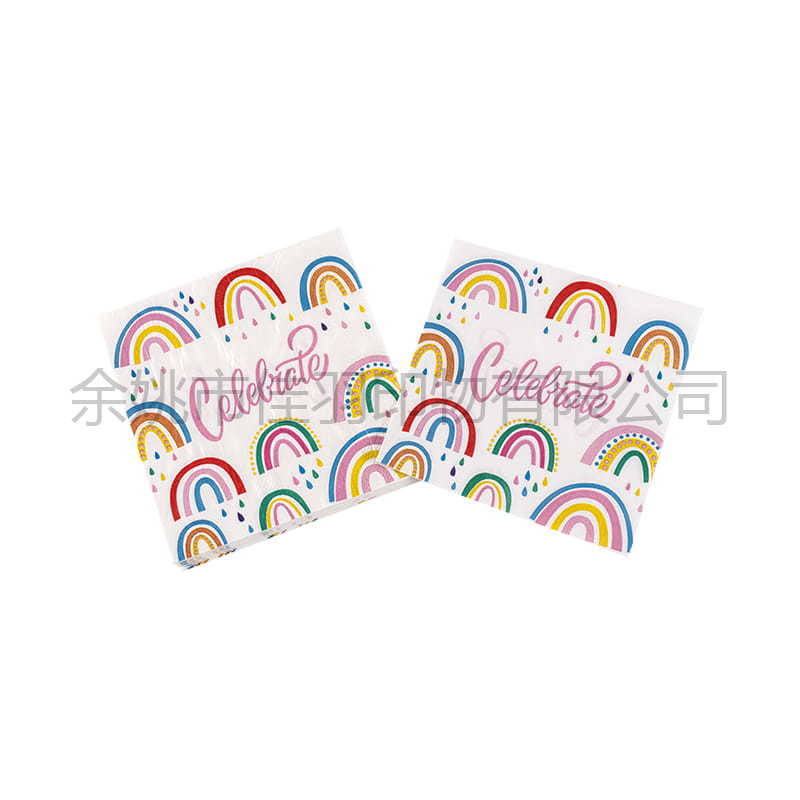
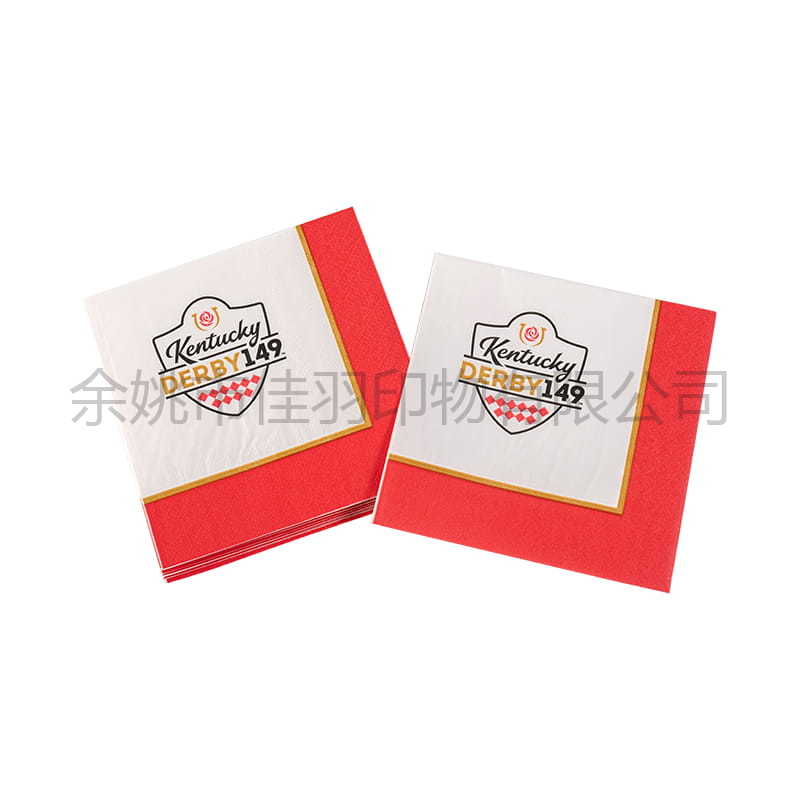
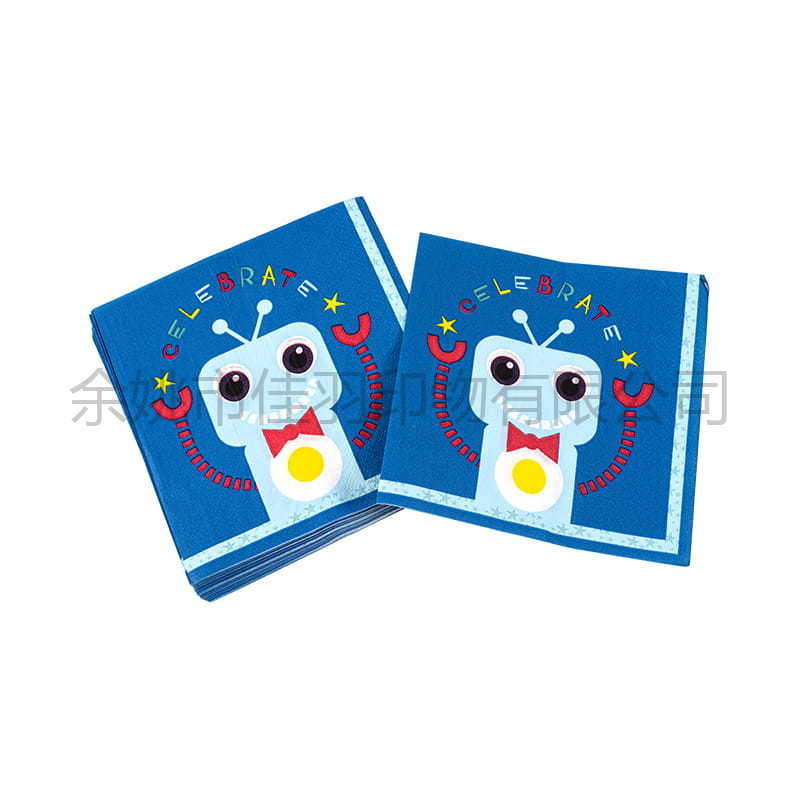
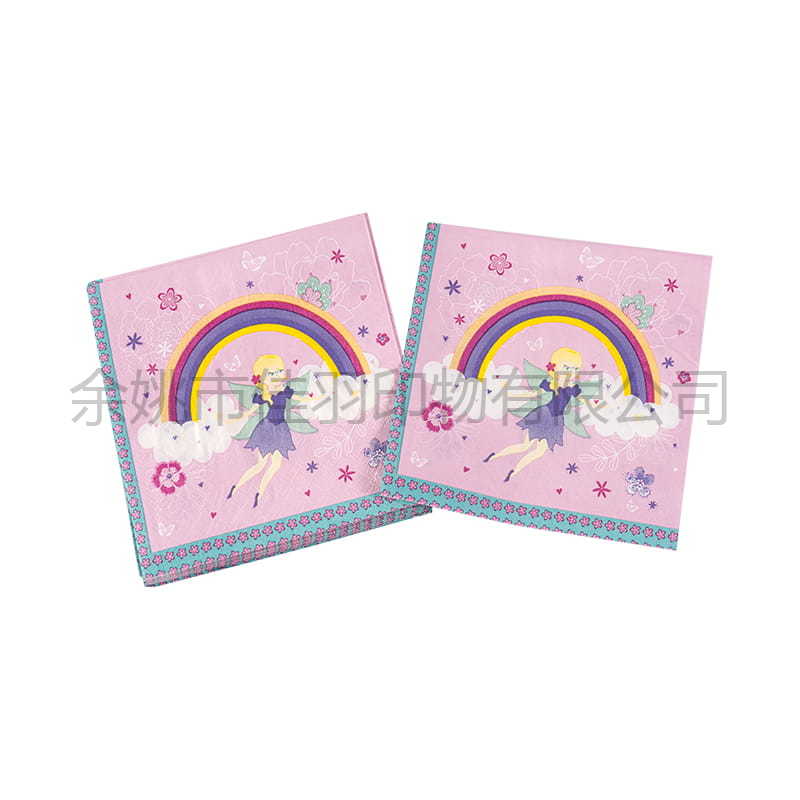
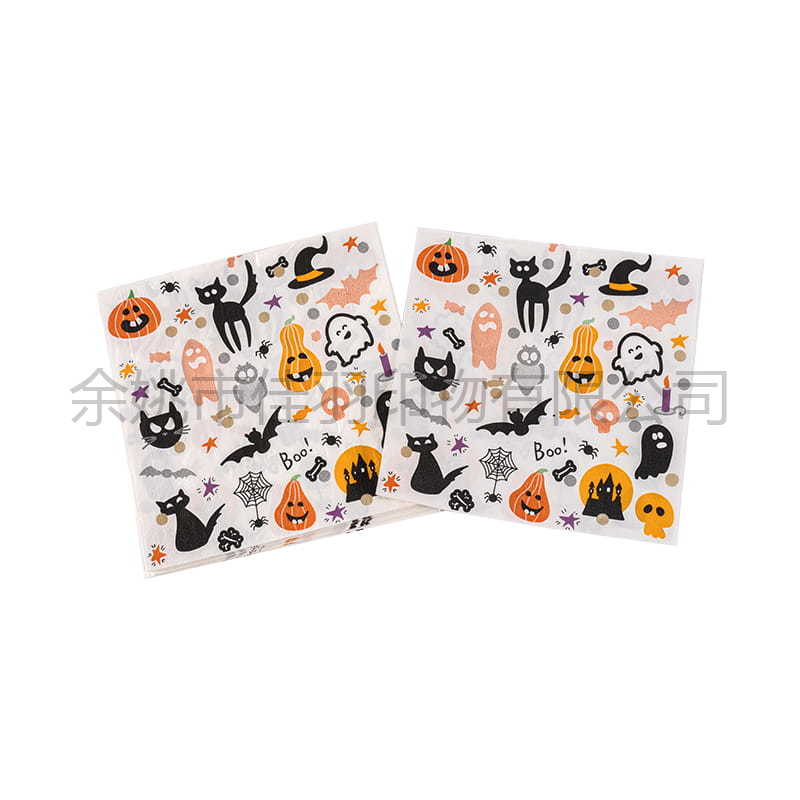
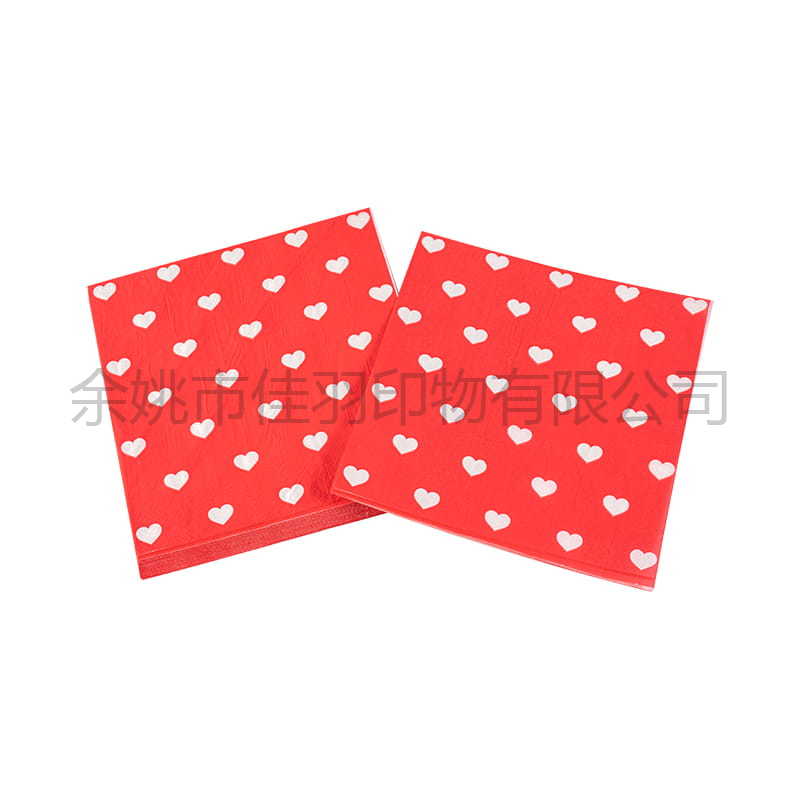
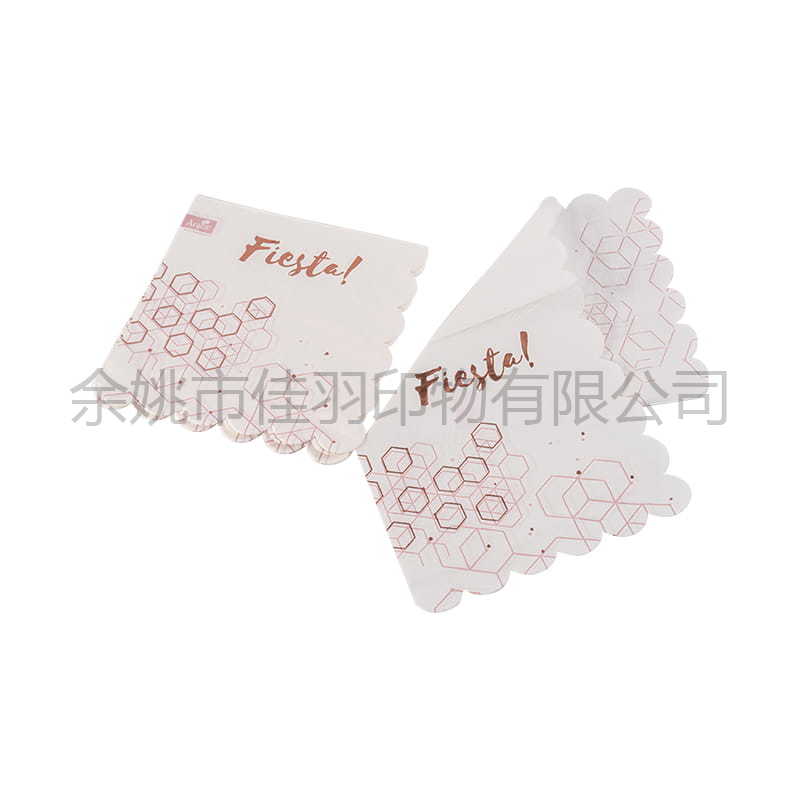
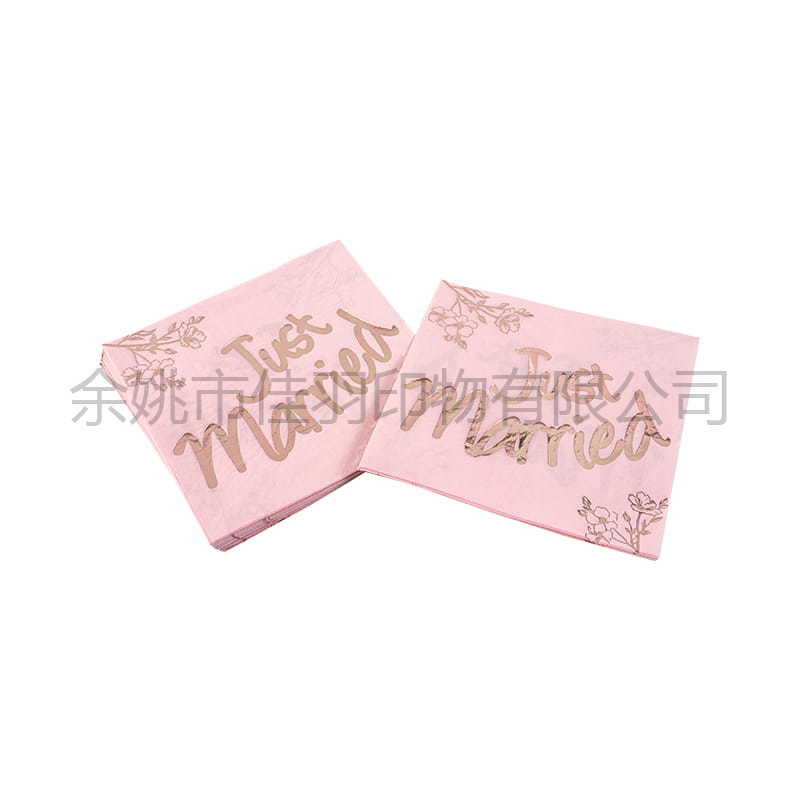
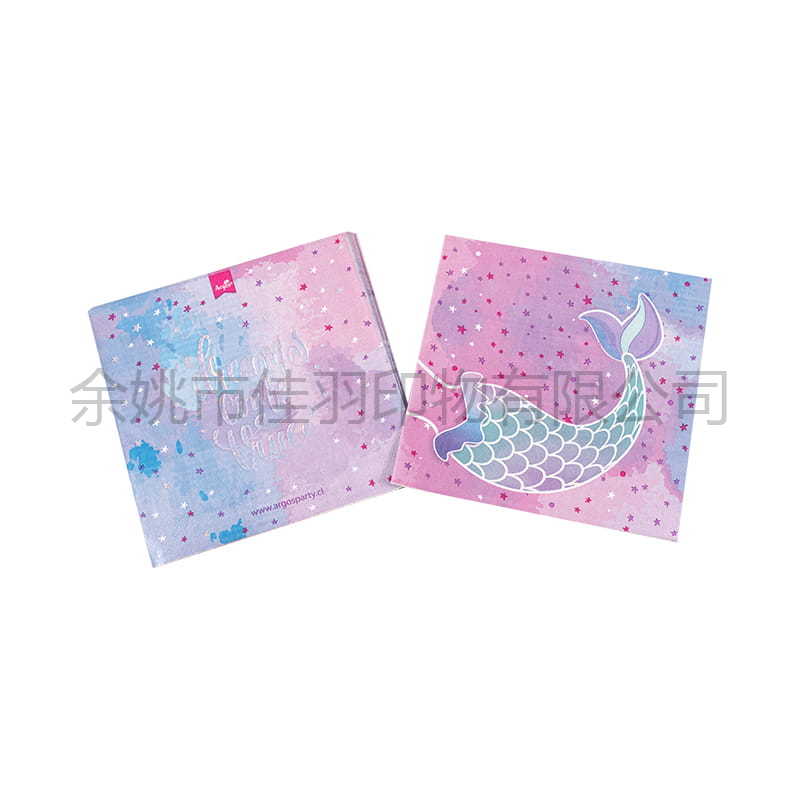
For decorative napkins used at events, restaurants, hotels, and in retail gift packaging, print quality is a defining quality factor. A napkin with sharp, vibrant, accurate color reproduction communicates care and professionalism — while blurry, faded, or misregistered printing signals poor manufacturing standards regardless of how good the base tissue is.
Printing Technology and Its Effect on Output Quality
The two primary technologies used to print paper napkins are flexographic printing and offset printing. Flexographic printing is the most common method for mass-produced printed napkins — it uses flexible relief plates and fast-drying inks to apply designs at high speed. Offset printing, which transfers ink from a plate to a rubber blanket before applying it to the paper, produces sharper detail and more accurate color reproduction, making it the preferred method for premium decorative napkins and custom branded products.
Key indicators of high-quality napkin printing include:
- Color accuracy and saturation: Colors should match the original design specification closely. Significant color drift between batches is a sign of poor press calibration or inconsistent ink supply.
- Registration precision: When multiple colors are printed, each layer must align exactly with the others. Misregistration — where colors are visibly offset from each other — produces blurry or doubled outlines.
- Ink adhesion: Inks must bond firmly to the tissue surface and not rub off onto hands or food contact surfaces. Food-safe, non-toxic inks are mandatory for any napkin used in dining contexts.
- Consistency across the run: Print quality should be identical on the first napkin of a production run and the last. Inconsistency within a single order reflects inadequate press maintenance or quality control.
Embossing as a Decorative Element
Beyond its absorbency benefits, embossing creates three-dimensional textural patterns that give premium napkins a distinctly upscale appearance. Floral motifs, geometric patterns, damask designs, and custom logos can all be embossed into the tissue surface, adding visual depth and tactile richness that printing alone cannot achieve. The quality of embossing is judged by the sharpness and uniformity of the pattern — poorly aligned or unevenly pressured emboss rollers produce smeared or inconsistent patterns that diminish the napkin's overall appearance.
Size, Fold Style, and Dimensional Accuracy
The physical dimensions and fold precision of a paper napkin are quality indicators that are easy to overlook but matter significantly in professional settings. A napkin that is consistently cut to the wrong size, has uneven edges, or folds that do not lie flat creates operational problems in restaurants and presents poorly on event tables.
Standard Napkin Sizes and Their Applications
Paper napkins are manufactured in a range of standard sizes suited to different applications:
| Napkin Type |
Unfolded Size (approx.) |
Typical Fold |
Primary Application |
| Cocktail / Beverage |
24 x 24 cm |
Quarter fold |
Bar service, beverages, appetizers |
| Luncheon |
33 x 33 cm |
Quarter fold or 1/8 fold |
Casual dining, lunch settings |
| Dinner |
40 x 40 cm |
Quarter fold or 1/8 fold |
Full-service dining, formal meals |
| Guest / Premium Dinner |
40 x 40 cm or larger |
1/8 fold |
Fine dining, hotels, weddings, events |
Table 2: Standard paper napkin sizes, fold styles, and their typical applications in food service and hospitality
Dimensional accuracy in high-quality napkins means that every napkin in a pack is cut to within ±1mm of the specified dimensions and folded with consistent alignment. This precision requires well-maintained cutting and folding machinery and rigorous in-process quality checks — standards that separate professional manufacturers from lower-tier producers.
Wet Strength: How a Napkin Performs When It Matters Most
Wet strength — the ability of a napkin to maintain structural integrity when saturated with liquid — is one of the most revealing quality tests. A napkin that disintegrates or tears the moment it absorbs liquid fails its fundamental purpose and can create hygiene and cleanliness issues for users.
Wet strength is achieved through a combination of factors:
- Fiber length: Longer virgin pulp fibers create more inter-fiber bonds throughout the paper web, which resist separation even when wet.
- Wet strength additives: Food-safe wet strength resins (such as polyamidoamine-epichlorohydrin, or PAE) are added during papermaking to chemically bond fibers and resist water-induced weakening. A well-formulated napkin retains 15–30% of its dry tensile strength when fully saturated.
- Ply count: Multi-ply construction distributes stress across multiple layers, so even if the outermost ply begins to weaken, the inner layers maintain structural support.
A practical test for wet strength is to wet a napkin completely, then attempt to wipe a hard surface with moderate pressure. A high-quality 2-ply or 3-ply virgin pulp napkin will remain intact. A low-quality single-ply or recycled fiber napkin will often tear, pill, or leave fiber residue on the surface — a clear indicator of inferior construction.
Food Safety and Compliance Standards for Paper Napkins
Because paper napkins are classified as food contact materials in most regulatory frameworks, they are subject to safety standards that govern what substances can be present in the paper and its inks. High-quality napkin manufacturers comply with these standards as a baseline requirement, not an optional extra.
Key regulatory frameworks and requirements include:
- EU Regulation (EC) No 1935/2004: Requires that food contact materials do not transfer constituents to food in quantities that could endanger human health or cause unacceptable changes in the food's composition.
- FDA 21 CFR (USA): Specifies the types of paper and paperboard, coatings, and adjuvants that are permitted in food contact applications in the United States.
- Migration limits for inks and dyes: Printing inks used on food contact napkins must not migrate into food at levels that pose any health risk. Premium manufacturers use inks specifically certified for food contact applications.
- Heavy metal content limits: Inks and brightening agents must comply with strict limits on heavy metals such as lead, cadmium, chromium, and mercury.
- Chlorine-free bleaching (ECF or TCF): Elemental Chlorine Free (ECF) or Totally Chlorine Free (TCF) bleaching processes are preferred by premium manufacturers because they minimize the formation of harmful dioxins during pulp processing.
When sourcing paper napkins for food service or retail, always request documentation of food safety compliance — including material safety data sheets, migration test reports, and any applicable certifications. The absence of this documentation is a significant red flag for a napkin intended for food contact use.
Custom Printing and OEM Capabilities: Meeting Brand-Specific Requirements
For restaurants, hotels, event planners, and retail brands, the ability to source custom-printed paper napkins that carry specific branding, patterns, or seasonal designs is a significant purchasing consideration. The quality of custom napkins depends not only on the base tissue quality but also on the manufacturer's printing capabilities, design support, and minimum order flexibility.
Key factors to evaluate in a custom napkin supplier include:
- Printing technology and equipment: Advanced printing presses — such as Heidelberg offset equipment — deliver sharper detail, more accurate color matching, and more consistent output than entry-level flexographic presses.
- Color matching capability: The ability to match Pantone or specific brand colors precisely is essential for corporate or hospitality clients where brand consistency is non-negotiable.
- Design and pre-press support: A manufacturer with in-house design capabilities can help clients optimize artwork for napkin printing, avoiding common issues such as fine detail loss at small scales or color shifts during press proofing.
- ODM (Original Design Manufacturing) options: Some buyers want access to existing design libraries for decorative napkins rather than developing entirely original artwork. An ODM-capable manufacturer provides this flexibility.
- Turnaround time and export capability: For international buyers, a manufacturer with established export logistics and reliable lead times is essential for supply chain predictability.
Environmental Considerations in Premium Napkin Production
As sustainability becomes an increasingly important factor in procurement decisions, the environmental credentials of paper napkins are receiving greater scrutiny. It is important to understand the accurate environmental picture — which is more nuanced than simple recycled-versus-virgin comparisons suggest.
Sustainable Forestry Certification
Virgin wood pulp sourced from responsibly managed forests — certified under schemes such as FSC (Forest Stewardship Council) or PEFC (Programme for the Endorsement of Forest Certification) — has a strong environmental profile. These certifications ensure that the forests from which pulp is sourced are managed for long-term ecological health, with replanting requirements that maintain or increase forest cover over time.
Biodegradability
100% virgin wood pulp napkins are fully biodegradable and compostable under standard conditions, typically breaking down within 2 to 4 weeks in a composting environment. This is a significant end-of-life advantage over synthetic alternatives. Napkins with heavy plastic coatings or synthetic wet-strength treatments may biodegrade more slowly and should be evaluated carefully for compostability.
Production Efficiency and Waste Reduction
High-quality manufacturing facilities minimize waste through precise cutting optimization, recycling of production offcuts, and water treatment systems that clean process water before discharge. Energy-efficient drying and printing systems reduce the carbon intensity of each unit of production. When evaluating suppliers on environmental grounds, asking for data on energy consumption per unit, water use, and waste diversion rates provides a more accurate picture than relying on general sustainability claims.
How to Evaluate Paper Napkin Quality Before Purchasing
Whether you are a procurement manager, restaurant owner, event planner, or retail buyer, the following practical tests and checks allow you to evaluate napkin quality accurately before committing to a large order:
- Touch test: Hold the napkin and run your thumb across the surface. A premium napkin should feel smooth, soft, and slightly cushioned — not papery, rough, or stiff.
- Wet strength test: Wet the napkin completely and attempt to wipe a hard surface with firm pressure. It should remain intact without tearing, pilling, or leaving fiber residue.
- Absorbency test: Drop a small amount of water onto the napkin surface and observe how quickly it absorbs. A high-quality napkin should absorb the droplet within 2–3 seconds with no beading or spreading on the surface.
- Print inspection: Examine printed areas under good lighting for color accuracy, registration sharpness, and uniformity across multiple napkins from the same pack.
- Dimensional check: Measure several napkins from the same pack for size consistency. Variance of more than ±2mm suggests poor cutting quality control.
- Lint check: Rub the napkin across a dark fabric surface. Excessive linting indicates poor fiber bonding and will create problems in food service environments.
- Documentation review: Request material safety data sheets, food contact compliance certifications, and fiber source documentation from the manufacturer. Reputable suppliers provide this without hesitation.
Quality Comparison: What Separates Economy, Mid-Range, and Premium Napkins
The following table provides a consolidated comparison of the key quality attributes across economy, mid-range, and premium paper napkin tiers to help buyers understand what they are getting at each level:
| Quality Attribute |
Economy |
Mid-Range |
Premium |
| Raw material |
Recycled or mixed fiber |
Virgin/recycled blend |
100% virgin wood pulp |
| Ply count |
1-ply |
2-ply |
2-ply or 3-ply |
| Basis weight |
15–25 gsm total |
30–45 gsm total |
50–75 gsm total |
| Softness |
Rough |
Moderate |
Cloth-like softness |
| Wet strength |
Tears when wet |
Holds shape when wet |
Strong when fully saturated |
| Print quality |
Basic / plain |
Standard print |
High-resolution, color-accurate |
| Food safety compliance |
Variable |
Generally compliant |
Fully documented, certified |
| Typical use context |
Fast food, vending |
Casual dining, offices |
Fine dining, events, hospitality |
Table 3: Comprehensive quality attribute comparison across economy, mid-range, and premium paper napkin tiers
Yuyao Jiayu Printing Co., Ltd.: A Professional OEM Paper Napkin Manufacturer
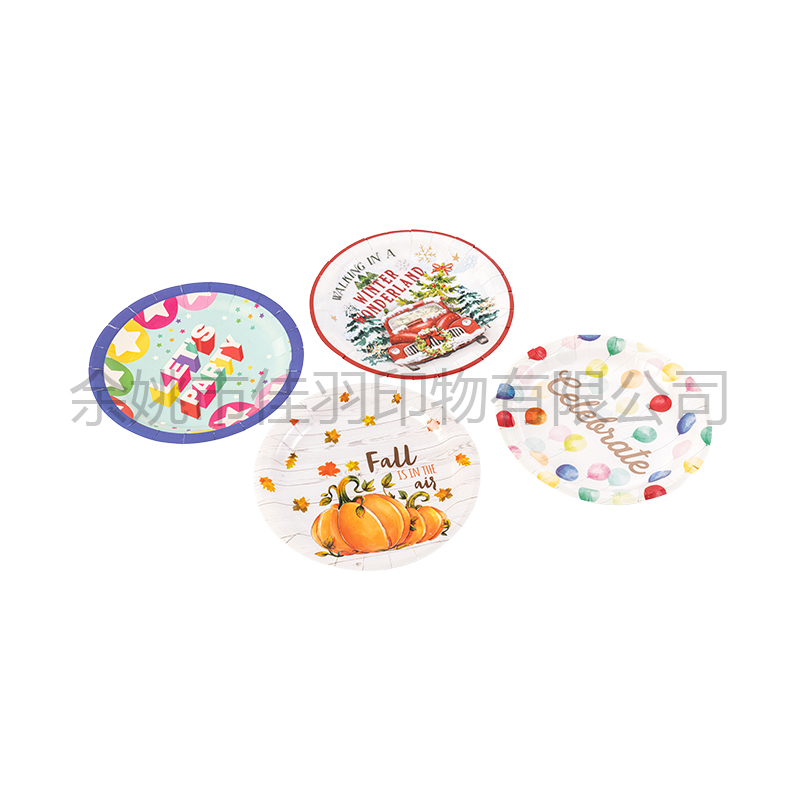
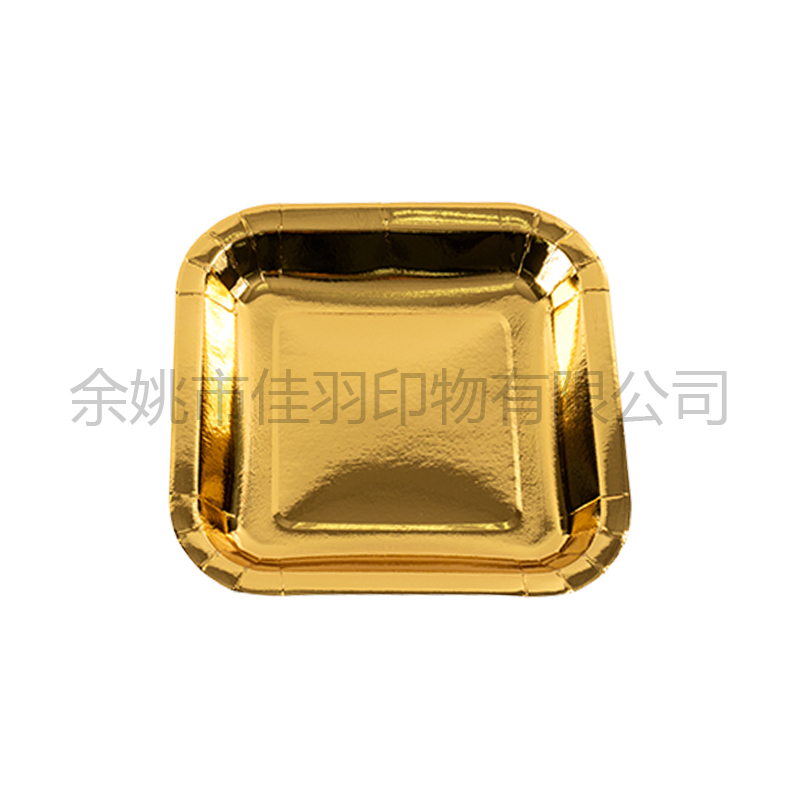
Yuyao Jiayu Printing Co., Ltd. is a professional manufacturer and factory specializing in OEM and ODM production of 100% virgin wood pulp paper napkins in 2-ply and 3-ply configurations, as well as decorative disposable paper plates and related paper products. The company's product range is built on the quality foundations outlined throughout this article — virgin wood pulp raw material, precise multi-ply construction, and high-quality printing — making it a capable partner for international buyers and food service distributors seeking reliable, customizable napkin supply.
Yuyao Jiayu operates advanced Heidelberg printing presses — widely recognized as among the most precise and reliable offset printing equipment available — alongside a full suite of binding and finishing equipment. This technical foundation enables the company to produce color advertising materials, branded promotional products, brochures, calendars, handbags, and fine custom printing with the consistency and accuracy that brand-conscious clients require.
In addition to its printing expertise, Yuyao Jiayu has expanded its production capabilities to include paper cup machines and paper plate machines, enabling the company to offer comprehensive custom disposable paper product solutions under one roof. This vertical integration supports tighter quality control, faster delivery timelines, and greater flexibility in responding to custom orders.
The company operates under a customer-centered business philosophy with a commitment to the principle that "your satisfaction is our eternal pursuit." This orientation toward long-term client relationships and service quality is reflected in its export operations, which serve buyers across multiple international markets seeking custom 100% virgin wood pulp paper napkins manufactured to consistent, verifiable quality standards.
Summary: The Five Pillars of High-Quality Paper Napkins
To summarize everything covered in this article, high-quality paper napkins consistently deliver on five core pillars:
- Raw material purity: 100% virgin wood pulp provides superior softness, strength, absorbency, and food safety compared to recycled alternatives.
- Ply structure: 2-ply and 3-ply constructions deliver the thickness, absorbency, and wet strength that single-ply napkins cannot match.
- Absorbency performance: Achieved through fiber type, appropriate basis weight (gsm), and effective emboss patterns that maximize liquid uptake speed and capacity.
- Softness and tactile quality: The result of virgin fiber quality, precise manufacturing processes, and appropriate creping that creates a cloth-like feel distinguishing premium napkins from commodity products.
- Print and decoration quality: Sharp, color-accurate, food-safe printing and precise embossing that communicate quality visually and protect brand reputation in food service and hospitality settings.
Buyers who evaluate napkins against these five pillars — and who work with manufacturers that can demonstrate compliance with food safety standards and provide technical documentation — will consistently source products that perform reliably, represent their brand effectively, and satisfy end users in any dining, hospitality, or event context.
 English
 中文简体
中文简体 Español
 Deutsch


 No.71, Xiafan, Panxiang Village, Yangming Street, Yuyao City, China.
 491791889@qq.comsales@jiayuprint.com
 +86-13186866868
 +86-0574-62587484