When choosing the appropriate card material, Paper Cards and PVC Cards are the two most common options. Both have their own advantages and suitable scenarios, and consumers and businesses often face the decision between these two materials.
Characteristics and Advantages of Paper Cards
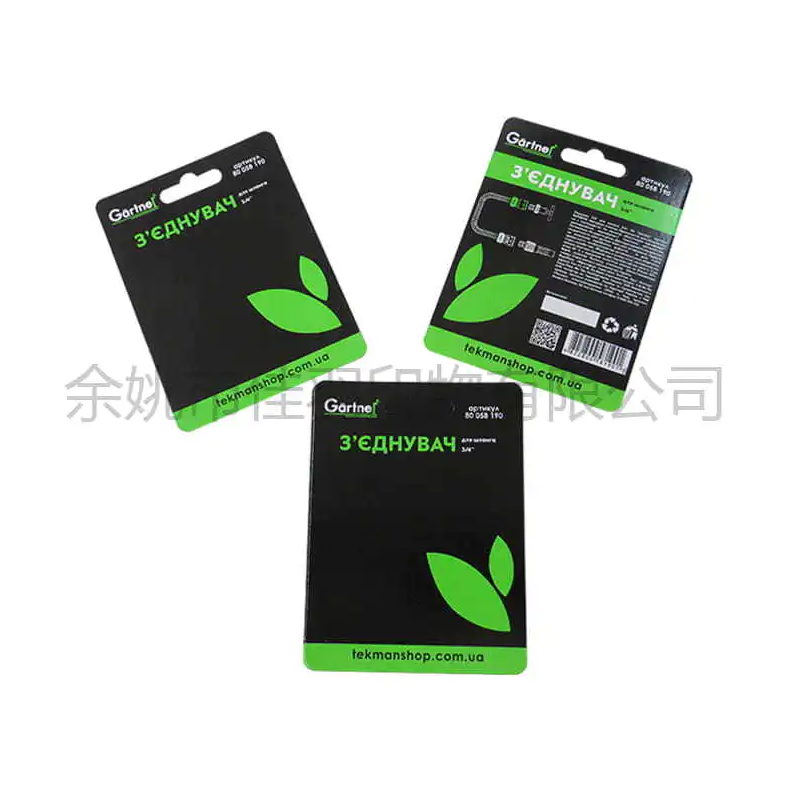
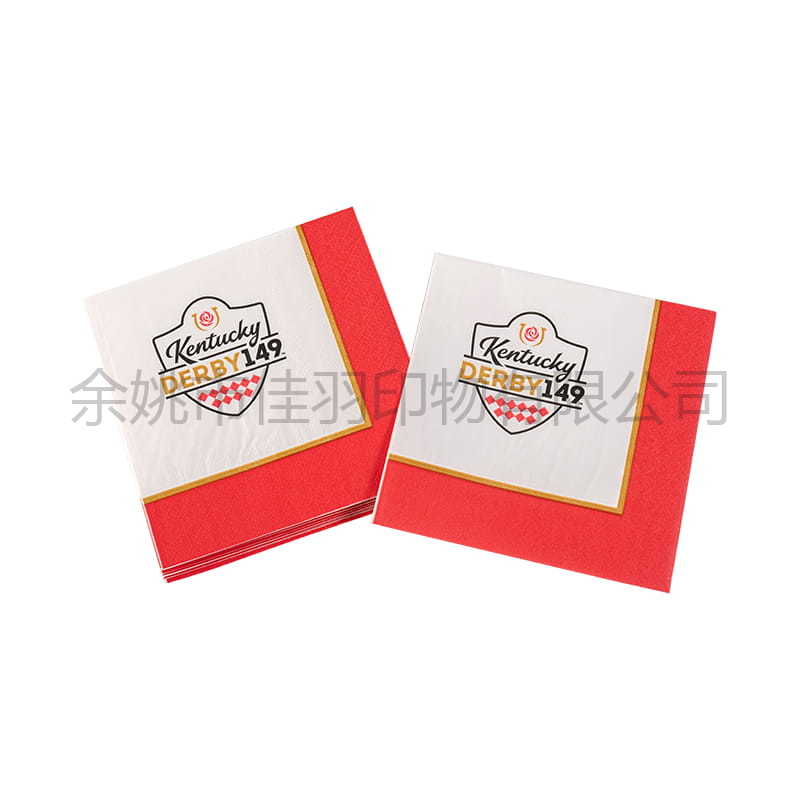
As the name suggests, Paper Cards are primarily made from paper material. They are widely used in business cards, membership cards, promotional cards, tickets, and promotional materials. The main characteristics of Paper Cards are as follows:
1.1 Environmental Friendliness
One of the greatest advantages of Paper Cards is their environmental friendliness. Since paper is a recyclable material, using Paper Cards can effectively reduce plastic usage, helping to lower environmental pollution. In today's world where environmental concerns are growing, many businesses and consumers prioritize the eco-friendly nature of Paper Cards when making a selection.
1.2 Cost-Effectiveness
Compared to PVC Cards, Paper Cards are more affordable to produce. This makes Paper Cards an ideal choice for short-term use, limited budgets, or large-volume production. For example, many businesses choose Paper Cards for promotional cards or coupons because they meet basic functional needs while keeping costs low.
1.3 Rich Printing Effects
Paper Cards can carry high-quality print effects. Their surfaces are suitable for various printing methods, clearly displaying a company's brand image and design details. Additionally, Paper Cards can be treated with special coatings to enhance their texture and durability.
1.4 Suitable Scenarios
Paper Cards are ideal for short-term use or scenarios that do not require high durability, such as membership cards, promotional cards, tickets, business cards, etc. Their primary advantages are low cost and strong customizability, making them suitable for large-scale distribution.
Characteristics and Advantages of PVC Cards
PVC Cards (Polyvinyl Chloride Cards) are plastic cards commonly used in credit cards, identity cards, membership cards, etc. The main characteristics of PVC Cards include:
2.1 High Durability
One of the most notable advantages of PVC Cards is their excellent durability. They are resistant to water, dirt, and bending, and can maintain their condition even when used in harsh environments. Therefore, PVC Cards are highly suitable for long-term use and high-frequency contact scenarios, such as transportation cards, employee cards, etc.
2.2 Anti-Counterfeit Features
PVC Cards have strong anti-counterfeit capabilities, with many cards equipped with magnetic stripes, barcodes, QR codes, IC chips, and other security features. These features not only make the cards practical but also effectively prevent counterfeiting. In scenarios involving financial or personal privacy, PVC Cards are often the preferred material.
2.3 Suitable Scenarios
Due to their durability and security, PVC Cards are commonly used in scenarios that require long-term use and frequent handling, such as bank credit cards, identity cards, transportation cards, and employee identification cards. These cards not only need to be frequently used but also require anti-counterfeit features and high wear resistance.
Comparison Between Paper Cards and PVC Cards
Here is a comparison table highlighting the differences between Paper Cards and PVC Cards:
| Features |
Paper Card |
PVC Card |
| Environmental Friendliness |
High, paper is recyclable, eco-friendly |
Low, PVC material is not easily recyclable |
| Durability |
Low, prone to moisture and damage |
High, water-resistant, wear-resistant, and flexible |
| Cost |
Low, ideal for large-volume production and short-term use |
Higher, suited for long-term use and high-demand scenarios |
| Printing Effects |
Rich, suitable for high-quality full-color printing |
Good, but less flexible than Paper Cards |
| Suitable Scenarios |
Membership cards, promotional cards, tickets, business cards, etc. |
Credit cards, identity cards, transportation cards, employee cards, etc. |
| Anti-Counterfeit Features |
Basic, can add anti-counterfeit elements |
Strong, suitable for cards with high security and anti-counterfeit needs |
Factors for Choosing Paper Cards or PVC Cards
4.1 Consider the Usage Scenario
If the card is for short-term use and needs to be mass-produced easily, Paper Cards are the ideal choice. Particularly in scenarios where fast printing and large-scale distribution are required, Paper Cards' low cost and versatile design advantages are hard to ignore. However, if your card needs to be used for the long term, frequently handled, or requires anti-counterfeit features, PVC Cards will be the better option.
4.2 Cost and Environmental Impact
For businesses or individuals on a limited budget and those prioritizing environmental concerns, Paper Cards are undoubtedly the more cost-effective and eco-friendly choice. Paper Cards have lower production costs, and as recyclable materials, they have less environmental impact.
4.3 Durability and Security Requirements
If the card needs to withstand high-frequency use or be exposed to harsh environments over a long period, PVC Cards are more suitable due to their superior durability and anti-counterfeit capabilities.
Both Paper Cards and PVC Cards have their own suitable fields. Paper Cards have clear advantages in short-term use and mass distribution due to their low cost and environmental features. On the other hand, PVC Cards are ideal for long-term use, high-frequency contact, and situations that require enhanced durability and security. The choice between these two materials depends on specific needs, budget, and the intended usage scenario.
 English
 中文简体
中文简体 Español
 Deutsch
 No.71, Xiafan, Panxiang Village, Yangming Street, Yuyao City, China.
 491791889@qq.comsales@jiayuprint.com
 +86-13186866868
 +86-0574-62587484