The fundamental difference between 100% Virgin Wood Pulp Paper Napkins and pulp lies in their nature: pulp is an intermediate raw material used in paper manufacturing, while 100% Virgin Wood Pulp Paper Napkins are finished products made solely from virgin wood pulp (Virgin Wood Pulp) as the fiber source, processed through bleaching and refining.
Specifically, pulp refers to all types of fiber raw materials used for papermaking, including wood pulp, bamboo pulp, grass pulp, bagasse pulp, and recycled paper pulp, among others. In contrast, 100% Virgin Wood Pulp Paper Napkins refer to napkins made exclusively from virgin wood fibers without any recycled pulp, bamboo pulp, or other alternative fibers. These napkins typically have fiber lengths of 1.5–3.5 mm (softwood pulp) or 0.6–1.2 mm (hardwood pulp), with intact fibers and no secondary contamination. Their whiteness is ≥85% ISO, and they exhibit superior softness, absorbency, and hygiene safety compared to regular napkins mixed with recycled pulp, making them the top choice for applications where safety in contact with the mouth, nose, and skin is paramount.
Five Key Advantages of 100% Virgin Wood Pulp Paper Napkins
Highest Hygiene and Safety
100% Virgin Wood Pulp Paper Napkins are made from virgin wood pulp that has not undergone any recycled paper processing, ensuring they are free from harmful substances such as ink residues, heavy metals, and fluorescent whitening agents. According to national standard GB/T 24454, napkins should have no detectable fluorescent whitening agents (0 content requirement), which is naturally met by virgin wood pulp products. In contrast, some low-end products containing recycled pulp might pose a risk of exceeding these limits.
Formaldehyde Content: ≤1.0 mg/m² (compliant with GB 15979 standard)
Fluorescent Whitening Agents: Not detectable, ensuring safety when in contact with the mouth, nose, and skin
Total Bacterial Count: ≤200 CFU/g (Virgin wood pulp products are typically under 50 CFU/g, far better than the standard requirement)
Coliform Group: Not detectable, meeting food contact safety standards
Superior Fiber Quality
Virgin wood pulp fibers have not been repeatedly ground and chemically treated during the recycling process, ensuring higher fiber integrity. Key performance data are as follows:
| Performance Metric |
100% Virgin Wood Pulp Paper Napkins |
Mixed Pulp (with Recycled Pulp) Paper Napkins |
Pure Recycled Pulp Paper Napkins |
| Average Fiber Length |
1.5–3.5 mm (Softwood) |
0.8–2.0 mm (Mixed) |
0.4–0.8 mm (Short fiber) |
| Paper Whiteness |
≥85% ISO |
75%–85% ISO |
60%–75% ISO |
| Wet Strength Retention |
≥25% (wet-strength type) |
15%–20% |
< 15% |
| Softness (Hand Feel) |
≥100 mN (Excellent) |
70–90 mN (Moderate) |
< 60 mN (Poor) |
| Absorption Rate |
≤2 seconds (Rapid Absorption) |
3–5 seconds |
Over 5 seconds |
| Basis Weight (Double Layer) |
Typically ≥30 g/m² |
25–30 g/m² |
≤25 g/m² |
Exceptional Absorbency
The fibers in 100% Virgin Wood Pulp Paper Napkins have intact cell walls and a rich capillary structure, allowing them to absorb 3.5–5 times their dry weight, which is 1.5–2 times greater than products mixed with recycled pulp. For example, a pack of standard 20-sheet napkins made from virgin wood pulp can clean an equivalent area of oil stains with only 1.2 napkins, while low-quality recycled pulp products typically require 2–3 napkins. Therefore, the actual cost of usage is not low.
Environmentally Sustainable
High-quality 100% Virgin Wood Pulp Paper Napkins are made from wood sourced from FSC (Forest Stewardship Council) or PEFC-certified sustainable forests. Key environmental features include:
FSC-certified Pulp: Sourced from forests managed sustainably, ensuring that the rate of tree cutting is slower than the rate of regrowth, maintaining ecological balance.
Biodegradable: 100% Virgin Wood Pulp Paper Napkins are fully biodegradable and decompose in standard landfill conditions in about 2–4 weeks.
Controlled Carbon Footprint: The energy consumption in the production process of virgin wood pulp is around 1200–1800 kWh/ton, with modern factories typically equipped with biomass energy recovery systems.
No Plastic Coating: Certified 100% Virgin Wood Pulp Paper Napkins do not contain PE coatings, avoiding the creation of microplastic pollution.
Wide Range of Applications
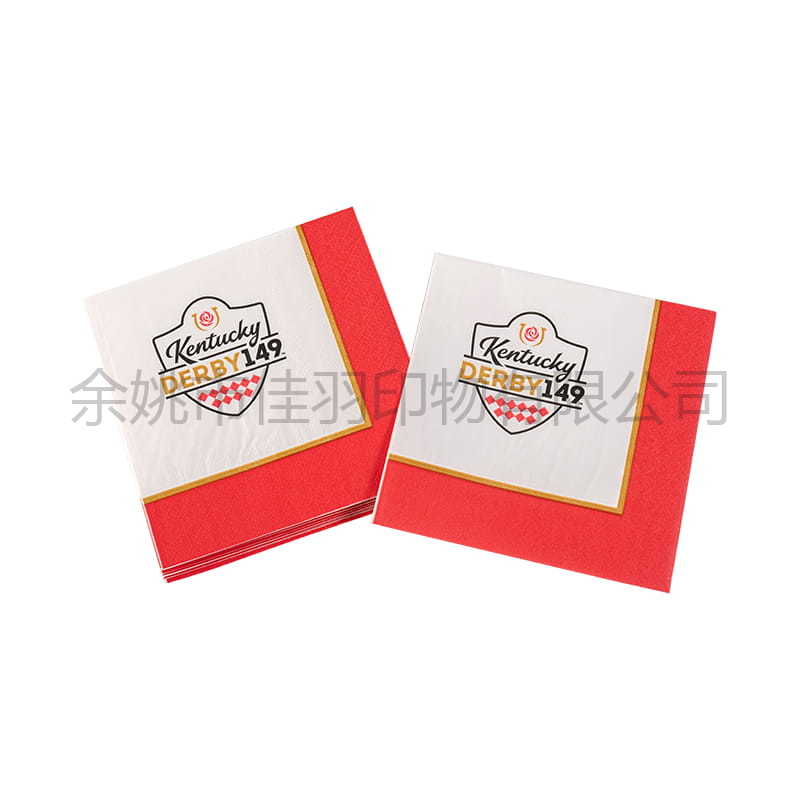
Due to their high safety and superior tactile quality, 100% Virgin Wood Pulp Paper Napkins are widely used in restaurants, personal facial cleaning, infant care, medical wiping, and other high-hygiene-demand situations. They are the standard choice in high-end hotels, airline catering, and children's restaurants.
Recommended Paper Napkins for Different Usage Scenarios
| Usage Scenario |
Recommended Product Type |
Key Purchase Indicators |
Reference Specifications |
| High-end Restaurant/Hotel Table |
100% Virgin Wood Pulp Double-layer Napkins |
Whiteness ≥88%, Softness ≥100 mN |
33×33 cm, Double-layer, ≥16g/sheet |
| Home Dining |
100% Virgin Wood Pulp or Bamboo Pulp Napkins |
Fluorescent-free, Fast Absorption |
24×24 cm, Double-layer, ≥14g/sheet |
| Infant Care |
100% Virgin Wood Pulp Wet-strength Napkins |
Fluorescent-free, Additive-free, Wet Strength ≥25% |
Specialized baby napkin specifications |
| Personal Facial Cleaning |
100% Virgin Wood Pulp Soft Face Wipes |
Fine Fiber, No Shedding, pH Neutral |
Small square size, Single-layer Soft |
| Office/Conference Room |
Pure Wood Pulp or Bamboo Pulp Mix |
Economical, Moderate Whiteness |
Standard Box, 100 Sheets |
| Industrial/Kitchen Cleaning |
Mixed Pulp or Recycled Pulp Optional |
Strong Oil Absorption, Cost-effective |
Large Size, Low Basis Weight |
Common Misconceptions When Purchasing 100% Virgin Wood Pulp Paper Napkins
The Whiter, the More Likely to Be Virgin Wood Pulp: A high whiteness does not necessarily mean it is made from 100% virgin wood pulp. Some recycled pulp products achieve high whiteness by adding fluorescent whitening agents, which actually lower the safety of the product. The key test is to use a UV light to check for fluorescent blue/purple glow and look for raw material labels, rather than judging solely by visual whiteness.
Wood Pulp = 100% Virgin Wood Pulp: The label "wood pulp" does not necessarily mean "100% virgin wood pulp." Some vendors misrepresent mixed materials (e.g., 30%–50% wood pulp + recycled pulp) as pure wood pulp. The correct term should be "100% Virgin Wood Pulp" or "Pure Virgin Wood Pulp." Consumers should focus on labels clearly stating "100%" and relevant certifications.
Thicker Is Always Better: The number of layers and weight per sheet is not the only indicator of quality. A four-layer low-weight recycled pulp napkin may weigh less than a double-layer high-weight virgin wood pulp napkin, and the latter will provide a far better experience in terms of softness, absorbency, and safety. It is recommended to focus on the actual weight per sheet and raw material labeling as the primary reference.
Only Price Matters, Ignoring Composition: The raw material cost of 100% virgin wood pulp (about ¥3500–¥5500/ton) is much higher than recycled pulp (about ¥800–¥1500/ton). Therefore, products priced extremely low (e.g., box of 100 sheets under ¥5) are almost impossible to be made of 100% virgin wood pulp. Consumers should be cautious when purchasing for sensitive uses, such as contact with baby skin.
The core difference between 100% Virgin Wood Pulp Paper Napkins and pulp is that pulp is a general term for raw materials (including wood pulp, bamboo pulp, recycled pulp, etc.), while 100% Virgin Wood Pulp Paper Napkins are high-quality finished products made solely from virgin wood pulp. The two differ significantly in hygiene safety, fiber quality, softness, absorbency, and environmental certification.
When purchasing 100% Virgin Wood Pulp Paper Napkins, keep three key points in mind:
Check Labels:
Ensure it clearly states "100% Virgin Wood Pulp" or "100% Virgin Wood Pulp," with FSC/PEFC certification.
Test Fluorescence:
No blue/purple fluorescence under a UV light, ensuring no fluorescent whitening agents are added, and safety is guaranteed.
Review Standards:
Ensure the product complies with GB/T 24454 national standards for napkins and has an SC food contact paper production license.
Whether for daily family dining, baby care, or high-end catering, 100% Virgin Wood Pulp Paper Napkins are the optimal choice for balancing safety, quality, and environmental sustainability. As consumers' health consciousness continues to grow, pure wood pulp paper napkins are gradually replacing mixed pulp products, becoming the main trend in home paper consumption upgrades.
 English
 中文简体
中文简体 Español
 Deutsch

 No.71, Xiafan, Panxiang Village, Yangming Street, Yuyao City, China.
 491791889@qq.comsales@jiayuprint.com
 +86-13186866868
 +86-0574-62587484