A paper napkin is used primarily to wipe hands and mouth during and after eating, absorb spills and food drips, and maintain personal cleanliness at the table. Beyond this core function, paper napkins serve practical roles in food service, catering, and hospitality — from buffet presentations to takeaway packaging — and decorative roles in event settings where folded or printed napkins contribute to table aesthetics.
The paper napkin is one of the most widely used disposable products globally: an estimated hundreds of billions of paper napkins are used annually across households, restaurants, cafes, fast food outlets, offices, and events — a scale that reflects how deeply embedded the product is in daily hygiene and food service practice.
Primary Use 1: Hand and Mouth Wiping During Meals
The fundamental use of a paper napkin is to remove food residue, grease, and moisture from hands and lips during eating. This function is universal across every food service context — from a fine dining restaurant to a street food stall. The napkin allows diners to maintain personal cleanliness throughout a meal without interrupting the eating experience by leaving the table.
The absorbency and softness of the napkin determine how effectively it performs this role. A two-ply or three-ply napkin absorbs substantially more than a single-ply equivalent — important for greasy foods like pizza, ribs, or fried chicken where a single napkin may be inadequate for the full cleaning task.
Primary Use 2: Spill Absorption and Table Protection
Paper napkins act as an immediate response tool for liquid and food spills at the table. A napkin placed over a spill absorbs the liquid, prevents it from spreading across the table surface, and protects clothing or table coverings from contact with spilled food or drink.
In fast food and casual dining environments, paper napkins often replace tablecloths entirely as the primary table surface protection — either laid flat under food items or placed beside them for immediate access. In outdoor dining and picnic settings, napkins double as surface wipers for tables and seating that may have been exposed to dust, pollen, or light moisture.
Primary Use 3: Food Wrapping and Handling in Food Service
In takeaway, fast food, and street food contexts, paper napkins are routinely used to wrap or hold food items directly:
- Holding hot or greasy items: Wrapping a napkin around a hot dog, burger, slice of pizza, or fried food item allows it to be held comfortably without burning the hand or transferring grease to fingers.
- Lining serving baskets and trays: Paper napkins placed in wire baskets or food trays absorb grease from fried foods, preventing pooling and maintaining a cleaner presentation at the point of service.
- Covering food items: A napkin placed loosely over food at a buffet or self-service station provides basic protection from airborne dust and insects without requiring a lid.
Primary Use 4: Decorative and Presentation Role at the Table
Beyond functional use, paper napkins contribute to the visual setting of a dining table. Folded napkins placed on plates, in glasses, or arranged at each place setting signal attention to presentation and create a more organized, welcoming table appearance — particularly relevant at formal events, celebrations, and catered functions.
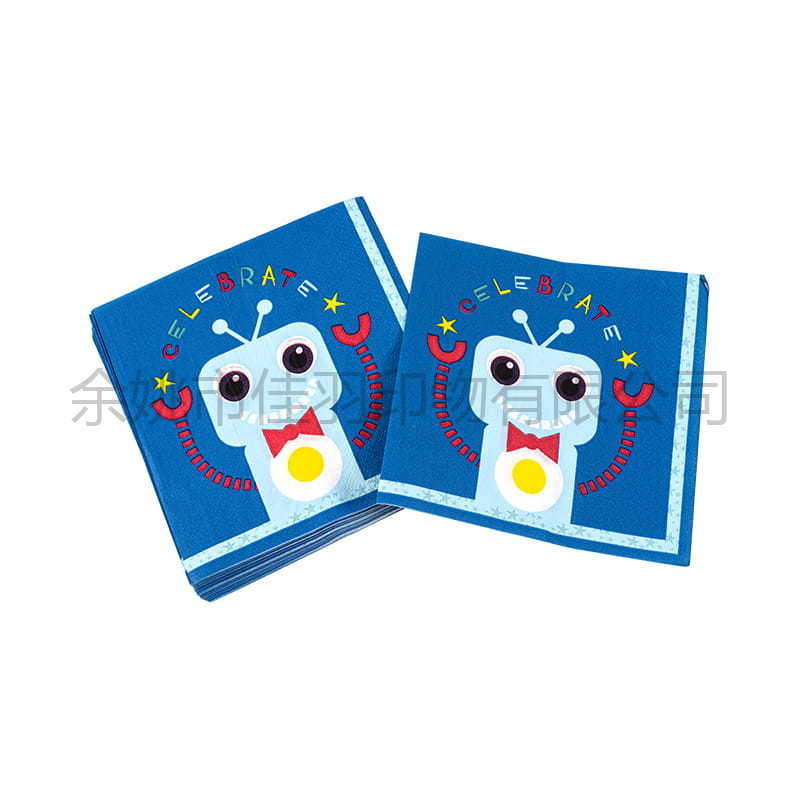
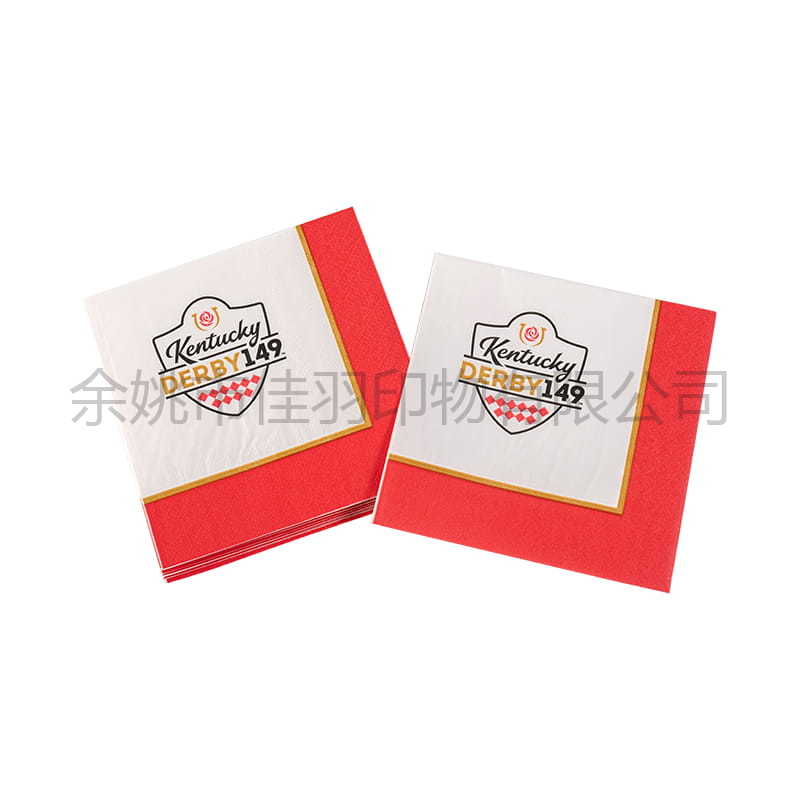
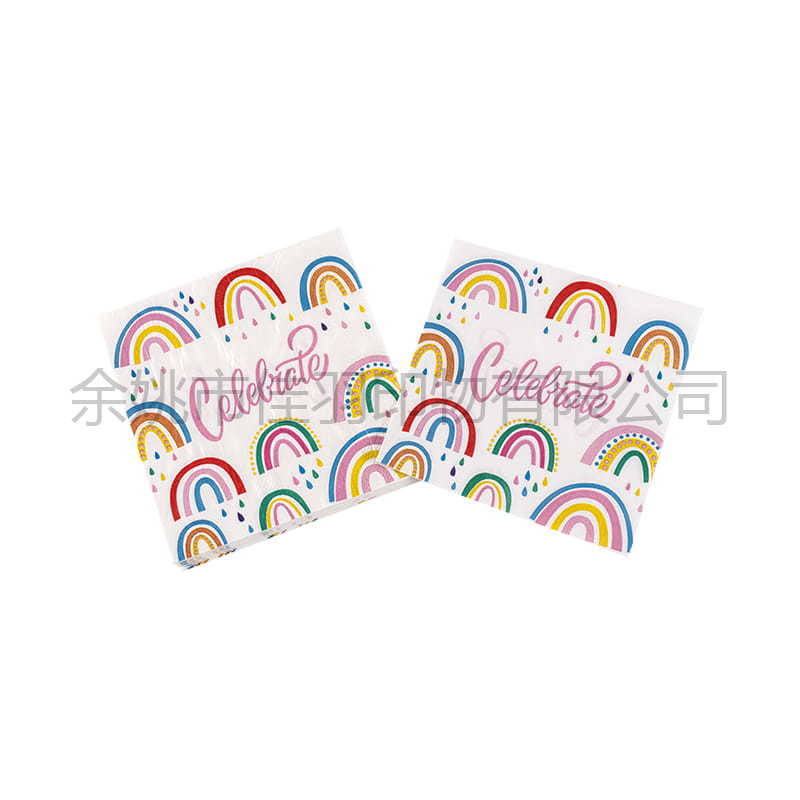
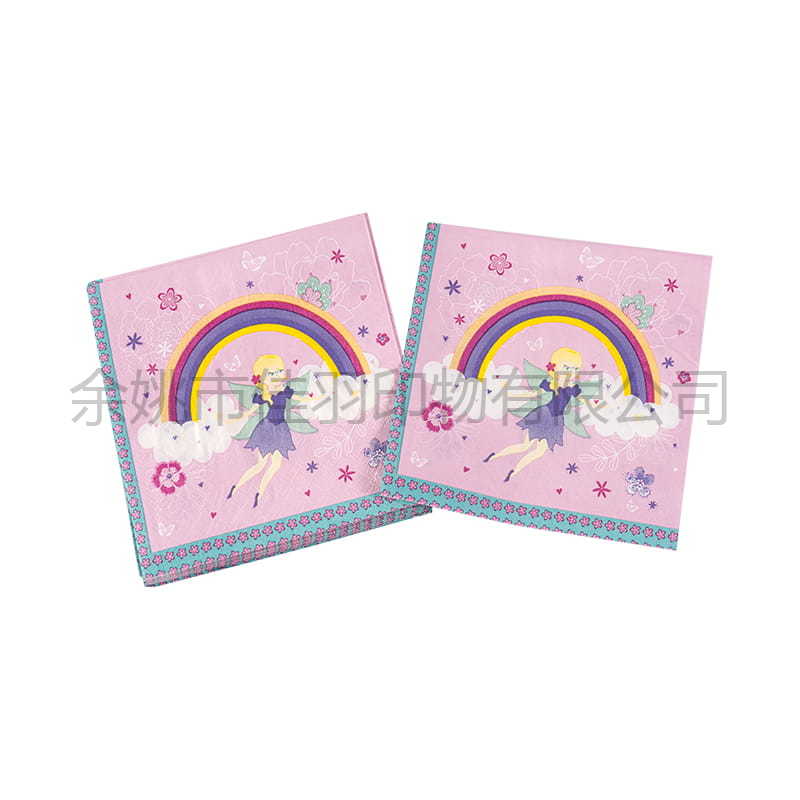
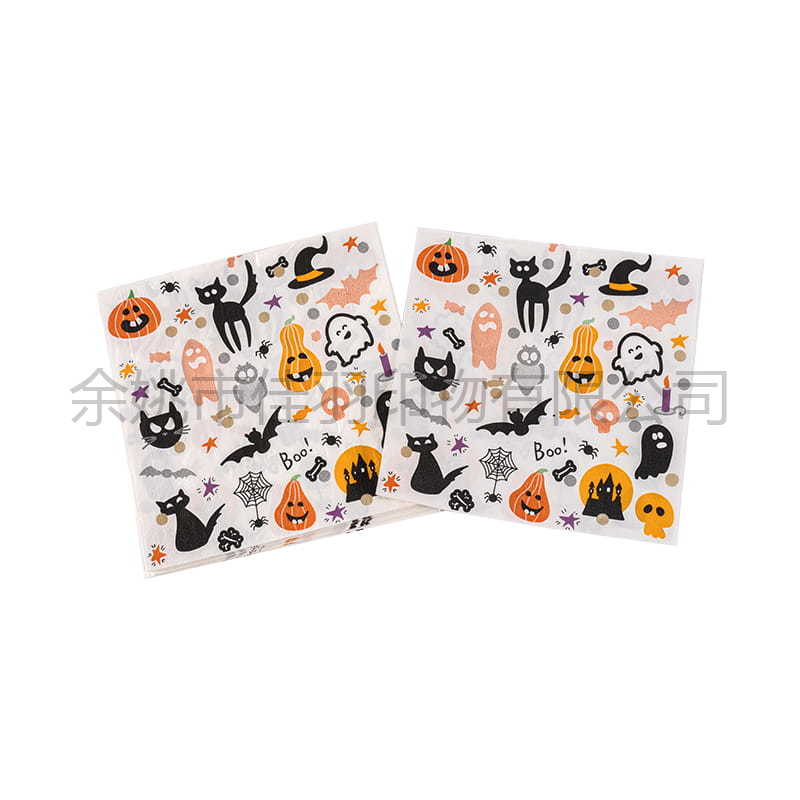
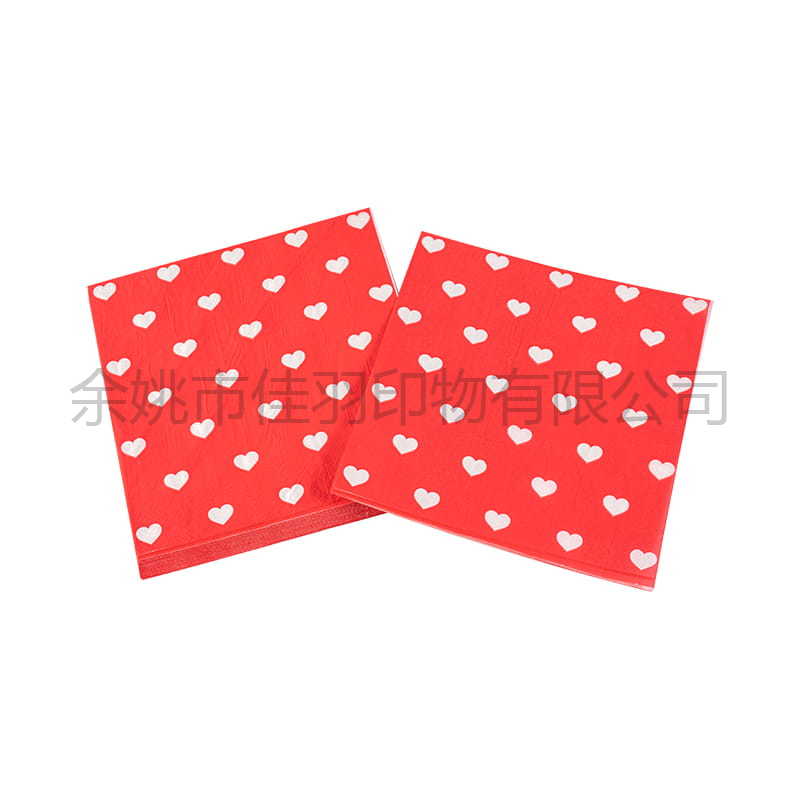
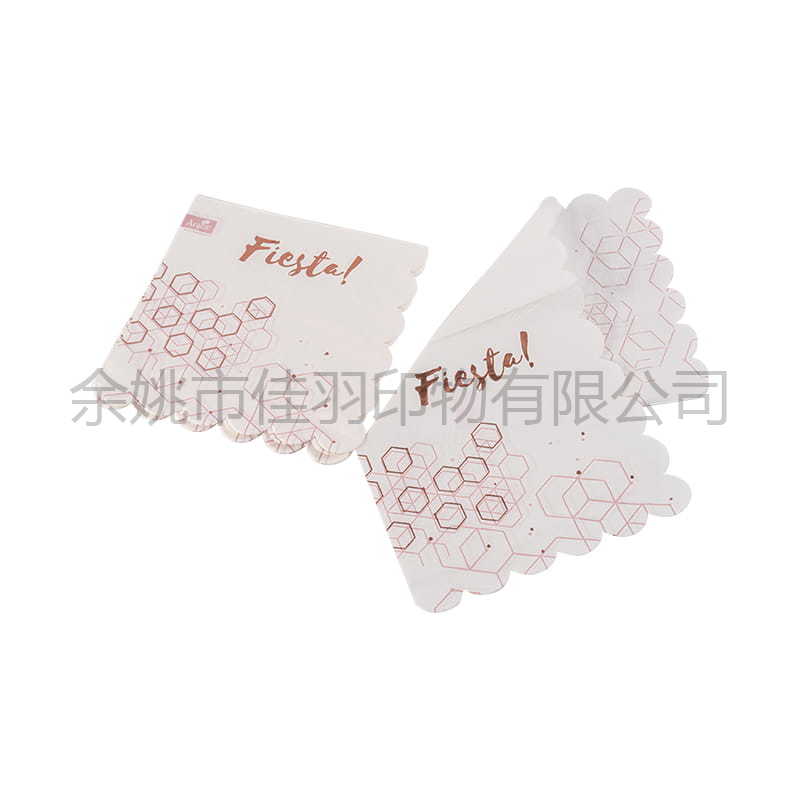
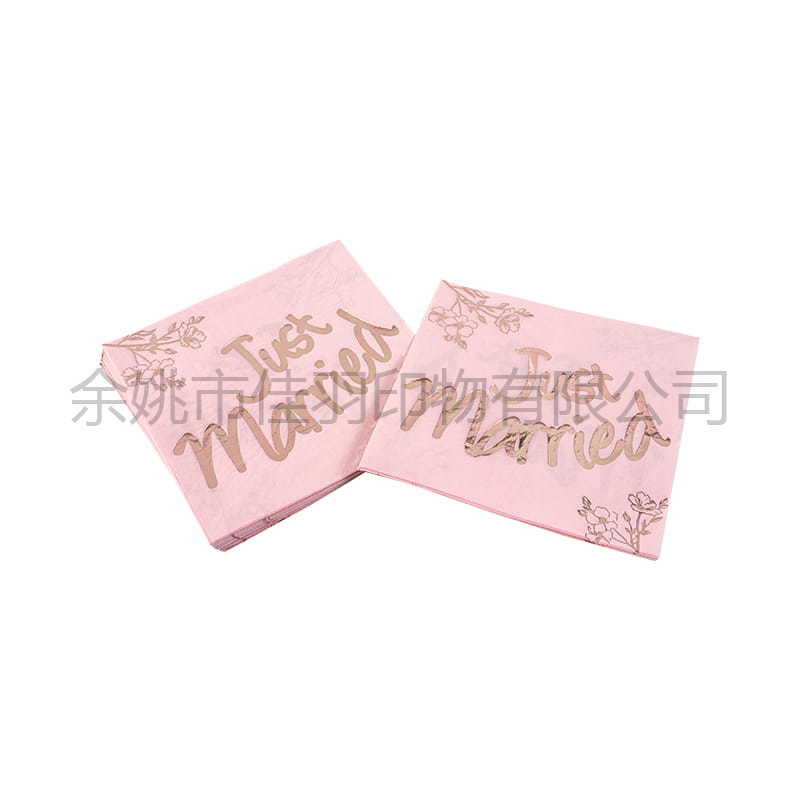
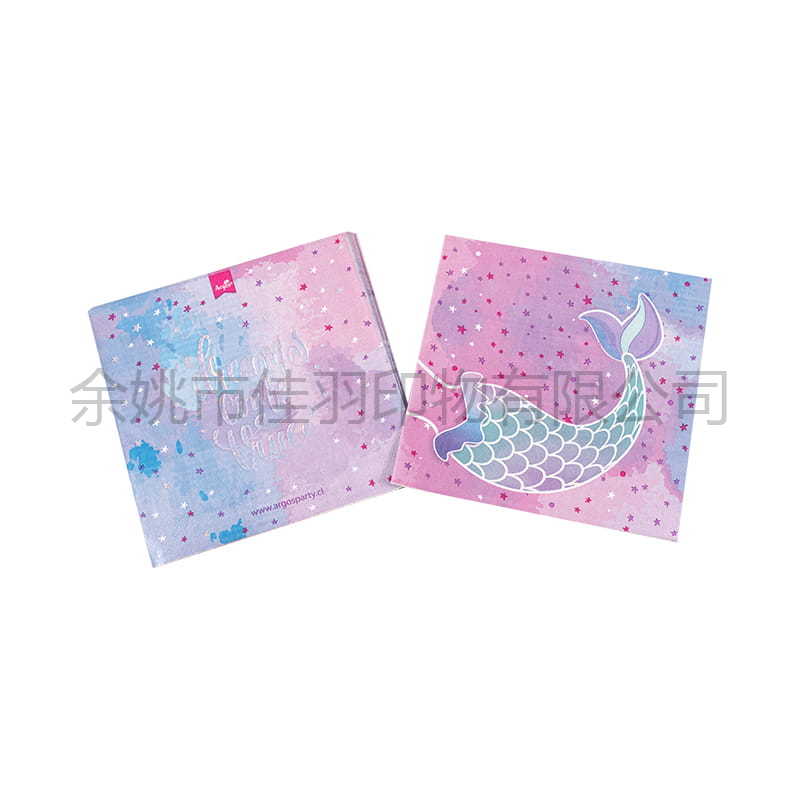
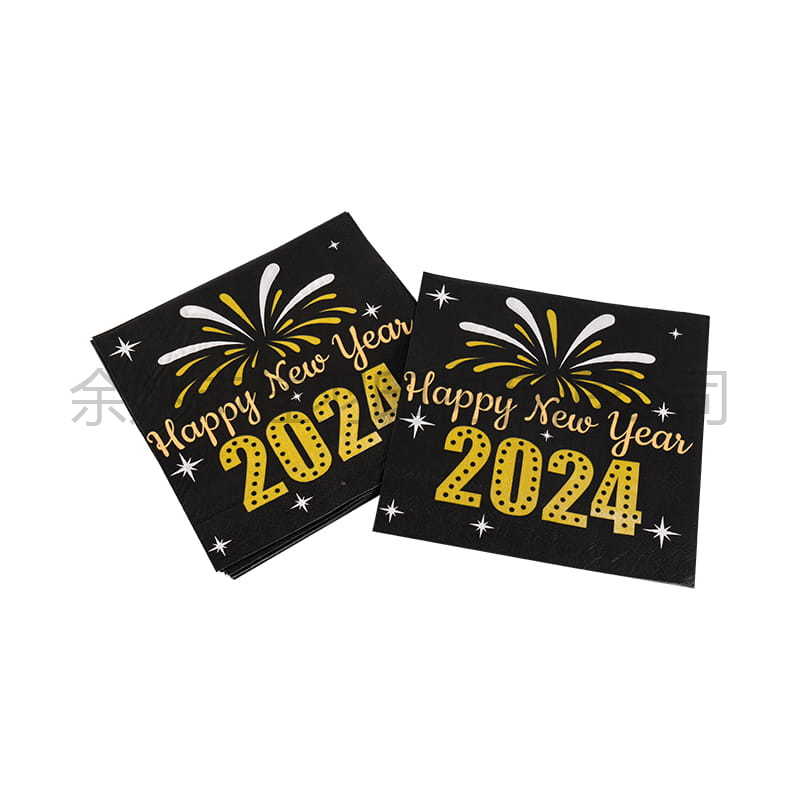
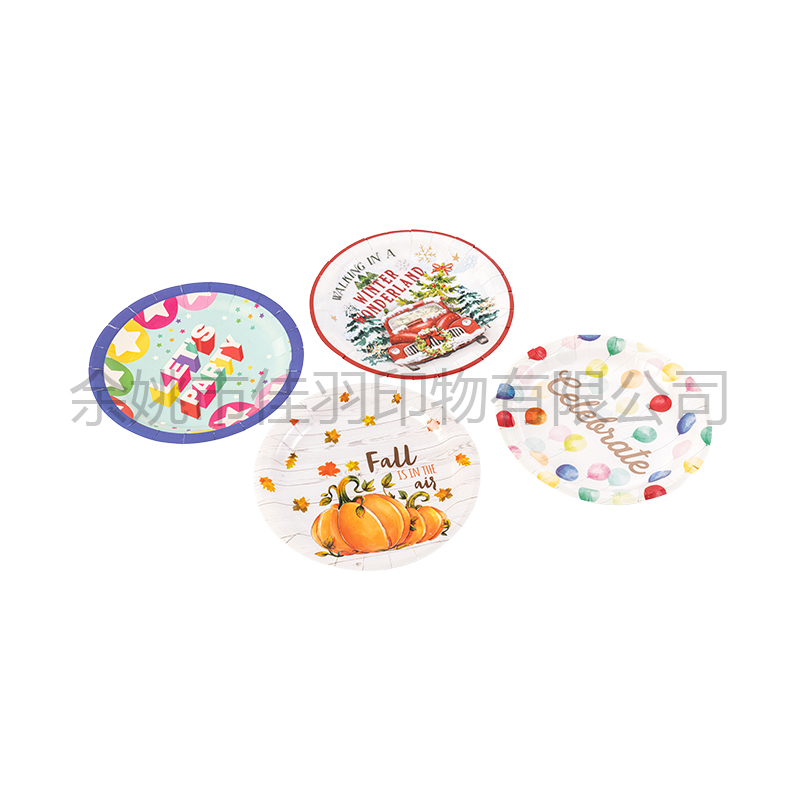
Printed and colored napkins are widely used at themed events — birthday parties, weddings, holidays, and corporate events — where the napkin's color or pattern coordinates with the overall table design. The napkin in these settings functions as both a practical hygiene product and an inexpensive decorative element that contributes to the event's visual identity.
Paper Napkin Types and Their Specific Uses
Common paper napkin types, their characteristics, and primary use contexts
| Napkin Type |
Ply / Size |
Primary Use Context |
| Cocktail napkin |
1-ply, 25 x 25 cm |
Drinks service, canapes, finger food at receptions |
| Luncheon napkin |
1–2 ply, 33 x 33 cm |
Casual dining, takeaway, buffets, offices |
| Dinner napkin |
2–3 ply, 40 x 40 cm |
Formal dinners, catered events, full meal service |
| Dispenser / interfold napkin |
1-ply, folded for dispensers |
Fast food counters, self-service restaurants, cafes |
| Printed / decorative napkin |
2–3 ply, various sizes |
Parties, celebrations, themed events, catering |
| Airlaid napkin |
Non-woven texture, fabric-like |
Premium dining, hotel restaurants, high-end catering |
Secondary Uses Beyond the Dining Table
Paper napkins are versatile enough to serve multiple functions beyond their primary food service role:
- Emergency tissue substitute: A folded paper napkin serves as a temporary substitute for facial tissue for nose blowing or eye dabbing when tissues are unavailable.
- Surface protection when placing items: A napkin placed under a glass, bottle, or wet item protects furniture surfaces from moisture rings and staining during casual use.
- Quick surface wiping: Napkins are used to quickly wipe down counters, trays, and tables between uses in fast-service environments where a full cleaning cloth is impractical.
- Decoupage and crafts: Printed paper napkins with decorative patterns are used in craft projects — decoupage, card-making, and gift wrapping — where the thin, printable surface transfers well to various substrates.
- Note-taking surface: In informal settings, paper napkins serve as a quick writing surface for notes, addresses, or sketches when no notepaper is available — a use that has become culturally iconic in business and creative settings.
 English
 中文简体
中文简体 Español
 Deutsch

 No.71, Xiafan, Panxiang Village, Yangming Street, Yuyao City, China.
 491791889@qq.comsales@jiayuprint.com
 +86-13186866868
 +86-0574-62587484