A purchase order that says 100 lb paper and a supplier confirmation that answers 271 gsm can both be right, and can still leave the wrong sheet on the press. That is the quiet trap inside paper weights. The short answer comes first: 100 lb text paper converts to about 148 gsm, 100 lb cover paper converts to about 271 gsm, and 100 lb index board lands near 181 gsm. When a job depends on stiffness, folding, postage or the feel of a finished cover, the grade behind the number matters far more than the number itself.
The short answer for 100 lb paper in gsm
Most people searching for this conversion are holding a specification that says only 100 lb and never names the grade. In North American print buying, that figure almost always belongs to one of five paper grades, and each one lands at a different grammage.
100 lb text or book paper: about 148 gsm
100 lb tag stock: about 163 gsm
100 lb index board: about 181 gsm
100 lb bristol: about 219 gsm
100 lb cover: about 271 gsm
The spread is 123 gsm between the lightest and the heaviest reading of the same 100 lb figure. Put differently, the gap between 100 lb text and 100 lb cover is larger than the weight of a full extra sheet of 120 gsm uncoated paper added to every sheet in the run.
Rounding explains a little of the variation you will see in published charts. Cover paper at 100 lb works out to 270.8 gsm, which some mills list as 270 gsm, others as 271 gsm, and a few as 275 gsm after rounding up to a familiar number.
Why 100 lb paper converts to five different gsm values
Pounds and grams per square meter do not measure the same thing, and that is the root of the confusion. A paper weight in lb is a basis weight: the weight of 500 sheets, called a ream, cut to that grade's original parent sheet size. GSM is absolute: it is the weight of one square meter of the finished sheet, no matter how that sheet was trimmed.
Because the parent sheet differs from grade to grade, the same 100 lb figure sits on a different surface area in each case. Text paper is weighed on a 25 by 38 inch parent sheet, cover paper on a 20 by 26 inch parent sheet, and index board on a 25.5 by 30.5 inch parent sheet. A smaller parent sheet means the ream covers fewer square inches, which pushes the grammage upward.
The working formula is short: multiply the lb value by 1405 and divide by the area of the grade's parent sheet in square inches. Most print shops keep a list of multipliers at the front desk instead, and the table below is the one worth saving.
Multipliers come from the weight of 500 sheets of each grade's parent sheet, so the same 100 lb input produces very different grammage readings.
Paper grade
Parent sheet size in inches
Multiplier from lb to gsm
100 lb in gsm
Text or book
25 x 38
1.48
148
Tag
24 x 36
1.63
163
Index
25.5 x 30.5
1.81
181
Bristol
22.5 x 28.5
2.19
219
Cover
20 x 26
2.708
271
Treat every converted figure as a target rather than an exact specification. Mills quote grammage with an allowed tolerance, and caliper, bulk and finish vary between brands even when the grammage matches, which is why a 271 gsm sheet from one mill can feel noticeably firmer than a 271 gsm sheet from another.
100 lb paper in gsm, grade by grade
The chart above plots the same 100 lb input five times, once for each grade, and the bars separate cleanly. Text sits lowest at 148 gsm because its parent sheet is the largest of the group, so the ream is spread over more area. Tag and index follow at 163 gsm and 181 gsm, both stiff enough for hang cards, dividers and lightweight covers. Bristol reaches 219 gsm, which is the range where firm postcards and heavy invitations live. Cover stock tops the chart at 271 gsm, close to the grammage of many folding cartons and premium business cards. Reading from the top bar down to the bottom bar, the heaviest option carries about 83 percent more material per square meter than the lightest.
Converting other paper weights without a calculator
Once the grade is known, the conversion becomes a straight line, and that is what the chart shows. Text paper climbs at 1.48 gsm per pound, so a 60 lb text sheet reads about 89 gsm while a 120 lb text sheet reads about 178 gsm. Cover paper climbs much faster at 2.708 gsm per pound, which lifts a 60 lb cover sheet to about 163 gsm and a 120 lb cover sheet past 325 gsm. At 60 lb the two lines are separated by roughly 74 gsm, and by 120 lb that gap has widened to about 147 gsm. The widening gap is why a job that works well at 80 lb text can fail completely when the same number is read as cover weight. Buying on the lb figure alone, without confirming the grade, is the single most common source of paper mismatches in commercial printing.
What each weight band is used for in real jobs
The five bands in the chart cover nearly every commercial print job, and the heights show how quickly board builds up. Office weights from 75 to 90 gsm handle letterhead, notepads and forms, where thin sheets matter more than stiffness. Text weights between 89 and 148 gsm carry book blocks, brochure inners and catalogs because they fold without cracking and stay light enough for mailing. Light cardstock from 157 to 190 gsm suits postcards, hang tags and menu cards that need to survive handling. Midweight cardstock from 216 to 280 gsm is the workhorse band for folded covers, business cards and retail cartons, and it is exactly where a 100 lb cover sheet sits. Heavy cardstock from 298 to 352 gsm is reserved for luxury boxes, door hangers and packaging that has to stand on a shelf without support. Specifying a range instead of one exact number leaves room for mill tolerance without changing how the finished piece behaves.
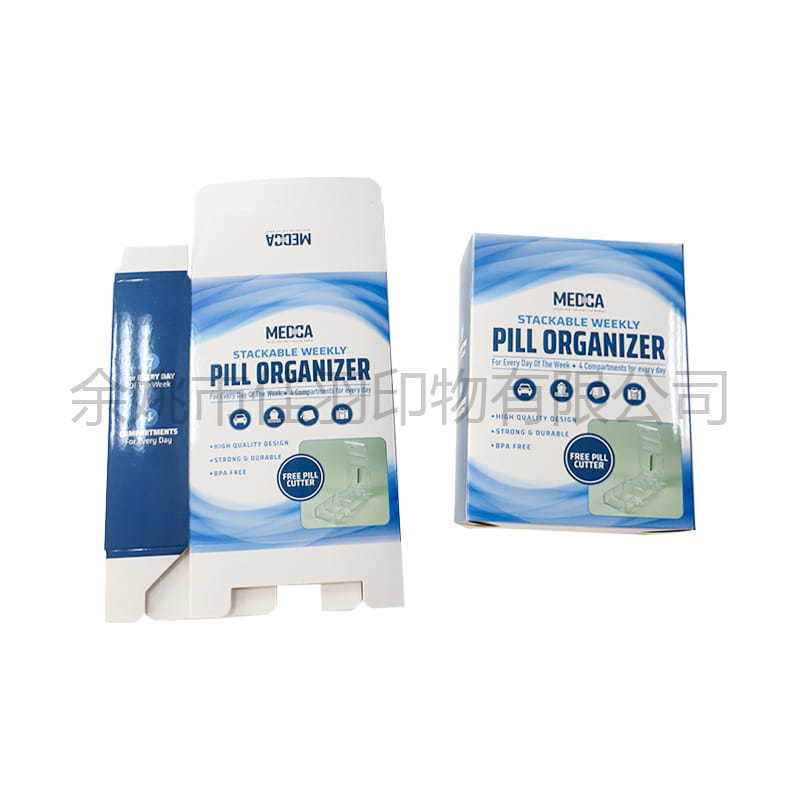
Midweight and heavy bands dominate the packaging side of our own converting lines, where color printed cartons, folding gift boxes and printed cards are cut, creased and glued from coated board in the 250 to 350 gsm range. Board in that band holds a shelf shape while still folding cleanly on a score line, which is why it is the default choice for retail packaging and display trays. It also takes ink well, so brand colors stay consistent from the first carton to the last. The same reasoning applies across printed packaging and paper tableware produced at our facility, from board cartons down to lighter food service items.
Text and cover compared at the same nominal 100 lb
The radar view compares the two most common readings of 100 lb paper across five practical attributes, rated on a relative scale. Cover stock pushes every structural measure outward, because 271 gsm gives it both the caliper and the stiffness of a light board. Text stock at 148 gsm scores highest on foldability, which is why it is used for booklet inners and pieces that pass through high speed folding equipment. The trade off appears on postage cost, where the lighter text sheet is far cheaper to mail at high page counts. Bulk and opacity follow the same pattern, with cover stock hiding show through better while text stock keeps a book block thin. If a specification says only 100 lb and the job requires a folded cover, confirming the grade before the paper is ordered prevents both a failed fold and a wasted press run.
Where a 100 lb cover equivalent lands in food service board
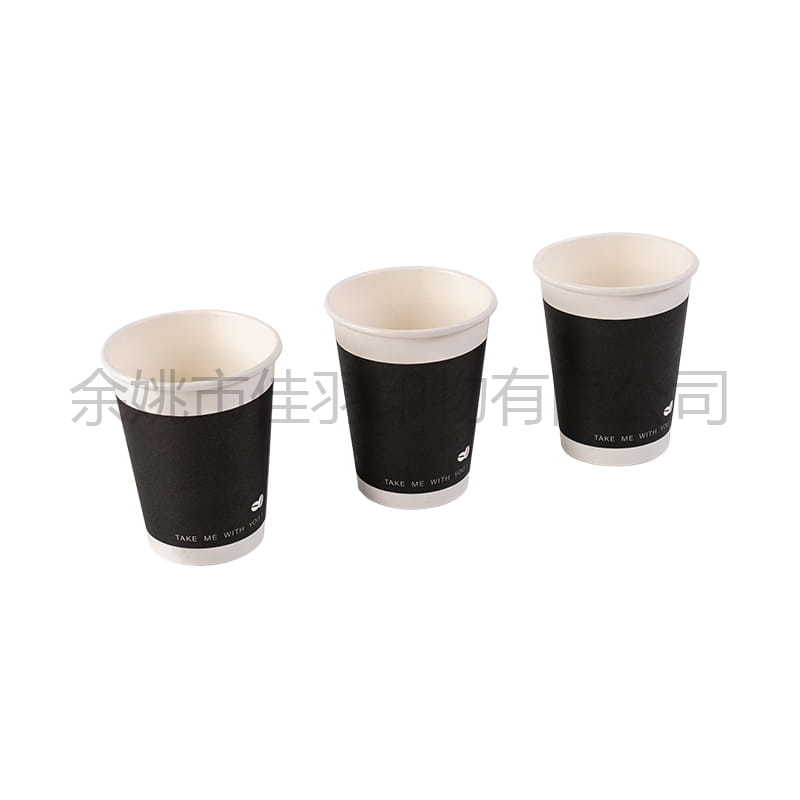
Grammage works the same way in food service paper as it does in print, and the numbers line up neatly. Cup stock for hot drinks typically runs from about 200 to 350 gsm, so a 100 lb cover sheet at 271 gsm sits squarely in the middle of that range. Single wall hot cups usually land between 250 and 300 gsm, which gives enough stiffness to hold a full drink without a sleeve while staying formable on high speed cup machines. Liquid resistance comes from the coating rather than the base sheet, and options such as polyethylene-free dispersion coatings, PLA and PP films are all used on the same board weights. That means a buyer comparing a 100 lb cover carton board with a 12 oz cup blank is comparing materials that are far closer in weight than the units suggest.
In practice, most tableware specifications are written in gsm or in ounces, and rarely in lb, which is one reason North American print buyers and overseas suppliers sometimes talk past each other. Converting the old figure into metric first removes most of that friction. The same applies to paper cups and bowls used for sustainable food service, where a supplier will quote base board weight, coating type and rim diameter rather than a ream weight from another grade.
The other end of the scale: 18 gsm tissue
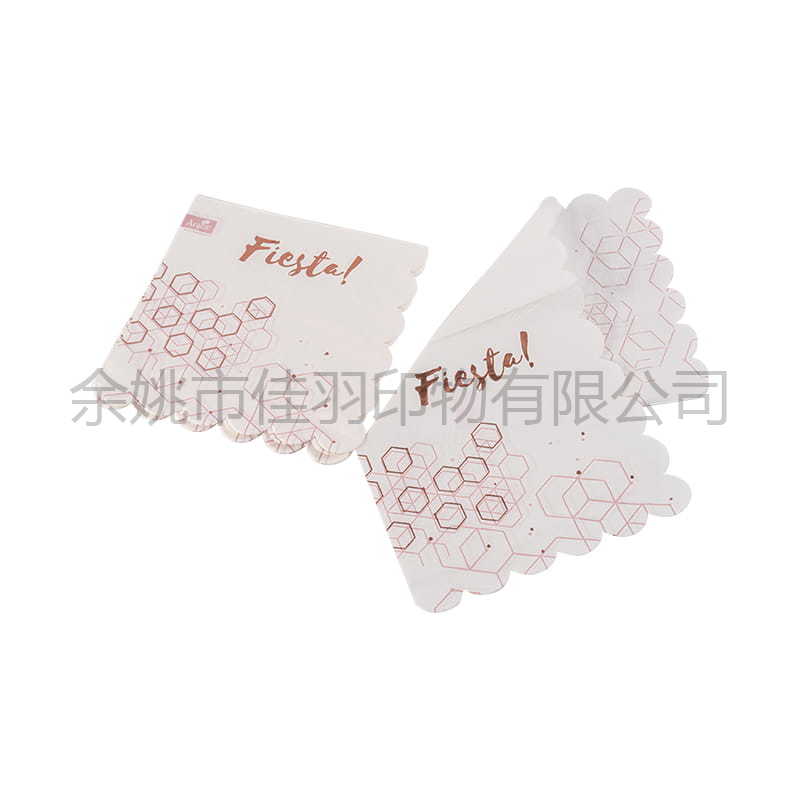
It helps to see where heavy stock sits by looking at the lightest paper in the same building. Paper napkins are commonly made from 18 gsm tissue, and a 100 lb cover sheet at 271 gsm is roughly fifteen times heavier per square meter. Both are sold as paper, both are printed, and both may carry a decorative hot stamp, yet they behave nothing alike on a machine. Tissue is specified by grammage, ply count and fold size, while board is specified by grammage, caliper and stiffness. When a specification mixes those conventions, the fastest fix is to convert everything to gsm and compare the resulting numbers side by side.
Light tissue products also show why ply count matters as much as weight: two layers of 18 gsm tissue deliver more absorbency and a softer hand than a single heavier layer, even though the grammage per ply is identical. The same principle applies on the heavy end, where a coated 271 gsm cover sheet feels far firmer than an uncoated sheet of the same weight.
How to confirm a 100 lb paper order before it ships
Write the grade on the purchase order, not just the lb value. 100 lb text and 100 lb cover are different materials separated by 123 gsm.
Ask for grammage and caliper together, because weight alone does not describe thickness, bulk or stiffness.
Request the mill's grammage tolerance in writing, since sheets are sold inside a range rather than at one exact figure.
Order a physical sample and fold or score it the way the finished job will be folded, including any coating or lamination.
Confirm grain direction, coating type and food contact suitability if the sheet touches food or drink.
Keep a conversion chart with the grade multipliers on file, so the next 100 lb enquiry takes seconds instead of a phone call.
The whole question comes down to two numbers: 148 gsm for 100 lb text and 271 gsm for 100 lb cover, with tag, index and bristol filling the space between them. Converting is the easy part once the grade is known, and the multiplier table does that work in one step. The part worth protecting is the specification itself, so that every quote, sample and purchase order names the grade alongside the weight. Buyers who do that rarely open a carton of paper and find the wrong sheet inside.
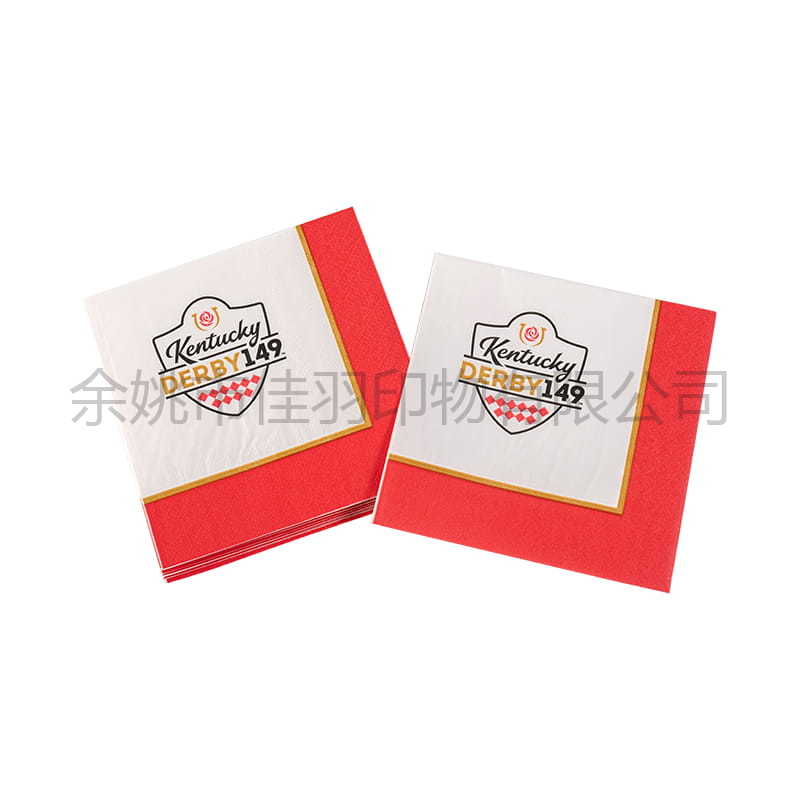
25cm KD printed paper towels have a variety of advantages, at the same time, the pattern on the napkin can be customized according to any requirements, whether it is a floral design, geometric pattern...
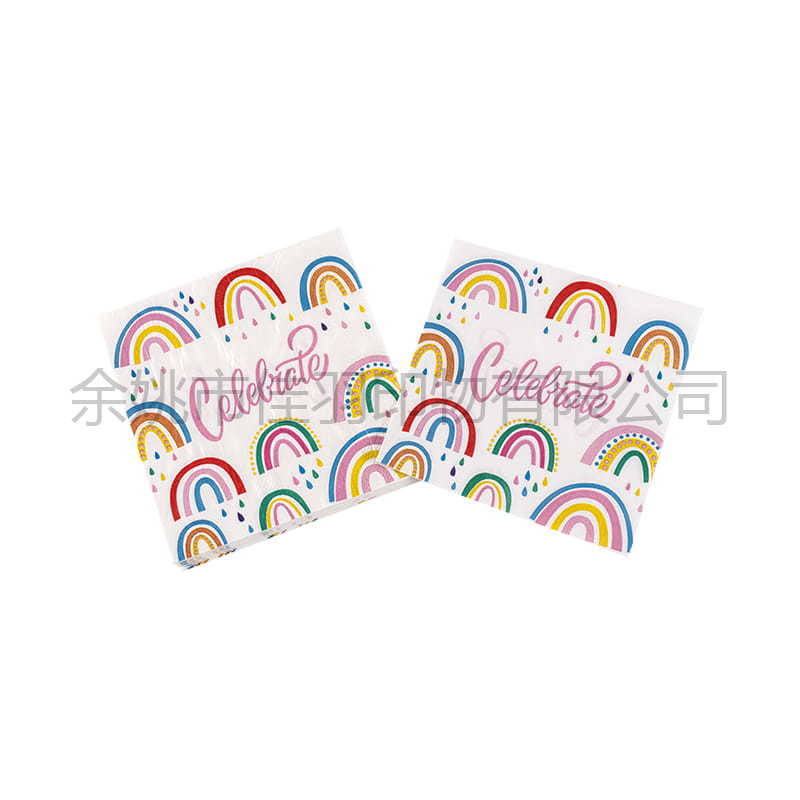
25cm Rainbow Print Napkin- This napkin is specially designed for holiday celebrations, specially designed napkins with print, rainbow print is full of joy and celebratory feelings.
The print on it ca...
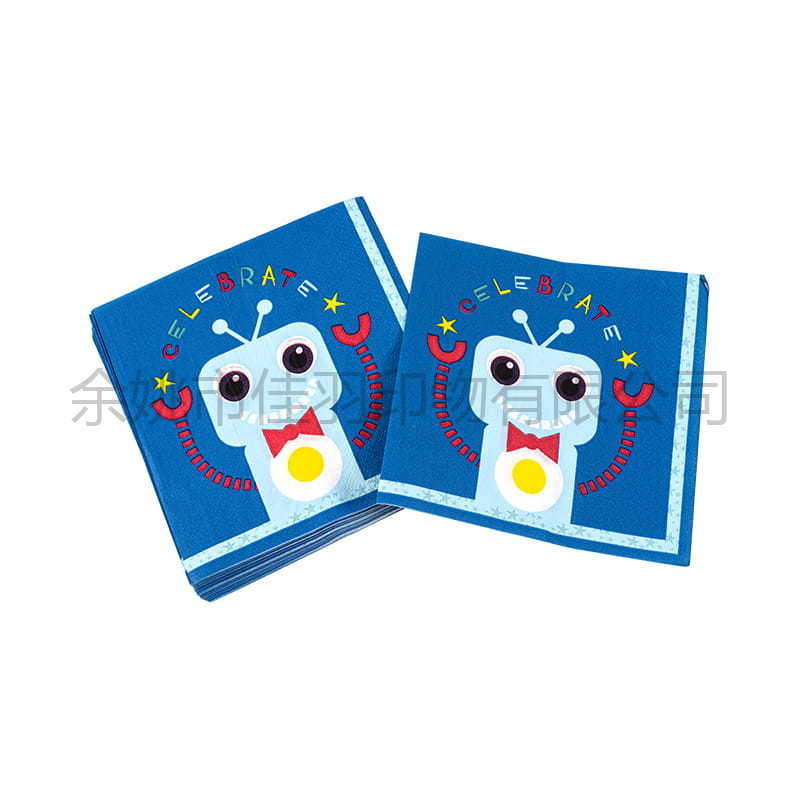
This is a 25cm*25cm napkin printed with the logo of a cute robot, this robot napkin is a must-have item on the children's table. Fun robot-themed prints add a futuristic touch to your packaging, in ad...
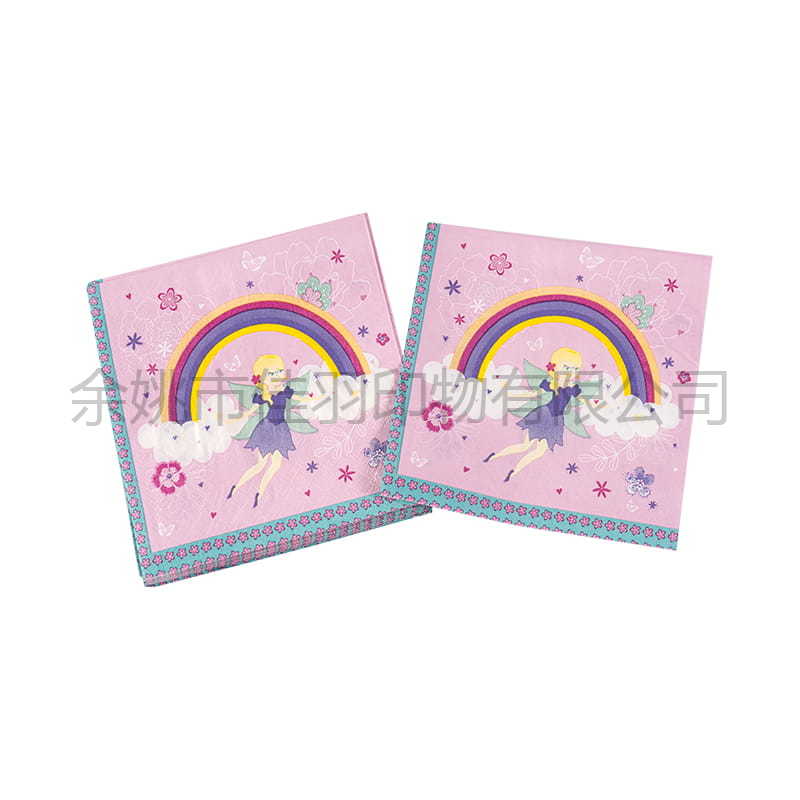
The 25cm fairy print tissue is designed to enhance the overall experience of women. The unique fairy-themed print not only gives the paper towel an eye-catching look but can also be customized to your...
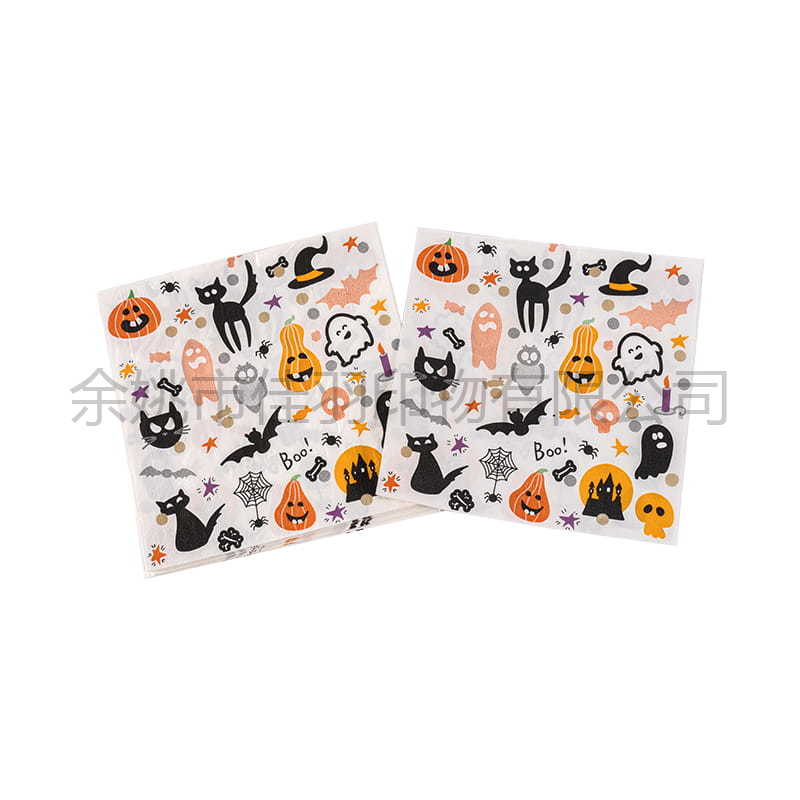
Designed for Halloween, this tissue is sized to handle a variety of packaging needs, from small Halloween gifts to grand celebrations. The design incorporates an intriguing Halloween element, making e...
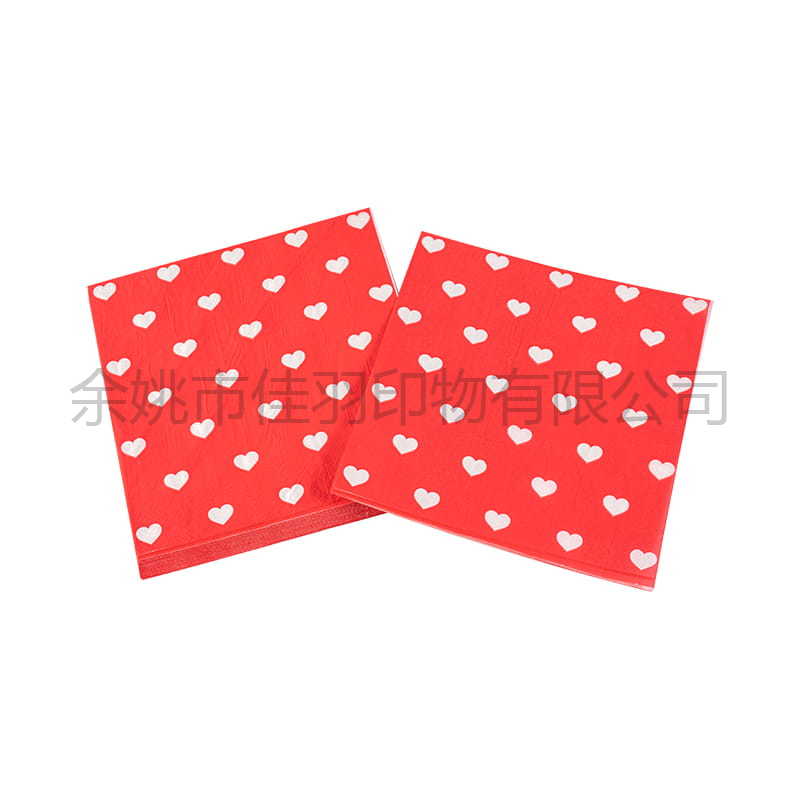
This special Valentine's Day tissue is covered with small hearts and covers the entire tissue. We designed this 33cm Valentine's Day tissue, each one has a lot of small hearts so that your gift packag...
This 33cm bronzing embossed lace paper towel incorporates a delicate embossing process, which is soft and comfortable, and has good water absorption. At the same time, the interesting colors and delic...
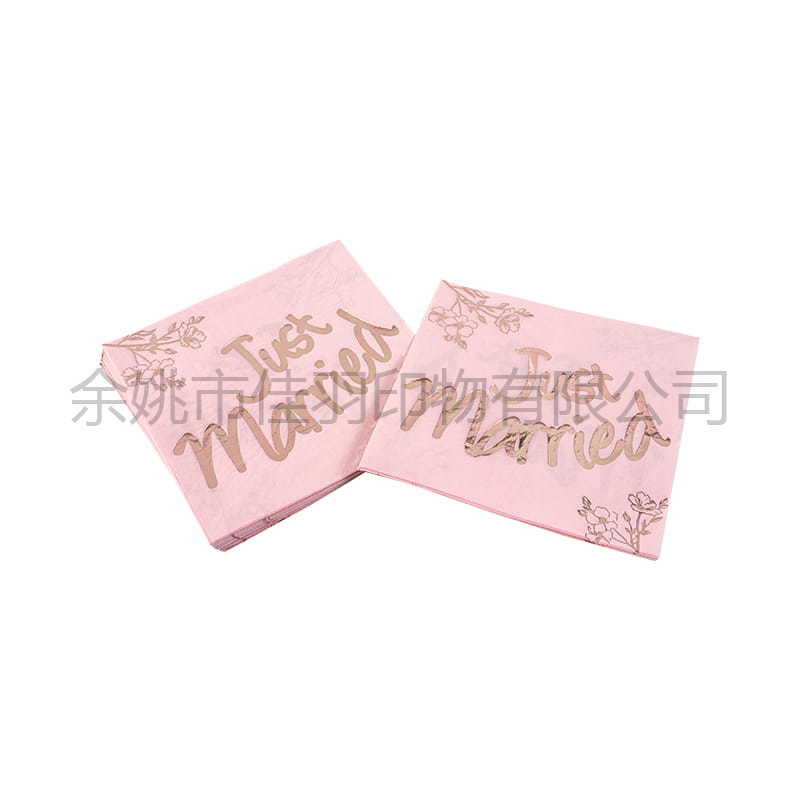
The 33cm hot rose gold paper towel comprehensively considers many factors such as material, environmental protection, practicality and appearance design. Inject a touch of artistic quality into everyd...
The 33cm hot silver paper towel adopts a unique hot silver stamping process, and its exquisite print design adds a lot of color to daily life, we are constantly paying attention to the comfort of the ...
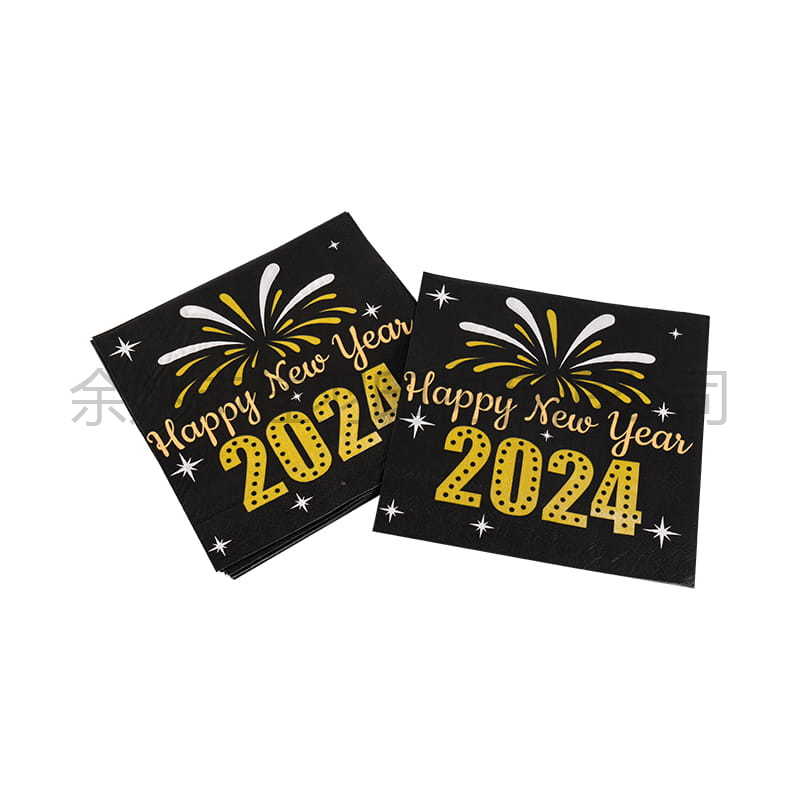
The 33cm New Year paper towel is an eco-friendly and sustainable product that is made with eco-friendly materials, providing buyers with a more eco-friendly option. Unique print patterns can be custom...
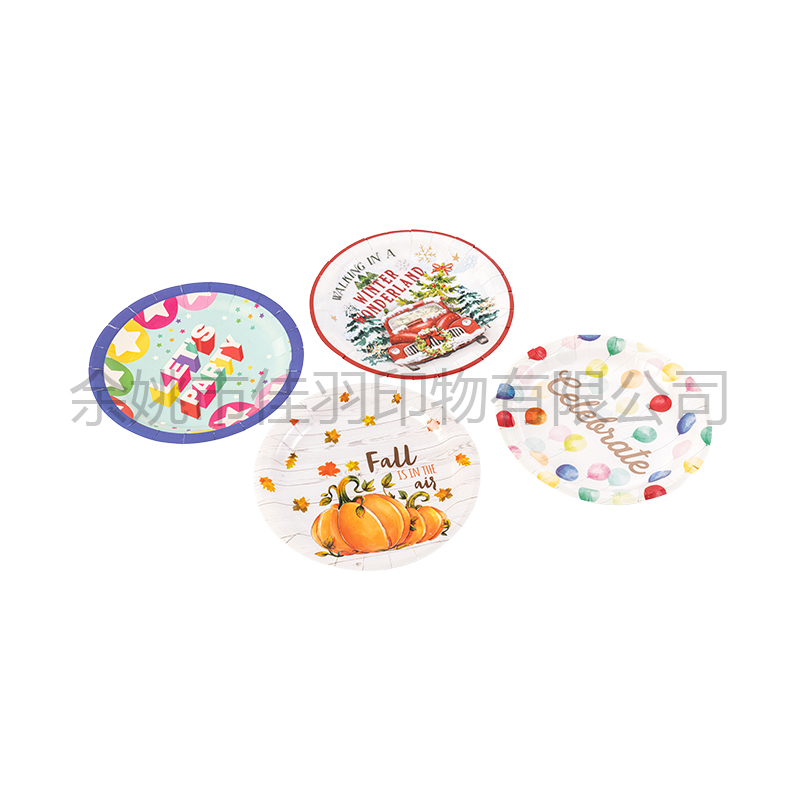
The 7-inch round paper plate, with a diameter of 17.8 cm (Φ17.8), is a common tableware and supplies, usually used for parties, parties, catering occasions, etc.
Material: The 7-inch round paper tray...
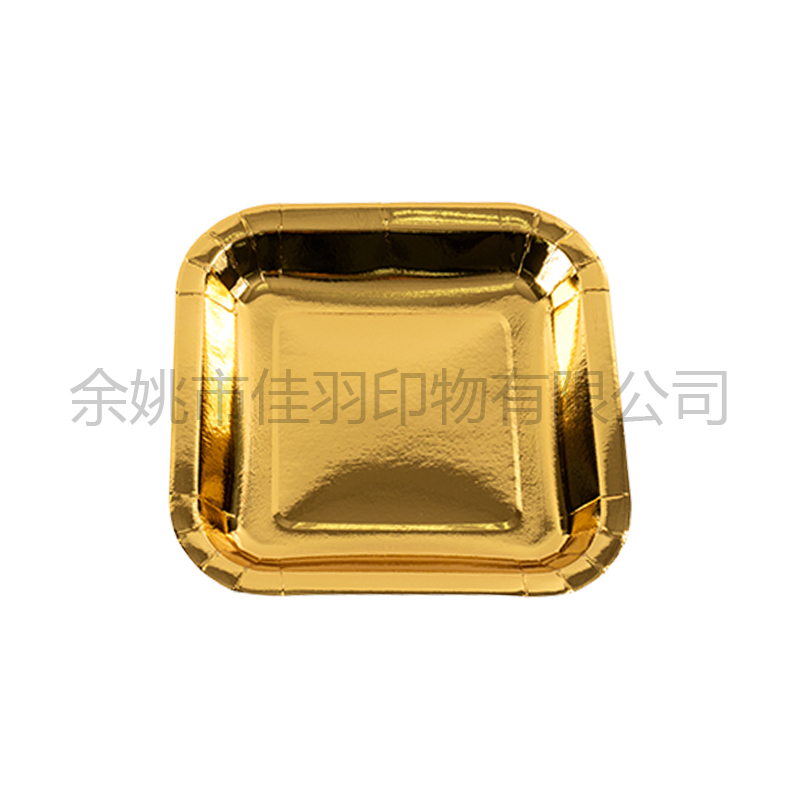
8-inch gold square paper plate to add a luxurious atmosphere to your special occasion. This clever design of this square paper plate not only provides more space for food storage but also presents a m...

 English
 中文简体
中文简体 Español
 Deutsch

 No.71, Xiafan, Panxiang Village, Yangming Street, Yuyao City, China.
 491791889@qq.comsales@jiayuprint.com
 +86-13186866868
 +86-0574-62587484