Someone in the United States sends a purchase spec that reads 110 lb cover. A printer in Europe or Asia replies with a question that looks like hair-splitting: which 110 lb? Read it as cover stock, which is what most buyers mean, and 110 lb converts to about 298 gsm. Read the same number as text stock and it describes a sheet of roughly 163 gsm. Same words, two papers that behave nothing alike on press, in a folded carton, or on a store shelf. Below is the conversion, the arithmetic behind it, and the extra numbers worth writing into the order before any plates are made.
110 lb Cover Paper Is About 298 GSM
For cover stock, one pound equals 2.708 grams per square meter. Multiply 110 by 2.708 and you get 297.9, which the trade rounds to 298 gsm and usually says out loud as 300 gsm cardstock. Weight tolerances run to about plus or minus 5 percent, so a 298 gsm sheet can arrive anywhere between 283 and 313 gsm, and that band belongs in the purchase order rather than in a dispute at the end of the run. GSM means grams per square meter: the mass of one square meter of paper, whatever the sheet size and wherever it was made. That is why it is the safer number to buy on, and why converters who work in metric ask for it even when the original specification was written in pounds.
Why the Same 110 lb Gives You Two Very Different Sheets
The pound figure on a US specification is a basis weight. It states what 500 sheets weigh when cut to that grade's own parent size: text paper on 25 by 38 inches, cover paper on 20 by 26 inches, index on 25.5 by 30.5 inches. Because the parent sheets differ, each grade carries its own multiplier, and one pound of cover paper covers a different area than one pound of text paper. That is the trap in the phrase 110 lb paper. Without a grade there is nothing to convert, and with one the arithmetic is simple and repeatable.
110 lb to GSM Across the Grades
The table applies each grade family's standard per-pound multiplier to the same 110 lb figure, using the basis sheet sizes that the North American trade works with.
Converting 110 lb into grams per square meter by grade, based on standard US basis sheet sizes and the conventional per-pound multipliers.
Grade
Basis sheet (inches)
GSM per lb
110 lb in GSM
Typical use at this weight
Bond or writing
17 x 22
3.75
413 gsm
Rare at this weight; specialty forms and ledger stock
Cover
20 x 26
2.708
298 gsm
Business cards, hang tags, folding cartons
Bristol
22.5 x 28.5
2.20
242 gsm
Postcards, book covers, dividers
Index
25.5 x 30.5
1.81
199 gsm
File cards, mailers, ticket stock
Tag
24 x 36
1.63
179 gsm
Retail tags, tickets, folders
Text or book
25 x 38
1.48
163 gsm
Book pages, brochures, catalogues
Notice that the heaviest result, 413 gsm for bond, is the lightest sheet in everyday commerce, because its basis sheet is small. The number that looks biggest is not the paper that feels thickest.
Seeing the Spread: 110 lb in Six Grades
Put the six results side by side and the reason for asking the grade question becomes obvious at a glance.
110 lb Converted to GSM, by Grade
Bond413 gsm
Cover298 gsm
Bristol242 gsm
Index199 gsm
Tag179 gsm
Text163 gsm
The chart plots the same 110 lb label against each grade family, using the multiplier that grade actually uses. Bond sits at the top with about 413 gsm, because its basis sheet is only 17 by 22 inches and the weight is packed into a small area. Cover lands at roughly 298 gsm, which is the source of the familiar claim that 110 lb equals 300 gsm, while bristol at about 242 gsm and index at about 199 gsm fall in the middle of the range. Tag at about 179 gsm and text at about 163 gsm are the lightest of the group. The spread from 163 to 413 gsm is a factor of about two and a half, and that is the entire reason a purchase order that says only 110 lb can ship the wrong stock.
GSM Answers Weight, Not Thickness
Weight and caliper usually move together, but not at the same rate, and the difference shows up the moment a carton is folded or a card is scored.
Caliper Growth as GSM Rises: Coated vs Uncoated Cover Board
The green line tracks coated cover board, where the coating and the calendering rolls compress the sheet as it is finished. The second line tracks uncoated board, which keeps more bulk for the same mass. At 200 gsm the two are about 0.04 mm apart, and by 350 gsm the gap has widened to roughly 0.05 mm. The dashed marker shows where 110 lb cover sits: a coated sheet of about 0.28 mm, which is the 11 to 12 point cardstock used for business cards and hang tags. A 0.05 mm difference sounds minor until the same artwork is folded on both stocks, because the thinner sheet creases while the bulkier one can crack along the score. That is why a caliper target, or a fold and score test on the actual stock, belongs next to the gsm figure in the specification.
Cover Weight in Metric Terms, Step by Step
North American buyers rarely order 110 lb on its own, so it helps to see the whole cover ladder in grams.
US Cover Weights in Grams per Square Meter
176 gsm65 lb
217 gsm80 lb
271 gsm100 lb
298 gsm110 lb
Every column uses the same cover multiplier of 2.708 grams per pound, which keeps the comparison honest. The 65 lb column at about 176 gsm is the lightest cover stock that still behaves like a card rather than a sheet of paper. The 80 lb column at about 217 gsm is the everyday brochure, mailer, and report cover weight in the United States. The 100 lb column at about 271 gsm and the 110 lb column at about 298 gsm are the two that appear most often on premium business cards, retail tags, and folding cartons. The steps between the columns run about 40 gsm each, which explains why an 80 lb job and a 110 lb job feel so different in the hand even though the pound numbers look close together. When a customer asks for something a little heavier than 100 lb, the practical metric answer is usually 300 gsm, because the metric ladder is built in different steps.
Comparing 110 lb Cover, Index, and Text Side by Side
A conversion table tells you the weight. It does not tell you how the stock behaves, so the radar below scores three 110 lb papers on the properties that buyers notice after delivery.
The radar compares 110 lb cover, 110 lb index, and 110 lb text across six properties that decide whether a stock suits the job. Cover stretches furthest on the GSM, caliper, and stiffness axes, which makes it the default for cards, tags, and carton board. Text gives up weight and stiffness but scores highest on print smoothness and folding endurance, which is why books and brochures are printed on it. Index sits in the middle: heavier than text, more forgiving to fold than cover, and a long standing choice for file cards and mailers. The surprise on the chart is the folding axis, where index and text both outscore cover, because a thick sheet is more likely to crack along a score line. Read as a set, the shapes say something a single number cannot: weight is one axis of the decision, and stiffness, fold behaviour, and surface pull in different directions.
Where 110 lb and 298 GSM Turn Up in Real Orders
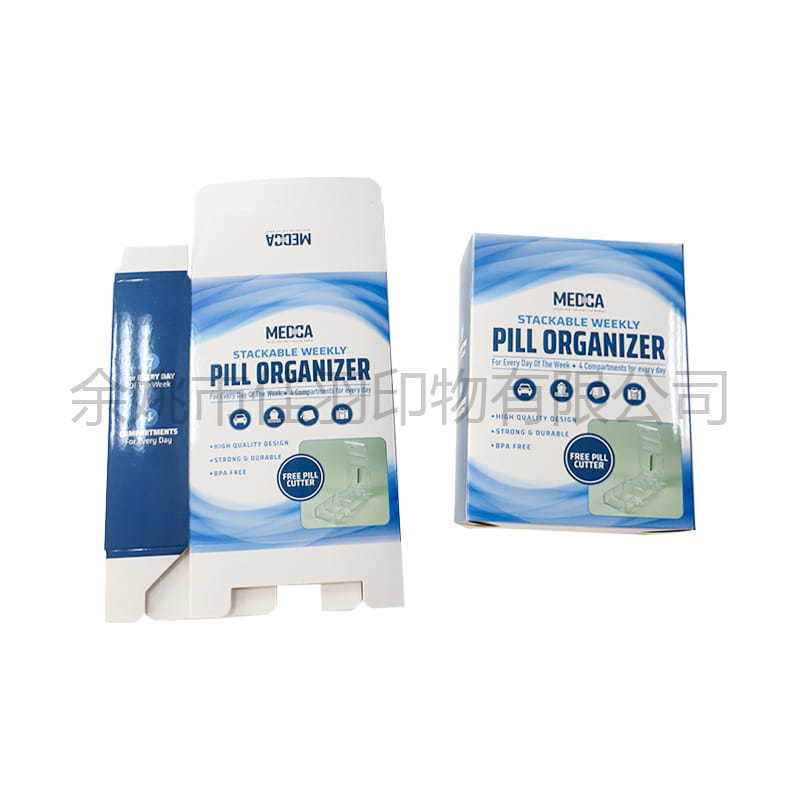
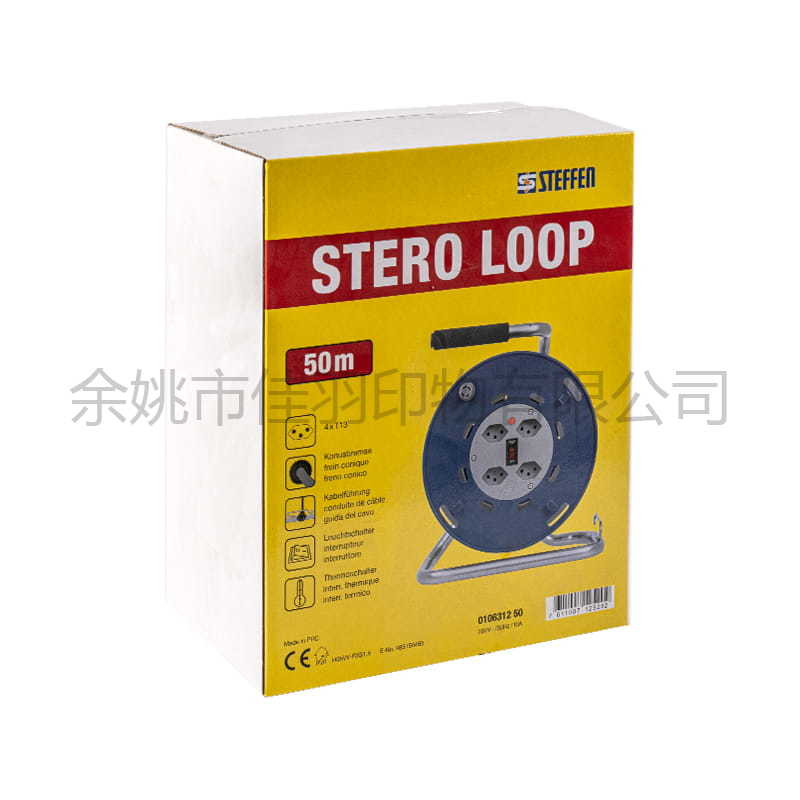
On a packaging line the weight decision usually arrives before the artwork does. A 298 gsm coated card is the standard choice for a folding carton that has to hold its shape on a retail shelf, while a 250 gsm sheet is enough for a sleeve or a collar.
When a pack has to survive pallet stacking and a rough parcel journey, the specification stops being a single weight and becomes a construction, where liner weights, flute profile, and board grade take over and a 110 lb figure has no equivalent in that language.
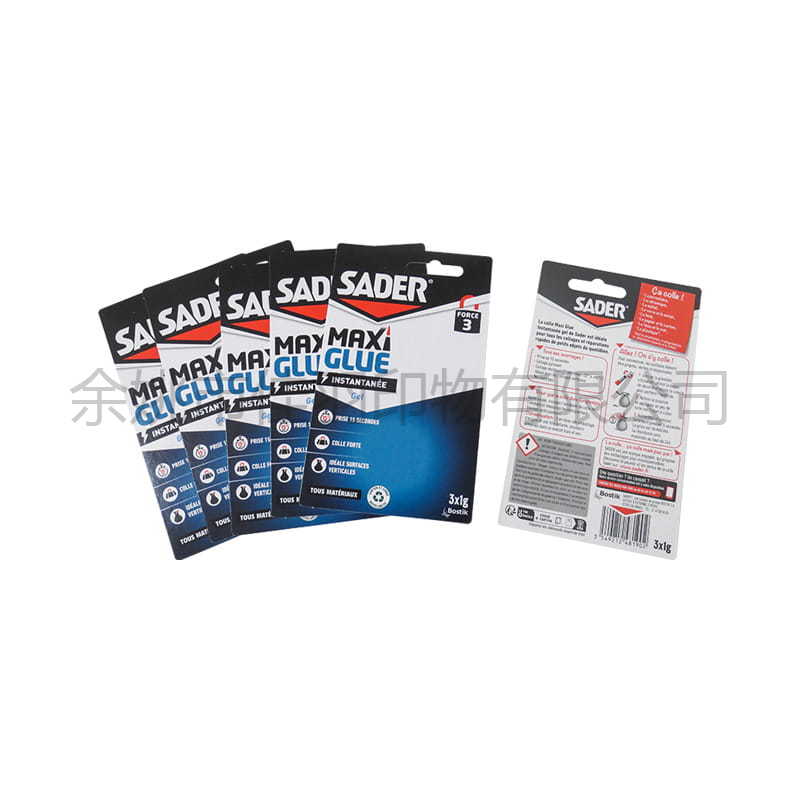
Retail hanging cards are a different problem again: the card must stay flat after the blister is sealed, hold a punch hole without tearing, and print cleanly across a coated surface.
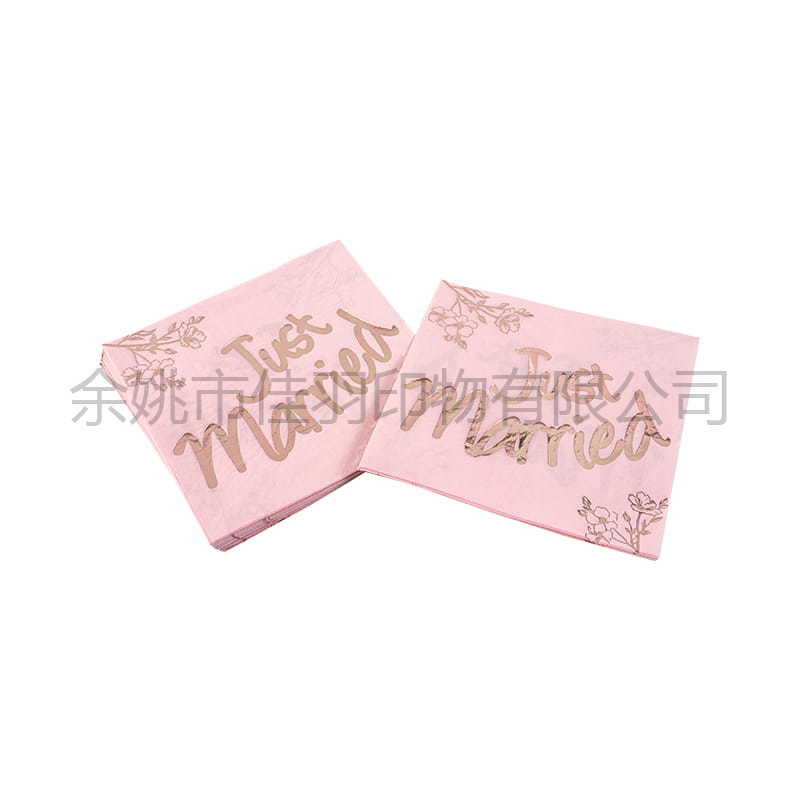
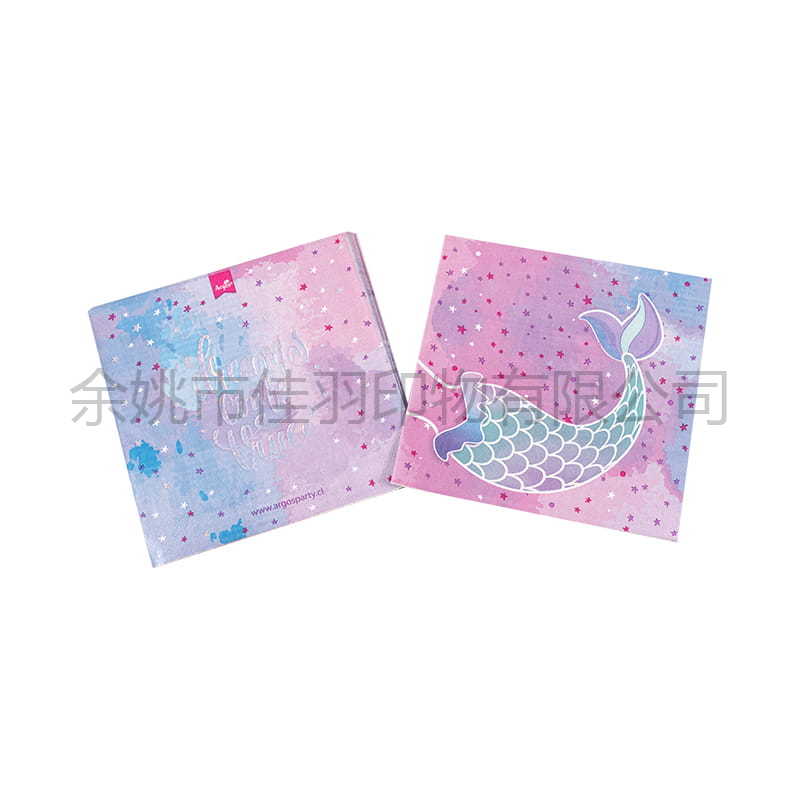
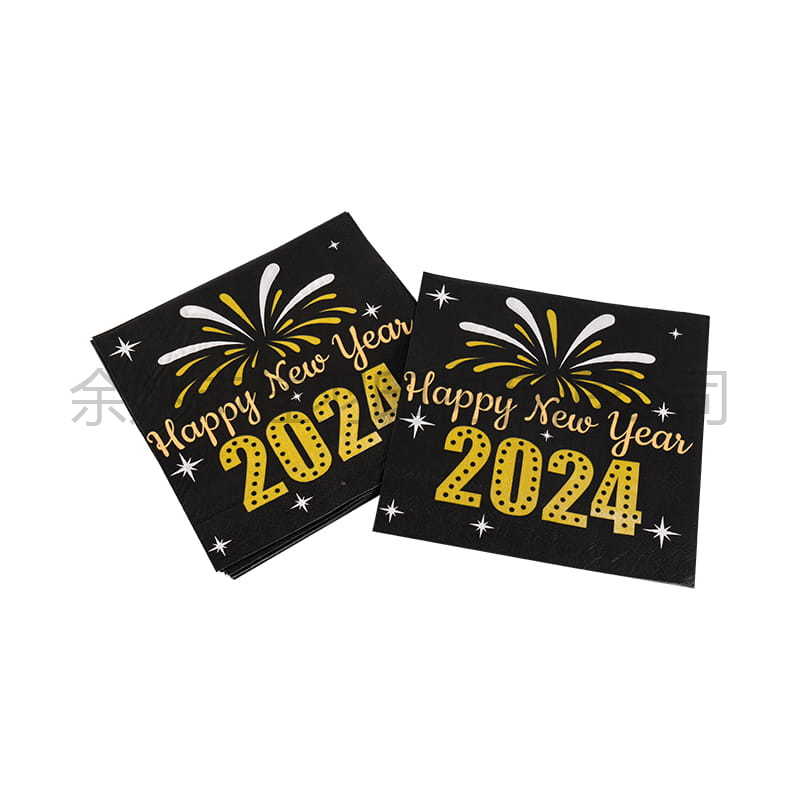
Weight also travels in the other direction. Paper napkins in the 25 x 25 cm and 33 x 33 cm ranges are listed by the gram, with 18 g as the common figure, and drinking cups are quoted by ounce and board weight rather than pounds. Mixed specifications are normal in this trade, and the practical answer is to put both numbers on the document. Buyers who want the printing side of the same question can start with how printing technique and paper selection meet on the shop floor.
A Short Checklist Before Approving a Stock
Write both numbers together, for example 110 lb cover, 298 gsm. One without the other invites a confirmation email or a wrong shipment.
Add a caliper or point target, because two 298 gsm sheets with different bulk will not fold the same way.
State the acceptable weight tolerance, usually plus or minus 5 percent, and the grade it applies to.
Name the basis sheet or mill grade when the paper is ordered in pounds, and ask for the gsm equivalent when it is not.
Confirm grain direction plus the folding or scoring requirements for cartons, covers, and cards.
Request a sample and run a fold, score, and print test before the full run, since results from uncoated board rarely transfer to coated board.
Common Questions About 110 lb and GSM
Is 110 lb cover the same as 300 gsm?
Close enough for ordering, precise enough for most jobs. The accurate conversion is 297.9 gsm, and the trade rounds it to 298 or simply calls it 300 gsm cardstock.
What is 110 lb text in gsm?
About 163 gsm, using the text multiplier of 1.48 grams per pound. It is a completely different sheet from 110 lb cover and cannot be swapped in without changing caliper, stiffness, and often the whole packaging structure.
Can I convert gsm into millimeters?
Not directly. Caliper depends on bulk, coating, and how hard the sheet was calendered, so a 300 gsm coated board and a 300 gsm uncoated board can differ by roughly 0.05 mm. Ask for both the weight and the caliper, and treat them as two separate specifications.
Converting 110 lb to gsm takes one line of arithmetic: for cover stock, 110 multiplied by 2.708 gives 298 gsm. The work is in the two words around the number, because cover, text, index, bristol, tag, and bond all convert differently, and none of them can stand in for another without changing the finished piece. Specify the grade, the metric weight, and the caliper, and the argument about pounds ends before the first proof. A look at our printing and packaging capabilities shows how the press room and the paper converting floor fit together on one production site.
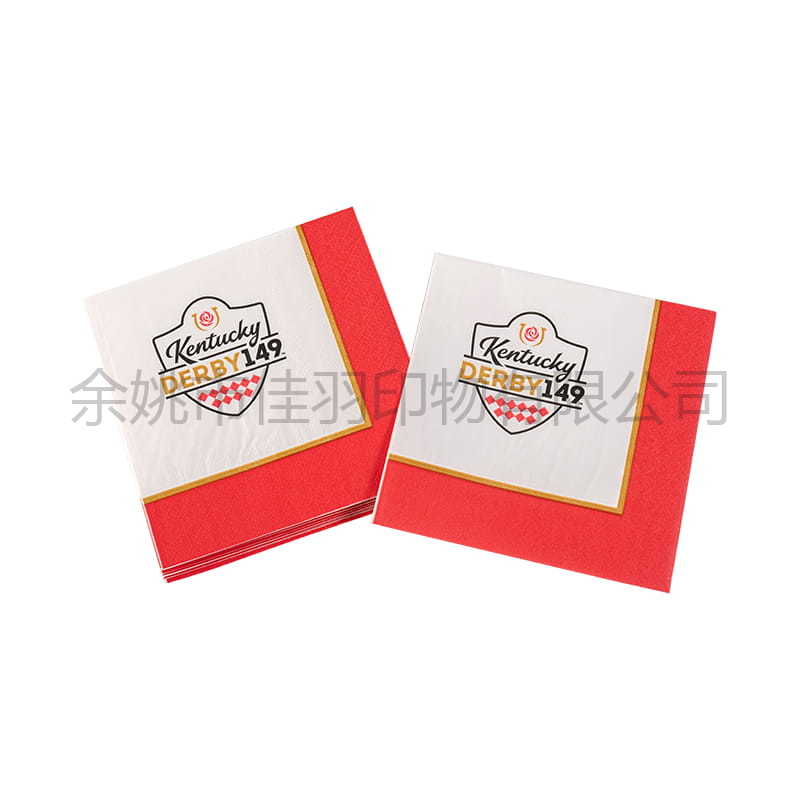
25cm KD printed paper towels have a variety of advantages, at the same time, the pattern on the napkin can be customized according to any requirements, whether it is a floral design, geometric pattern...
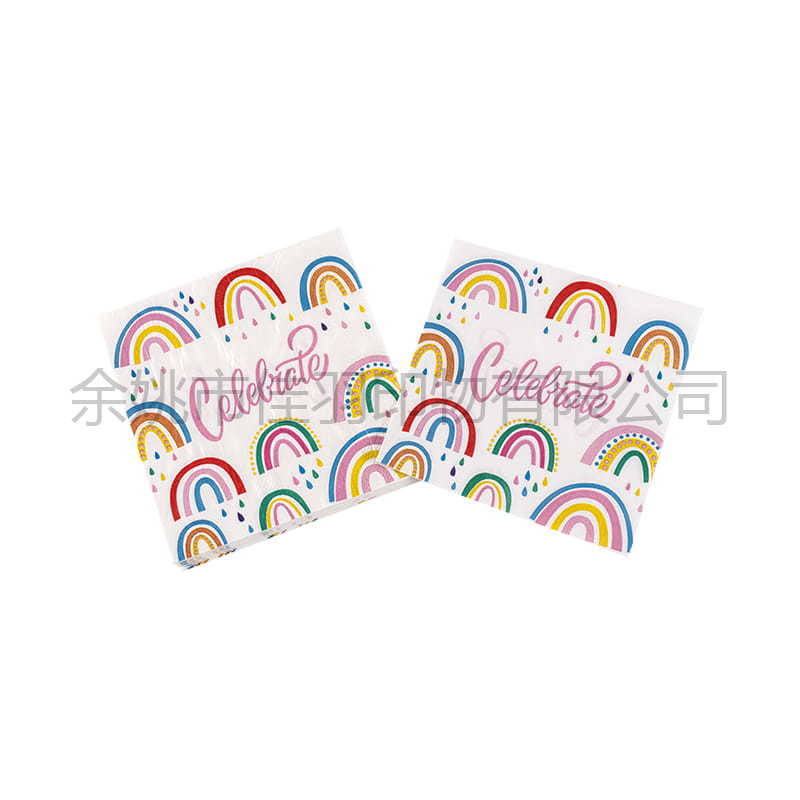
25cm Rainbow Print Napkin- This napkin is specially designed for holiday celebrations, specially designed napkins with print, rainbow print is full of joy and celebratory feelings.
The print on it ca...
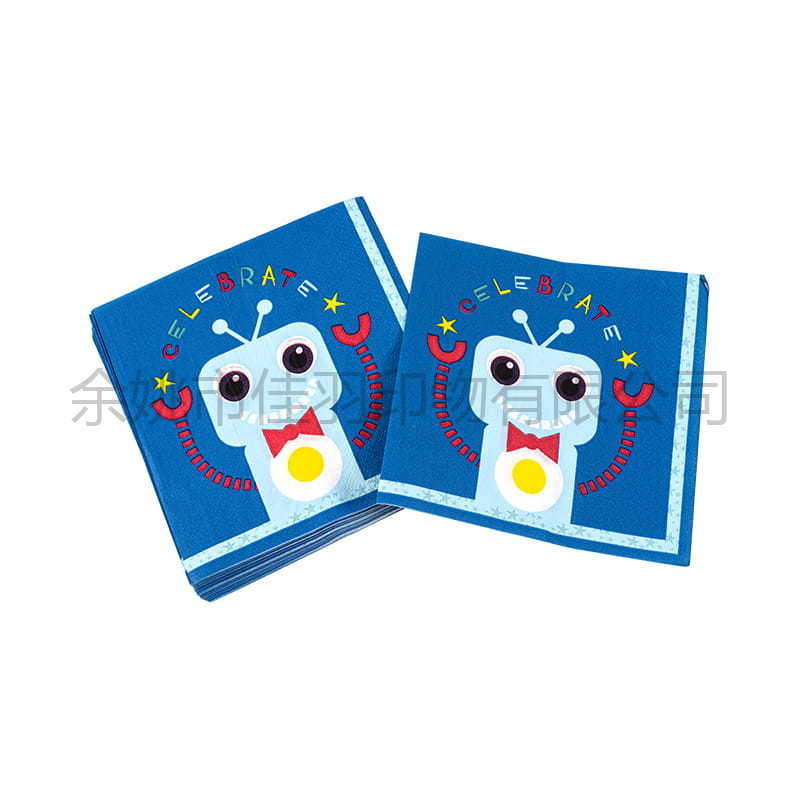
This is a 25cm*25cm napkin printed with the logo of a cute robot, this robot napkin is a must-have item on the children's table. Fun robot-themed prints add a futuristic touch to your packaging, in ad...
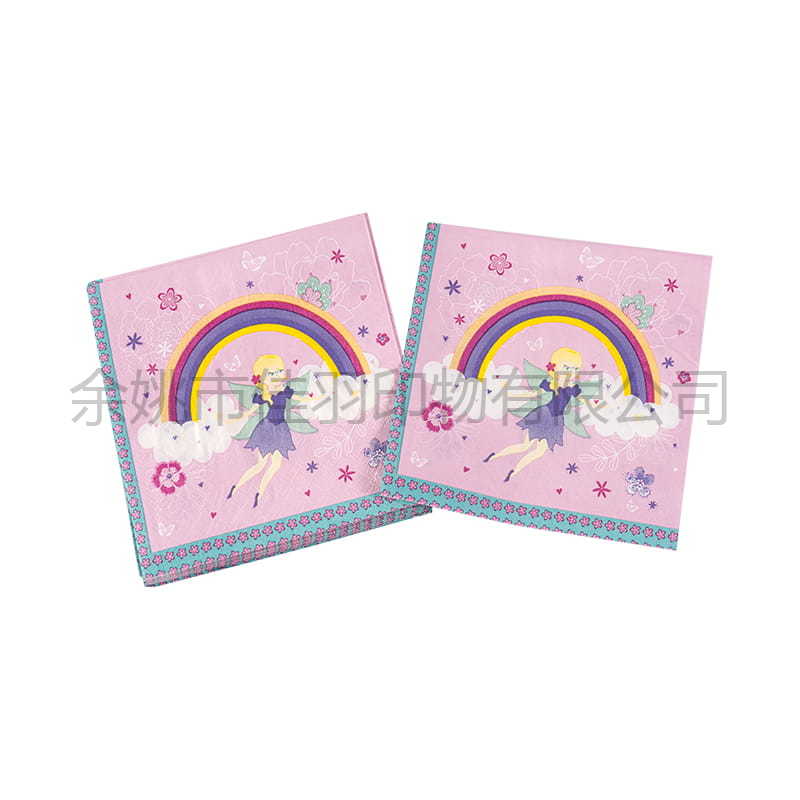
The 25cm fairy print tissue is designed to enhance the overall experience of women. The unique fairy-themed print not only gives the paper towel an eye-catching look but can also be customized to your...
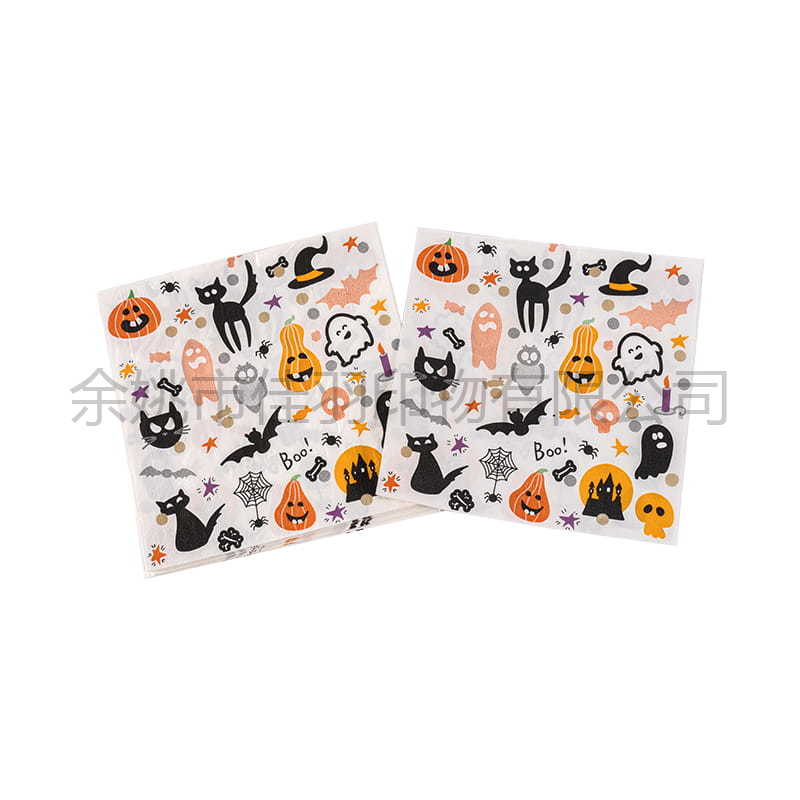
Designed for Halloween, this tissue is sized to handle a variety of packaging needs, from small Halloween gifts to grand celebrations. The design incorporates an intriguing Halloween element, making e...
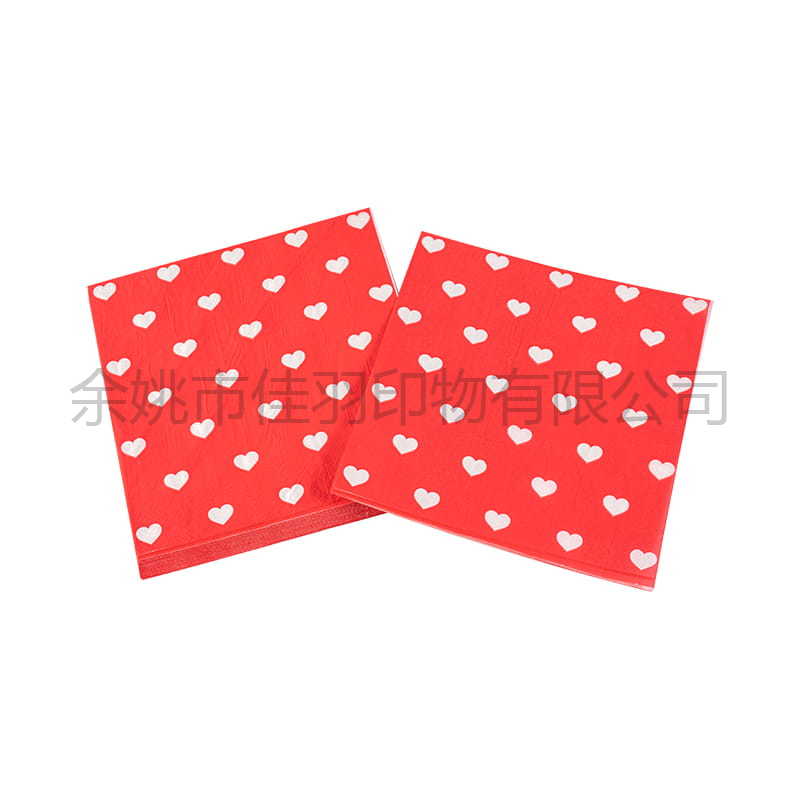
This special Valentine's Day tissue is covered with small hearts and covers the entire tissue. We designed this 33cm Valentine's Day tissue, each one has a lot of small hearts so that your gift packag...
This 33cm bronzing embossed lace paper towel incorporates a delicate embossing process, which is soft and comfortable, and has good water absorption. At the same time, the interesting colors and delic...
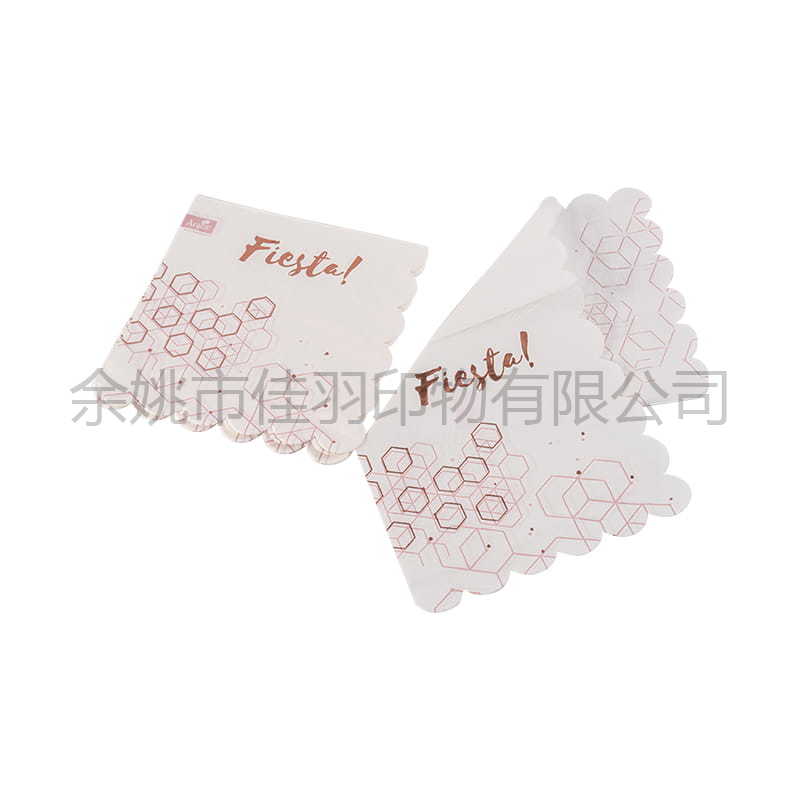
The 33cm hot rose gold paper towel comprehensively considers many factors such as material, environmental protection, practicality and appearance design. Inject a touch of artistic quality into everyd...
The 33cm hot silver paper towel adopts a unique hot silver stamping process, and its exquisite print design adds a lot of color to daily life, we are constantly paying attention to the comfort of the ...
The 33cm New Year paper towel is an eco-friendly and sustainable product that is made with eco-friendly materials, providing buyers with a more eco-friendly option. Unique print patterns can be custom...
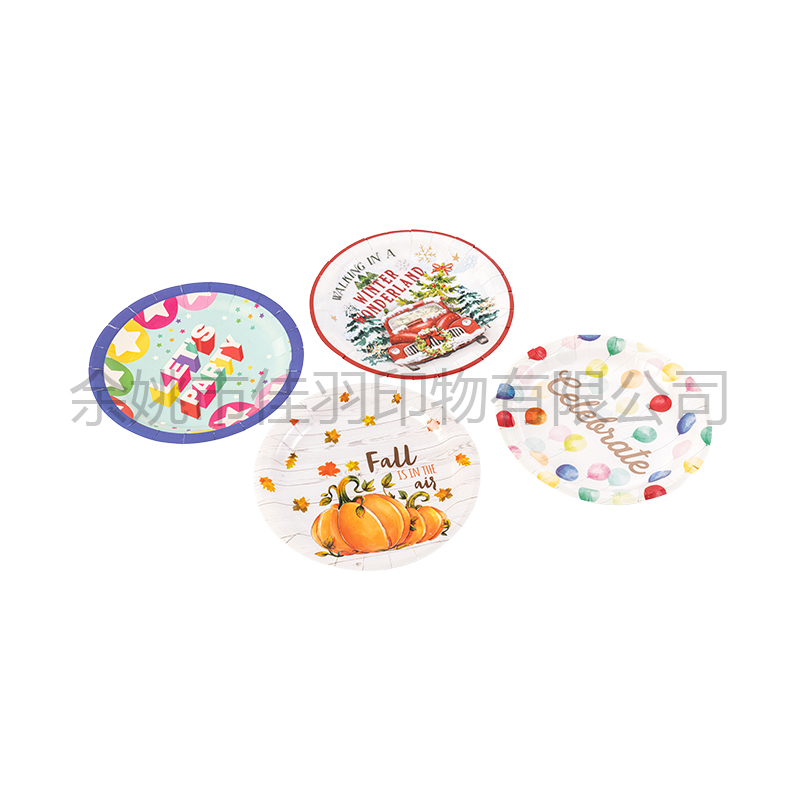
The 7-inch round paper plate, with a diameter of 17.8 cm (Φ17.8), is a common tableware and supplies, usually used for parties, parties, catering occasions, etc.
Material: The 7-inch round paper tray...
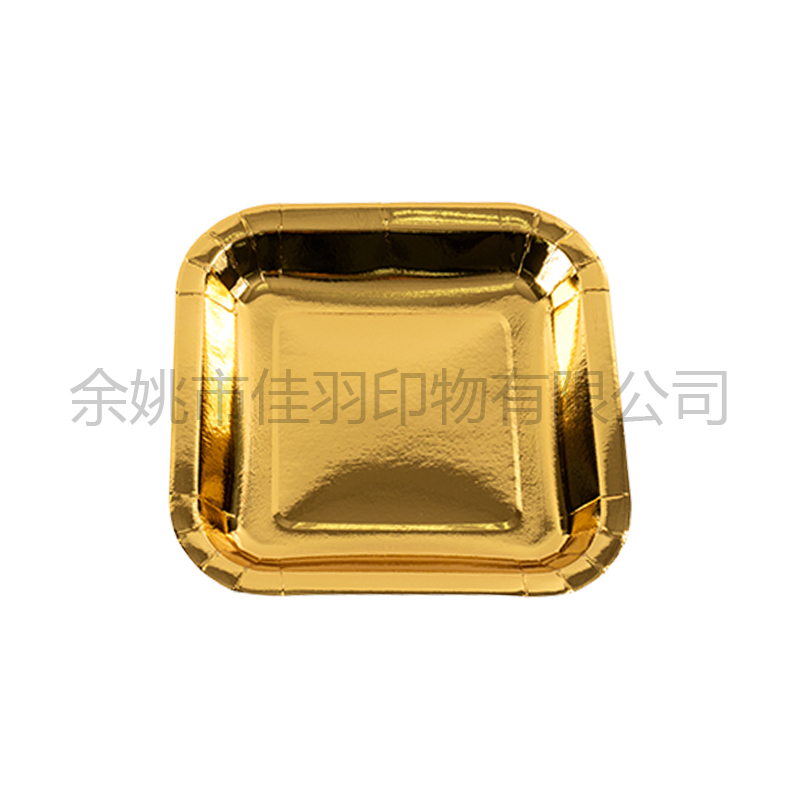
8-inch gold square paper plate to add a luxurious atmosphere to your special occasion. This clever design of this square paper plate not only provides more space for food storage but also presents a m...
 English
 中文简体
中文简体 Español
 Deutsch
 No.71, Xiafan, Panxiang Village, Yangming Street, Yuyao City, China.
 491791889@qq.comsales@jiayuprint.com
 +86-13186866868
 +86-0574-62587484