A print spec arrives marked 120 gsm, the American supplier quotes it back as 80 lb, and a second supplier quotes the same sheet as 44 lb. Neither is wrong. For a text or book sheet, 120 gsm comes out near 80 lb. For a cover sheet, the same 120 gsm lands around 44 lb, and on a bond or writing sheet it reads about 32 lb. The pound value is not a property of the paper itself, it is the result of a basic size and a ream count. Without naming the paper grade first, asking what 120 gsm is in pounds has no single answer.
The Short Answer: 120gsm in Pounds by Paper Grade
A ream is 500 sheets of uncut stock. Once you know which basic size the mill used, the pound figure follows directly. Here is what 120 gsm equals across the grades most often quoted on North American specs and purchase orders.
120 gsm converted to pounds across common US paper grades, based on standard basic sizes and a 500 sheet ream.
| Paper grade |
Basic size, inches |
120 gsm equals |
Typical use |
| Bond, writing, ledger |
17 x 22 |
About 32 lb |
Letterheads, forms, office stationery |
| Text, book, offset |
25 x 38 |
About 80 to 81 lb |
Book pages, brochure inners, manuals, flyers |
| Cover |
20 x 26 |
About 44 lb |
Brochure covers, folders, postcards, hang tags |
Read on its own, that table looks as though 120 gsm describes three different sheets. It does not. The physical sheet is identical by mass in all three rows. What changes is the area the pound label is measured against.
Why the Same 120gsm Gives Three Different Pound Values
The pound is a weight, but in paper trade language lb refers to the weight of 500 uncut sheets at a fixed basic size. So 80 lb text means 500 sheets measuring 25 x 38 inches weigh 80 pounds. A 44 lb cover sheet is 500 sheets at 20 x 26 inches. The basic sizes differ because each grade was historically trimmed from a different parent sheet, and those habits stuck.
Metric weight works the other way around. Grams per square meter describes one square meter of paper with no reference to how the sheet will be cut, which is why gsm travels cleanly between countries and pound values do not. To convert within a grade, multiply the gsm figure by a factor that comes straight out of the basic size:
- Bond, writing, ledger: multiply gsm by 0.266
- Text, book, offset: multiply gsm by 0.676
- Cover: multiply gsm by 0.369
Run 120 gsm through each factor and the numbers land where the reference charts place them. Text paper gives 120 x 0.676, or 81.1 lb, which is why 80 lb text and 120 gsm are treated as the same sheet. Cover paper gives 120 x 0.369, or 44.3 lb. Bond paper gives 120 x 0.266, or 31.9 lb. Nothing about the paper changed, only the label.
Converting 120gsm in Both Directions
Specs travel in both directions, so it helps to hold the division in mind as well as the multiplication. Within a grade, divide the pound figure by the same factor to get back to gsm.
- 81 lb text divided by 0.676 returns 120 gsm
- 44 lb cover divided by 0.369 returns 119 gsm
- 32 lb bond divided by 0.266 returns 120 gsm
The one rule that matters is this: never carry a factor across grades. Applying the text factor of 0.676 to a cover sheet quoted at 44 lb would suggest a gsm of roughly 30, which is nowhere near the actual 120 gsm. Mixing factors between grades is the single most common source of error when a spec is rewritten from metric to imperial for a US printer.
A second practical point is tolerance. Paper weight is not held to a fraction of a gram. Mills allow a small percentage of variation around the nominal figure, and moisture content shifts the feel of a sheet between a dry winter warehouse and a humid pressroom. A 120 gsm sheet that feels slightly soft on one delivery may feel firmer on the next, and that is normal rather than a defect.
Common Mistakes When Reading 120gsm Specifications
Most buying errors around 120 gsm come from ambiguity rather than arithmetic. Watch for these patterns.
- An imperial quote that says 80 lb without naming the grade. On text paper that is close to 120 gsm. On cover paper it is around 216 gsm, a much heavier and stiffer sheet. Always ask for the basic size or the grade name.
- Treating lb as a thickness. Thickness depends on bulk, coating and calendering. A 120 gsm coated matte sheet and a 120 gsm uncoated offset sheet can feel noticeably different in the hand even though their weights match.
- Comparing pound values between grades. Convert both sheets to gsm before comparing, otherwise the comparison is meaningless.
- Assuming cardstock has a fixed definition. In practice the word is used loosely, so a cardstock quote may be built on a text basic size rather than a cover one. Confirm the underlying grade.
- Ignoring the finish. Coating and embossing change how weight reads on press, especially for folding and scoring.
Where 120gsm Shows Up in Real Paper Products
In commercial printing, 120 gsm is a common inner page weight on uncoated and light coated stocks. It sits above 90 gsm, so it holds a fold with less show-through, but it stays flexible enough to run through a saddle stitched booklet without cracking. Product manuals, colour advertising sheets, catalogue inners and instruction leaflets are all typical homes for it.
Paper products label weight in their own ways, and the logic is the same. Paper napkins are usually described by their gram weight, with 18g being a standard figure. A decorative option such as a 33cm hot stamping embossed lace paper towel at 33 x 33cm and 18g per layer shows how a light sheet can still carry pressing and foil detailing without becoming stiff.
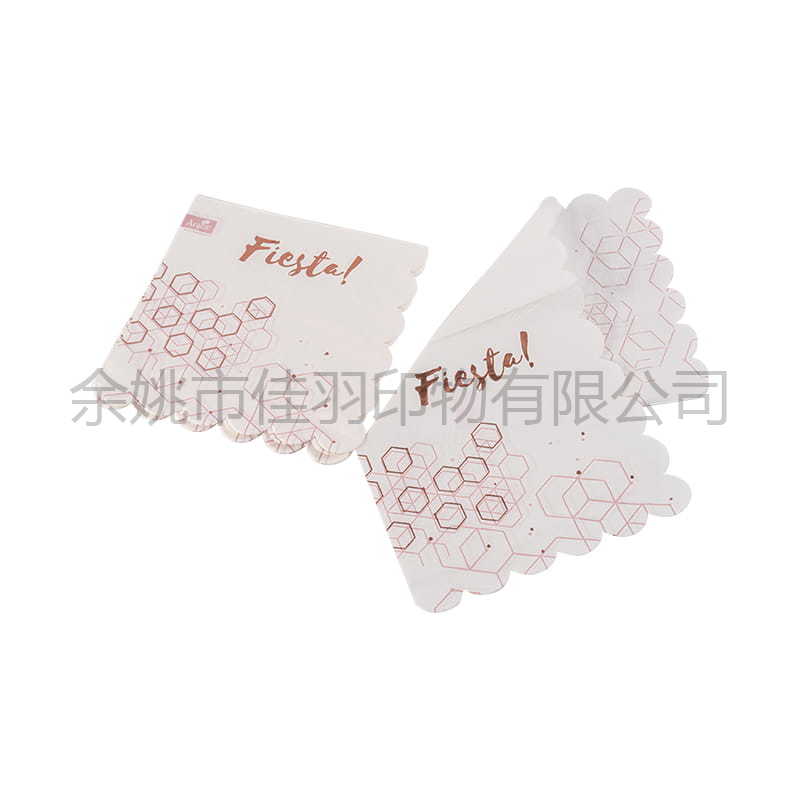 33cm Hot Stamping Embossed Lace Paper Towel (33x33 18g 2 Layers)WHY WE ARE SO TRUSTEDView Product →
Paper cups go the other way. They are formed from food grade board where the board weight drives stiffness, roll edge quality and how well the cup resists heat, and typical coffee cups sit far above the 120 gsm range. A 12oz coffee paper cup with an inner cup at a 9cm top, 6cm bottom and 11.2cm height is a good reference point for the board gauges used in hot drink service.
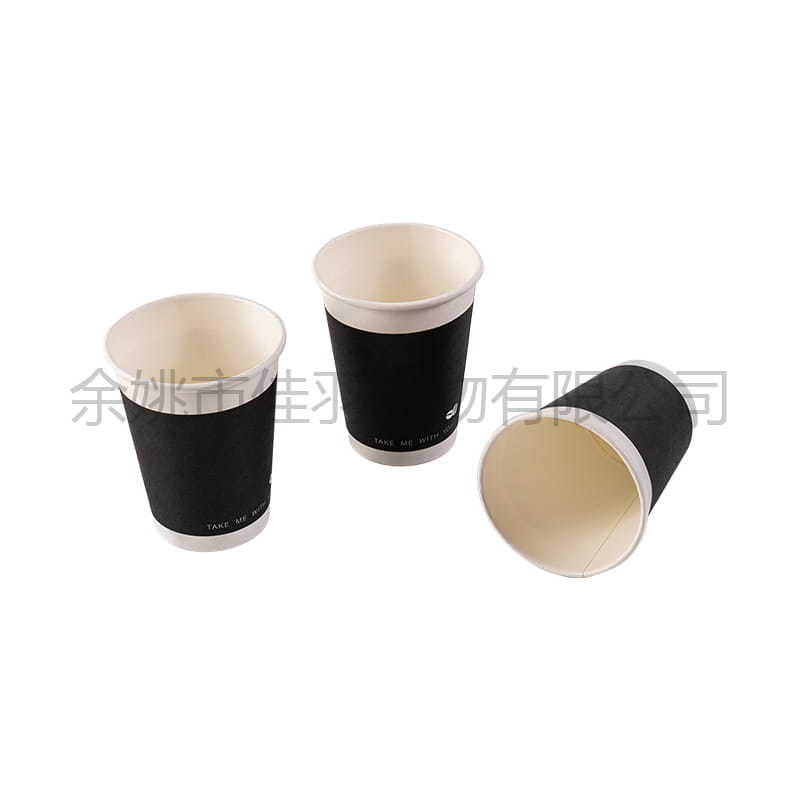 12oz Coffee Paper Cup (Inner Cup: Top 9, Bottom 6, Height 11.2)WHY WE ARE SO TRUSTEDView Product →
Folding cartons often use a light coated liner of roughly 120 gsm laminated onto a corrugated or grey board core, because the liner carries the printed artwork while the core supplies rigidity. A white card colour box is a typical structure built on exactly that split of jobs between liner and core.
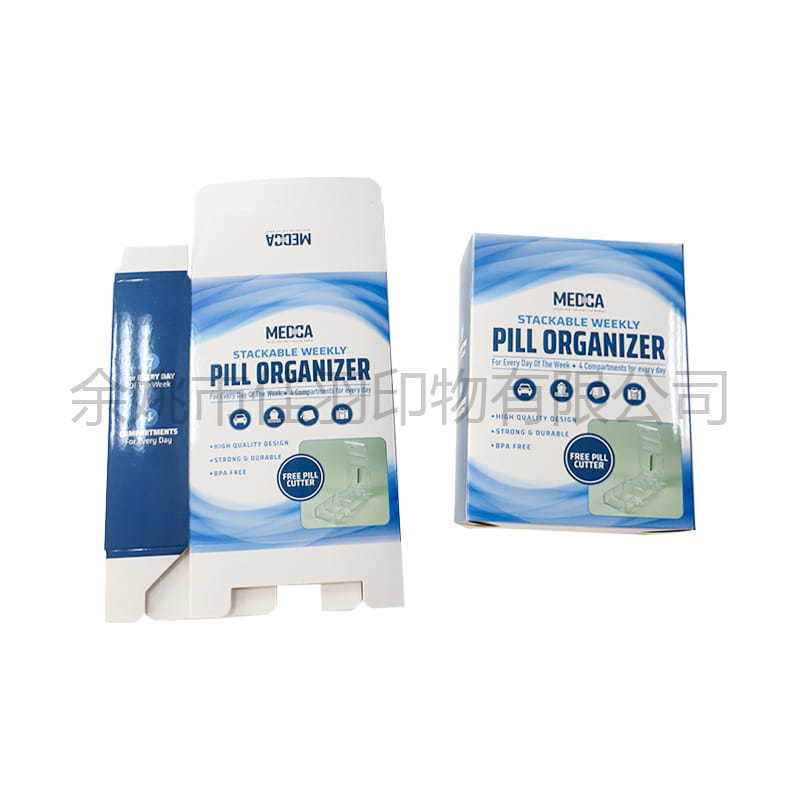 White Card Color Paper BoxWHY WE ARE SO TRUSTEDView Product →
Food contact board is a separate discussion again. Yuyao Jiayu Printing Co., Ltd. works with plastic free coated board, PLA coated board and PP coated board for its paper cups, plates and bowls, and the material choice affects both grease resistance and how the finished item is disposed of. The material comparison for food contact paper is worth reading alongside any weight specification, because coating type and gram weight are decided together.
How to Confirm a 120gsm Order with Your Supplier
A short checklist removes nearly all of the ambiguity before a job goes on press.
- Ask the supplier to state both the gram weight and the grade name in writing, for example 120 gsm text or 120 gsm cover.
- Request the basic size behind any pound value that appears on the quote.
- Confirm the thickness and finish, not just the weight, since coating and calendering change how the sheet handles folds and scores.
- Order a physical sample. Gram weight tolerance and moisture mean a 120 gsm sheet can feel different between deliveries.
- Check the conversion again in gsm before comparing two quotes, so both prices describe the same sheet.
Handled this way, a 120 gsm inquiry stops being a translation problem and becomes a normal specification decision. You know you are buying an inner page weight at roughly 80 lb text, or a light cover weight at roughly 44 lb cover, and the price you compare is finally for the same paper.
The conversion itself takes seconds. What takes judgement is deciding which grade the 120 gsm belongs to in the first place, because that choice sets the fold behaviour, the print result and the cost. Whether the job is a booklet inner, a folding carton liner or a paper cup board, the safest habit is to write both the gsm and the grade on every document that leaves your desk. Suppliers who print, die cut and assemble paper products across packaging and food service ranges handle that translation daily, and you can review the full range of printed paper products to see how weight classes map onto finished items.

 English
 中文简体
中文简体 Español
 Deutsch



 No.71, Xiafan, Panxiang Village, Yangming Street, Yuyao City, China.
 491791889@qq.comsales@jiayuprint.com
 +86-13186866868
 +86-0574-62587484