A European buyer sends a spec that says 150 gsm. A US printer answers with a quote for 100 lb text. Those two numbers describe nearly the same sheet, because 150 gsm works out to about 101 lb text. Switch the grade to cover stock and the same 150 gsm becomes roughly 55 lb. Switch it to bond and it lands at 40 lb.
The working answer is therefore not one number. 150 gsm equals about 101 lb text, 55 lb cover, 40 lb bond, 68 lb bristol, 83 lb index, and 92 lb tag. What follows explains how those figures are produced, where a 150 gsm sheet is used in real printing and packaging, and which conversion mistakes quietly change what a buyer receives.
150 GSM to LB: The Short Answer
Two formulas cover most print and packaging work. To move from pounds to grams per square meter, multiply the pound value of text paper by 1.48, or the pound value of cover paper by 2.708. To go the other way, divide. 150 gsm divided by 1.48 gives about 101 lb text, and 150 gsm divided by 2.708 gives about 55 lb cover.
Bond, bristol, index, and tag stock each sit on their own parent sheet size, so each needs its own divisor. The table below collects the grades a buyer is most likely to be offered.
150 gsm converted to pound values across common paper grades, based on 500-sheet reams of each grade's standard parent sheet size.
| Paper grade |
Parent sheet size (inches) |
Pounds to gsm multiplier |
150 gsm is about |
Typical uses |
| Bond and writing |
17 x 22 |
3.76 |
40 lb |
Letterheads, forms, envelopes, office paper |
| Text and book |
25 x 38 |
1.48 |
101 lb |
Flyers, brochures, book blocks, posters |
| Cover |
20 x 26 |
2.708 |
55 lb |
Covers, postcards, hang tags, menu covers |
| Bristol |
22.5 x 28.5 |
2.19 |
68 lb |
Dividers, cards, covers, tags |
| Index |
25.5 x 30.5 |
1.81 |
83 lb |
Index cards, tabs, record cards |
| Tag |
24 x 36 |
1.63 |
92 lb |
Tags, folders, light board items |
In everyday quoting, round numbers do the job: 150 gsm is a 100 lb text sheet or a 55 lb cover sheet. The rest is detail that matters when weight decides how a fold, a card, or a carton behaves.
Why There Is No Single Pound Value for 150 GSM
Grams per square meter is an absolute measure. One square meter of a 150 gsm sheet weighs 150 grams, whoever made it and however the parent sheet was cut, which is why metric specifications travel well between countries.
Pounds work differently. A pound figure is a basis weight: the weight of one ream, normally 500 sheets, of the uncut parent sheet that the grade is sold in. Those parent sizes differ. Text paper is defined on a 25 x 38 inch sheet, cover stock on 20 x 26 inches, bond on 17 x 22 inches. A 500-sheet ream of 25 x 38 text covers about 306 square meters, so 100 lb of that stack works out to roughly 148 gsm. A ream of 20 x 26 cover stock covers only about 168 square meters, so a far lighter 55 lb stack delivers the same 149 gsm.
Two details that shift the numbers
Legacy conversion charts sometimes assume 480-sheet reams rather than 500, which moves pound values by about four percent. Mills also rarely hit a grammage target exactly; a tolerance of plus or minus 5 percent is normal, so a sheet sold as 150 gsm may test between about 142 and 158 gsm. Paper is weighed at 23 C and 50 percent relative humidity for that reason.
Where a 150 GSM Sheet Lands in Real Print Jobs
At 150 gsm, text paper sits in the middle of the printing range. It is heavy enough for color on both sides without obvious show-through, and light enough to fold, mail, and bind. Typical work includes double-sided flyers, brochure text pages, posters, book blocks for manuals, and mailers. Regular posters are often specified as 100 lb text, which is the same sheet as 150 gsm under a different name.
Two notes from the press floor. Coated stock at this weight should be scored before folding, because a hard fold cracks the coating along the spine. And an uncoated 150 gsm sheet feels noticeably thicker in the hand than a coated 150 gsm sheet, even though both labels read the same.
From 18 GSM Napkins to Heavy Board: The Same Logic at Other Weights
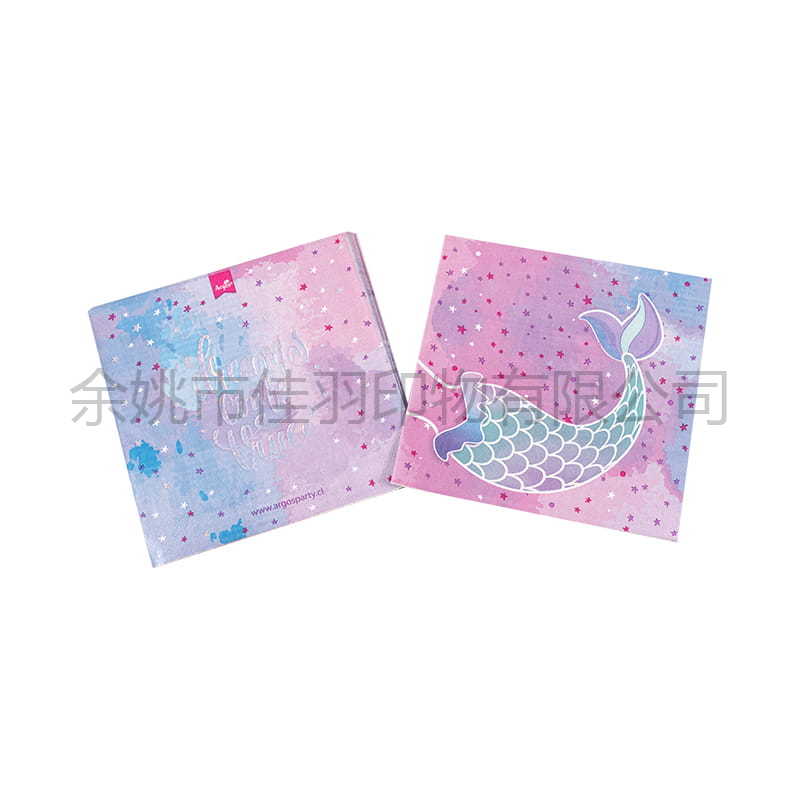
Paper tableware shows how wide the scale really runs. A two-ply napkin is usually built from 18 gsm tissue, so it takes eight or nine plies to equal one 150 gsm text sheet, which is a useful reminder that a single grammage figure says nothing until you know the product it belongs to.
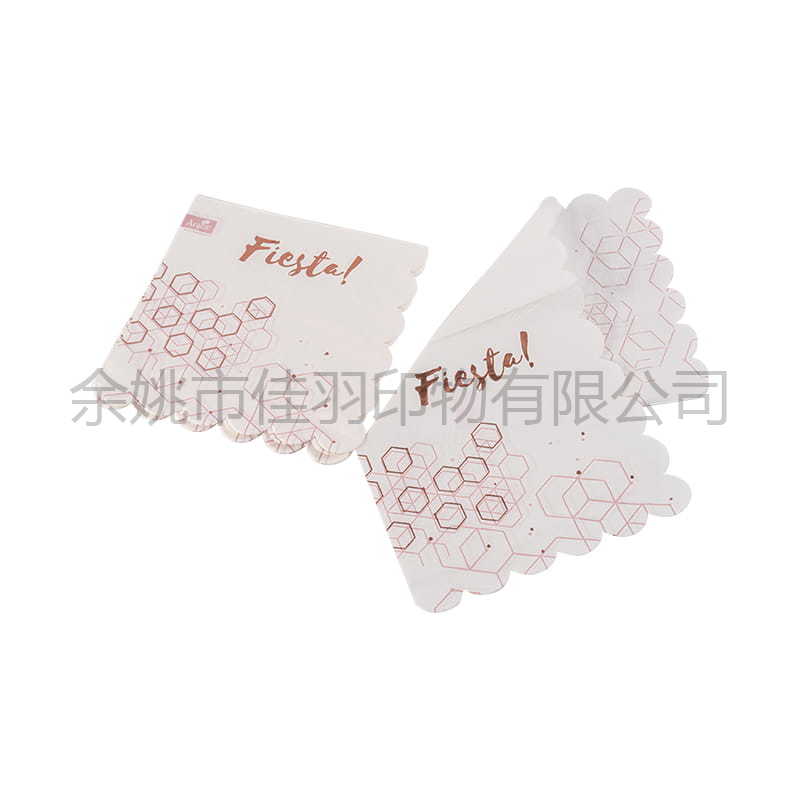 33cm Hot Stamping Embossed Lace Paper Towel (33x33 18g 2 Layers)WHY WE ARE SO TRUSTEDView Product →
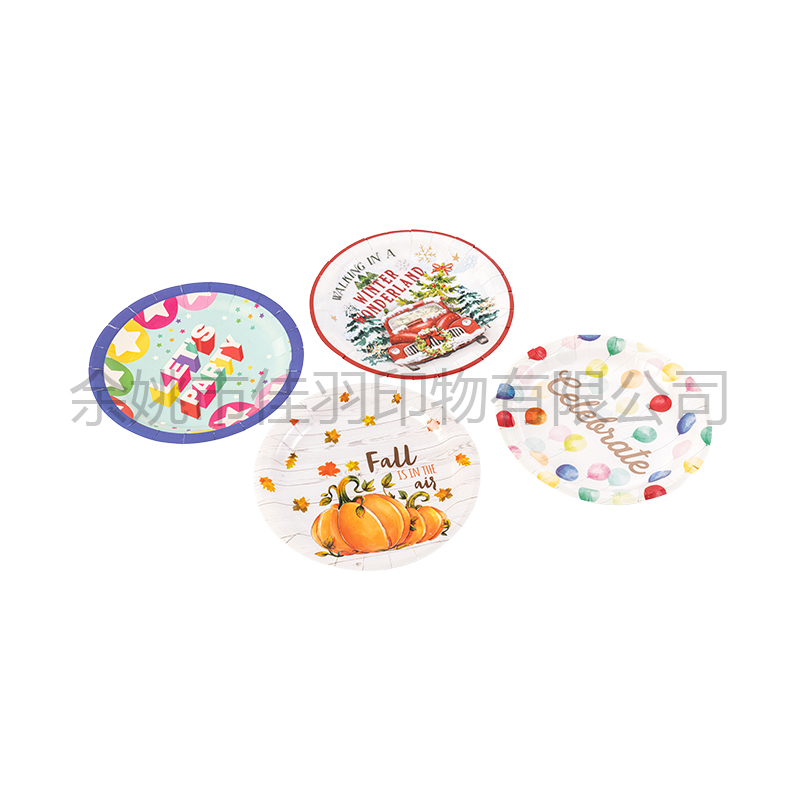
Drinkware and plates sit at the other end of the range. A coffee cup wall is often board between roughly 190 and 300 gsm before coating, and plate stock usually runs above a 150 gsm printing sheet, which is why tableware is quoted in grams rather than pounds. Food contact grades add one more variable: paper cups and bowls can be coated with PP or PLA instead of polyethylene, and the coating type changes both the weight of the finished item and how the board forms in a die.
Text, Cover, Bond, and Bristol: The Grades Buyers Mix Up
Most conversion errors come from mixing grades, not from bad arithmetic. Two examples show why the grade label matters as much as the number.
- 100 lb text is about 148 gsm, while 100 lb cover is about 271 gsm. One number, two sheets that differ by nearly a factor of two.
- 55 lb text is only about 81 gsm, far lighter than 55 lb cover at roughly 149 gsm. Ordering the wrong grade for a 150 gsm job delivers stock that is about 45 percent lighter.
Heavier grades follow the same pattern. A 65 lb cover sheet is about 176 gsm and a 100 lb cover sheet is about 271 gsm, which is why retail cartons, plate board, and tray board are normally specified in grams per square meter and then checked against caliper.
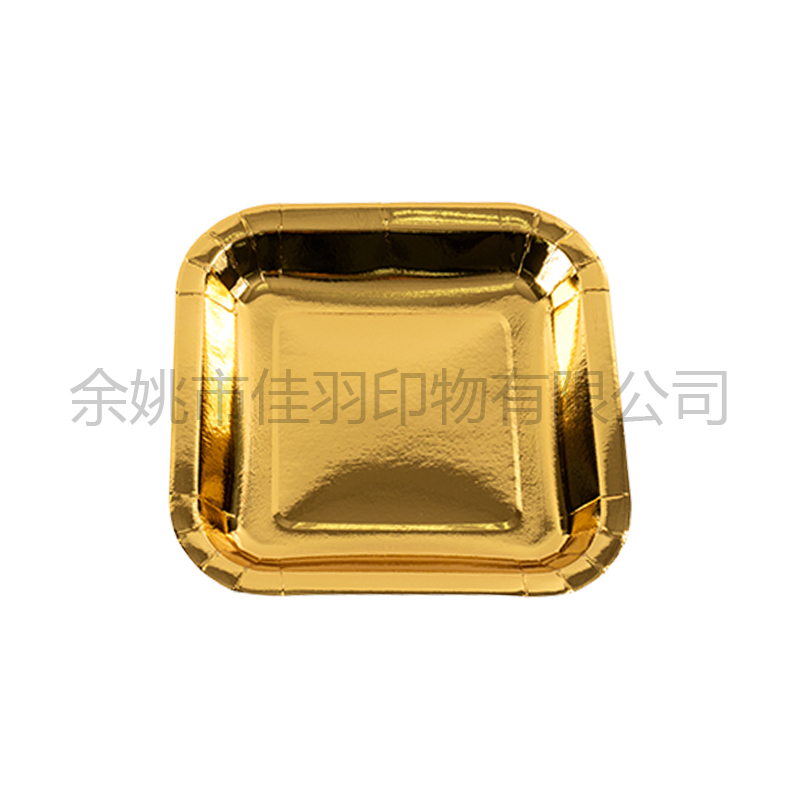
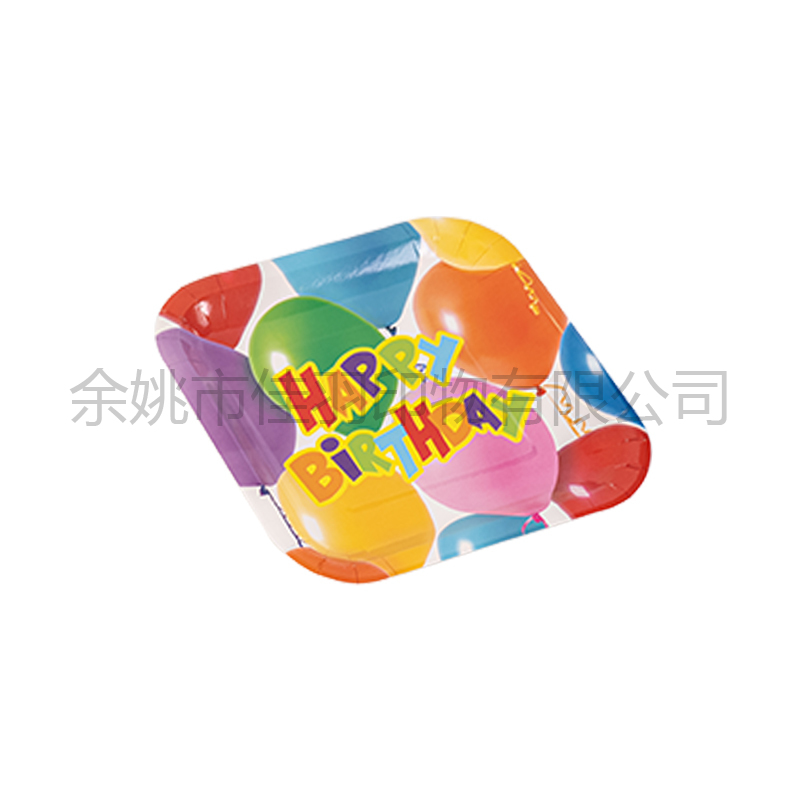 10 Inch Square Paper Tray ( 10 Inch Square Plate Φ23.4)WHY WE ARE SO TRUSTEDView Product →
Caliper, Bulk, and Folding: What 150 GSM Feels Like
Grammage is a mass, not a thickness, so there is no fixed gsm to millimeter conversion. Caliper is measured in micrometers or in points, where one point equals 0.001 inch, about 0.025 mm. A coated 150 gsm text sheet typically measures around 0.12 to 0.14 mm. A bulky uncoated sheet at the same 150 gsm can reach 0.17 to 0.19 mm.
That gap matters because stiffness rises sharply with caliper. The thicker sheet feels like a heavier card even at identical grammage, and it also takes more space in a shipping carton. For cartons, inserts, and cards, ask for caliper alongside grammage before approving a stock.
Buying or Quoting Against a 150 GSM Spec
A short checklist removes most of the risk when a specification arrives as 150 gsm.
- Confirm the grade and the parent sheet size, not only the pound figure.
- Ask for caliper as well as grammage when stiffness matters.
- Confirm the mill tolerance, which is commonly plus or minus 5 percent.
- Check whether the pound value refers to text or cover stock before comparing prices.
- Request a sample or dummy for folding, scoring, and stiffness tests.
- For food contact items, confirm the coating type, because PP, PLA, and uncoated board all change weight and performance.
Folding cartons and gift boxes generally run above 250 gsm, so a 150 gsm figure rarely describes the box itself, but the same arithmetic decides what the sleeve, insert, or printed card inside it weighs.
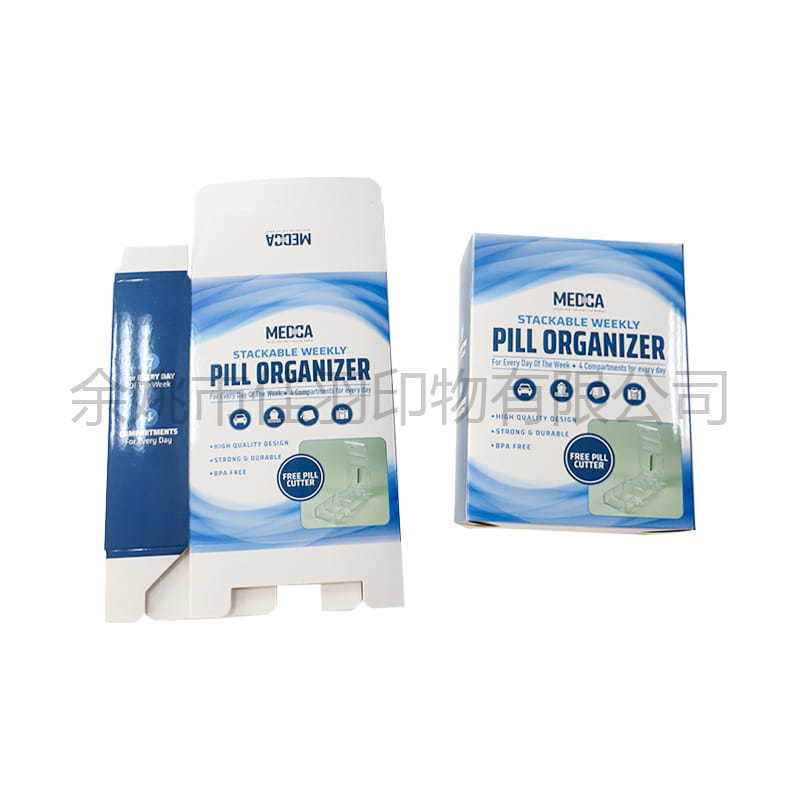 White Card Color Paper BoxWHY WE ARE SO TRUSTEDView Product →
When a metric specification has to line up with a pound based quote, it pays to check the numbers against the stock actually on the press, which is part of how we prepare print and packaging jobs before a run is scheduled.
150 gsm converts to about 101 lb text, 55 lb cover, 40 lb bond, 68 lb bristol, 83 lb index, and 92 lb tag, and that spread is not a rounding problem. Pound values are basis weights tied to parent sheet sizes that change from grade to grade, while grams per square meter stays fixed. When a spec arrives as 150 gsm and a quote returns as 100 lb text, both sides mean the same sheet. When the quote says 100 lb cover, they do not, and that is worth settling before the paper is ordered.
 English
 中文简体
中文简体 Español
 Deutsch

 No.71, Xiafan, Panxiang Village, Yangming Street, Yuyao City, China.
 491791889@qq.comsales@jiayuprint.com
 +86-13186866868
 +86-0574-62587484