80 lb to GSM: Paper Weight Conversion Explained for Print and Packaging
2026-08-28
Order 80 lb paper without saying whether it is text or cover, and the manufacturer could send you a sheet that is almost twice as heavy as you expected. In the US paper system, 80 lb text converts to 118.4 gsm, while 80 lb cover converts to 216.64 gsm. That is a gap of more than 98 gsm, which is the difference between a light brochure page and a stiff greeting card. Understanding the conversion from 80 lb to gsm matters because it decides how your print job feels, how it handles ink, and how long it survives daily use. This guide walks through both formulas, shows 80 lb on the wider paper weight scale, and explains which grade fits different printing and packaging tasks.
What Does 80 lb Mean Before You Convert It to GSM?
The pound label on US paper does not refer to one universal sheet. It comes from the basis weight system, where 500 sheets of a particular size define the ream weight. Text paper uses a standard sheet of 25 by 38 inches, while cover paper uses a standard sheet of 20 by 26 inches. A ream that weighs 80 lb under the text standard and a ream that weighs 80 lb under the cover standard are therefore two completely different materials. The pound unit only makes sense when you also know the grade.
GSM, or grams per square meter, removes that ambiguity. It measures the weight of one square meter of a single sheet, regardless of how the paper is cut or folded. That is why international suppliers, printing plants, and foodservice manufacturers prefer gsm. When a napkin supplier lists a tissue as 18 grams, it means 18 gsm even though the folded napkin is only 25 by 25 cm. The same logic lets you compare a US 80 lb sheet with any metric sheet directly.
The Two Formulas for Converting 80 lb to GSM
Because text and cover paper measure different base sizes, they need separate conversion multipliers.
Two paper grades share the same label but produce very different gsm values.
Paper Grade
Multiplier
80 lb Result
Text
1.48 gsm per pound
118.4 gsm
Cover
2.708 gsm per pound
216.64 gsm
To convert any text weight, multiply the pound value by 1.48. For cover paper, multiply by 2.708. These numbers come from comparing the area of each standard sheet with the metric weight of that ream. For example, 80 lb text equals 80 multiplied by 1.48, which is 118.4 gsm. The same pounds in cover paper give you 80 multiplied by 2.708, or 216.64 gsm.
80 lb Text to GSM: The Answer Is 118.4
Eighty-pound text paper converts to 118.4 gsm, commonly rounded to 118 or 120 gsm in product literature.
This horizontal bar chart places 80 lb text alongside other common text paper weights. Each bar is calculated with the 1.48 multiplier, so the gsm value on the right is directly comparable. The 80 lb bar sits near the upper end of the range, just short of the 100 lb bar at 148 gsm. The space between 60 lb and 80 lb equals about 29 gsm, which is enough to notice in stiffness and opacity. By comparison, standard office copier paper is usually 80 to 100 gsm, so 80 lb text is a step above everyday printing paper. This is why the weight feels premium in the hand but still folds easily.
This weight is a popular choice for premium flyers, presentation folders, magazine inserts, and corporate letterhead. It runs reliably through laser and inkjet printers, which makes it equally useful for short-run proofs and finished runs. Designers also like 118 gsm because it folds cleanly without cracking, unlike heavier cover stock. If you want a professional feel without the cost of thick paper, 80 lb text is a safe middle ground.
80 lb Cover to GSM: The Answer Is 216.64
Eighty-pound cover paper converts to 216.64 gsm, usually rounded to 217 gsm.
The column chart puts 80 lb text and 80 lb cover side by side with two other common weights. The same 80 lb number produces a column that is nearly twice as tall when the grade changes from text to cover. Eighty-pound cover reaches 217 gsm, which is heavier than 100 lb text at 148 gsm. Cover stock is designed to stand upright, hold creases, and resist bending, so it needs more fiber per square meter. The dashed line at 118 gsm shows exactly how tall the text sheet would be if the cover sheet were the reference. Forgetting to specify the grade can send your order to the wrong end of this chart, resulting in reprints and wasted material.
At 217 gsm, 80 lb cover behaves like a light cardstock. It is the standard choice for business cards, postcards, greeting cards, folding cartons, and hang tags. Printing on both sides shows very little show-through, and colors stay sharp across the sheet. Structural packaging, such as box bases and dividers, also uses this weight range. For disposable tableware, a similar gsm value appears in the sidewalls of coffee cups and the rims of serving trays.
See the Conversion Rate Across the Full Scale
Because both conversion formulas are linear, the relationship between pounds and gsm is easy to visualize.
The line chart shows the linear relationship behind both conversion formulas. The steeper line belongs to cover paper, which gains roughly 27.1 gsm for every 10 lb increase. The flatter line belongs to text paper, which gains about 14.8 gsm per 10 lb. Because both lines start at zero and rise steadily, you can estimate any conversion without a separate calculator. At 80 lb, the vertical gap between the two lines is about 98 gsm, which is why the grade name matters so much. Once you see the two lines diverge, the reason behind the two multipliers becomes intuitively clear.
The practical impact is easy to see in specific examples. A 65 lb cover sheet equals 176 gsm, while a 65 lb text sheet equals only 96 gsm. The grade you write on a purchase order is part of the specification. It also affects shipping weight, postage, and final cost. When a supplier quotes a job, the gsm value tells you the exact material thickness they plan to run.
Which One Should You Choose for Your Project?
Once you know that 80 lb text is 118 gsm and 80 lb cover is 217 gsm, the practical question becomes which one fits your application. The radar chart below compares the two grades with a lightweight 18 gsm tissue that is typical for disposable napkins.
The radar chart compares 80 lb text, 80 lb cover, and 18 gsm tissue across six practical properties. Eighty-pound cover dominates on opacity, stiffness, and print detail, which suits business cards and packaging. Eighty-pound text returns a balanced shape that handles folding well while still printing crisply. Eighteen gsm tissue, a standard weight for disposable napkins, is strongest on foldability and cost but weakest on structure. The shape of each polygon explains the trade-off at a glance: more rigidity means less flexibility. That is why the right choice depends on how the paper will be handled after it is printed, folded, or formed into a product.
When you choose between 118 and 217 gsm, also consider printing, finishing, postage, and binding. Heavier paper raises shipping cost and may require scoring before folding. Lighter paper is cheaper but can show printed content from the back side. Coated versions of 80 lb cover improve color saturation but add cost per sheet. In short, match the weight to the product structure, not just to the number on the packaging.
Why GSM Awareness Matters in Foodservice and Packaging
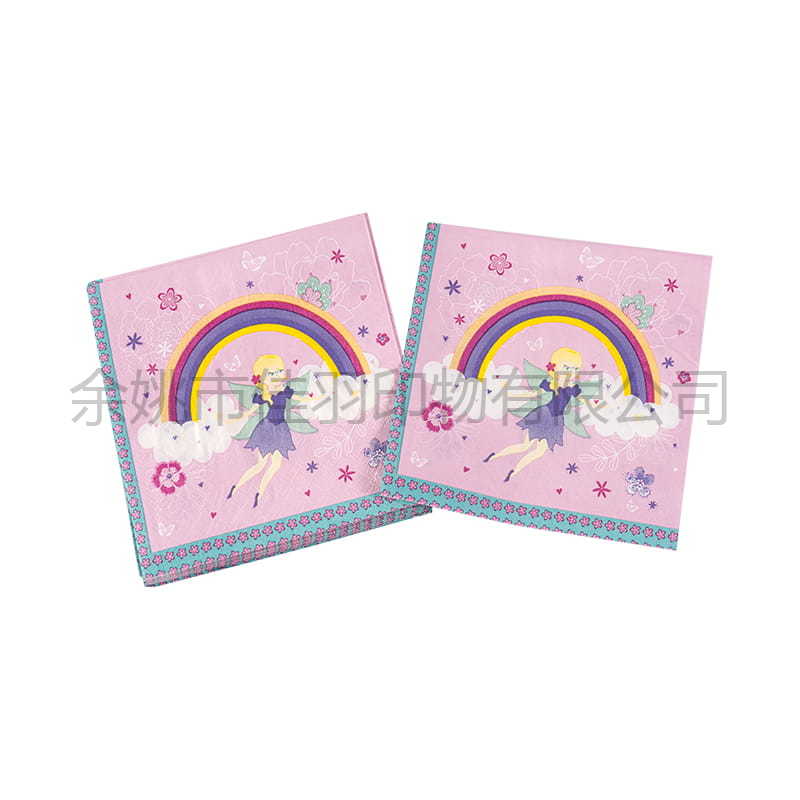
In commercial production, gsm is the language that links the paper mill to the finished disposable product. Lightweight tissue from 18 to 25 gsm is standard for napkins and wrapping paper. Our production line prints, folds, and packs 18 g napkins into the 25 by 25 cm and 33 by 33 cm sizes used in restaurants and catering, such as 18 g fairy print paper napkins.
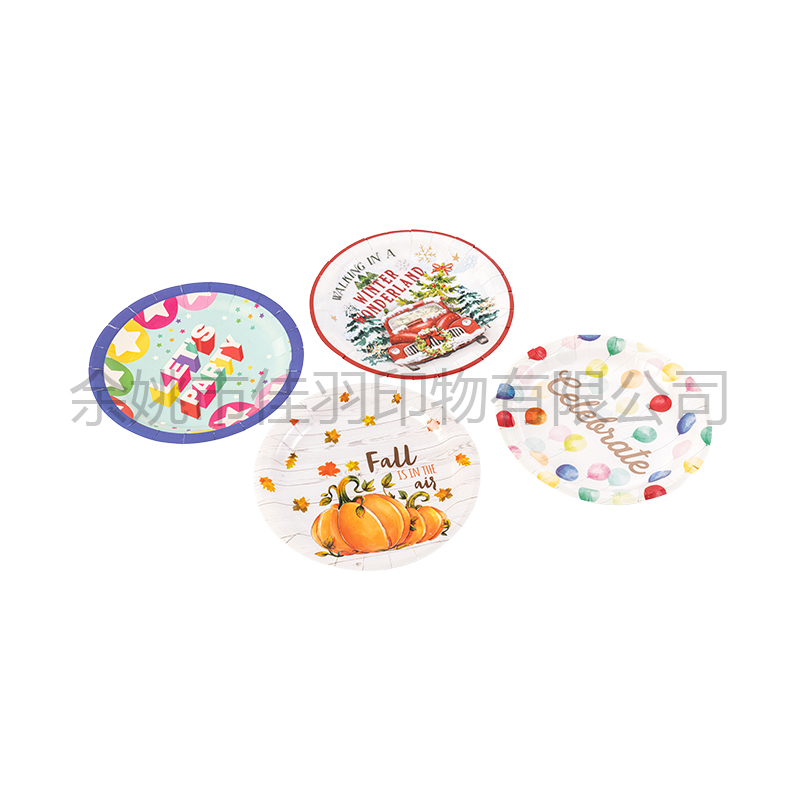
Mid-weight paper from 100 to 180 gsm appears in cup sleeves, labels, and packaging inserts. Board from 200 to 350 gsm forms the sidewalls of coffee cups, the bases of paper plates, and the walls of serving bowls. The same conversion logic applies when a supplier asks whether you want a 118 gsm or a 217 gsm material for your disposable 7 inch round paper plates.
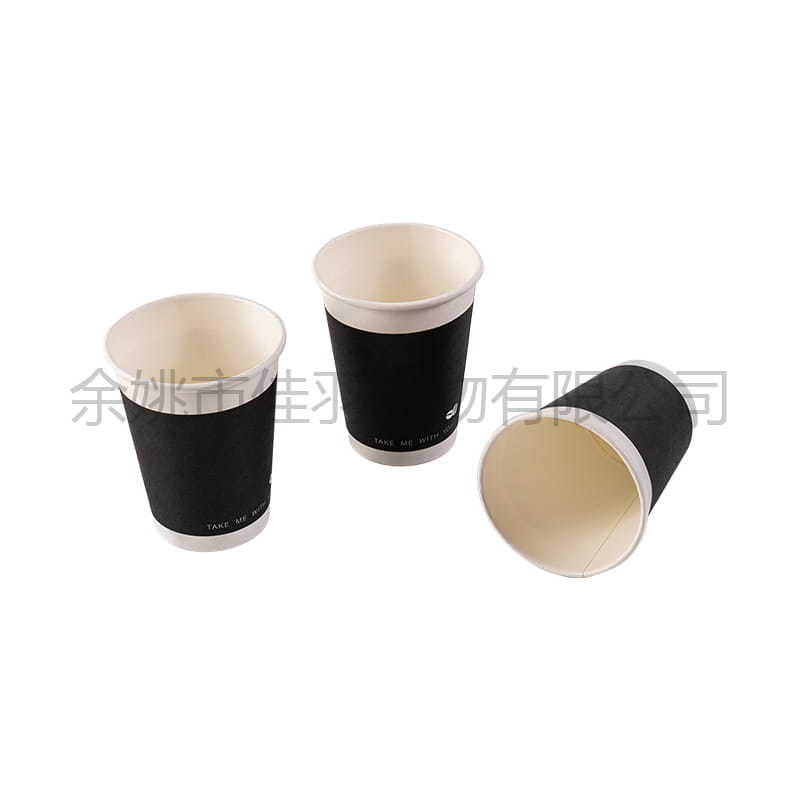
For hot beverages, a sturdier gsm prevents leaks and retains heat. For cold serving, lighter board is often enough and lowers material cost. If you are buying 12 oz coffee paper cups in bulk, the gsm of the sidewall determines how the cup feels and whether it holds its shape when the coffee is full. This is why experienced buyers always check gsm values before placing an order for paper cups and bowls made from sustainable materials.
Understanding gsm also matters for custom packaging and printed marketing collateral. When you request a proof or quote, specifying the exact gsm value eliminates miscommunication between your team, the designer, and the factory. This is especially important for export orders, where most suppliers outside North America think in metric terms. And as innovations in the printing industry continue to emerge, digital presses can handle a broader range of gsm, but they still require you to choose the right material before production starts.
Final Takeaway for Print and Packaging Buyers
To summarize, 80 lb text equals 118.4 gsm and 80 lb cover equals 216.64 gsm. The only difference between the two is the grade that the word text or cover adds to the label. Whenever you write a paper specification, always include the grade, the pound value, and the gsm value together. That single habit prevents expensive reprints and ensures your paper, packaging, or disposables meet your expectations.
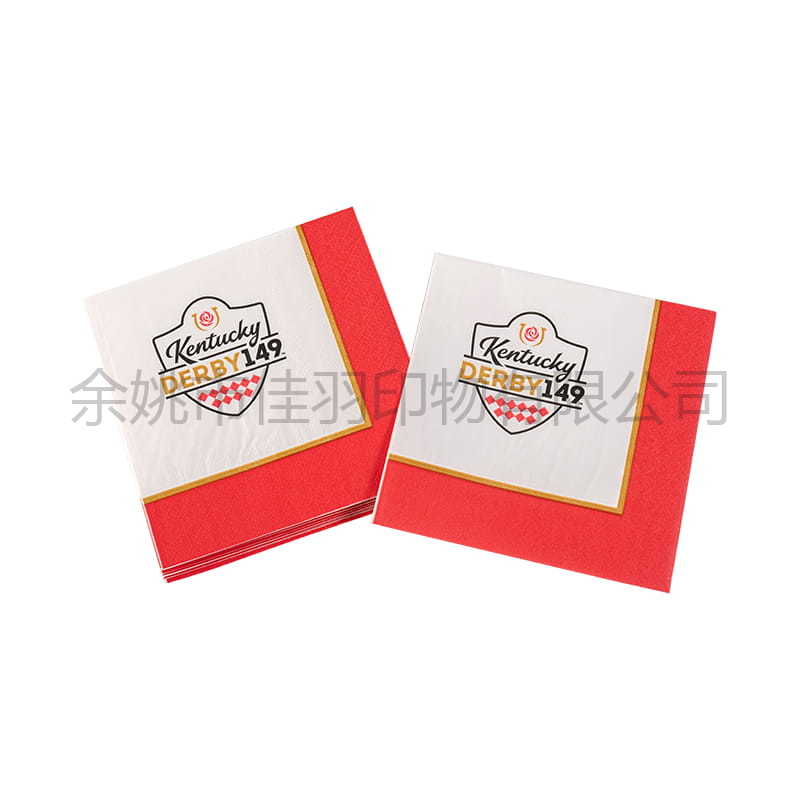
25cm KD printed paper towels have a variety of advantages, at the same time, the pattern on the napkin can be customized according to any requirements, whether it is a floral design, geometric pattern...
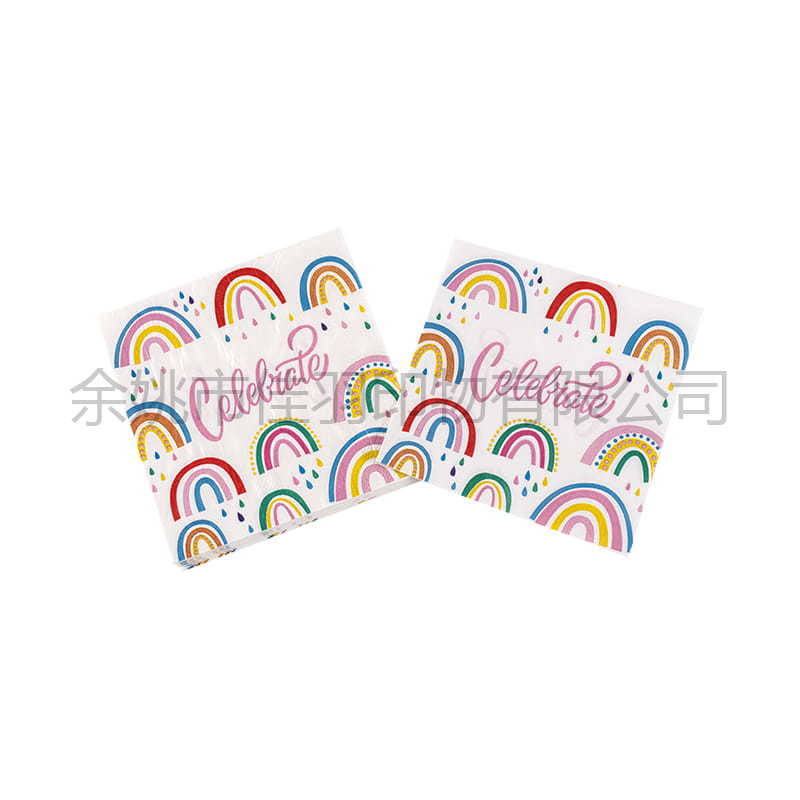
25cm Rainbow Print Napkin- This napkin is specially designed for holiday celebrations, specially designed napkins with print, rainbow print is full of joy and celebratory feelings.
The print on it ca...
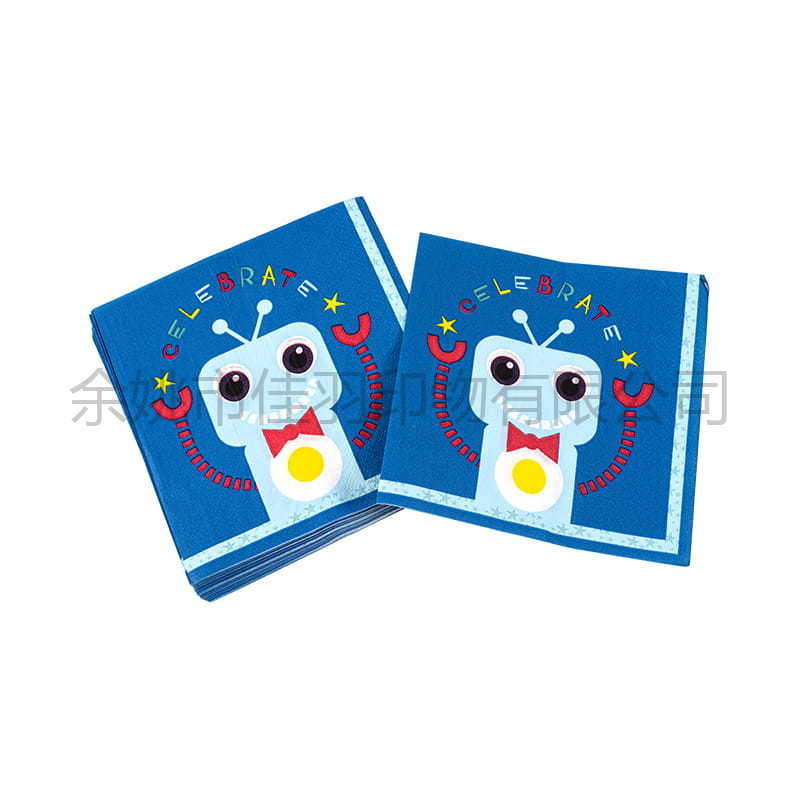
This is a 25cm*25cm napkin printed with the logo of a cute robot, this robot napkin is a must-have item on the children's table. Fun robot-themed prints add a futuristic touch to your packaging, in ad...
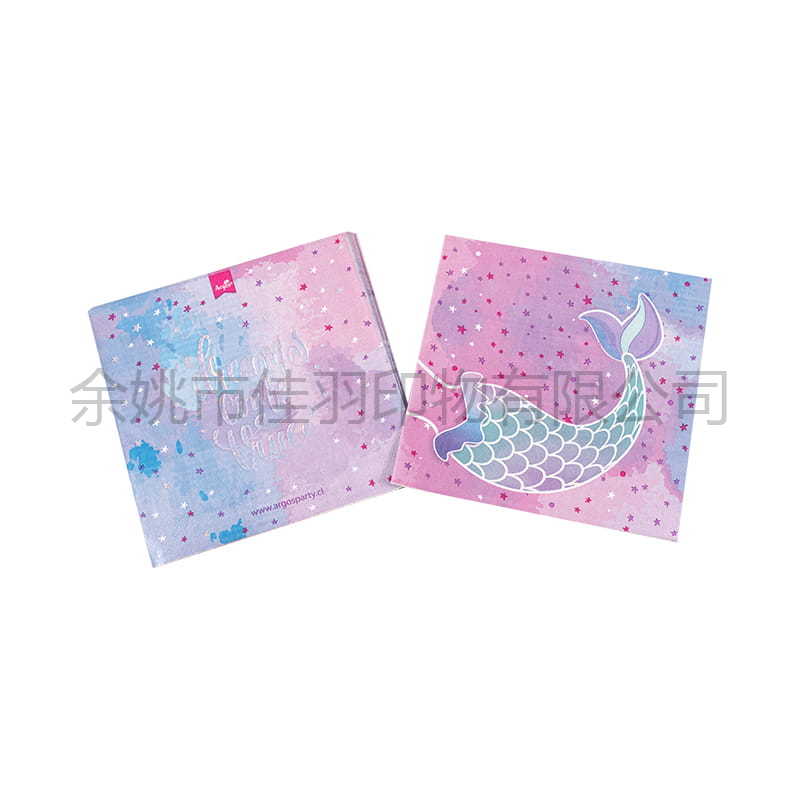
The 25cm fairy print tissue is designed to enhance the overall experience of women. The unique fairy-themed print not only gives the paper towel an eye-catching look but can also be customized to your...
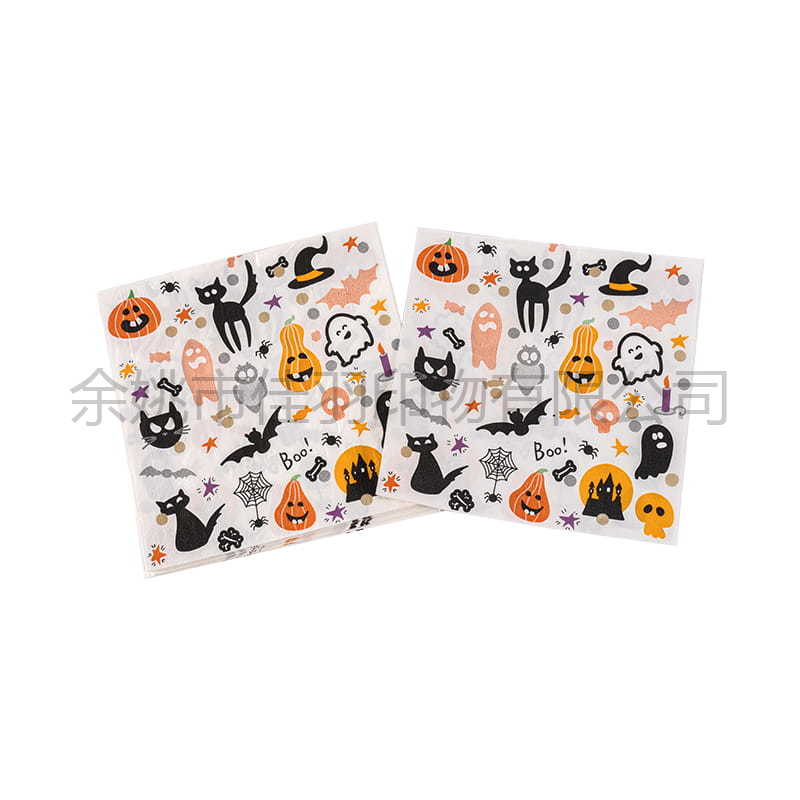
Designed for Halloween, this tissue is sized to handle a variety of packaging needs, from small Halloween gifts to grand celebrations. The design incorporates an intriguing Halloween element, making e...
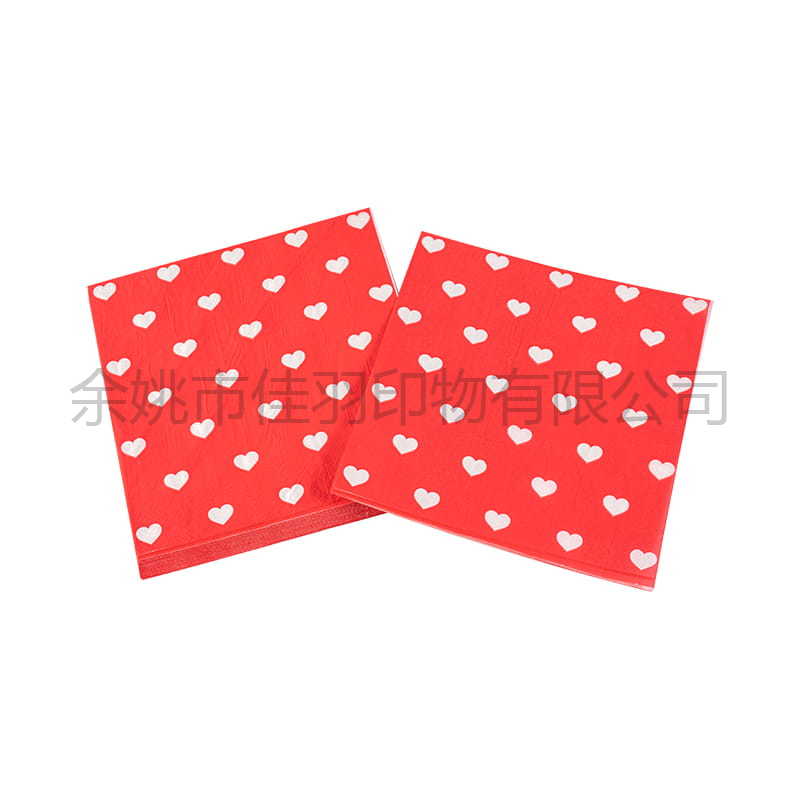
This special Valentine's Day tissue is covered with small hearts and covers the entire tissue. We designed this 33cm Valentine's Day tissue, each one has a lot of small hearts so that your gift packag...
This 33cm bronzing embossed lace paper towel incorporates a delicate embossing process, which is soft and comfortable, and has good water absorption. At the same time, the interesting colors and delic...
The 33cm hot rose gold paper towel comprehensively considers many factors such as material, environmental protection, practicality and appearance design. Inject a touch of artistic quality into everyd...
The 33cm hot silver paper towel adopts a unique hot silver stamping process, and its exquisite print design adds a lot of color to daily life, we are constantly paying attention to the comfort of the ...
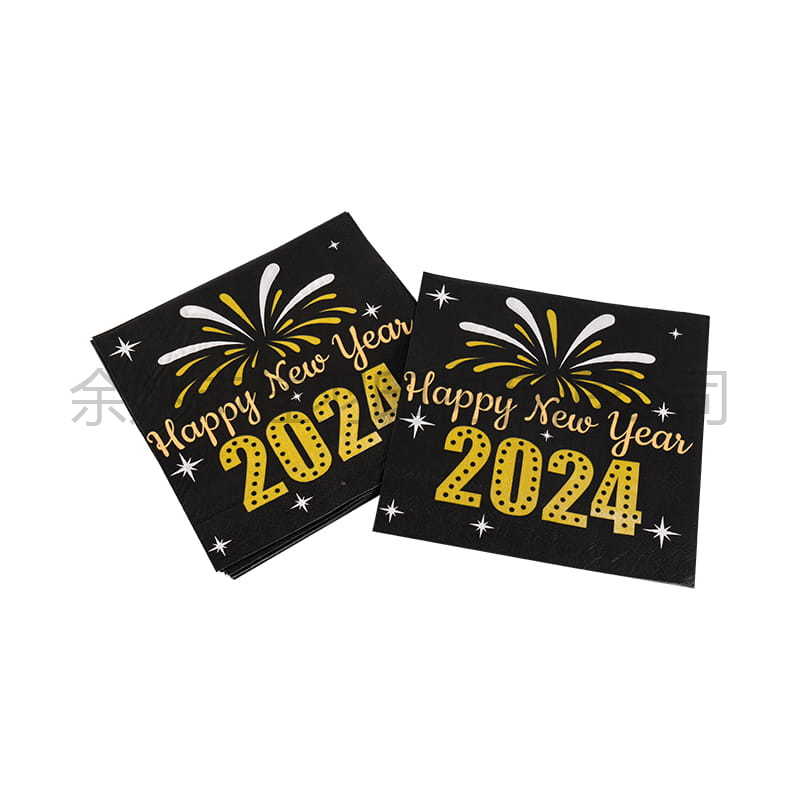
The 33cm New Year paper towel is an eco-friendly and sustainable product that is made with eco-friendly materials, providing buyers with a more eco-friendly option. Unique print patterns can be custom...
The 7-inch round paper plate, with a diameter of 17.8 cm (Φ17.8), is a common tableware and supplies, usually used for parties, parties, catering occasions, etc.
Material: The 7-inch round paper tray...
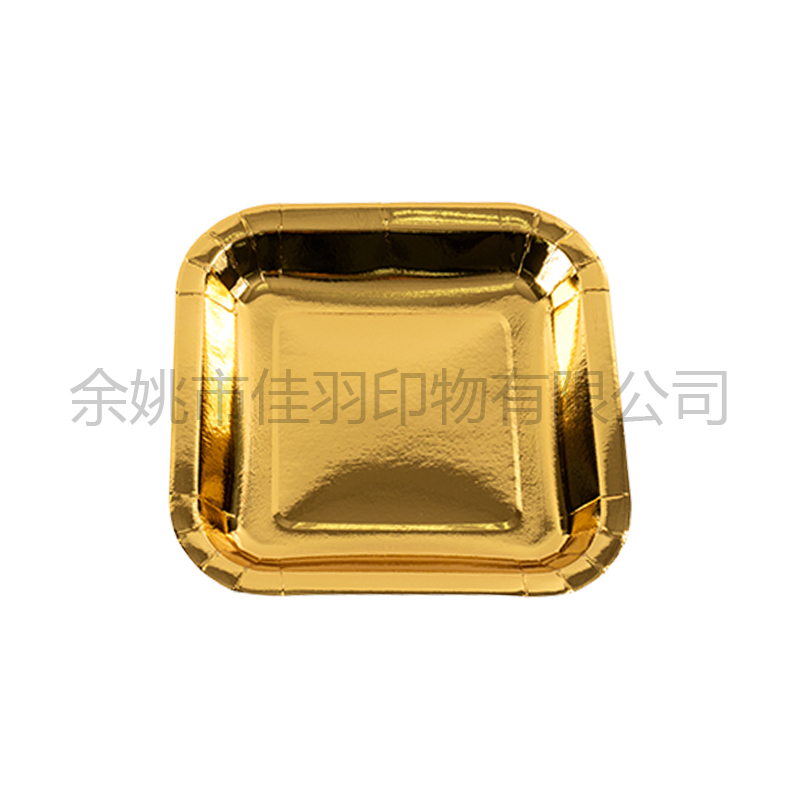
8-inch gold square paper plate to add a luxurious atmosphere to your special occasion. This clever design of this square paper plate not only provides more space for food storage but also presents a m...
 English
 中文简体
中文简体 Español
 Deutsch


 No.71, Xiafan, Panxiang Village, Yangming Street, Yuyao City, China.
 491791889@qq.comsales@jiayuprint.com
 +86-13186866868
 +86-0574-62587484